Artwork
St. Remigius; St. Leodegarius; St. Gerard, Abbot; St. Francis of Assisi
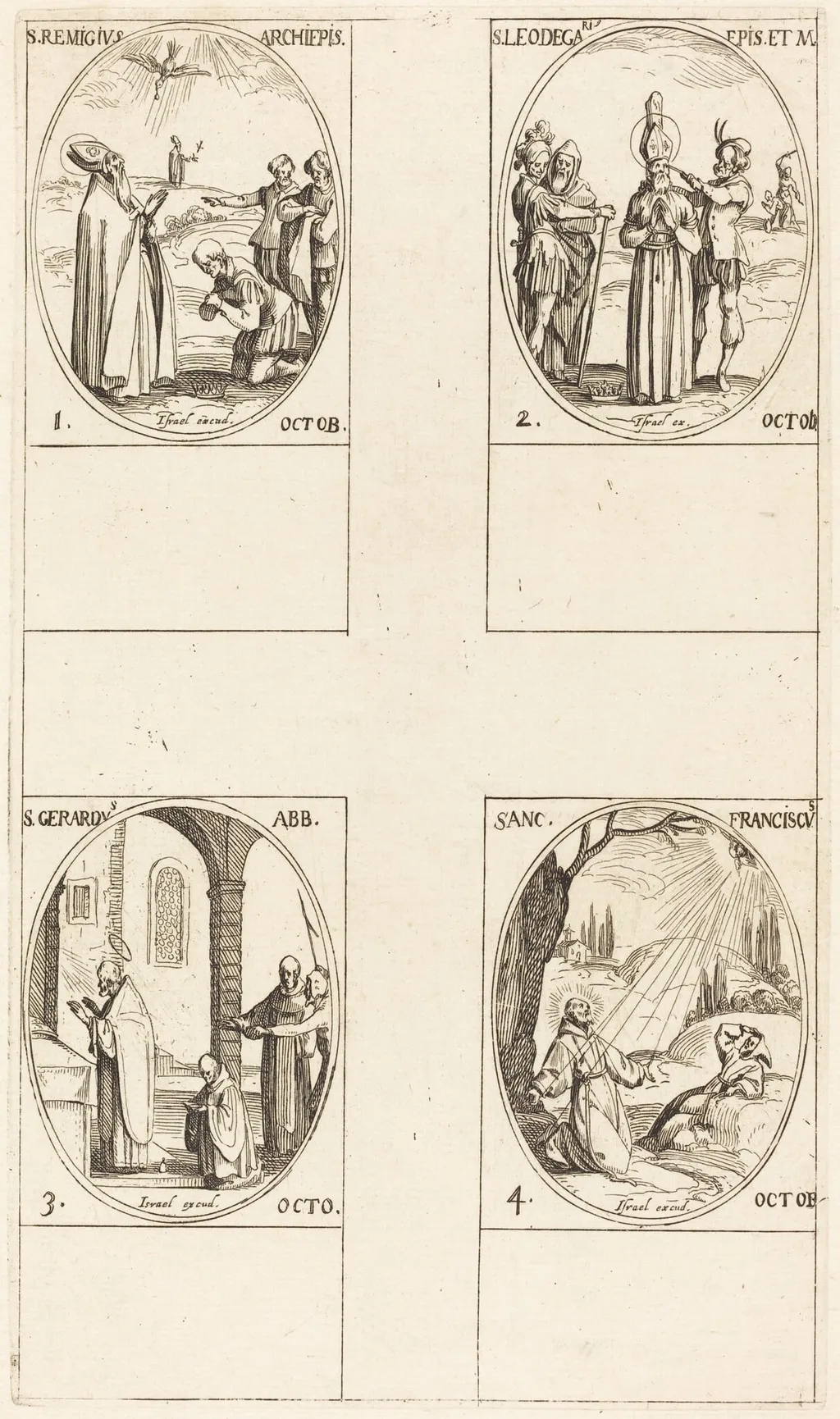
St. Remigius; St. Leodegarius; St. Gerard, Abbot; St. Francis of Assisi is an ink print by the Baroque artist Jacques Callot. It dates from 1634 and is held in the collection of the National Gallery of Art.
About this work
Overview
Each vignette is enclosed in a circular frame and bears the name of its subject: St Remigius, St Leodegarius, St Gerard the Abbot, and St Francis of Assisi.
Around 1634, Jacques Callot, a French printmaker from Lorraine, produced an etching on laid paper that presents four distinct saintly scenes. Each vignette is enclosed in a circular frame and bears the name of its subject: St Remigius, St Leodegarius, St Gerard the Abbot, and St Francis of Assisi. The work exemplifies Callot’s prolific output, which exceeds fourteen hundred prints covering religious, social, and military topics.
Subject & Meaning
The composition groups four devotional episodes, each illustrating a different saint’s traditional iconography. In the upper left, a tall figure presents an offering to a kneeling supplicant, suggesting a moment of intercession. The upper right shows a gathering with a book‑holding figure, possibly indicating teaching or martyrdom. The lower left depicts a man before a building amid a crowd, while the lower right features a preacher addressing a small assembly beneath a tree, evoking St Francis’s outreach.
Technique & Style
Callot employed the etching process, incising fine lines into a copper plate before printing onto laid paper. The resulting images are characterized by crisp, intricate line work that captures architectural details and the varied postures of the figures. The circular frames and careful labeling reflect the artist’s systematic approach to multi‑panel religious subjects.
History & Provenance
Created during the Baroque period, this print forms part of Callot’s extensive series of religious works, produced alongside his more secular and military subjects. While specific ownership records are scarce, the piece is documented within the corpus of Callot’s prints that circulated widely in 17th‑century Europe, influencing contemporaneous printmakers.
Context
In the early 1630s, Lorraine’s artistic climate was shaped by both French and Italian Baroque currents. Callot’s prints responded to the Counter‑Reformation’s demand for accessible devotional imagery, offering believers portable visual narratives. The inclusion of multiple saints in a single sheet reflects a didactic intent, allowing viewers to contemplate various models of sanctity.
Artist & collection
Artist
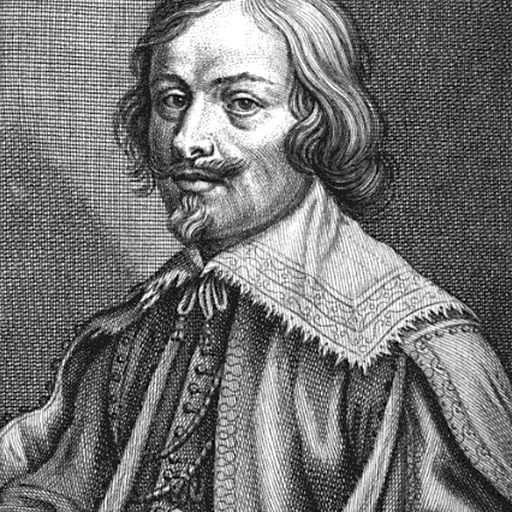
Jacques Callot was a baroque printmaker and draftsman from the Duchy of Lorraine.

 Holy Family at supper
 Restoration of the Aqueduct at Pisa
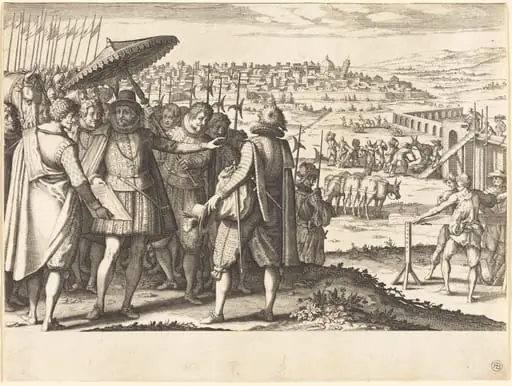 Restoration of the Aqueduct at Pisa
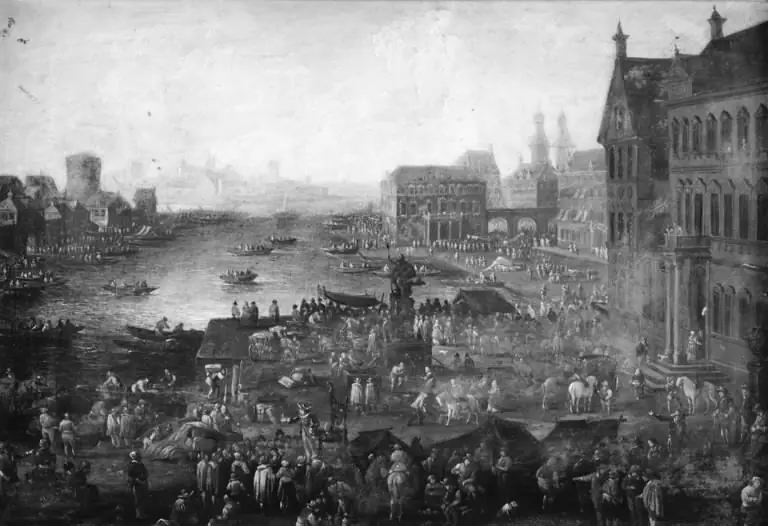 Square in Paris with Many Figures
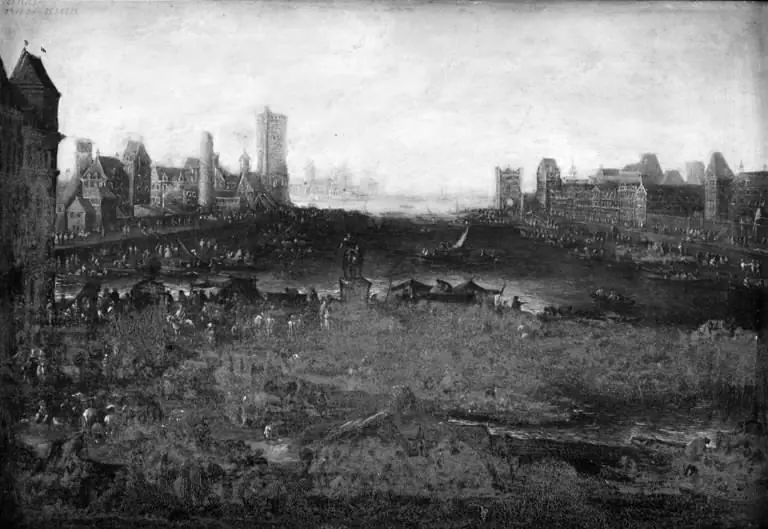 Square in Paris with Many Figures
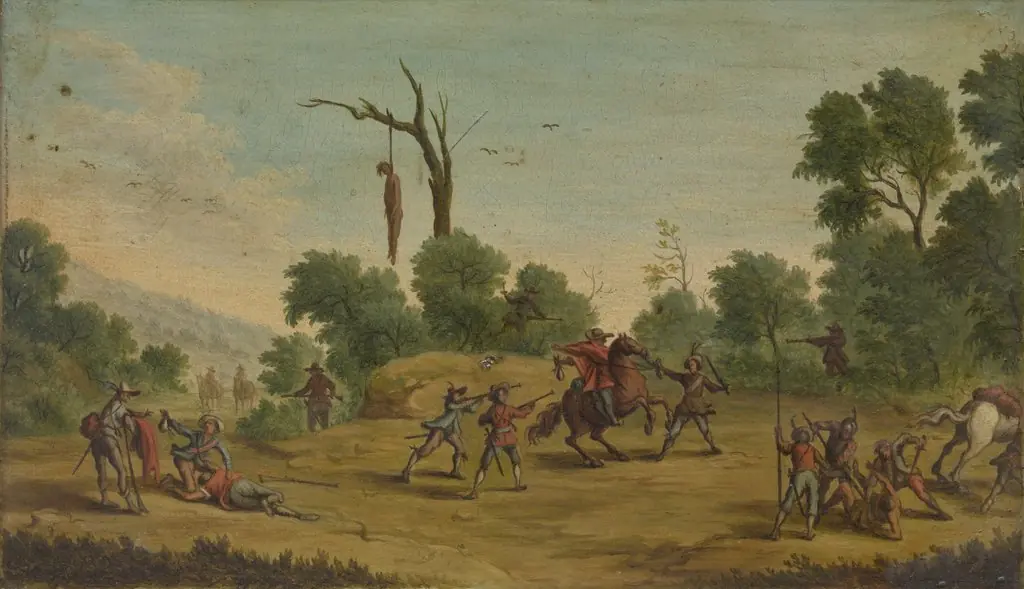 Horsemen Attacked by Robbers
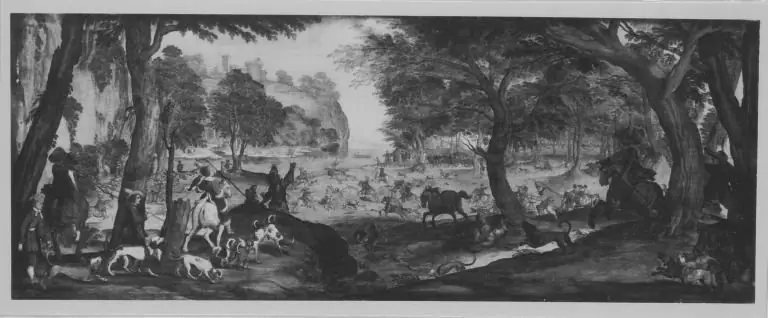 HOW WILL A COVERED PART BE CORRECTED?HOW WIKA A COVERED HEART DEED CORRECTED?
![Christ Walking on the Water [second plate], by Jacques Callot](https://artifactworldgallery.com/img/jacques-callot--christ-walking-on-the-water-second-plate--2069f3bfe4cb2126-w320.webp) Christ Walking on the Water [second plate]
Christ Walking on the Water [second plate]
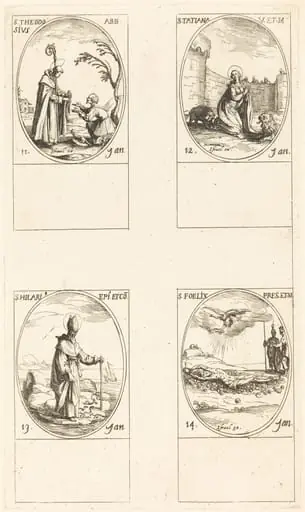 St. Theodosius; St. Tatiana; St. Hilary; St. Felix
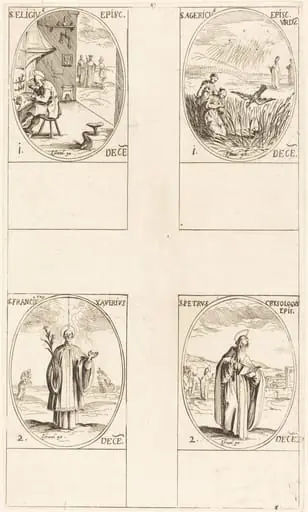 St. Eligius; St. Agericus; St. Francis Xavier; St. Peter Chrysologus
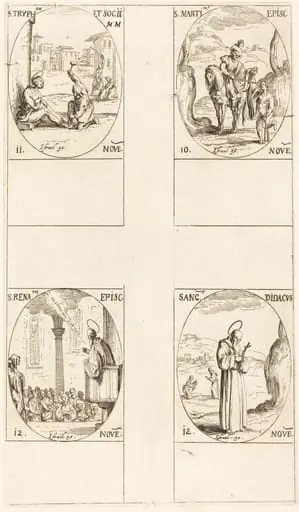 St. Martin; St. Tryphon and Companions; St. Renatus; St. Didacus
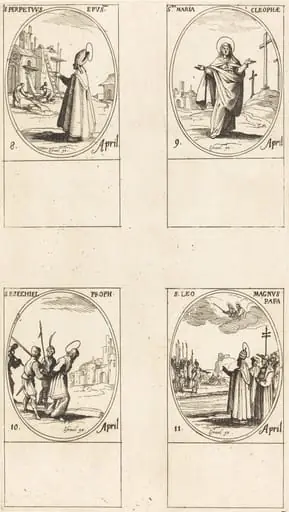 St. Perpetuus; St. Mary of Cleophas; St. Ezechiel; St. Leo the Great
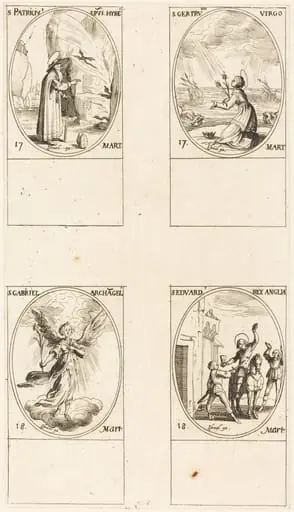 St. Patrick; St. Gertrude; St. Gabriel, Archangel; St. Edward
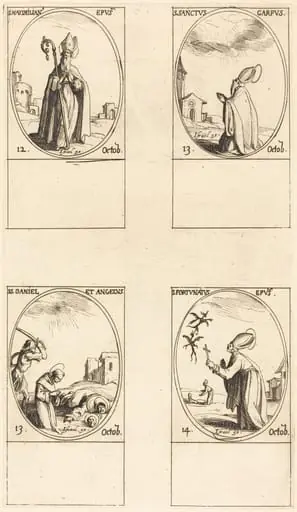 St. Maximilian; St. Carpus; St. Daniel and Angelus; St. Fortunatus
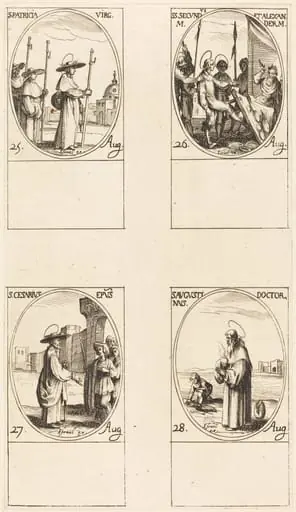 St. Patricia; Sts. Secundus and Alexander; St. Cesarius; St. Augustine