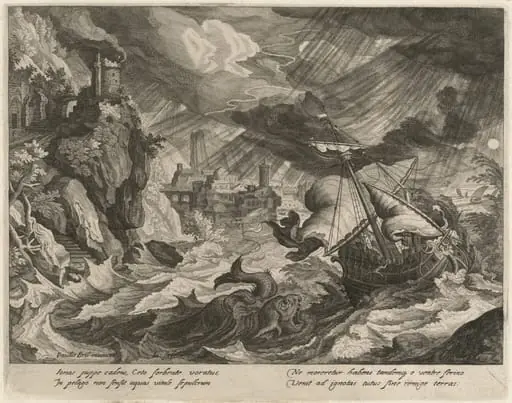
Artwork
Storm off the Coast of Barcelona
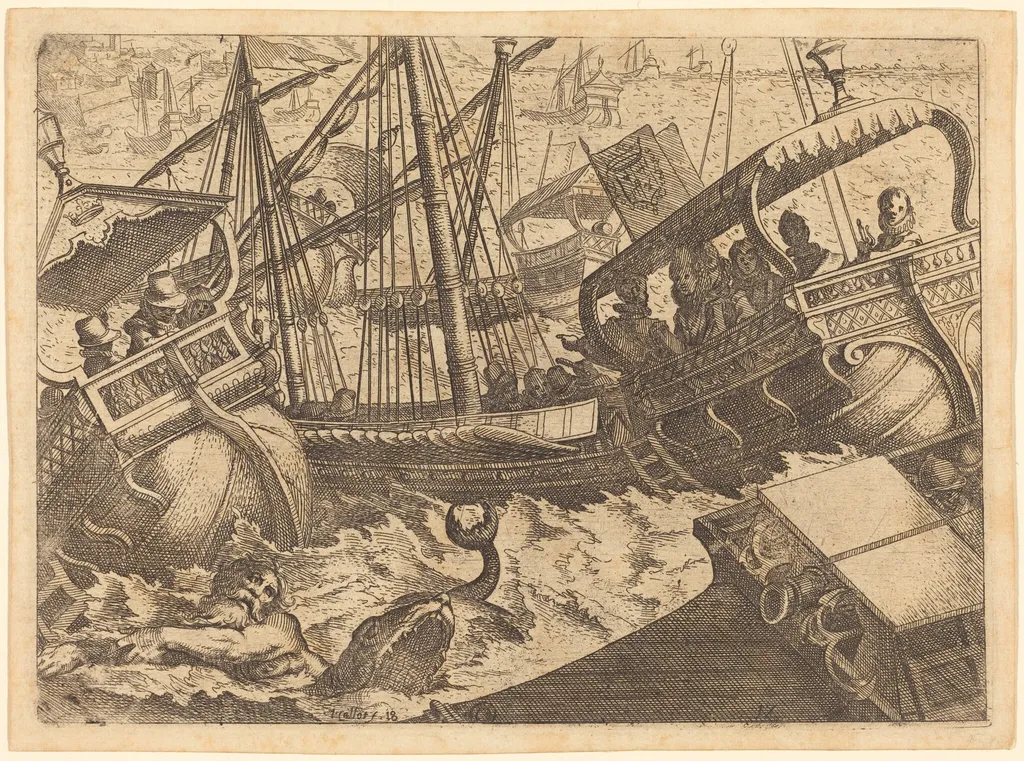
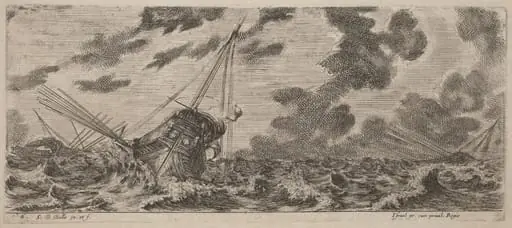
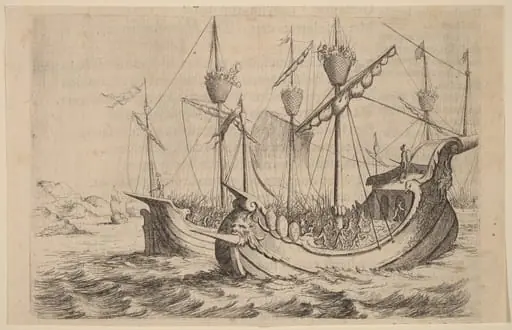
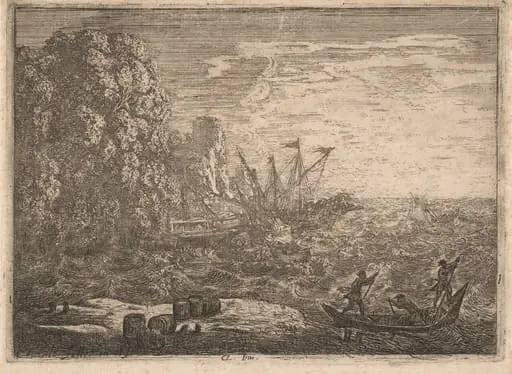
Storm off the Coast of Barcelona is an ink print by the Baroque artist Jacques Callot. It dates from 1612 and is held in the collection of the National Gallery of Art.
About this work
Overview
Created in 1612, *Storm off the Coast of Barcelona* is an etching by Jacques Callot, a French artist from the Duchy of Lorraine.
Created in 1612, *Storm off the Coast of Barcelona* is an etching by Jacques Callot, a French artist from the Duchy of Lorraine. Executed on laid paper, the work belongs to a prolific body of over 1,400 prints that document early 17th-century life. Callot’s focus on dynamic natural and human events is evident here, as he captures a violent maritime disaster with precision and urgency, using the technical possibilities of etching to convey chaos.
Subject & Meaning
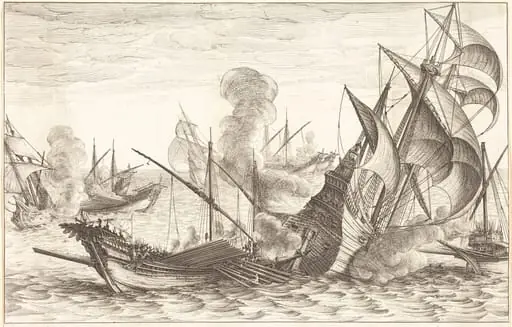
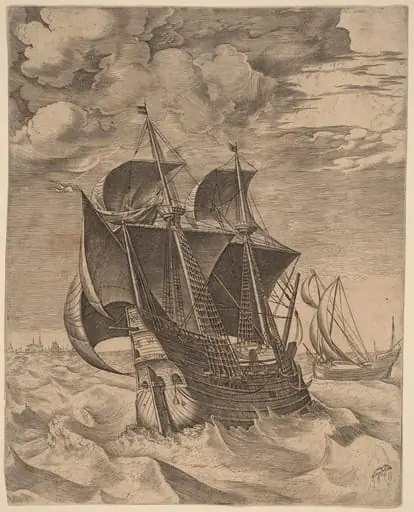
The scene portrays a naval catastrophe off Barcelona’s shore, with ships caught in violent seas, rigging tangled, and crew members thrown into the water. In the background, a city burns, suggesting broader conflict or disaster. The image does not depict a known historical event but rather synthesizes contemporary fears of sea travel and war. It reflects a fascination with nature’s power and human vulnerability amid turmoil.
Technique & Style
Callot employed etching, a method involving acid-bitten lines on a metal plate, to achieve fine, sharp contours. His use of jagged, dense strokes creates a sense of motion and disorder, mimicking the churning waves and splintered wood. The dark, uneven ink lines enhance the feeling of instability, while the lack of smooth transitions reinforces the raw, uncontrolled energy of the storm. His technique prioritizes emotional impact over idealized form.
History & Provenance
The print was made during Callot’s early career, shortly after his return from Italy, where he absorbed influences from Northern European and Italian graphic traditions. Though the specific early ownership of this impression is undocumented, it aligns with his broader output of prints circulated among collectors and artists in Europe. Its survival in multiple institutional collections suggests its recognition as a significant example of his storm-themed works.
Context
In the early 1600s, maritime travel was perilous, and naval warfare frequently disrupted Mediterranean trade. Barcelona, a key port, was often targeted during conflicts between Spain and its rivals. Callot, though not present at the scene, drew from reports, engravings, and his own imagination to render a plausible catastrophe. The print reflects broader cultural anxieties about the sea and the fragility of human endeavors.
Legacy
Callot’s *Storm off the Coast of Barcelona* exemplifies how etching could convey narrative intensity and emotional depth. His technical innovations in line work influenced later printmakers, particularly in the depiction of movement and chaos. While not widely reproduced in his lifetime, the work remains a key reference in studies of Baroque printmaking and the representation of natural disaster in early modern art.
Artist & collection
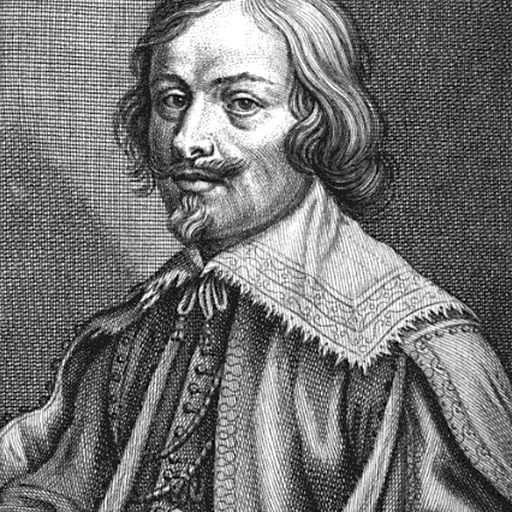
Artist
Jacques Callot was a baroque printmaker and draftsman from the Duchy of Lorraine.

 Holy Family at supper
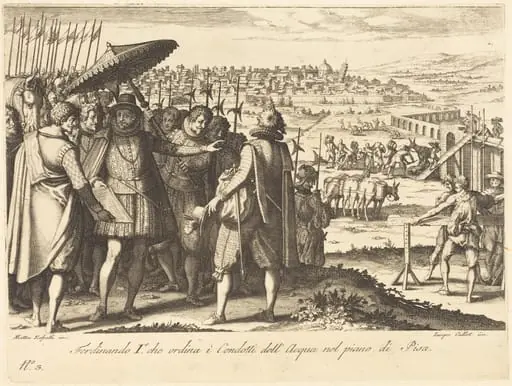 Restoration of the Aqueduct at Pisa
 Restoration of the Aqueduct at Pisa
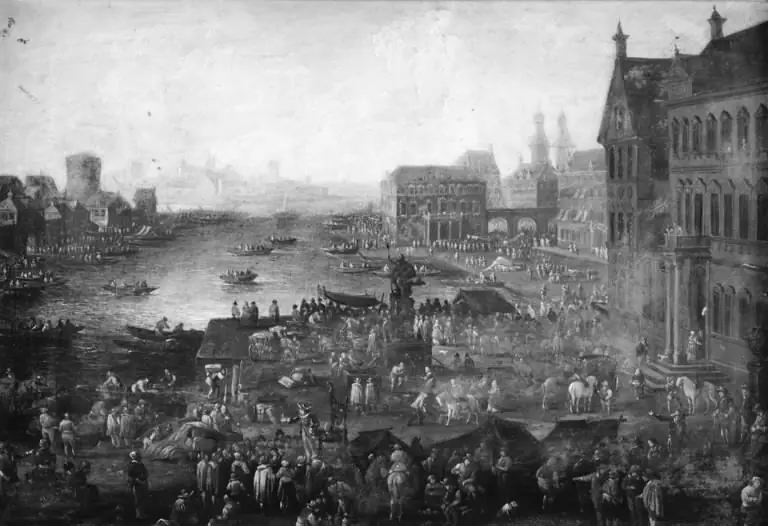 Square in Paris with Many Figures
 Square in Paris with Many Figures
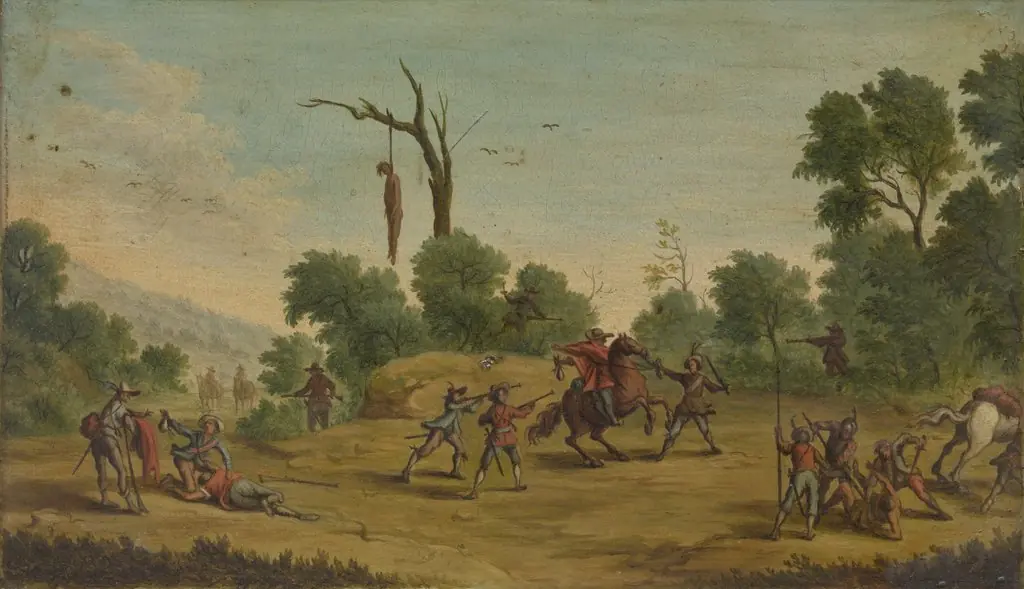 Horsemen Attacked by Robbers
 HOW WILL A COVERED PART BE CORRECTED?HOW WIKA A COVERED HEART DEED CORRECTED?
![Christ Walking on the Water [second plate], by Jacques Callot](https://artifactworldgallery.com/img/jacques-callot--christ-walking-on-the-water-second-plate--2069f3bfe4cb2126-w320.webp) Christ Walking on the Water [second plate]
Christ Walking on the Water [second plate]