Artwork
The Camp
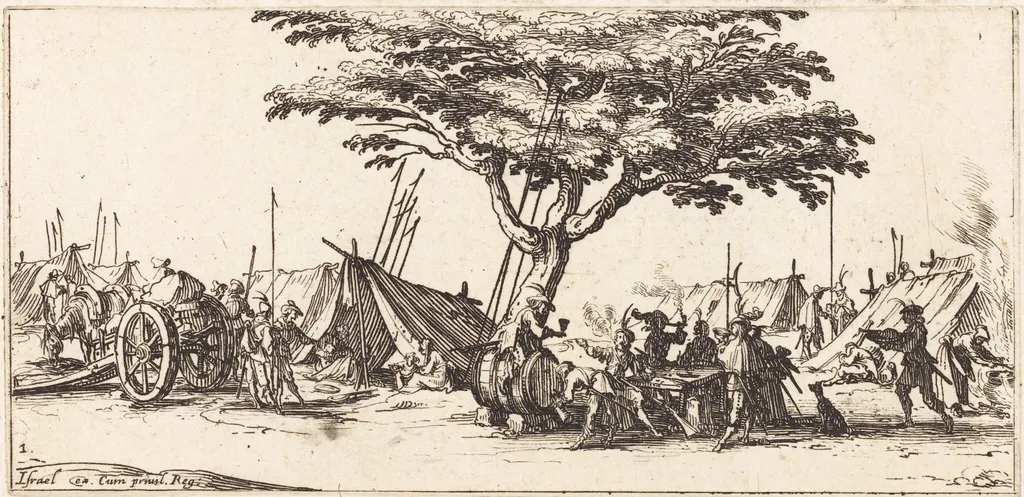
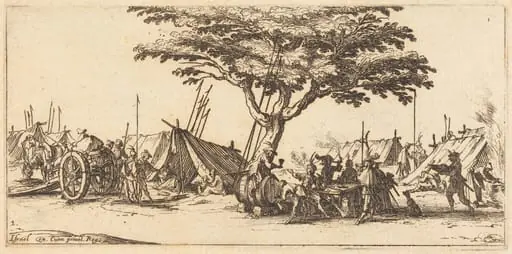
The Camp is an ink print by the Baroque artist Jacques Callot. It dates from 1633 and is held in the collection of the National Gallery of Art.
About this work
Overview
Created circa 1633, *The Camp* is an etching on laid paper by Jacques Callot, a prolific French printmaker from the Duchy of Lorraine. The work presents a densely populated tableau that captures a moment of military encampment, populated by numerous figures and objects rendered with meticulous attention to scale and arrangement.
Subject & Meaning
The composition concentrates on the everyday reality of soldiers and the surrounding civilian activity, reflecting Callot’s sustained interest in portraying the social fabric of military life. By situating individual characters within a broader communal setting, the print suggests both the order and the chaos inherent in a temporary wartime settlement.
Technique & Style
Executed through the etching process, Callot incised his design onto a metal plate, allowing for fine lines and intricate detail that populate the crowded scene. The use of laid paper provides a subtle texture that enhances the contrast between light and shadow, while the baroque sensibility is evident in the dynamic arrangement of figures and the dramatic depth of field.
History & Provenance
*The Camp* belongs to Callot’s extensive output of more than 1,400 prints, a body of work that documented a wide range of subjects from battlefield to landscape. Though specific ownership records for this particular print are scarce, it has been preserved in several major European collections, underscoring its role as a representative example of early 17th‑century French printmaking.
Artist & collection
Artist
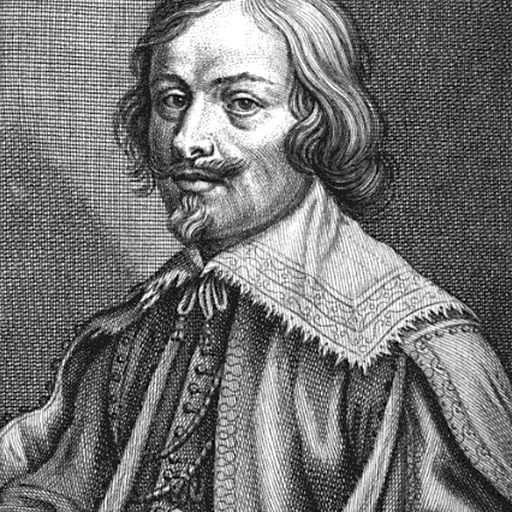
Jacques Callot was a baroque printmaker and draftsman from the Duchy of Lorraine.

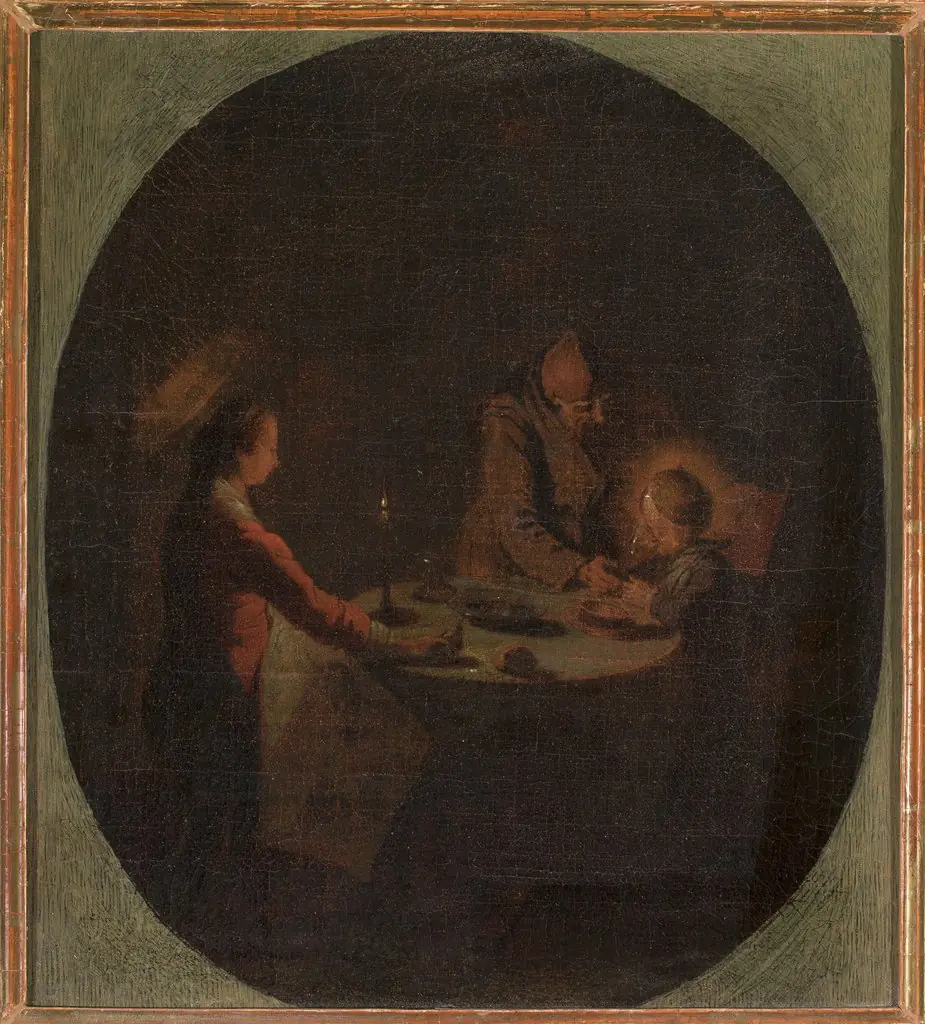 Holy Family at supper
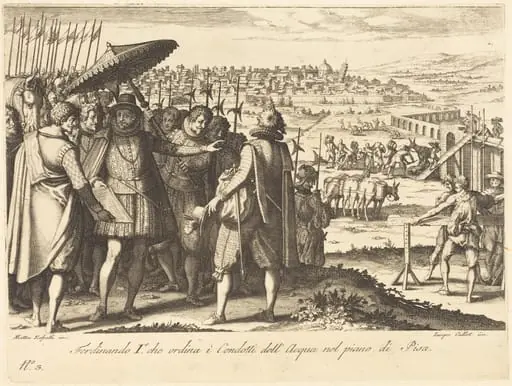 Restoration of the Aqueduct at Pisa
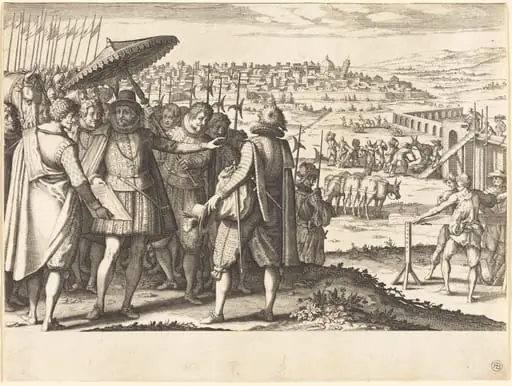 Restoration of the Aqueduct at Pisa
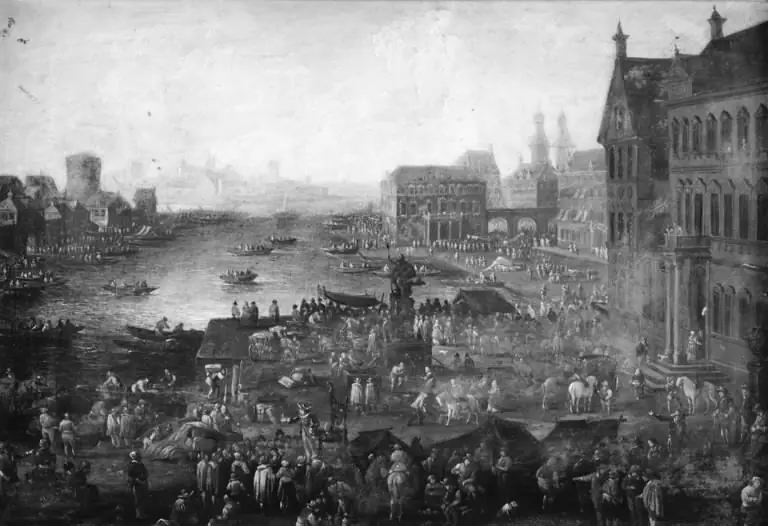 Square in Paris with Many Figures
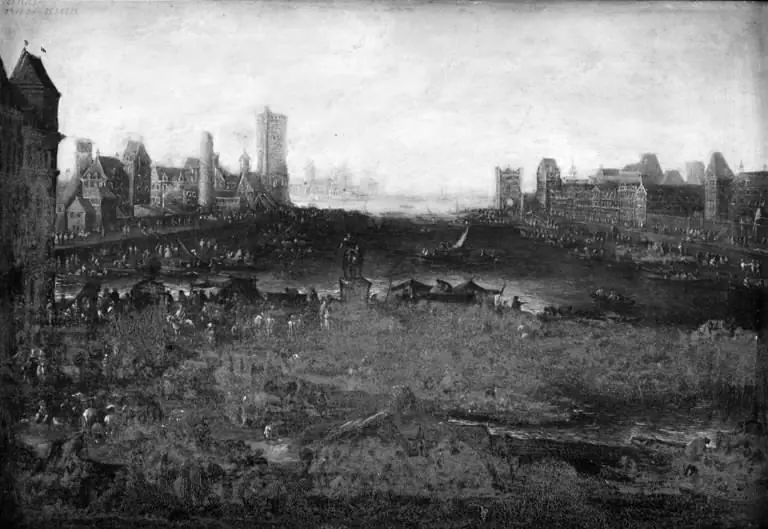 Square in Paris with Many Figures
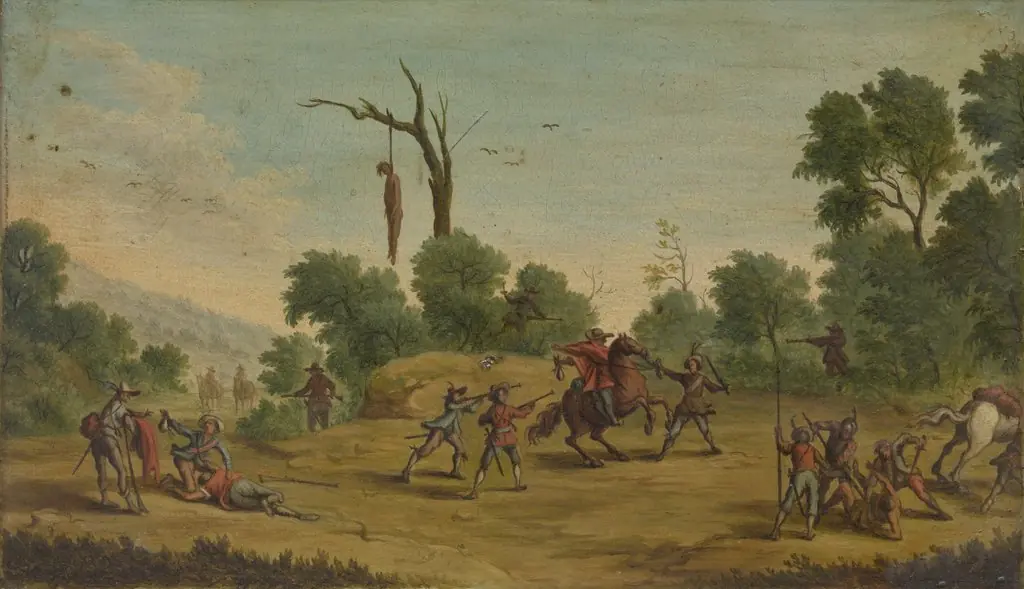 Horsemen Attacked by Robbers
 HOW WILL A COVERED PART BE CORRECTED?HOW WIKA A COVERED HEART DEED CORRECTED?
![Christ Walking on the Water [second plate], by Jacques Callot](https://artifactworldgallery.com/img/jacques-callot--christ-walking-on-the-water-second-plate--2069f3bfe4cb2126-w320.webp) Christ Walking on the Water [second plate]
Christ Walking on the Water [second plate]
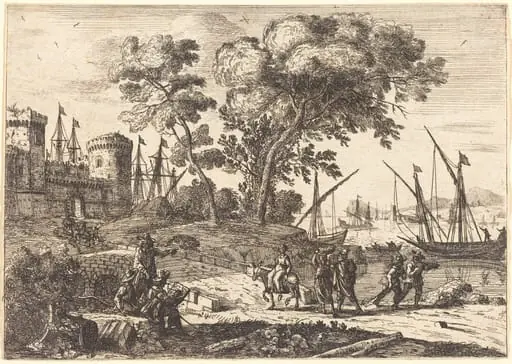 Coast Scene with an Artist (Le dessinateur)
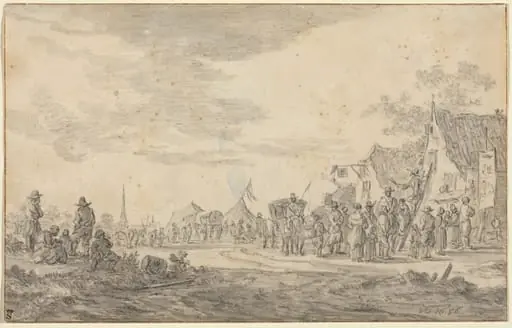 Village Fair
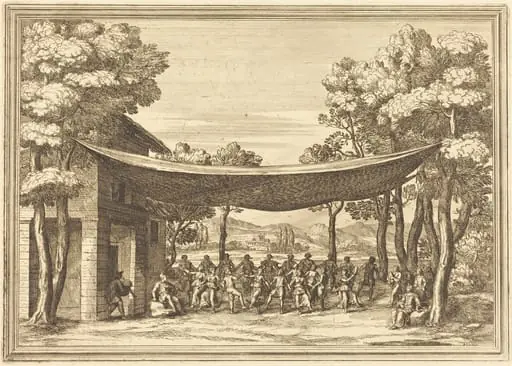 Il Greco in Troia: Plate 5
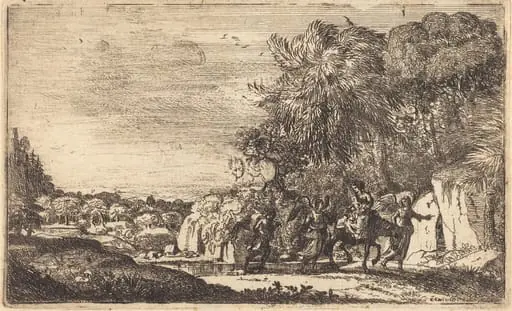 The Flight into Egypt (La fuite en Egypte)
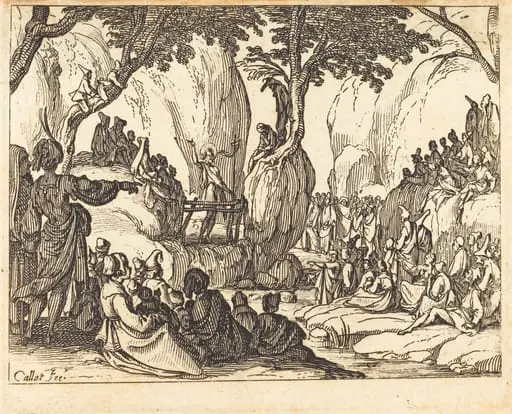 Saint John Preaching in the Desert
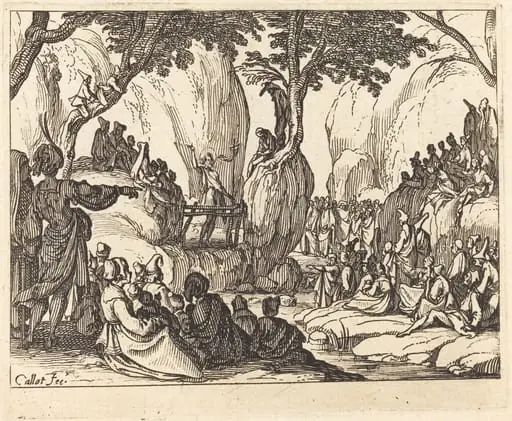 Saint John Preaching in the Desert
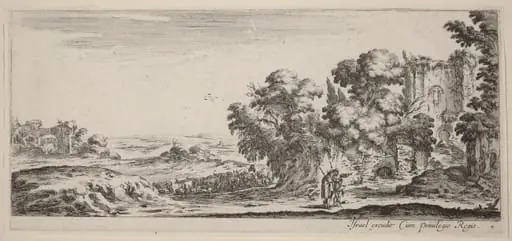 Landscape with Ruins
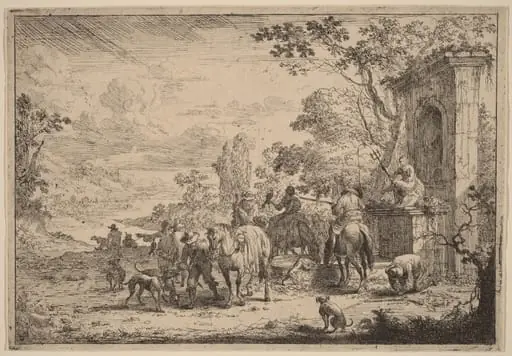 Huntsmen Resting
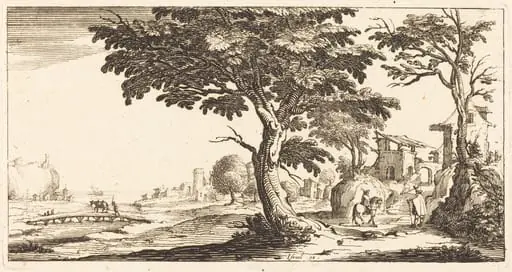 Landscape
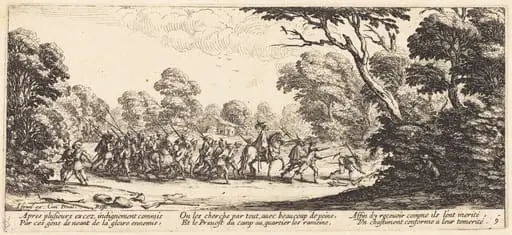 Discovery of the Criminal Soldiers
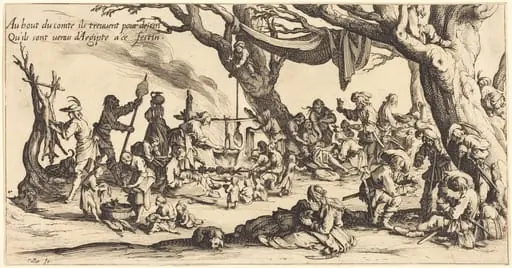 The Feast of the Bohemians
 The Camp