Artwork
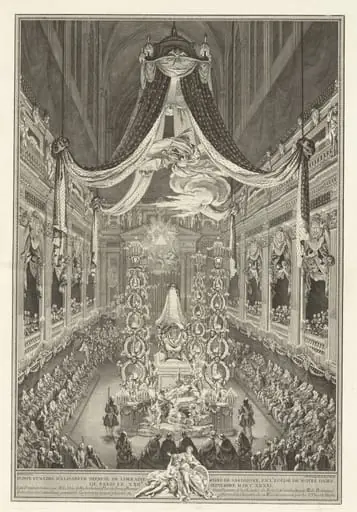
The Catafalque of the Emperor Mathias
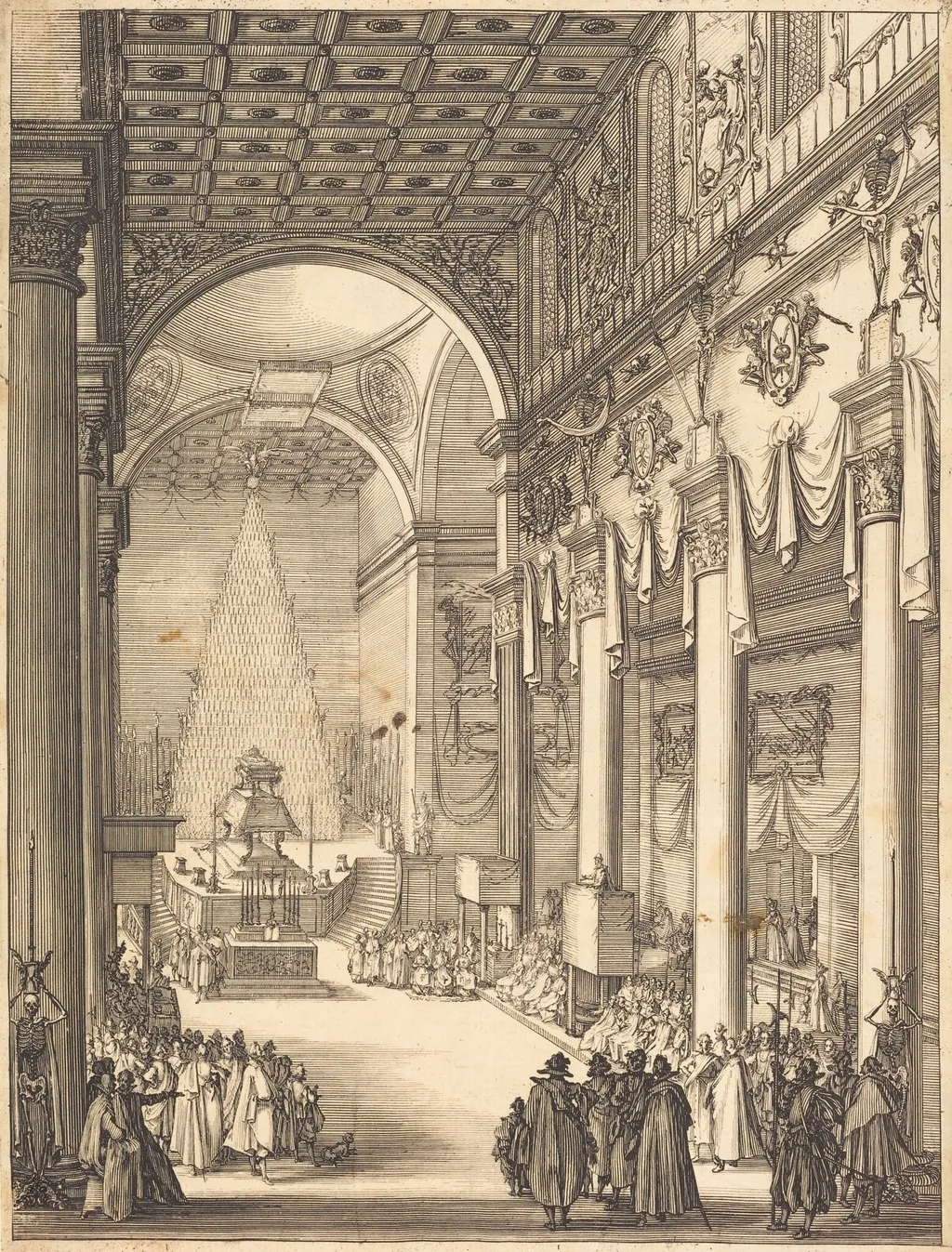
The Catafalque of the Emperor Mathias is an ink print by the Baroque artist Jacques Callot. It dates from 1619 and is held in the collection of the National Gallery of Art.
About this work
Overview
Callot, a French artist active in the Duchy of Lorraine, employed fine linear techniques to render architectural and human detail with precision.
Jacques Callot’s 1619 etching and engraving captures the funeral catafalque erected for Emperor Matthias in Vienna. Executed on laid paper, the work is part of a series documenting ceremonial occasions. Callot, a French artist active in the Duchy of Lorraine, employed fine linear techniques to render architectural and human detail with precision. The print serves as a documentary record rather than a commemorative portrait, emphasizing ritual structure over individual identity.
Subject & Meaning
The central focus is a towering, ornate platform supporting the emperor’s coffin beneath a richly draped canopy. Candles, sculpted figures, and liturgical objects surround the bier, signaling sacred solemnity. Crowds of clergy and courtiers, dressed in formal attire, stand in orderly groups, their postures conveying reverence. The blurred facial features shift attention from individual mourners to the collective ritual, reinforcing the ceremony’s institutional weight over personal grief.
Technique & Style
Callot combined etching and engraving to achieve exceptional detail in the architectural setting and textile textures. His use of fine, controlled lines creates depth through shadow and contrast, particularly in the carved walls and ceiling. The figures, rendered with minimal facial definition, are grouped with rhythmic repetition, guiding the viewer’s eye through the composition. This method reflects his technical innovation in printmaking and his commitment to observational accuracy.
History & Provenance
Commissioned to record the imperial funeral rites in Vienna, the print was produced shortly after Matthias’s death in 1619. Callot, known for documenting courtly and military ceremonies, likely received access to the event through patronage networks in Lorraine or Habsburg circles. The work entered private and institutional collections in the 17th and 18th centuries, preserved as a rare visual record of Habsburg ceremonial practice.
Context
The print emerged during a period when European courts used elaborate funerary displays to assert dynastic continuity. Callot’s work aligns with broader trends in Northern European printmaking, where detailed documentation of public rituals became a genre in its own right. Unlike allegorical depictions, this image prioritizes spatial and social realism, reflecting the growing value placed on eyewitness accuracy in early modern visual culture.
Legacy
Callot’s precision in rendering complex interiors and crowds influenced later printmakers in France and the Netherlands. His approach to ceremonial subjects helped establish printmaking as a medium for historical documentation, not merely illustration. The work remains a key reference for scholars studying early 17th-century Habsburg ritual, courtly aesthetics, and the evolution of print techniques in the Baroque era.
Artist & collection
Artist
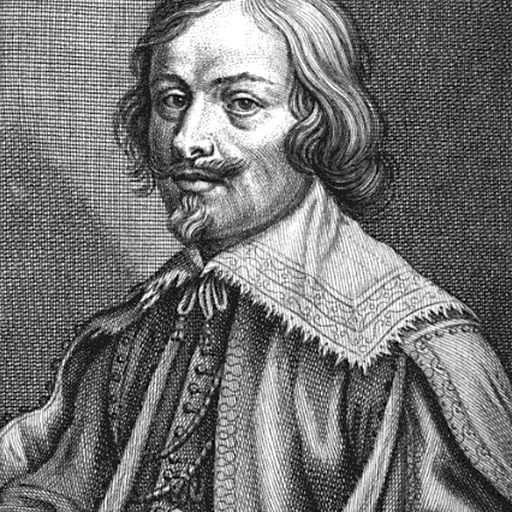
Jacques Callot was a baroque printmaker and draftsman from the Duchy of Lorraine.

 Holy Family at supper
 Restoration of the Aqueduct at Pisa
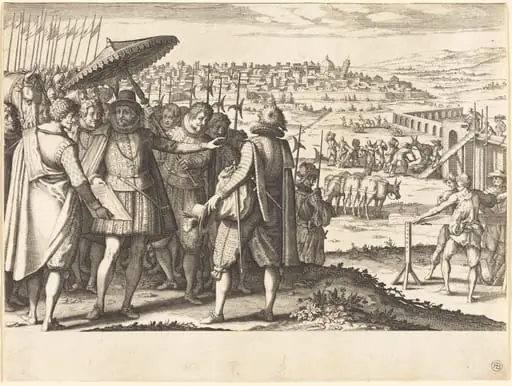 Restoration of the Aqueduct at Pisa
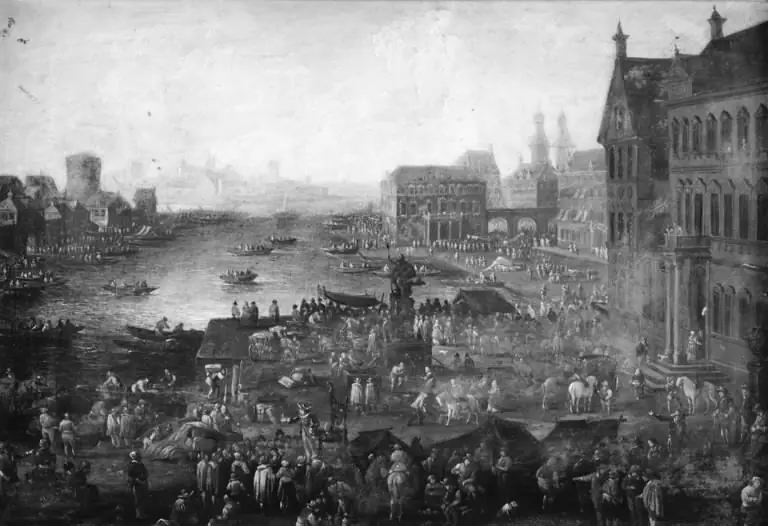 Square in Paris with Many Figures
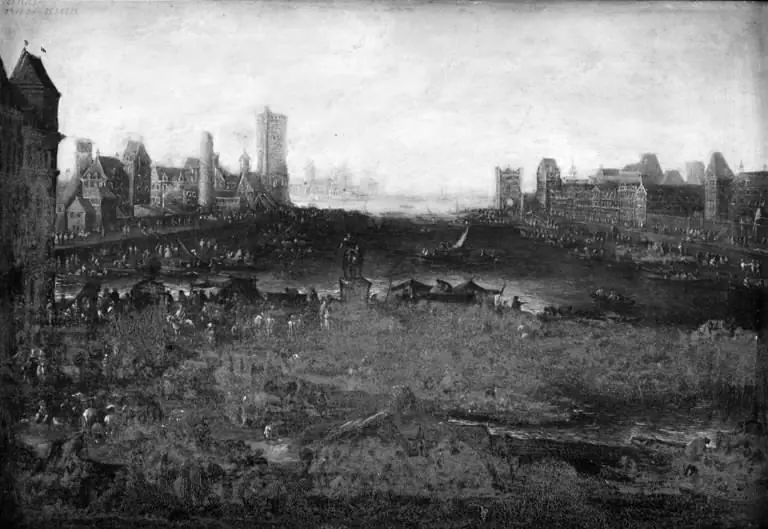 Square in Paris with Many Figures
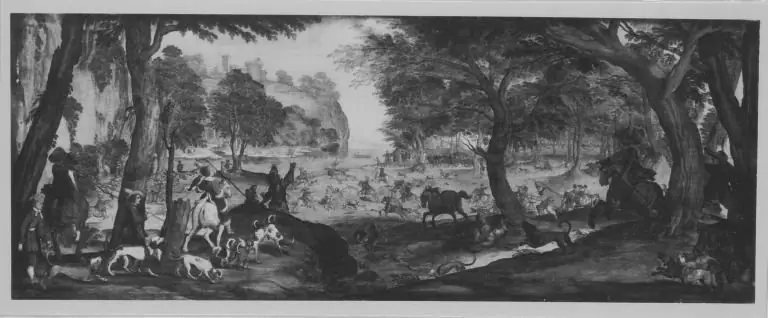
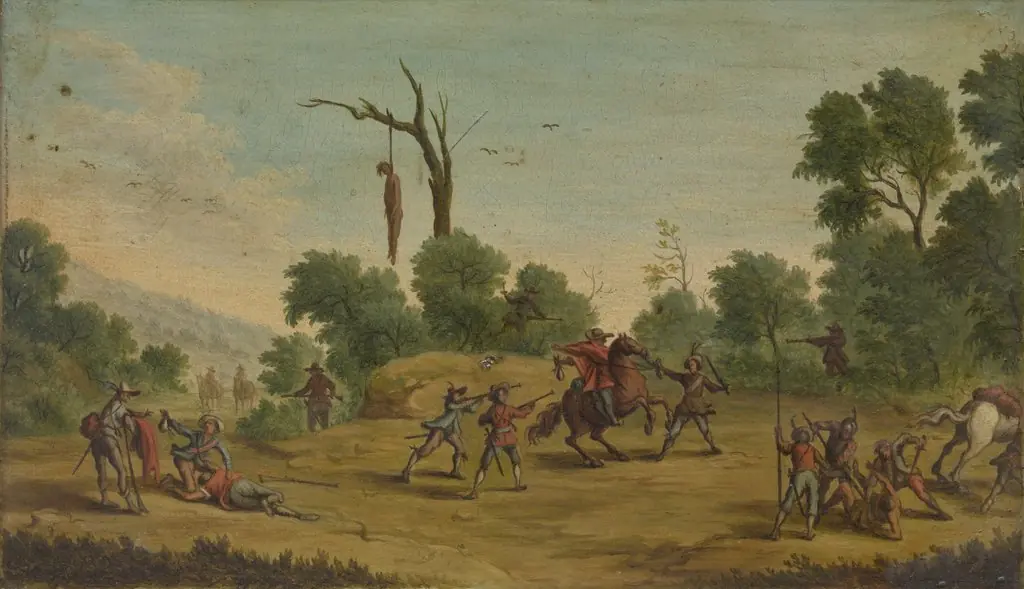 Horsemen Attacked by Robbers
 HOW WILL A COVERED PART BE CORRECTED?HOW WIKA A COVERED HEART DEED CORRECTED?
![Christ Walking on the Water [second plate], by Jacques Callot](https://artifactworldgallery.com/img/jacques-callot--christ-walking-on-the-water-second-plate--2069f3bfe4cb2126-w320.webp) Christ Walking on the Water [second plate]
Christ Walking on the Water [second plate]
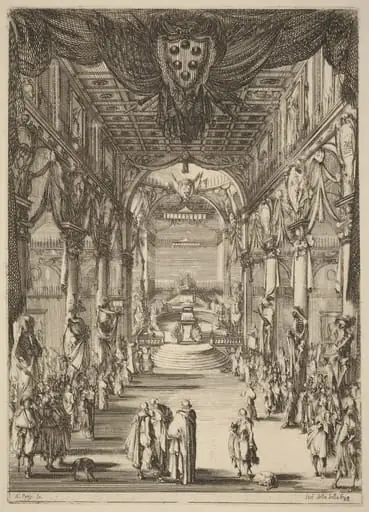 Funeral of Prince Francesco de Medici
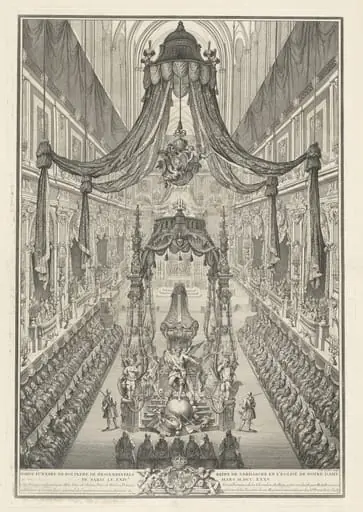 Pompe funèbre de Polixène de Hesse-Rhinfels
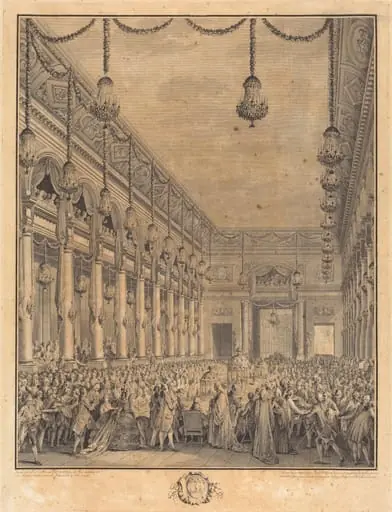 Le festin royal
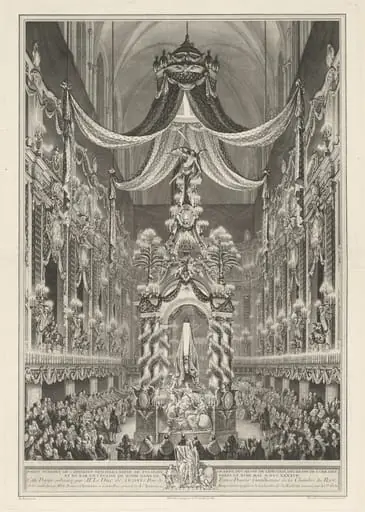 Pompe funèbre de Catherine Opalinska
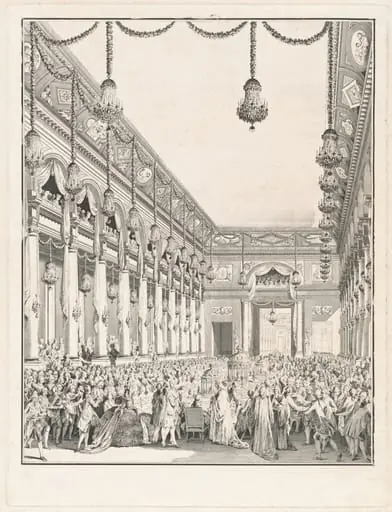 Le festin royal - Fête donnée à l'occasion de la naissance de Monseigneur le Dauphin, 21 janvier 1782
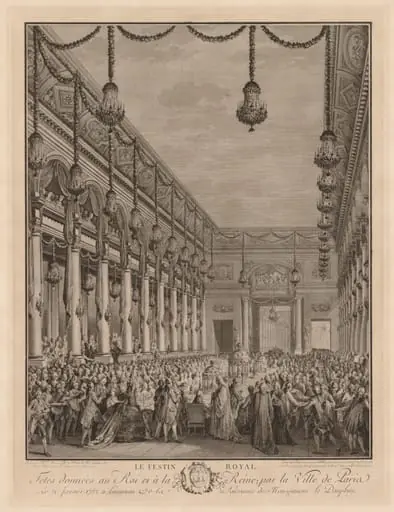 The Royal Banquet
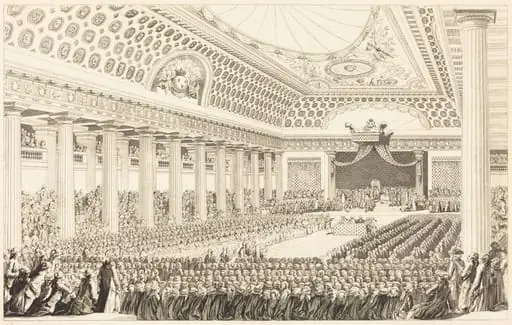 Ouverture des Etats-Généraux à Versailles, le 5 mars 1789
 Pompe funèbre d'Élisabeth Therèse de Lorraine