Artwork
The Crowning with Thorns
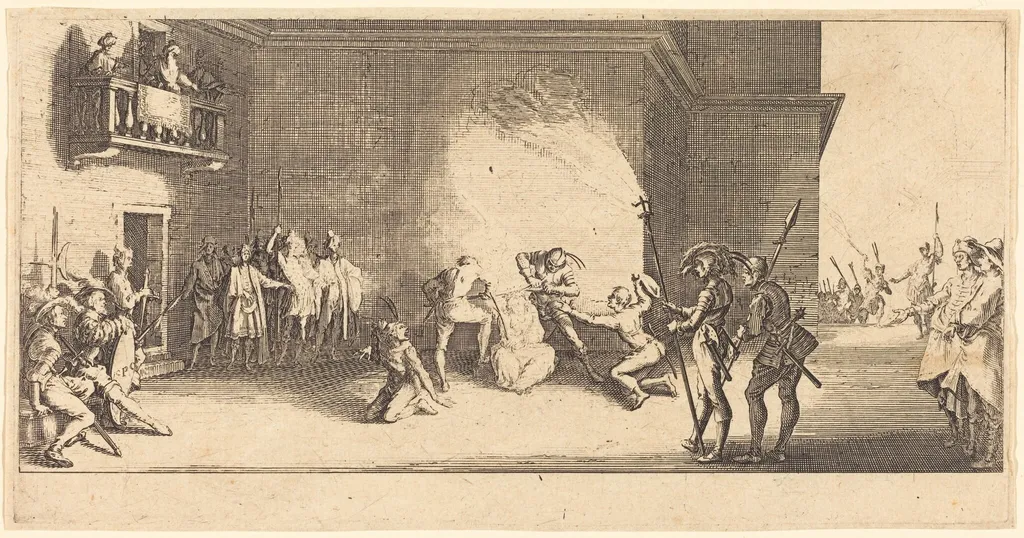
The Crowning with Thorns is an ink print by the Baroque artist Jacques Callot. It dates from 1618 and is held in the collection of the National Gallery of Art.
About this work
Overview
Created around 1618 by Jacques Callot, this print is an etching and engraving on laid paper, part of a vast body of work that includes over 1,400 prints.
Created around 1618 by Jacques Callot, this print is an etching and engraving on laid paper, part of a vast body of work that includes over 1,400 prints. Callot, from the Duchy of Lorraine, refined printmaking techniques to capture complex scenes with precision. This piece belongs to a series of religious subjects he produced during his early career, demonstrating his growing command of line and spatial depth.
Subject & Meaning
The scene depicts the moment of Christ’s mock coronation, as described in the Gospels. A central figure kneels beneath a crown of thorns, surrounded by figures wielding staffs and spears, their gestures conveying aggression and mockery. Distant observers frame the action, amplifying the isolation of the central figure. The composition emphasizes suffering and human cruelty, rendered without overt sentimentality.
Technique & Style
Callot combined etching’s fluid lines with engraving’s sharp incisions to achieve fine detail and tonal variation. The dense clustering of figures contrasts with the sparse, receding background, creating a sense of claustrophobia and spatial depth. His use of cross-hatching and varied line weight enhances the emotional intensity, while the paper’s texture subtly contributes to the work’s tactile presence.
History & Provenance
The print was made during Callot’s formative years, likely before his move to Florence. It circulated among collectors and artists in northern Italy and France, where his technical innovations were widely admired. Though specific early ownership records are scarce, the work’s survival in multiple institutional collections attests to its early recognition within printmaking circles.
Context
In early 17th-century Europe, religious imagery remained central to print culture, especially amid the Counter-Reformation. Callot’s approach diverged from idealized depictions, favoring gritty realism and psychological tension. His focus on crowd dynamics and physical suffering aligned with broader trends in Baroque art, while his technical rigor set new standards for narrative printmaking.
Legacy
Callot’s innovations in etching influenced generations of printmakers, particularly in their ability to render complex scenes with clarity. *The Crowning with Thorns* exemplifies his contribution to elevating printmaking as a medium for serious narrative art. Though less famous than his war scenes, this work remains a key example of his early mastery and emotional restraint.
Artist & collection
Artist
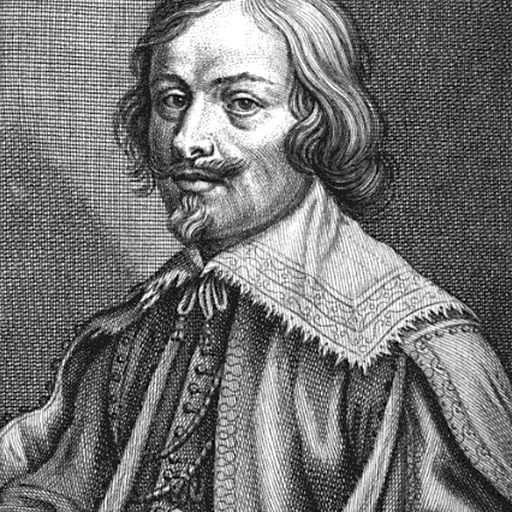
Jacques Callot was a baroque printmaker and draftsman from the Duchy of Lorraine.

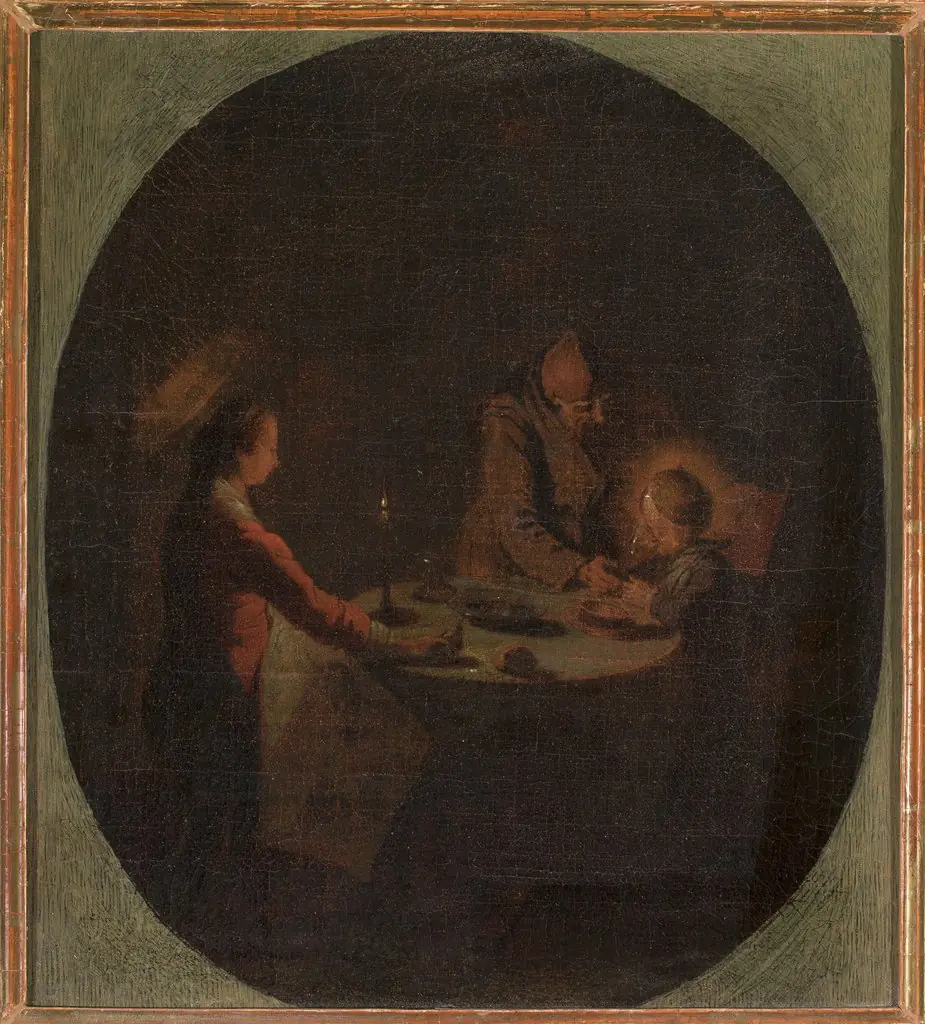 Holy Family at supper
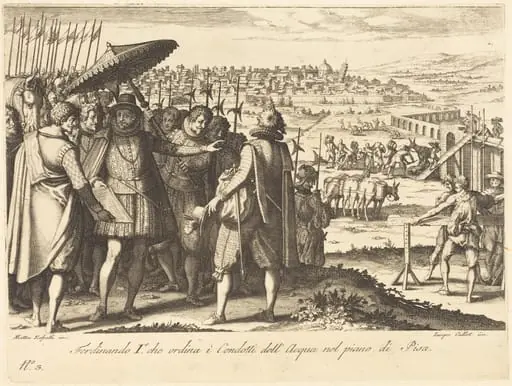 Restoration of the Aqueduct at Pisa
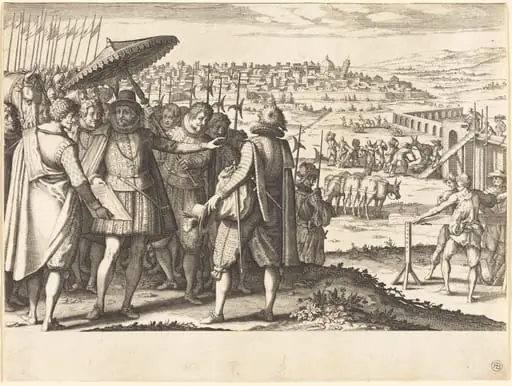 Restoration of the Aqueduct at Pisa
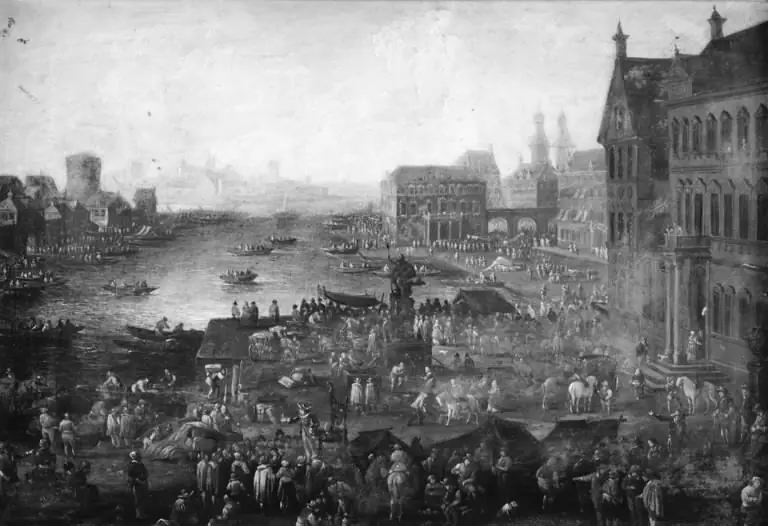 Square in Paris with Many Figures
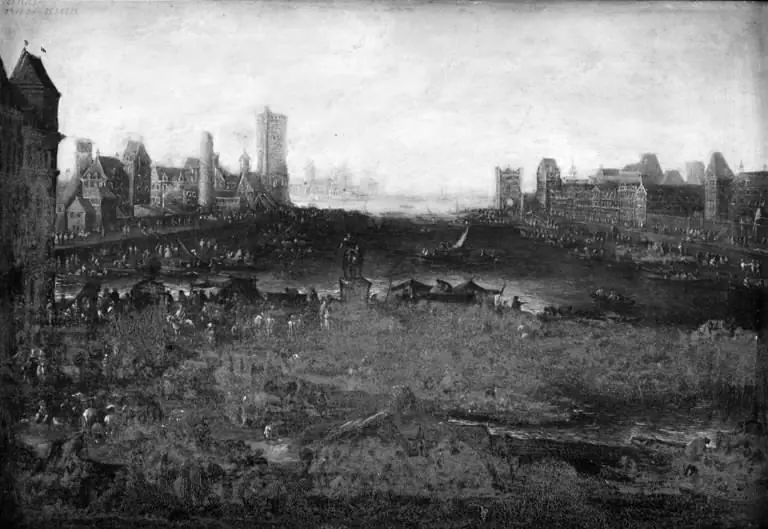 Square in Paris with Many Figures
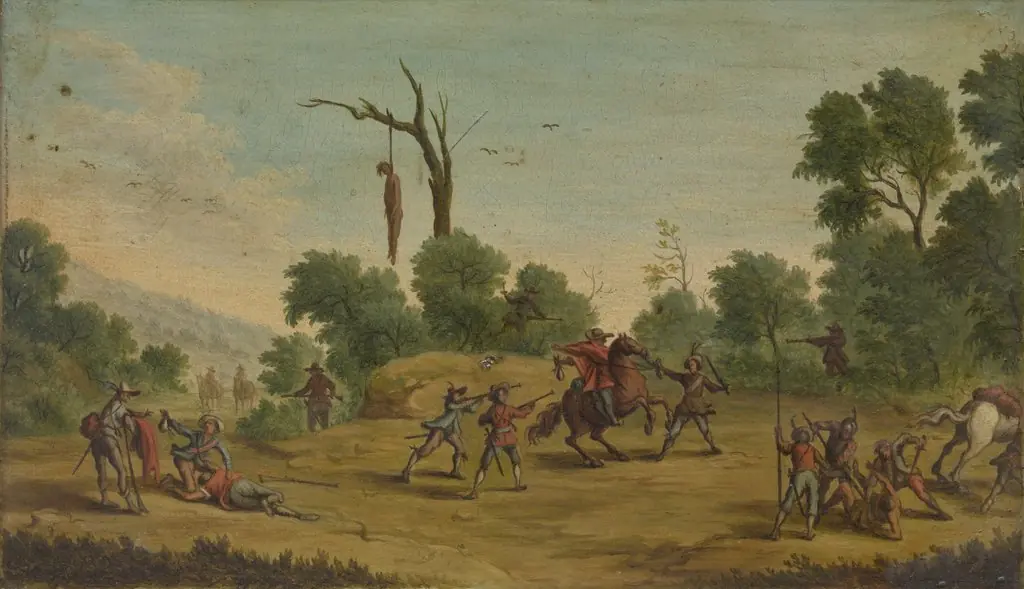 Horsemen Attacked by Robbers
 HOW WILL A COVERED PART BE CORRECTED?HOW WIKA A COVERED HEART DEED CORRECTED?
![Christ Walking on the Water [second plate], by Jacques Callot](https://artifactworldgallery.com/img/jacques-callot--christ-walking-on-the-water-second-plate--2069f3bfe4cb2126-w320.webp) Christ Walking on the Water [second plate]
Christ Walking on the Water [second plate]
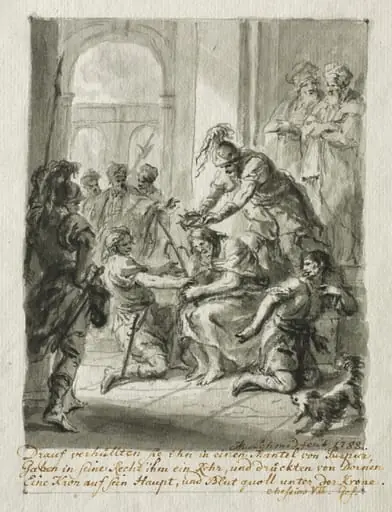 Christ Crowned with Thorns
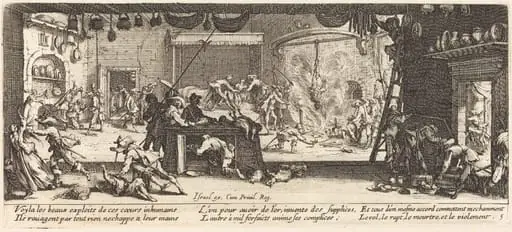 Plundering a Large Farmhouse
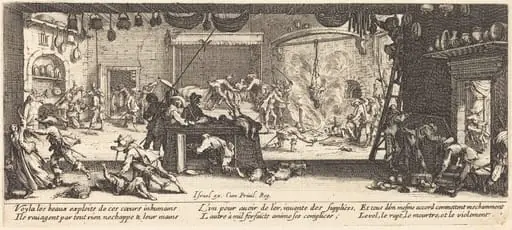 Plundering a Large Farmhouse
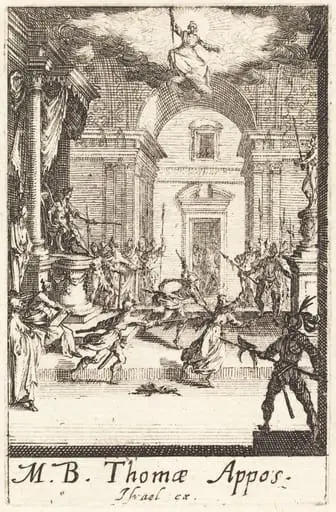 The Martyrdom of Saint Thomas
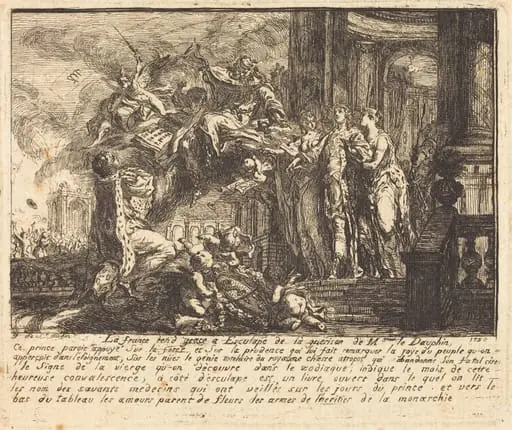 Allegory of the Dauphin's Convalescence (Allegorie sur la convalescence du Dauphin)
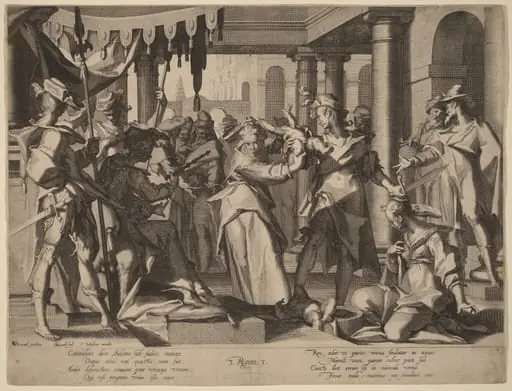 The Judgment of Solomon
![The Challenge [right], by Gabriel de Saint-Aubin](https://artifactworldgallery.com/img/gabriel-de-saint-aubin--the-challenge-right--75162e00e6876b27-w320.webp) The Challenge [right]
The Challenge [right]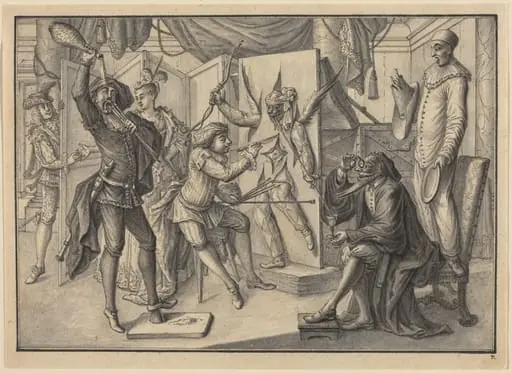 Mezzetin "Paints" a Portrait of Cupid by Cutting the Canvas to Reveal Harlequin
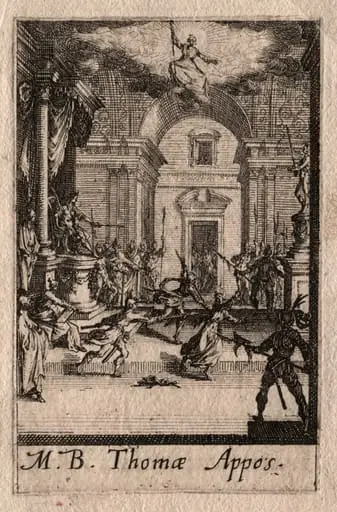 The Martyrdom of the Apostles: St. Thomas