Artwork
The Cult of God
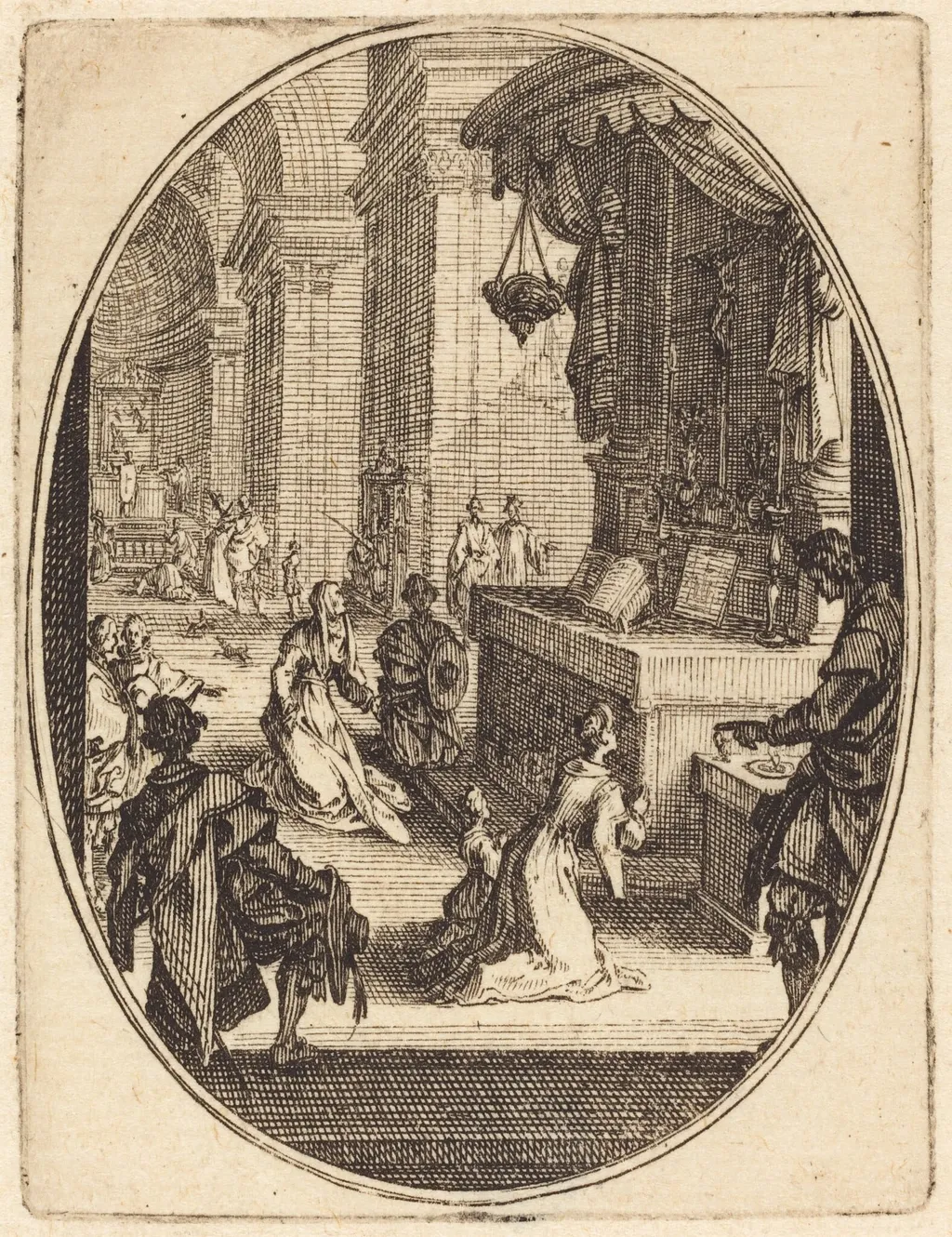
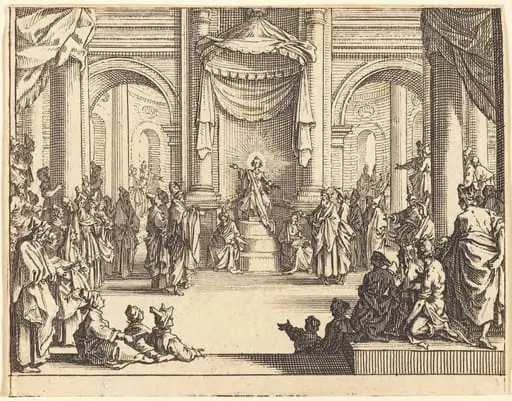
The Cult of God is an ink print by the Baroque artist Jacques Callot. It dates from 1627 and is held in the collection of the National Gallery of Art.
About this work
Overview
The Cult of God is an etching on laid paper created by French Baroque printmaker Jacques Callot around 1627. Characteristic of Callot's prolific output, this work showcases his technical skill in printmaking.
Subject & Meaning
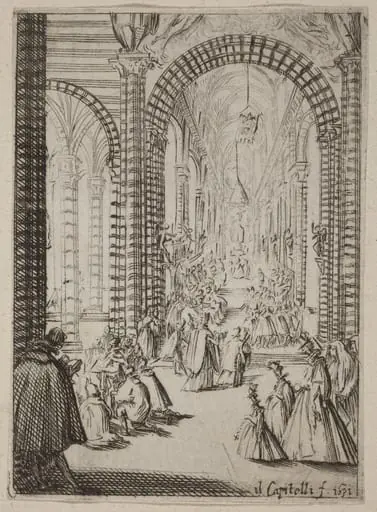
The print depicts a crowded, dimly lit interior scene with figures in antiquated attire, some kneeling, others standing or seated, amidst tall columns. A raised platform in the background and a figure in the foreground holding a book suggest a religious gathering or ritual, though the specific context is not explicitly defined.
Technique & Style
Callot employed fine etching lines to achieve detailed textures, particularly in fabrics and hair, lending a near three-dimensional quality to the two-dimensional print. Dramatic lighting with elongated shadows enhances the scene's depth and atmosphere.
History & Provenance
Created circa 1627, The Cult of God is part of Callot's extensive body of work (over 1,400 etchings) documenting various aspects of 17th-century life, including religious themes. Specific provenance details for this piece are not provided.
Context
Reflecting the Baroque era's emphasis on dramatic lighting and detailed composition, The Cult of God sits alongside Callot's broader oeuvre that included military, court, and everyday life scenes, offering a glimpse into the societal and religious practices of his time.
Legacy
As part of Callot's vast and varied etchings, The Cult of God contributes to the artist's influence on the development of printmaking techniques and the documentation of 17th-century European life and culture.
Artist & collection
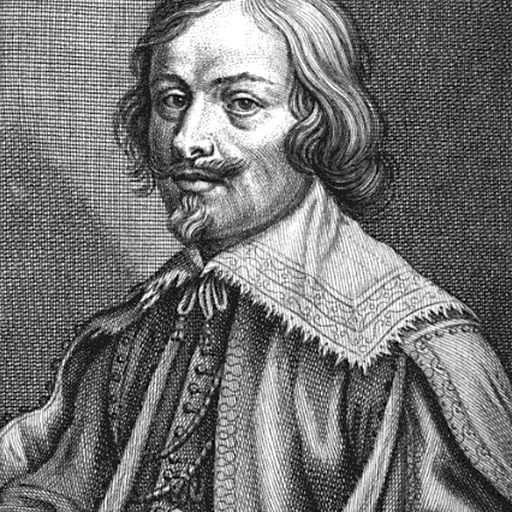
Artist
Jacques Callot was a baroque printmaker and draftsman from the Duchy of Lorraine.

 Holy Family at supper
 Restoration of the Aqueduct at Pisa
 Restoration of the Aqueduct at Pisa
 Square in Paris with Many Figures
 Square in Paris with Many Figures
 Horsemen Attacked by Robbers
 HOW WILL A COVERED PART BE CORRECTED?HOW WIKA A COVERED HEART DEED CORRECTED?
![Christ Walking on the Water [second plate], by Jacques Callot](https://artifactworldgallery.com/img/jacques-callot--christ-walking-on-the-water-second-plate--2069f3bfe4cb2126-w320.webp) Christ Walking on the Water [second plate]
Christ Walking on the Water [second plate]