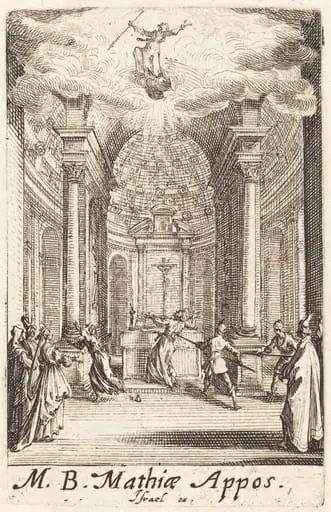
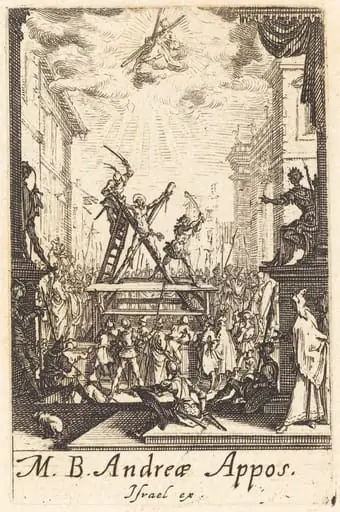
Artwork
The Martyrdom of Saint Matthew
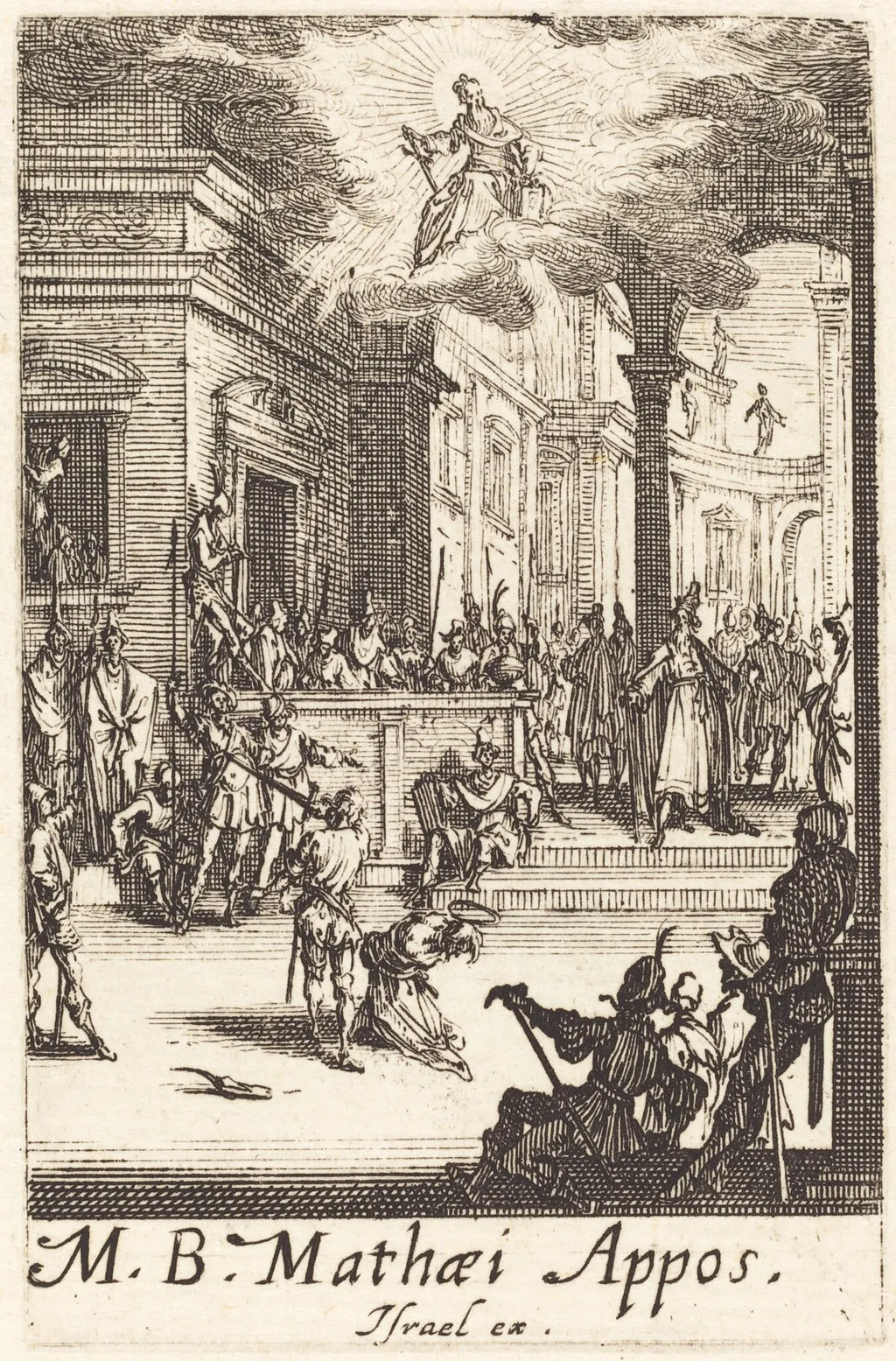
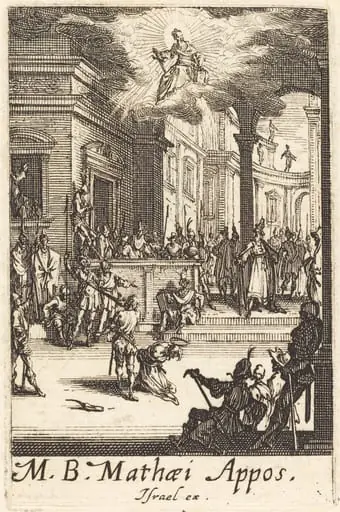
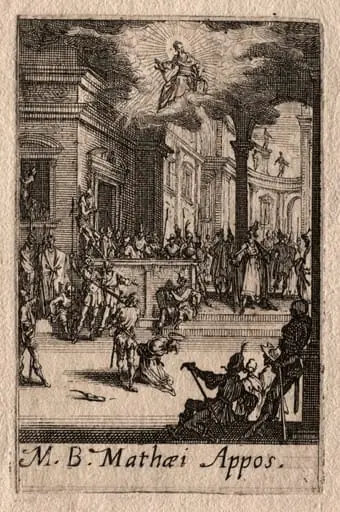
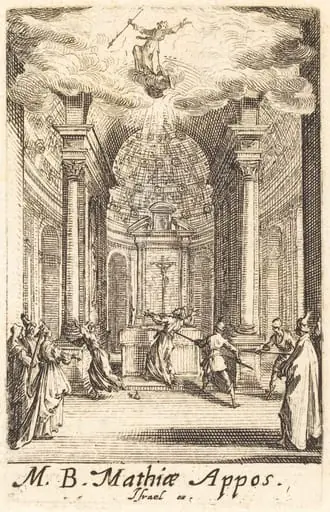
The Martyrdom of Saint Matthew is an ink print by the Baroque artist Jacques Callot. It dates from 1634 and is held in the collection of the National Gallery of Art.
About this work
Overview
Jacques Callot created this etching around 1634, capturing the death of Saint Matthew in a densely composed scene on laid paper.
Jacques Callot created this etching around 1634, capturing the death of Saint Matthew in a densely composed scene on laid paper. As one of over 1,400 prints he produced, it reflects his focus on religious narratives and dramatic human action. His technique emphasized fine, controlled lines to convey movement and tension, distinguishing his work within the Baroque print tradition of the early 17th century.
Subject & Meaning
The scene illustrates Saint Matthew’s execution by a soldier wielding a sword, surrounded by a tumultuous crowd. Onlookers react with alarm, pointing, and gazing upward, suggesting divine intervention or awe. The composition emphasizes the saint’s vulnerability amid chaos, reinforcing themes of sacrifice and martyrdom common in Counter-Reformation iconography, while avoiding overt sentimentality.
Technique & Style
Callot employed fine, incised lines to build depth and motion, using dense hatching and sharp contrasts to animate the crowd and architecture. The etching’s precision reveals his mastery of the medium, with layered textures in clothing, stone, and sky creating spatial complexity. The tight clustering of figures enhances the scene’s urgency, while architectural details anchor the chaos in a tangible, observed world.
History & Provenance
Produced during Callot’s mature period in Nancy, the print emerged from a time when religious imagery remained vital in Catholic regions despite political upheaval. Though its early ownership is undocumented, it aligns with his broader output circulated among collectors and clergy. The work survives in multiple institutional collections, testament to its enduring presence in print portfolios of the era.
Context
Callot worked amid the Thirty Years’ War, where religious conflict shaped artistic themes. His etchings often merged sacred narratives with contemporary realism, reflecting both devotional needs and public interest in dramatic storytelling. This print’s urban setting and detailed architecture echo his interest in documenting social environments, bridging biblical events with the lived experience of his time.
Legacy
Callot’s technical innovations in etching influenced generations of printmakers, particularly in the use of fine line and compositional density. While less celebrated than his war scenes, this religious work exemplifies his ability to convey emotional gravity through meticulous draftsmanship. It remains a reference point for understanding how Baroque printmakers translated sacred drama into intimate, accessible formats.
Artist & collection
Artist
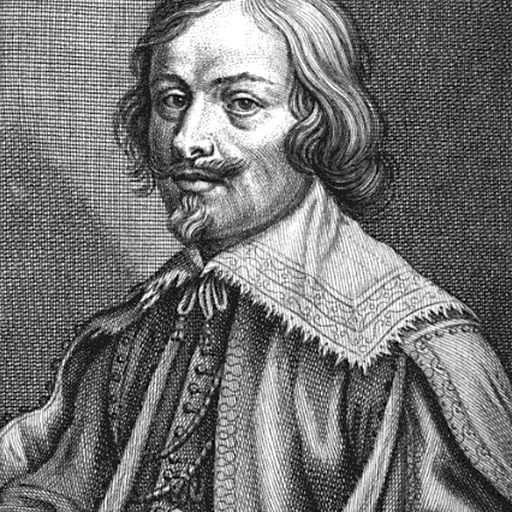
Jacques Callot was a baroque printmaker and draftsman from the Duchy of Lorraine.

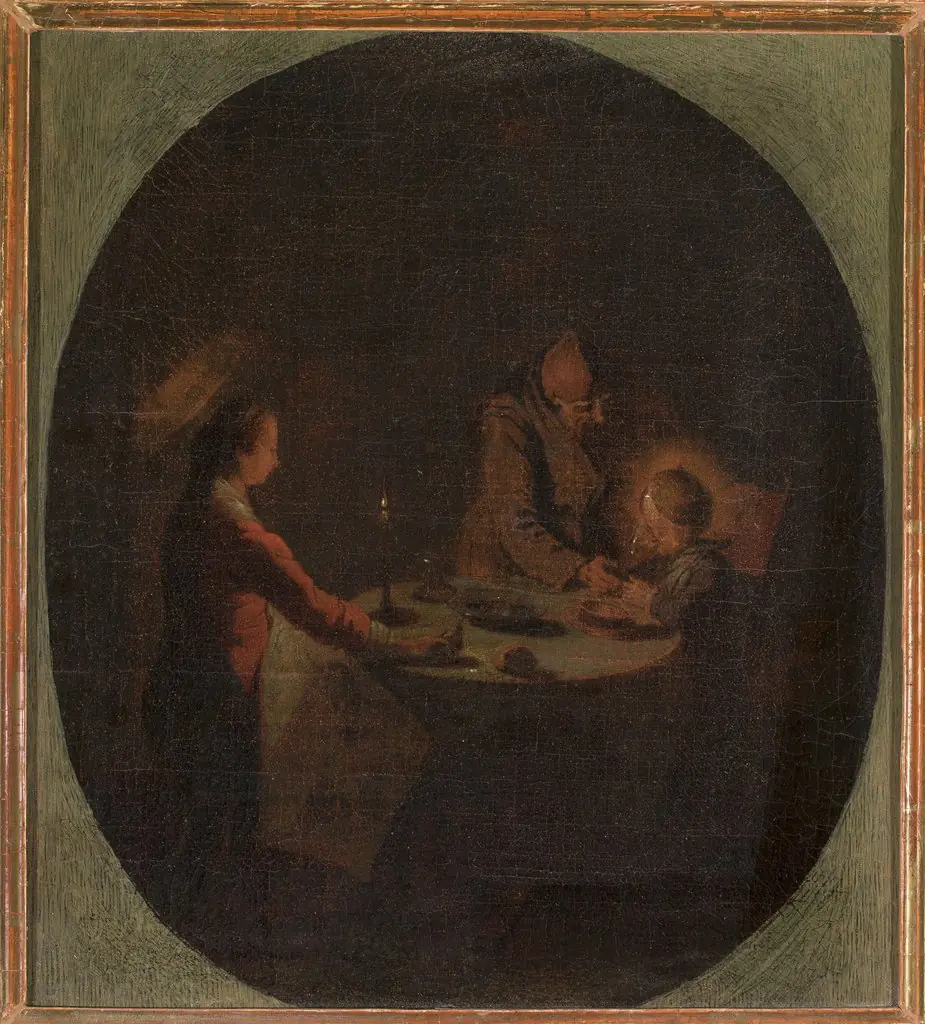 Holy Family at supper
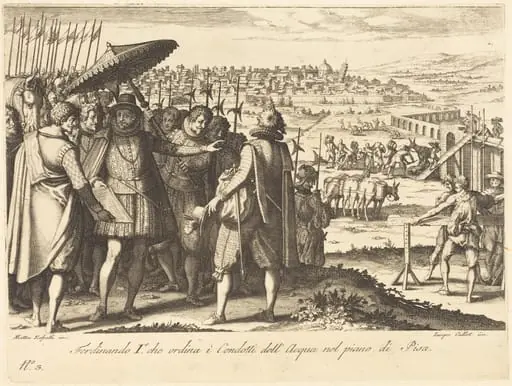 Restoration of the Aqueduct at Pisa
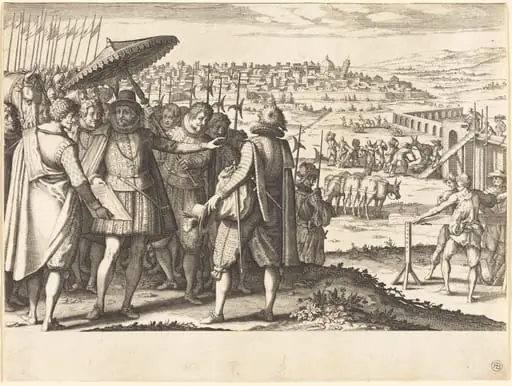 Restoration of the Aqueduct at Pisa
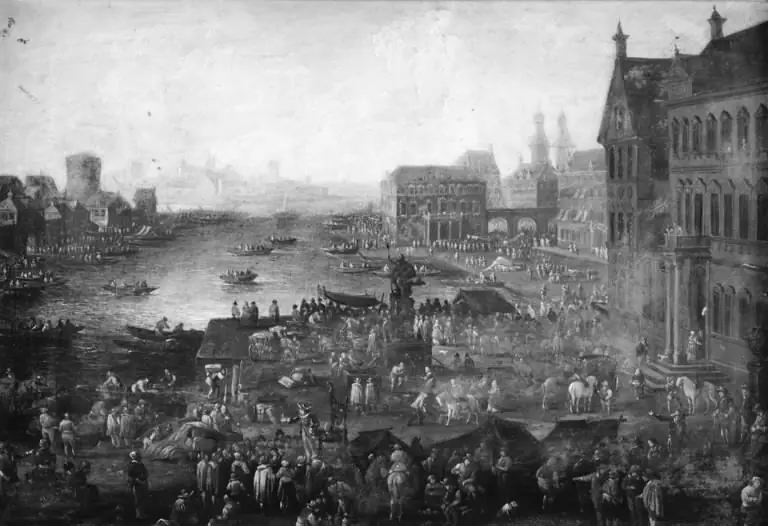 Square in Paris with Many Figures
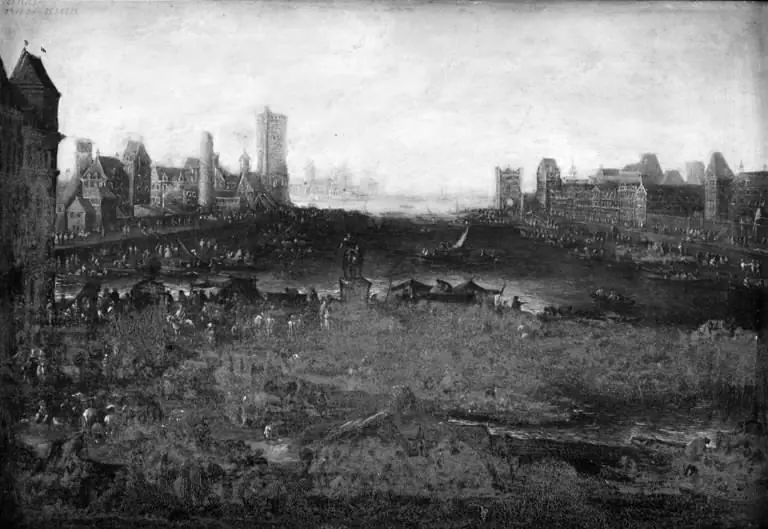 Square in Paris with Many Figures
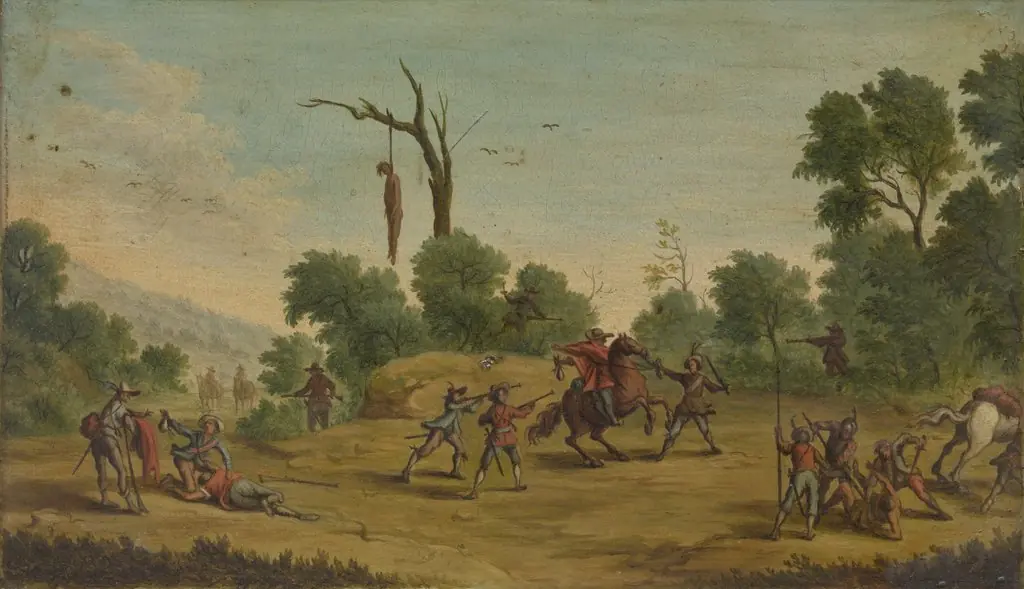 Horsemen Attacked by Robbers
 HOW WILL A COVERED PART BE CORRECTED?HOW WIKA A COVERED HEART DEED CORRECTED?
![Christ Walking on the Water [second plate], by Jacques Callot](https://artifactworldgallery.com/img/jacques-callot--christ-walking-on-the-water-second-plate--2069f3bfe4cb2126-w320.webp) Christ Walking on the Water [second plate]
Christ Walking on the Water [second plate]