Artwork
The Death of the Virgin
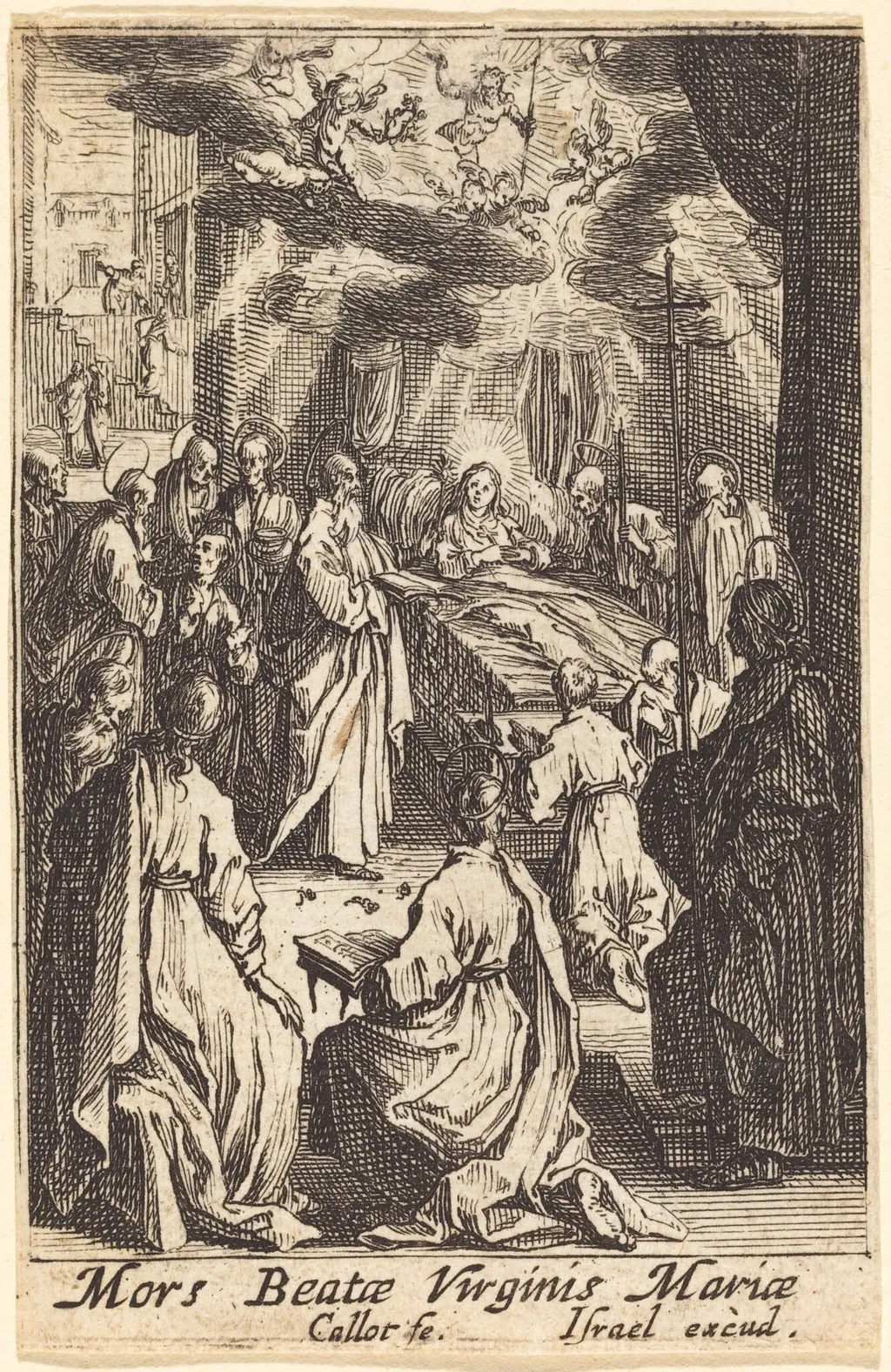
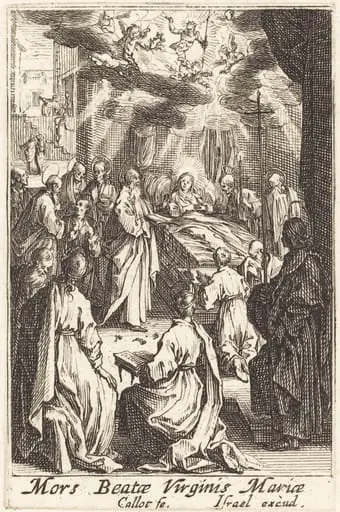
The Death of the Virgin is an ink print by the Baroque artist Jacques Callot. It dates from 1634 and is held in the collection of the National Gallery of Art. Created circa 1634, this etching on laid paper portrays the Virgin Mary at the moment of her death.
About this work
Overview
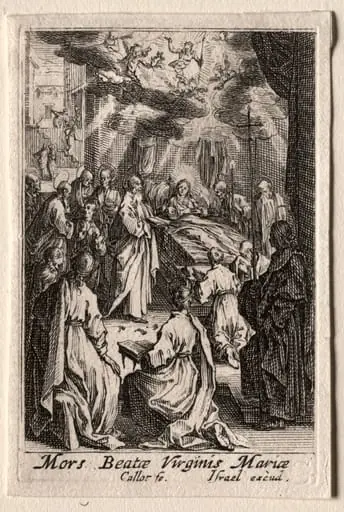
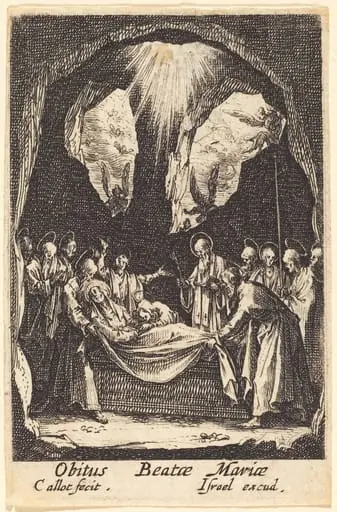
Created circa 1634, this etching on laid paper portrays the Virgin Mary at the moment of her death. The composition centers on the reclining figure, swathed in a white shroud, surrounded by mourners in long robes whose solemn gestures convey reverence and grief.
Subject & Meaning
The work visualizes the final hours of Mary, emphasizing her serene expression amid the surrounding sorrow. The gathering of figures, some kneeling, underscores the theological significance of her passing and invites contemplation of her role within Christian tradition.
Technique & Style
Executed with fine, delicate lines, the etching demonstrates Callot’s mastery of the medium, employing intricate hatching to render textures of fabric and flesh. The careful rendering of landscape elements in the background reflects the baroque interest in detailed, atmospheric settings.
History & Provenance
Jacques Callot, a prolific French printmaker from the Duchy of Lorraine, produced over 1,400 etchings during his career. This piece belongs to his extensive series of religious subjects, created at a time when printmaking served both devotional and documentary purposes.
Context
The image aligns with early‑17th‑century baroque print traditions that combined dramatic narrative with meticulous detail. Callot’s work often merged religious themes with observations of contemporary life, situating this depiction of the Virgin within the broader visual culture of his era.
Artist & collection
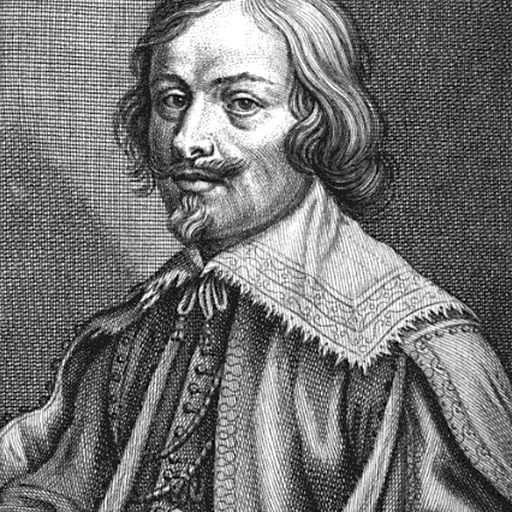
Artist
Jacques Callot was a baroque printmaker and draftsman from the Duchy of Lorraine.

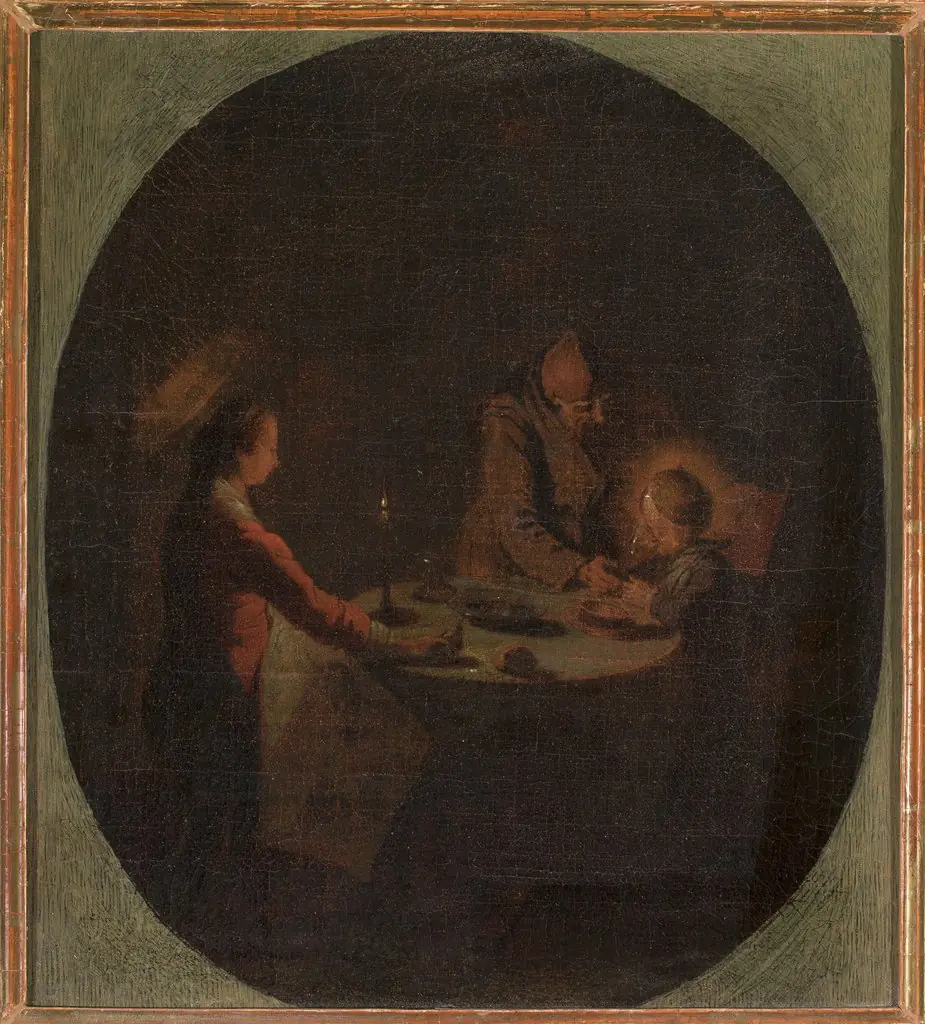 Holy Family at supper
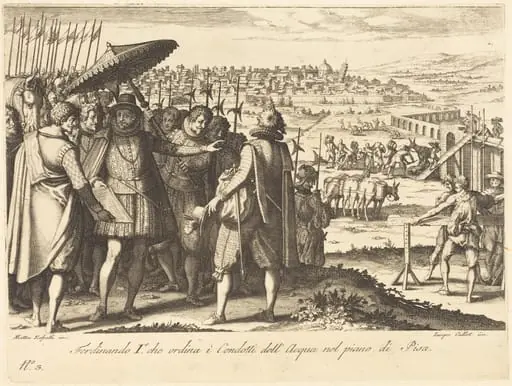 Restoration of the Aqueduct at Pisa
 Restoration of the Aqueduct at Pisa
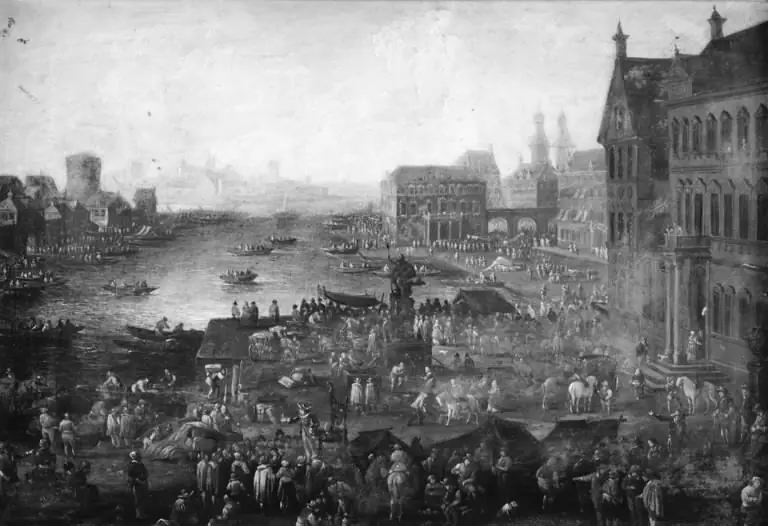 Square in Paris with Many Figures
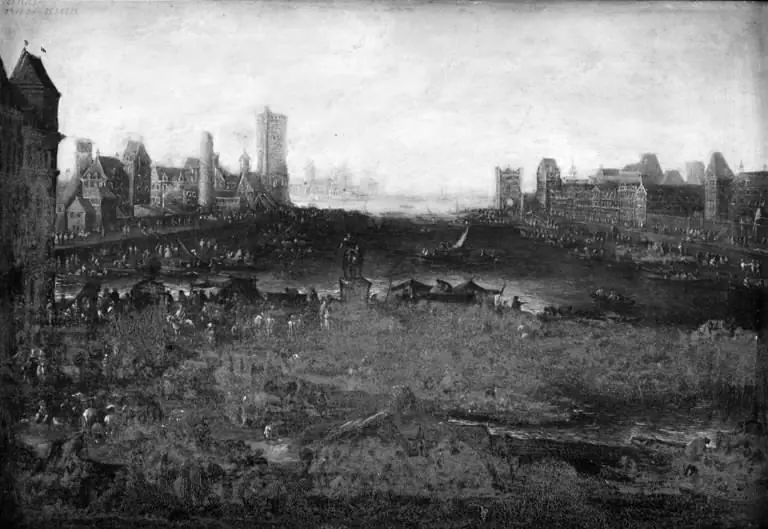 Square in Paris with Many Figures
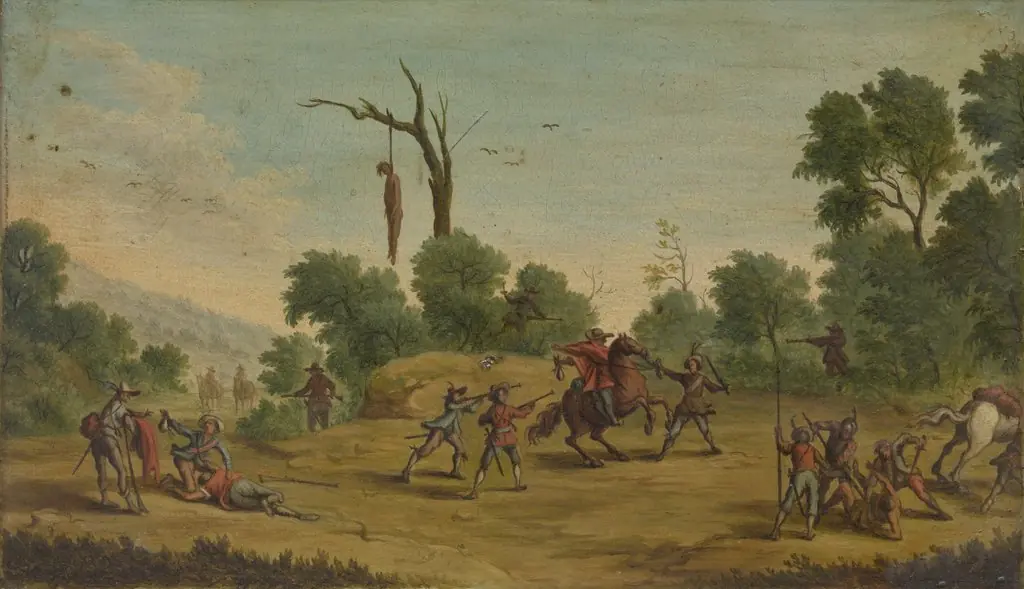 Horsemen Attacked by Robbers
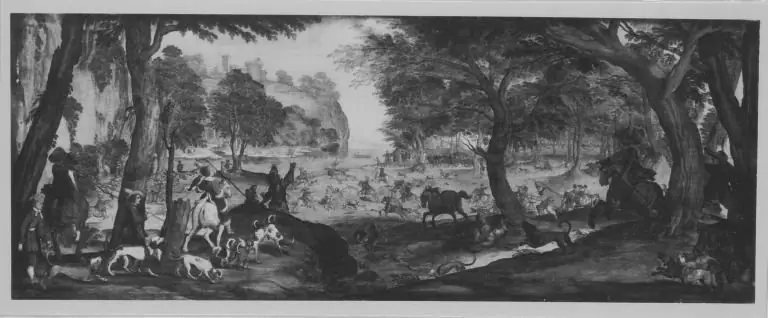 HOW WILL A COVERED PART BE CORRECTED?HOW WIKA A COVERED HEART DEED CORRECTED?
![Christ Walking on the Water [second plate], by Jacques Callot](https://artifactworldgallery.com/img/jacques-callot--christ-walking-on-the-water-second-plate--2069f3bfe4cb2126-w320.webp) Christ Walking on the Water [second plate]
Christ Walking on the Water [second plate]