Artwork
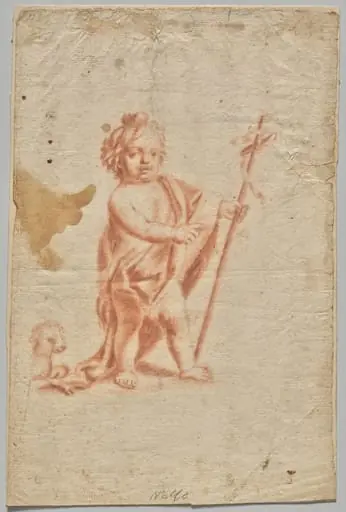
The Young Jesus
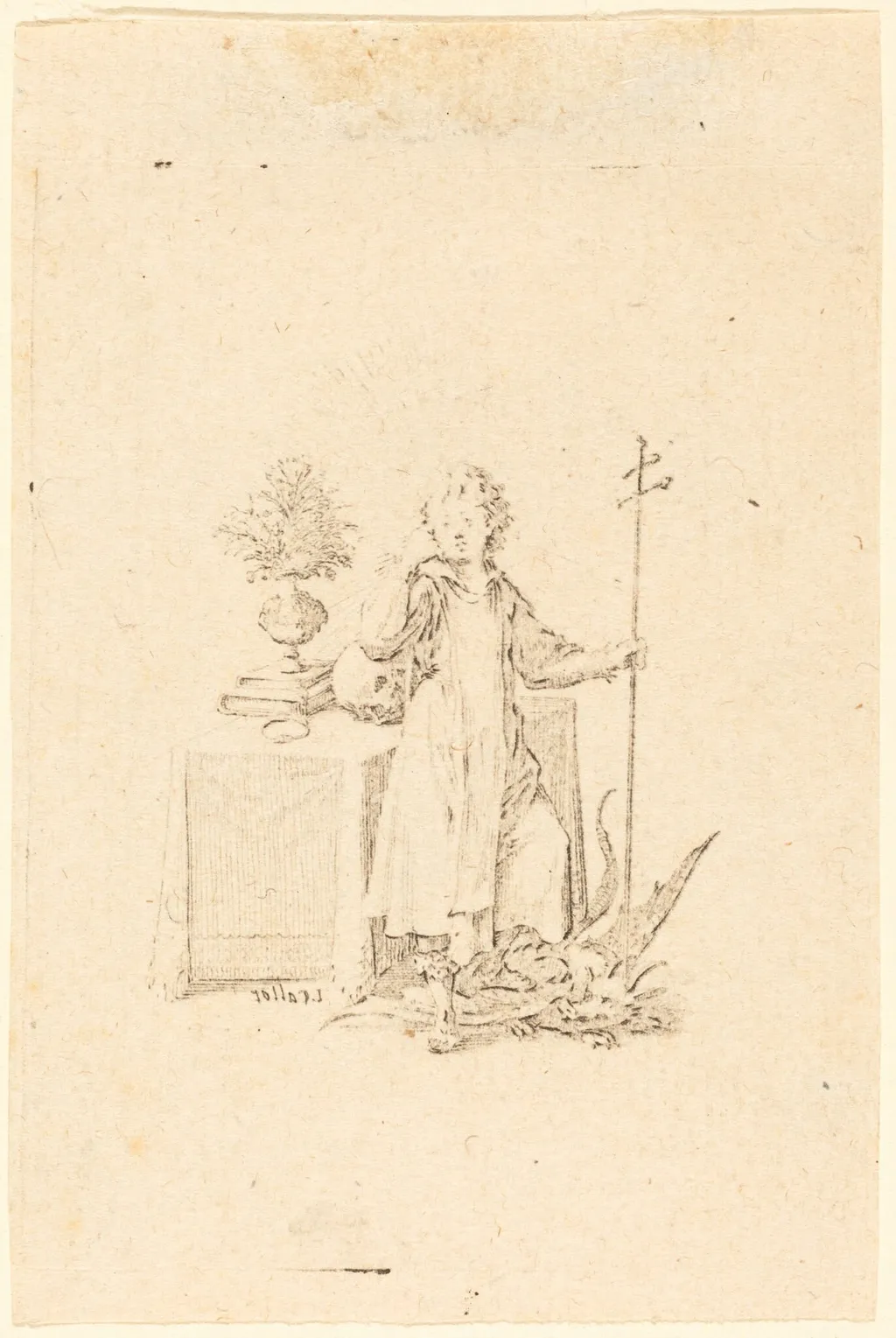
The Young Jesus is an ink print by the Renaissance artist Jacques Callot. It dates from 1620 and is held in the collection of the National Gallery of Art.
About this work
Overview
Created in 1620 by Jacques Callot, this etching on laid paper is a counterproof—a reversed impression taken from the original plate after an initial print.
Created in 1620 by Jacques Callot, this etching on laid paper is a counterproof—a reversed impression taken from the original plate after an initial print. As one of over 1,400 prints by the Lorraine-born artist, it exemplifies his technical precision and interest in religious themes. The work’s reversed image suggests it was made to study or preserve the composition, rather than for public distribution.
Subject & Meaning
The figure, interpreted as a youthful Christ, stands calmly beside a table bearing a potted plant with a pinecone and a coiled serpent. The plant may symbolize life or resurrection, while the serpent alludes to temptation and the fall. The quiet posture and minimal setting invite contemplation, suggesting a moment of spiritual stillness before public ministry, subtly framing the scene as an early sign of divine purpose.
Technique & Style
Callot employed fine-line etching, scratching details into a metal plate coated with wax, then acid-bitten to create grooves that held ink. The counterproof reveals his mastery of delicate linework, especially in rendering fabric folds, foliage, and the sinuous form of the serpent. The texture of the laid paper enhances the tactile quality, while the reversed image underscores the printmaking process’s inherent reversibility.
History & Provenance
The print originates from Callot’s active period in Nancy and Paris, where he produced religious and genre scenes for collectors and patrons. As a counterproof, it likely served as a working copy for the artist’s own reference or for transmission to assistants. Its survival reflects the value placed on his prints during the early 17th century, though its specific early ownership remains undocumented.
Context
In early 17th-century Europe, religious imagery remained central to print culture, even as secular subjects gained prominence. Callot’s work bridged devotional themes with keen observation of the natural world, reflecting broader Baroque interests in symbolism and detail. His depictions of Christ often avoided grandeur, favoring intimate, humanized moments that resonated with private devotion.
Legacy
Callot’s etchings influenced generations of printmakers through their technical innovation and narrative nuance. While *The Young Jesus* is not among his most widely reproduced works, its quiet symbolism and refined execution exemplify his ability to convey spiritual depth through subtle visual cues. It remains a testament to the role of print as a medium for personal and theological reflection.
Artist & collection
Artist
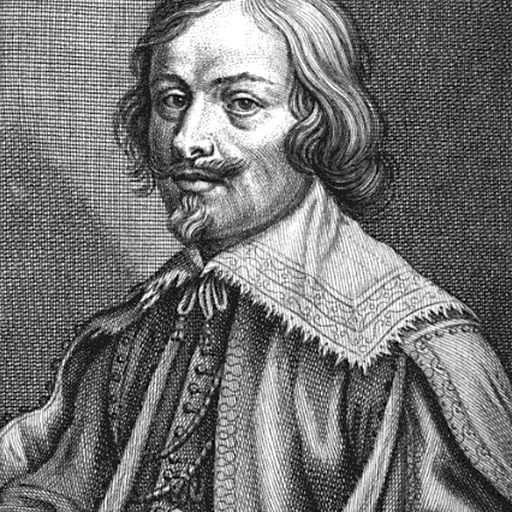
Jacques Callot was a baroque printmaker and draftsman from the Duchy of Lorraine.

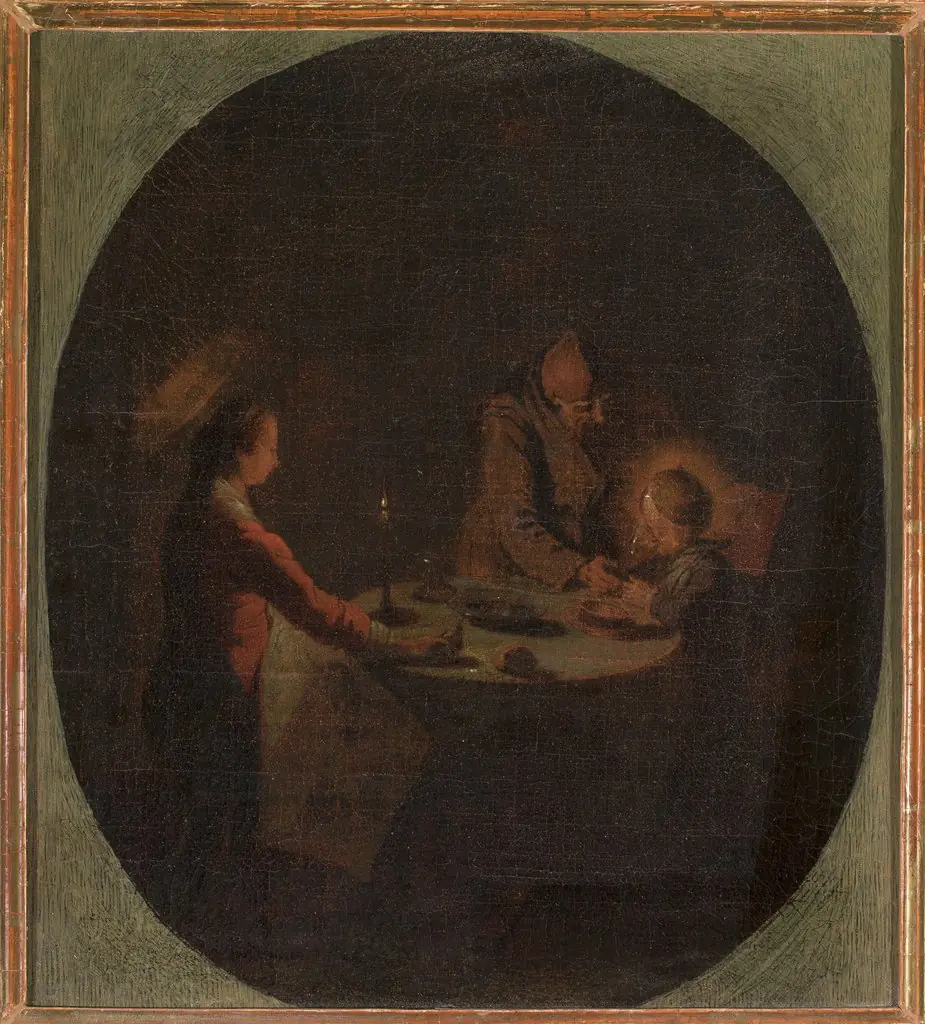 Holy Family at supper
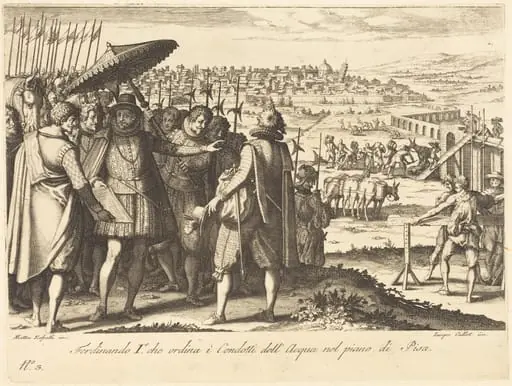 Restoration of the Aqueduct at Pisa
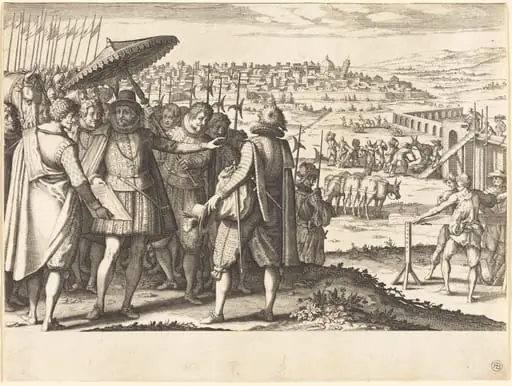 Restoration of the Aqueduct at Pisa
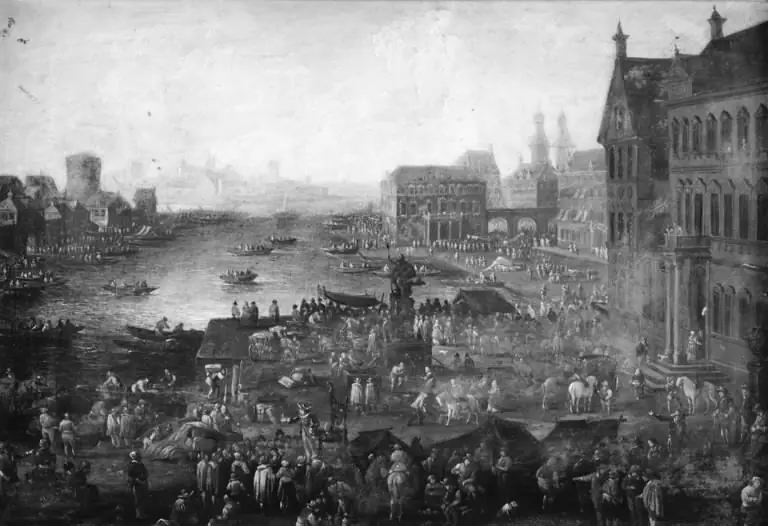 Square in Paris with Many Figures
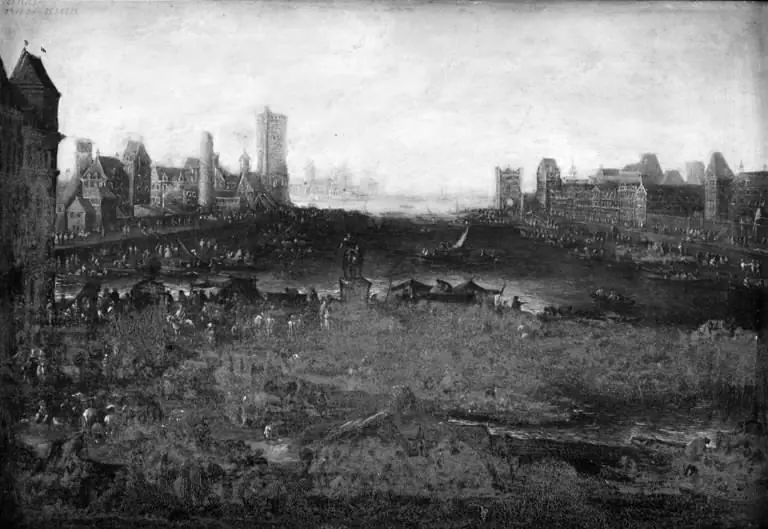 Square in Paris with Many Figures
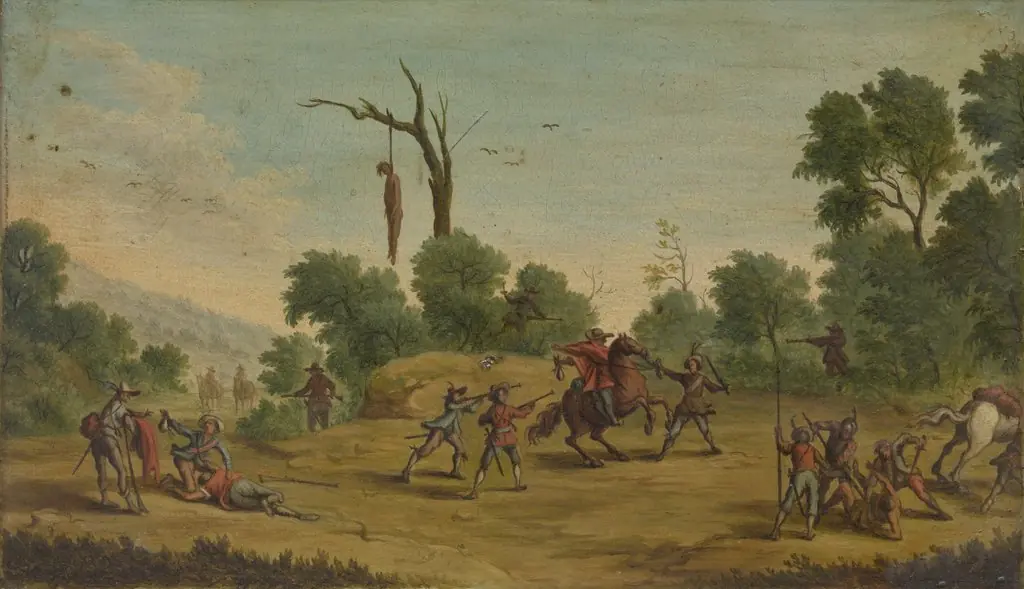 Horsemen Attacked by Robbers
 HOW WILL A COVERED PART BE CORRECTED?HOW WIKA A COVERED HEART DEED CORRECTED?
![Christ Walking on the Water [second plate], by Jacques Callot](https://artifactworldgallery.com/img/jacques-callot--christ-walking-on-the-water-second-plate--2069f3bfe4cb2126-w320.webp) Christ Walking on the Water [second plate]
Christ Walking on the Water [second plate]