Artwork
Grand Canal: Looking North-East toward the Rialto Bridge
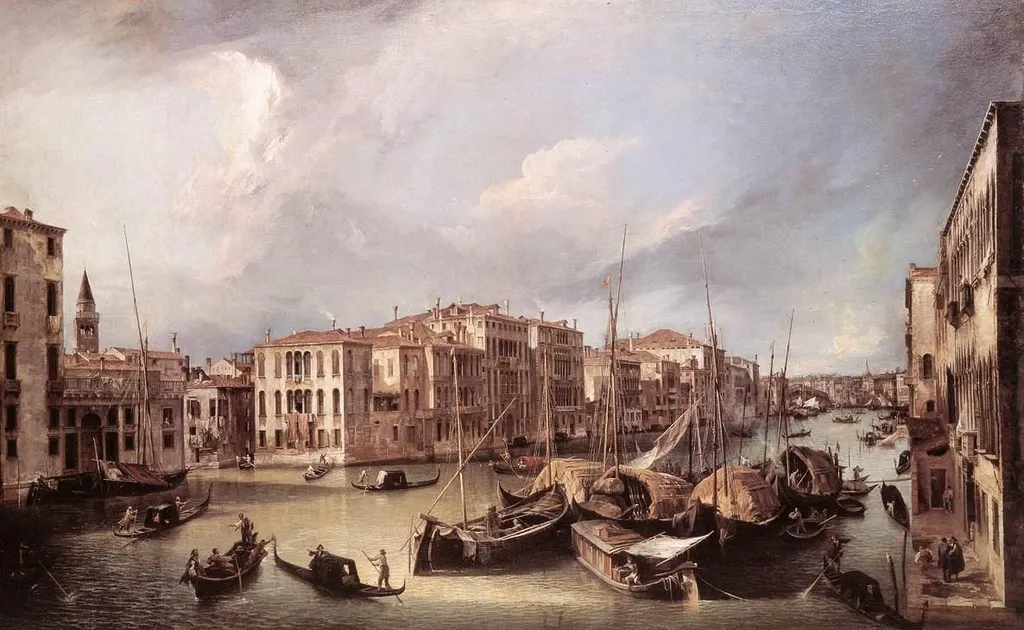
Grand Canal: Looking North-East toward the Rialto Bridge is an oil painting by the Rococo painting artist Canaletto. It dates from 1724 and is held in the collection of the Staatliche Kunstsammlungen Dresden.
About this work
Overview
Painted in 1724, this oil on canvas depicts a view of Venice’s Grand Canal as seen from a point south of the Rialto Bridge, looking northeast.
Painted in 1724, this oil on canvas depicts a view of Venice’s Grand Canal as seen from a point south of the Rialto Bridge, looking northeast. The artist, Giovanni Antonio Canal—better known as Canaletto—specialized in precise urban landscapes of his native city. The composition captures the canal’s bustling waterway and architectural rhythm, reflecting a growing interest in topographical accuracy during the early 18th century.
Subject & Meaning
The painting presents the Grand Canal as a living artery of Venetian commerce and social life. The Rialto Bridge, a key commercial hub, anchors the distant horizon, while gondolas and barges populate the water. No overt narrative is present; instead, the work conveys the ordered vitality of Venice through its architecture and daily activity, appealing to patrons seeking authentic representations of the city.
Technique & Style
Canaletto employed fine brushwork and careful linear perspective to render buildings with architectural fidelity. Light is rendered with subtle gradations, enhancing the sense of atmosphere and depth. The palette favors cool blues, soft ochres, and muted reds, avoiding dramatic contrasts in favor of clarity and spatial harmony. His method combined direct observation with studio refinement, producing views that felt both accurate and composed.
History & Provenance
Created during Canaletto’s early career, the painting was likely commissioned by a foreign traveler or collector drawn to Venice’s visual grandeur. It entered the collection of the Gemäldegalerie Alte Meister in Dresden in the 18th century, possibly through the Saxon court’s acquisition of Venetian views. Its preservation reflects the enduring European interest in Venetian topography as cultural artifact.
Context
In the 1720s, Venice was transitioning from political decline to cultural tourism. Canaletto’s works catered to Grand Tour travelers seeking souvenirs of the city’s splendor. His paintings offered a blend of documentary precision and aesthetic order, aligning with Enlightenment ideals of observation and rational beauty. This piece stands as part of a broader genre that redefined urban representation in European art.
Legacy
Canaletto’s approach influenced later topographical painters and helped establish the veduta as a respected genre. His attention to architectural detail and atmospheric light became benchmarks for accuracy in landscape painting. Though his style was later eclipsed by Romanticism, his works remain vital records of Venice’s urban fabric in the early modern period.
Artist & collection
Artist
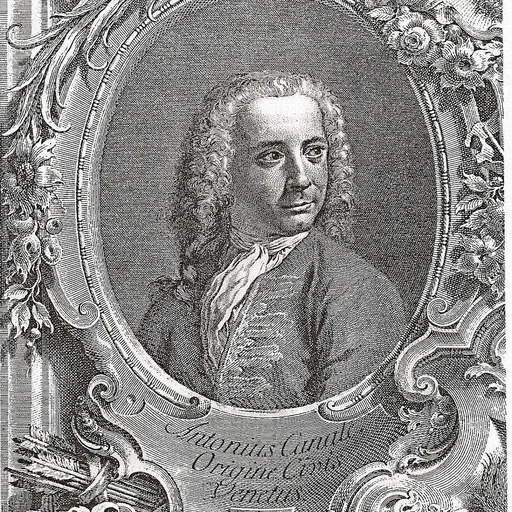
Giovanni Antonio Canal (18 October 1697 – 19 April 1768), commonly known as Canaletto (Italian: ), was an Italian painter from the Republic of Venice, considered an important member of the 18th-century Venetian school.

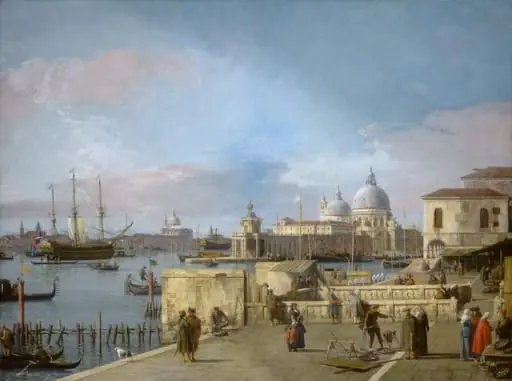
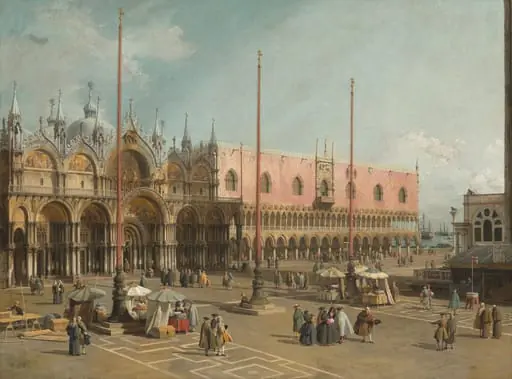
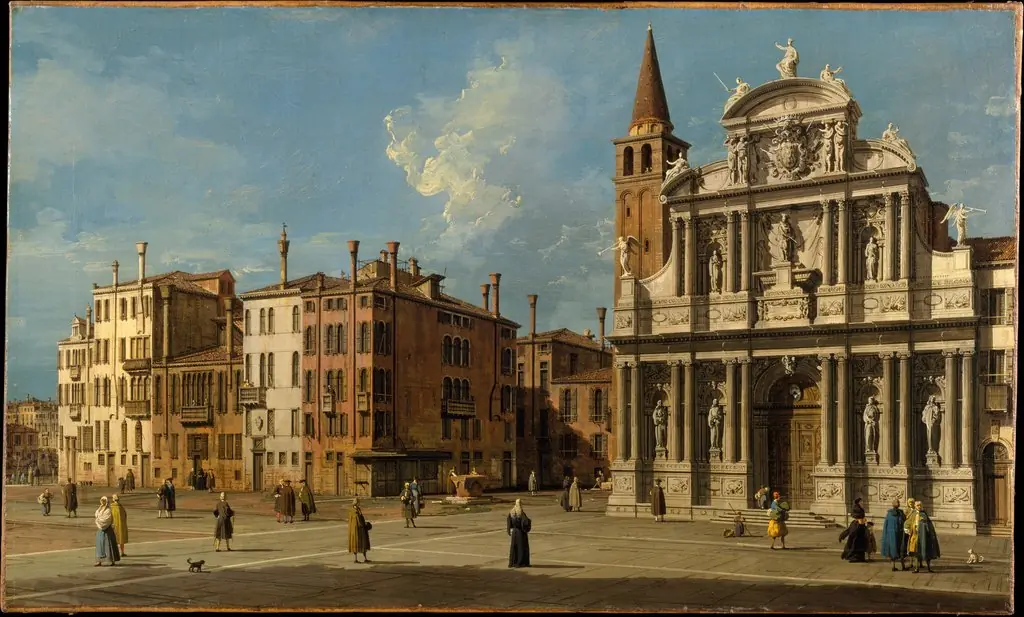
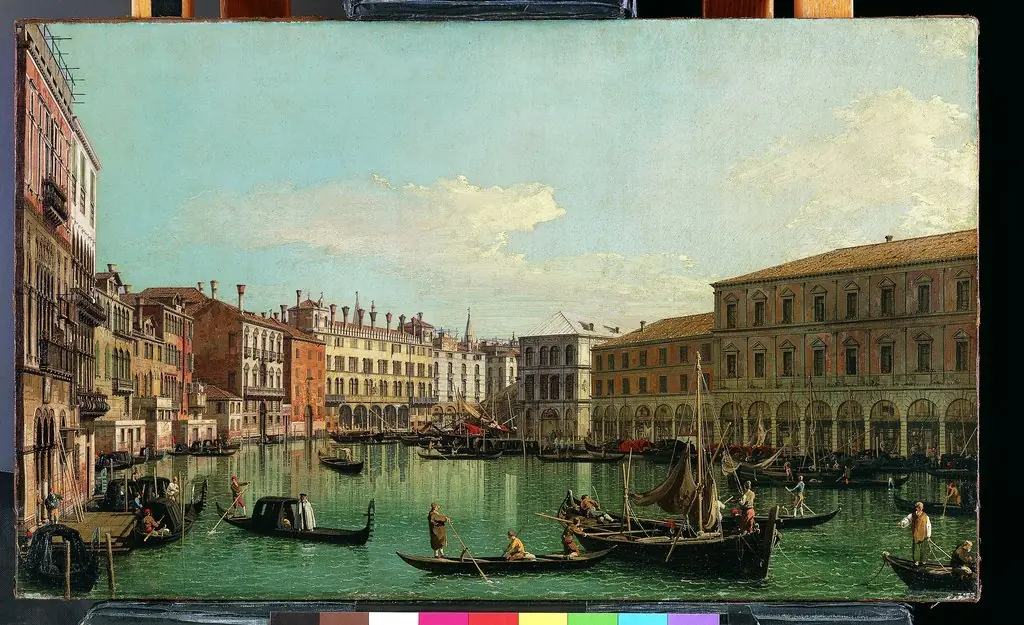
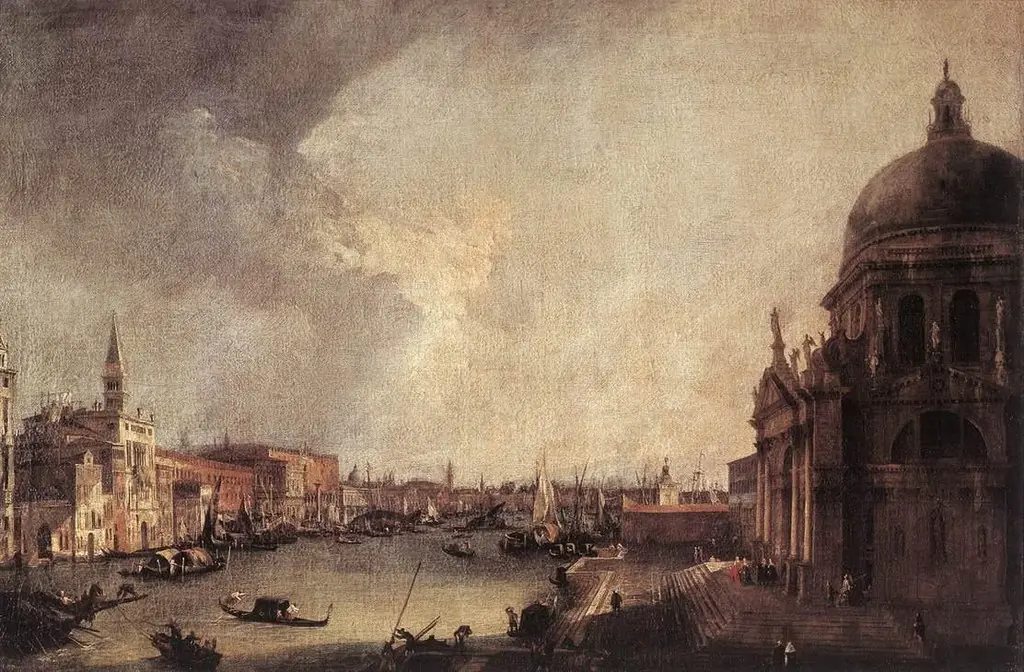 Entrance to the Grand Canal: Looking East
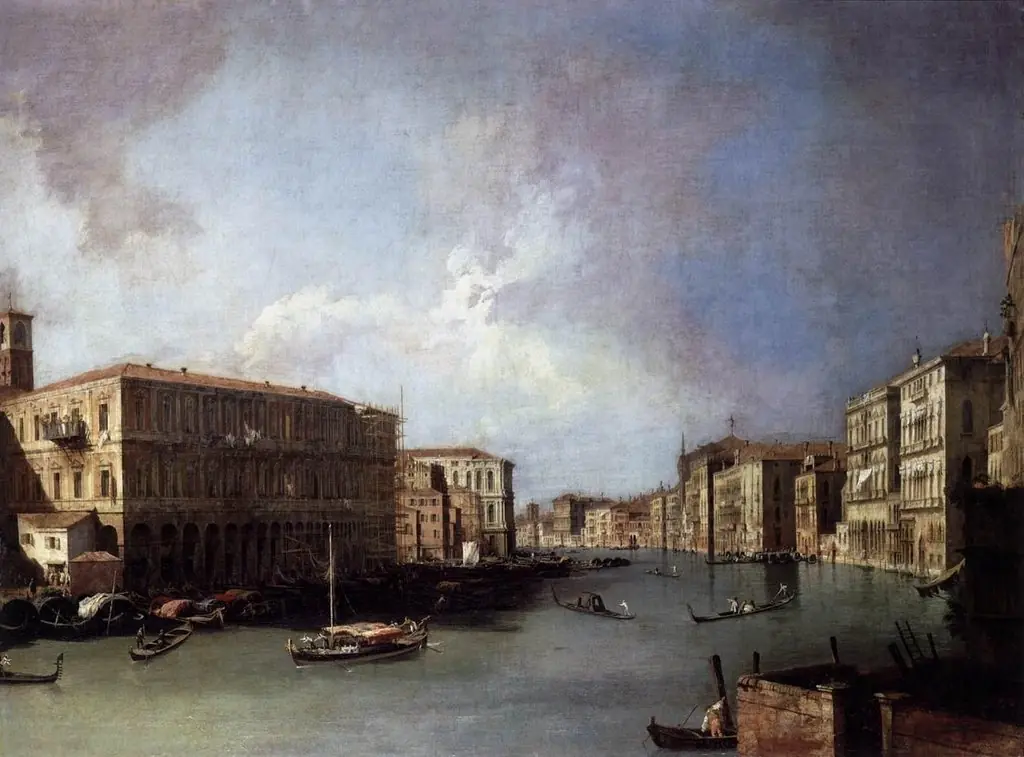 Grand Canal: Looking North from Near the Rialto Bridge
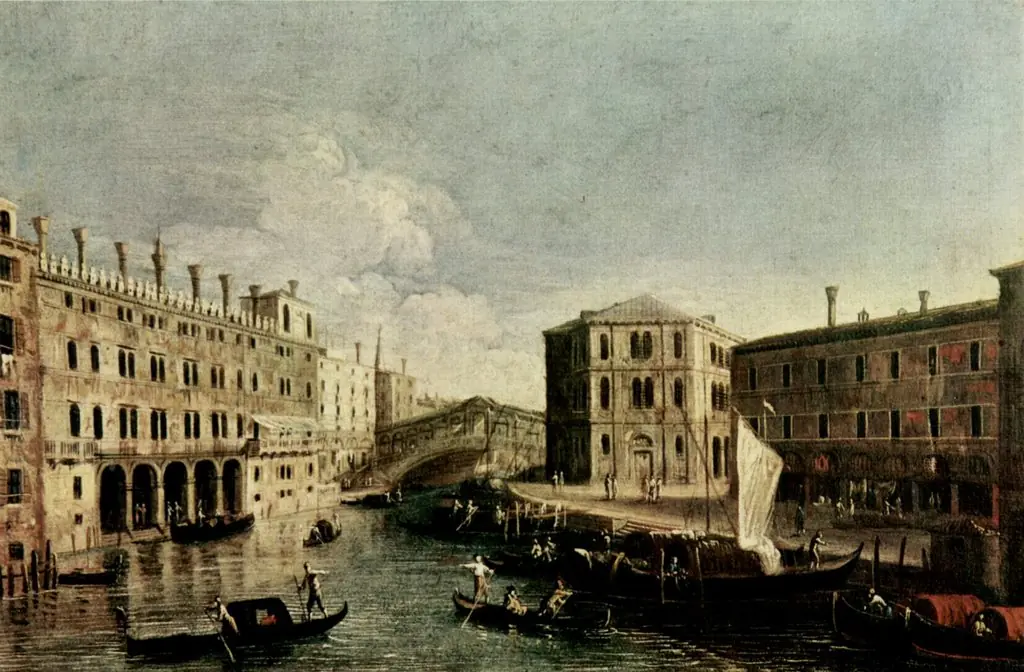 The Grand Canal at the Rialto
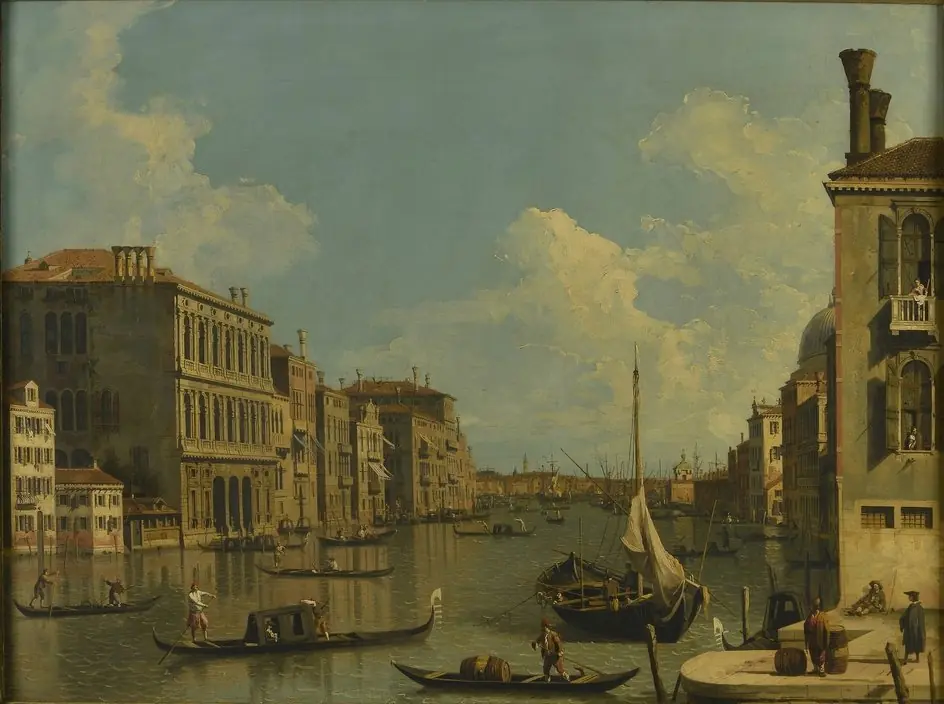 The Grand Canal, looking East from S. Vio
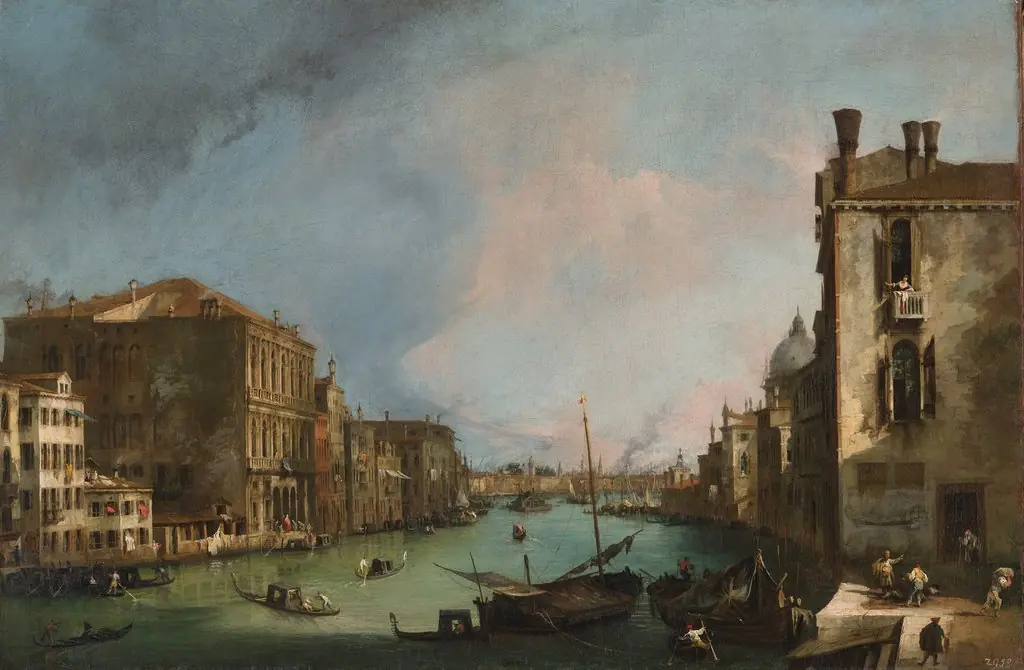 The Grand Canal in Venice with the Rialto Bridge
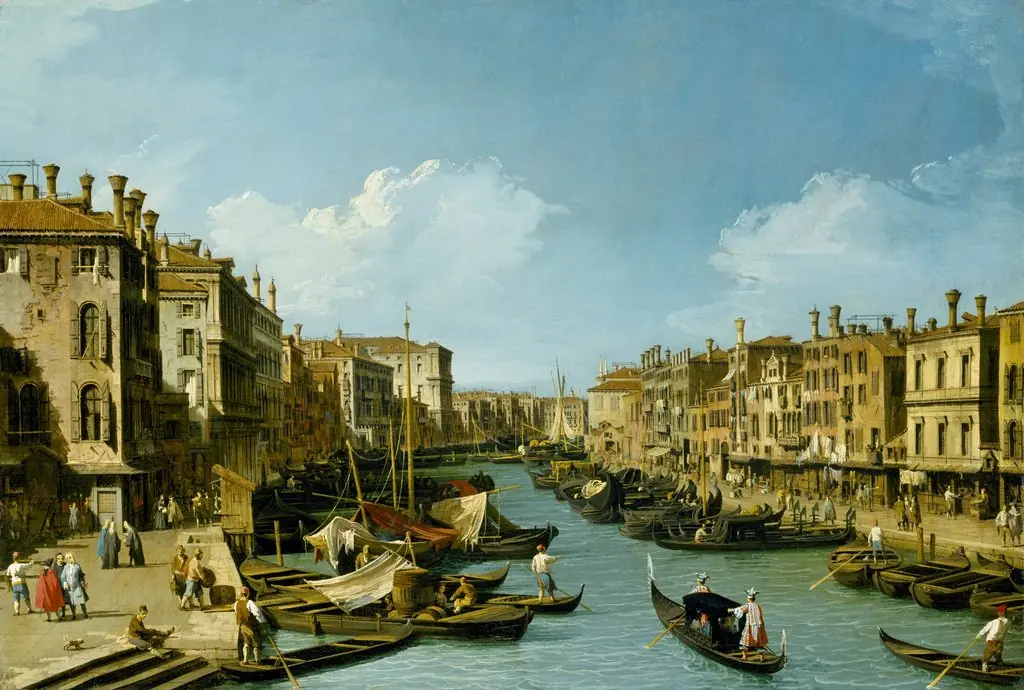 The Grand Canal near the Rialto Bridge, Venice
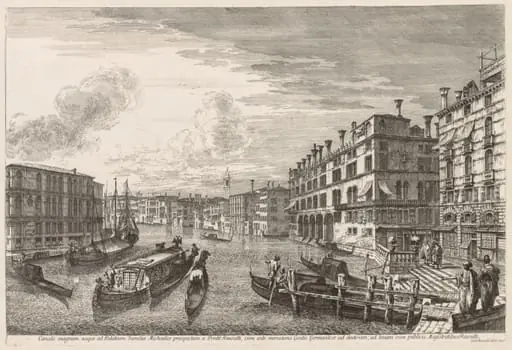 Views of Venice: Grand Canal
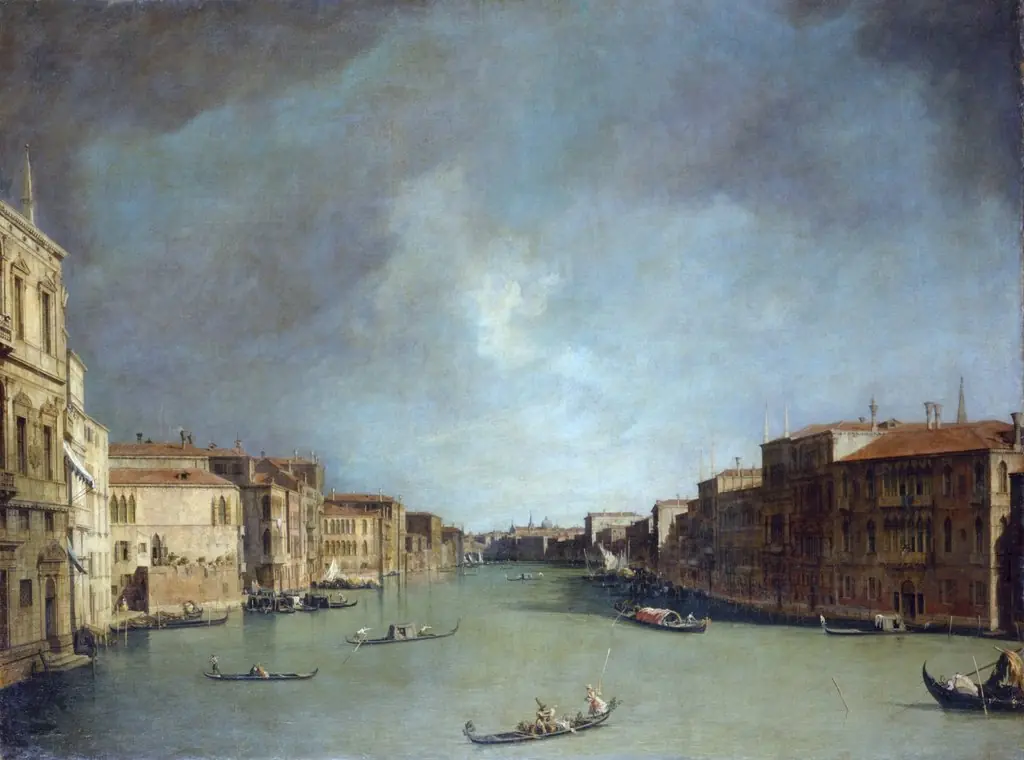 Grand Canal: Looking from Palazzo Balbi
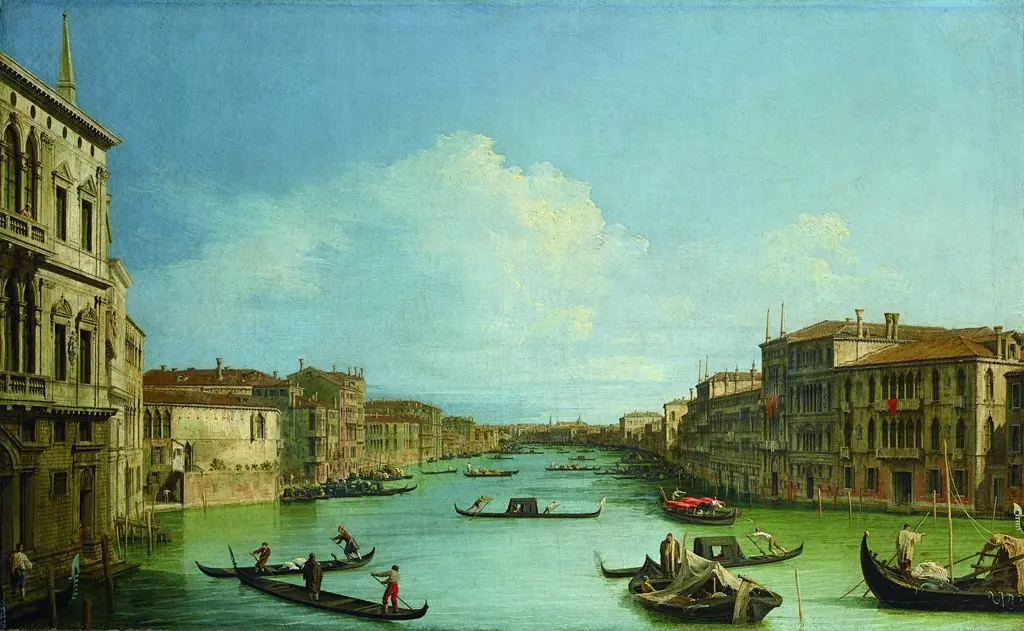 The Grand Canal seen from the Palazzo Balbi towards the Bridge of Rialto