Artwork
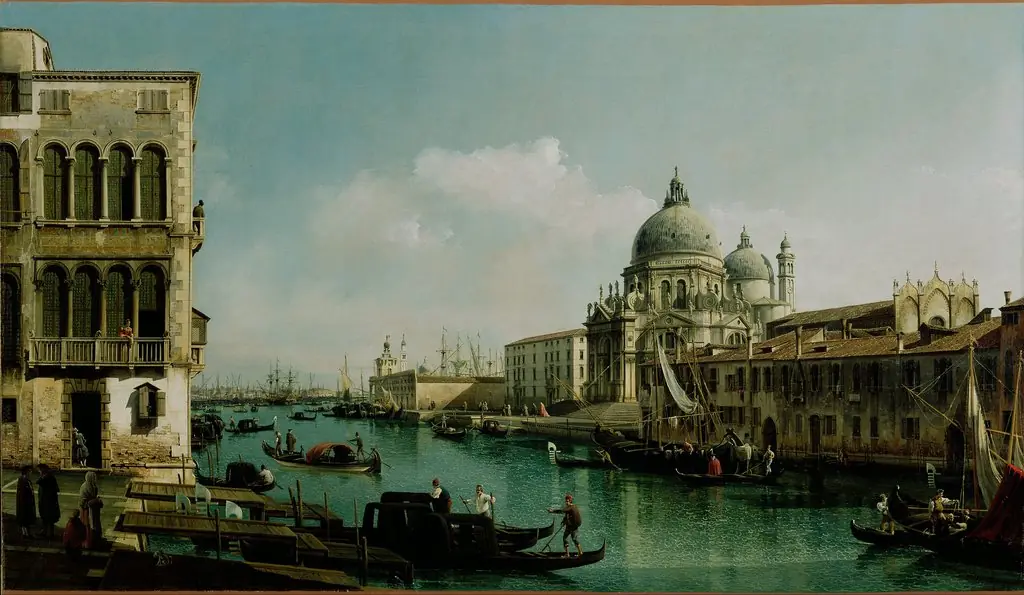
The Grand Canal, looking East from S. Vio
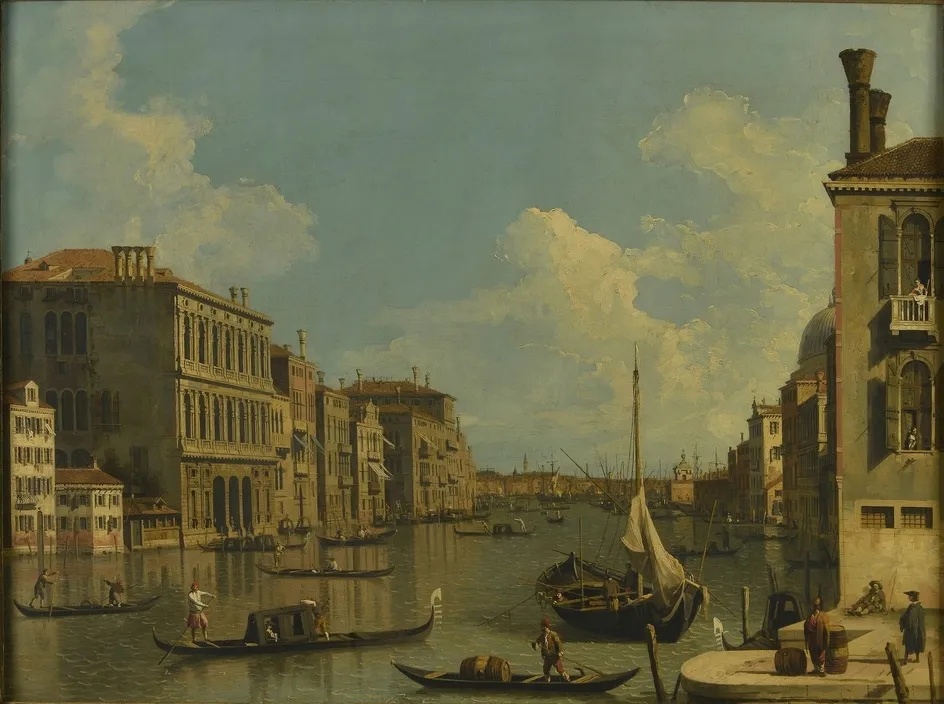
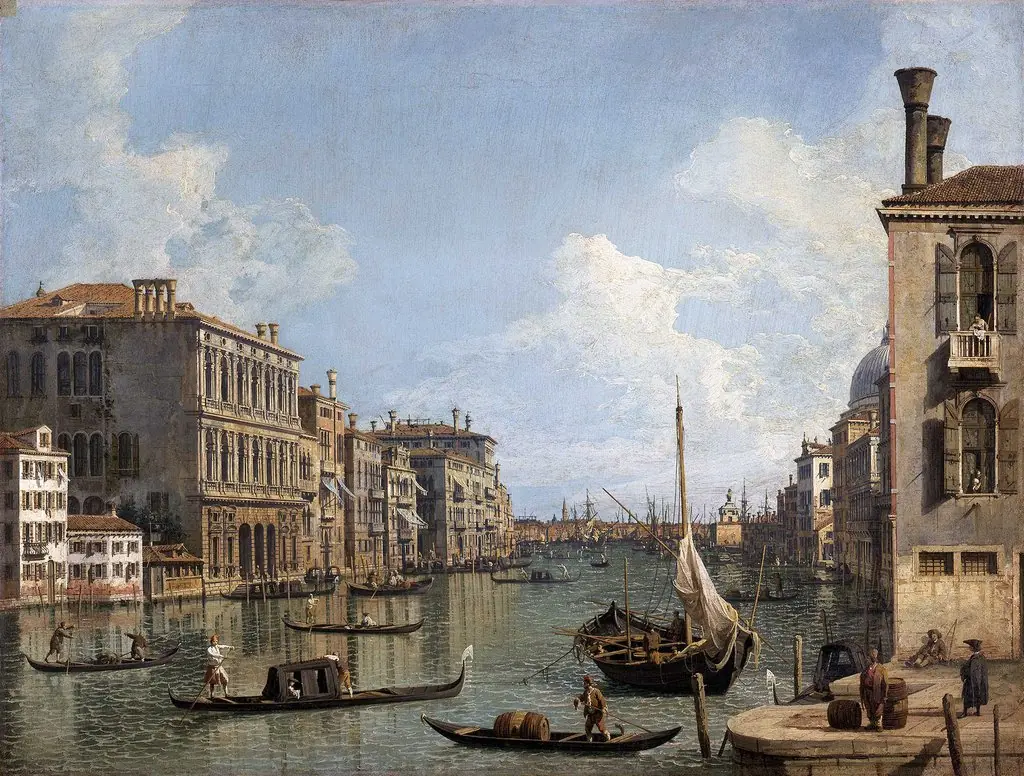
The Grand Canal, looking East from S. Vio is an oil painting by Canaletto. It dates from 1737 and is held in the collection of the Ashmolean Museum. Created around 1737, this oil on canvas presents a view of Venice’s Grand Canal as seen eastward from the vicinity of the San Vio church.
About this work
Overview
Created around 1737, this oil on canvas presents a view of Venice’s Grand Canal as seen eastward from the vicinity of the San Vio church. The composition captures a bustling waterway framed by the city’s characteristic tall façades, their windows and balconies opening onto the scene. Boats populate the foreground, while a clear sky dotted with white clouds completes the lively urban atmosphere.
Subject & Meaning
The painting records a typical day along the canal, emphasizing the interaction between architecture and daily life. Pedestrians on the quays and passengers in gondolas illustrate the canal’s role as a thoroughfare, while the orderly arrangement of buildings underscores Venice’s structured yet vibrant civic identity.
Technique & Style
Canaletto employs a precise, almost cartographic approach to architectural detail, rendering each façade with careful attention to perspective.
Canaletto employs a precise, almost cartographic approach to architectural detail, rendering each façade with careful attention to perspective. His handling of light creates subtle atmospheric effects, allowing the sky’s blue tone to contrast with the warm stone of the structures. The brushwork balances fine delineation in the buildings with looser strokes for water and clouds, achieving depth and realism.
History & Provenance
Giovanni Antonio Canal, known as Canaletto, was a central figure of the 18th‑century Venetian vedutisti. This work belongs to his extensive series of cityscapes produced for both local patrons and the Grand Tour market. While specific ownership records for this particular canvas are limited, it reflects the artist’s prolific output during his mature period, shortly before his later relocation to England.
Context
The painting exemplifies the Venetian school’s fascination with topographical accuracy combined with aesthetic appeal, a trend that catered to travelers seeking visual souvenirs of the city. Canaletto’s vedute often blended observed detail with imagined elements, a practice evident in the harmonious yet idealized arrangement of the canal’s architecture and activity.
Artist & collection
Artist
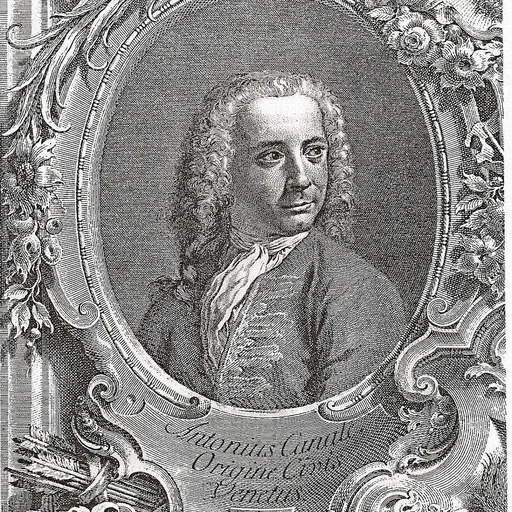
Giovanni Antonio Canal (18 October 1697 – 19 April 1768), commonly known as Canaletto (Italian: ), was an Italian painter from the Republic of Venice, considered an important member of the 18th-century Venetian school.

 Grand Canal: Looking North from Near the Rialto Bridge
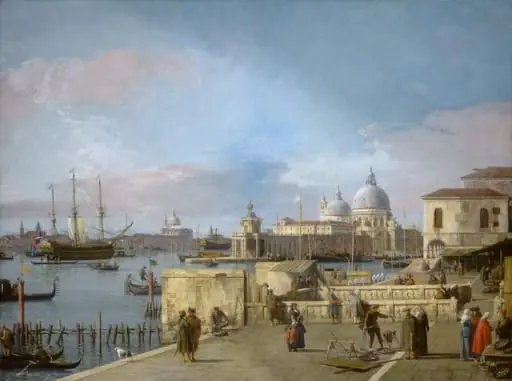
 View of the Grand Canal toward the Punta della Dogana
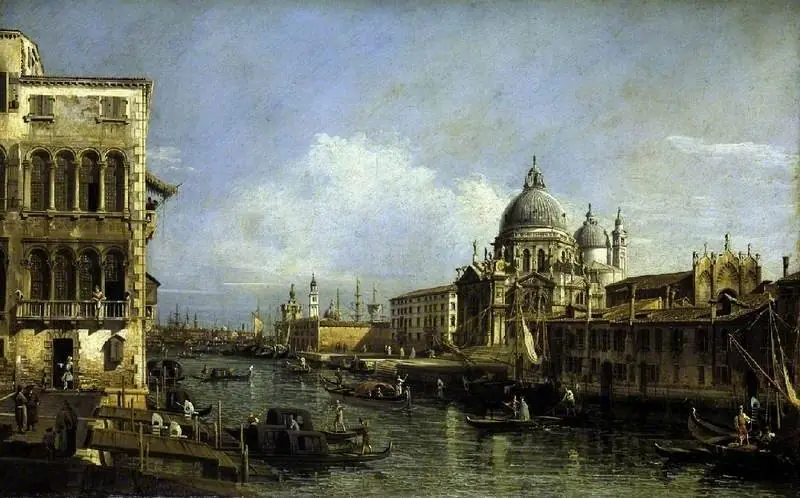 A View at the Entrance of the Grand Canal, Venice
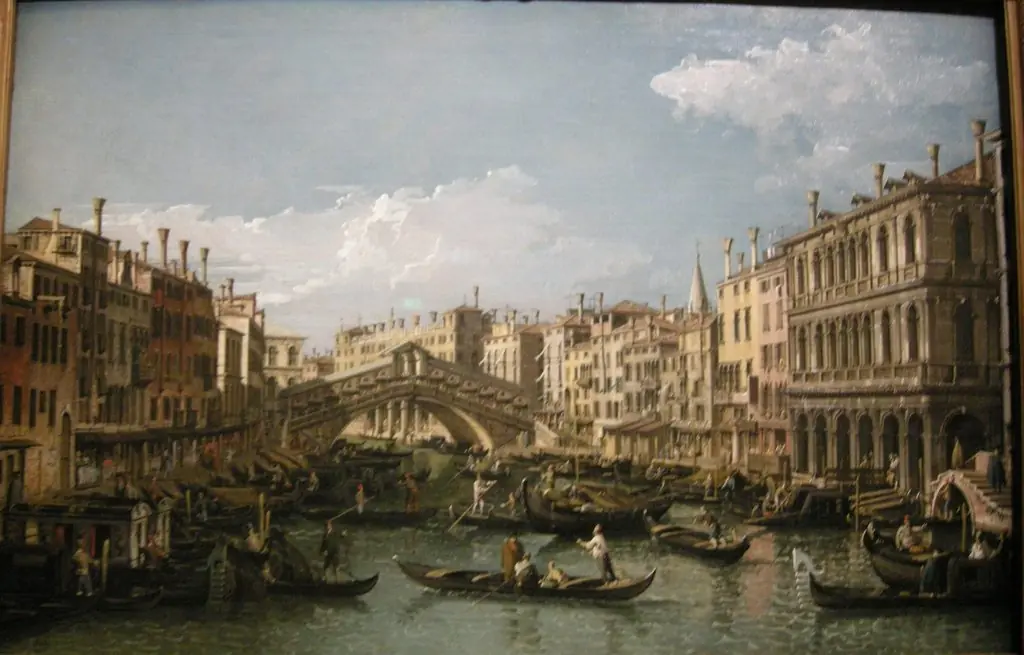 Grand Canal looking north-east to the Rialto Bridge
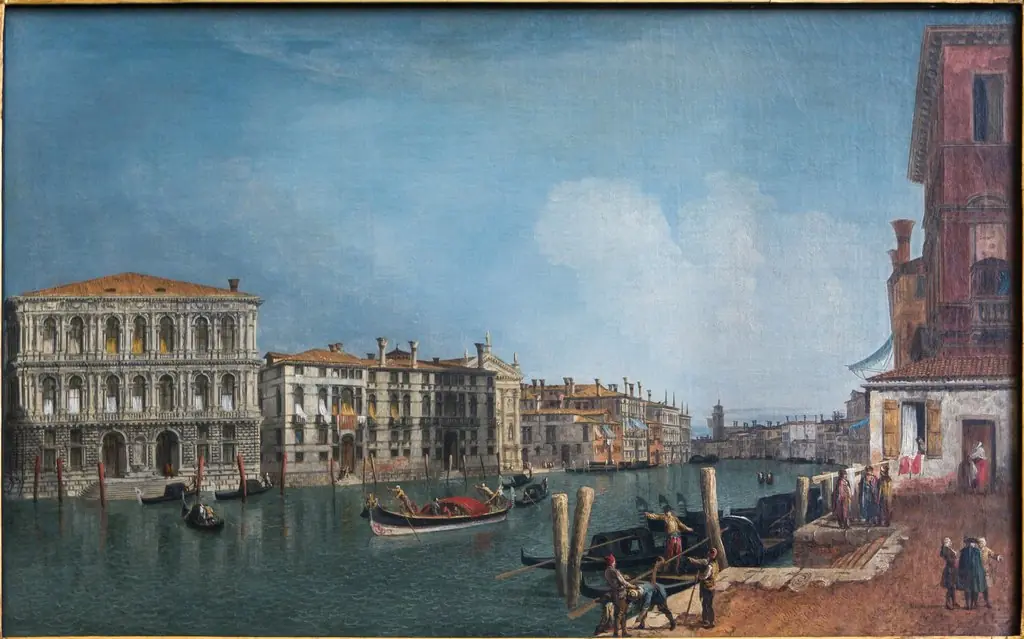 View of the Grand Canal near Cà Pesaro
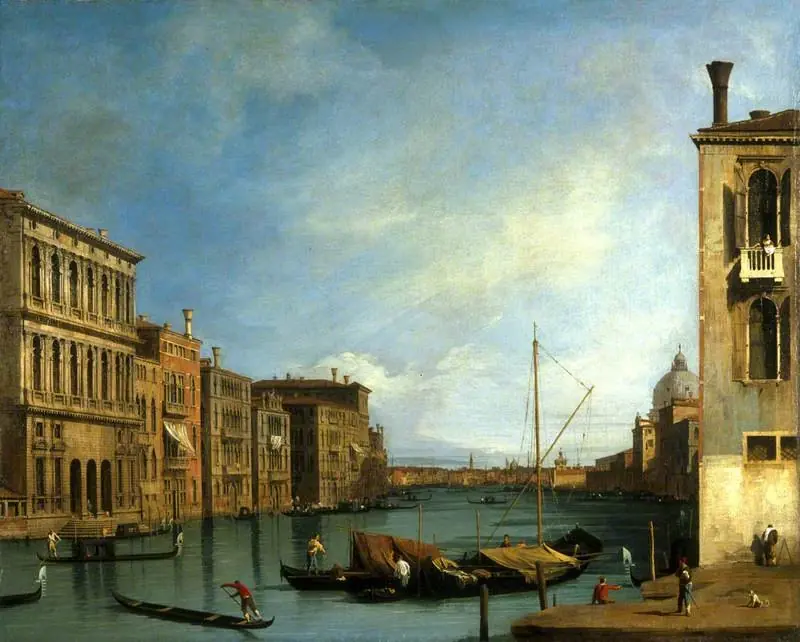 The Grand Canal from the Campo San Vio, Venice
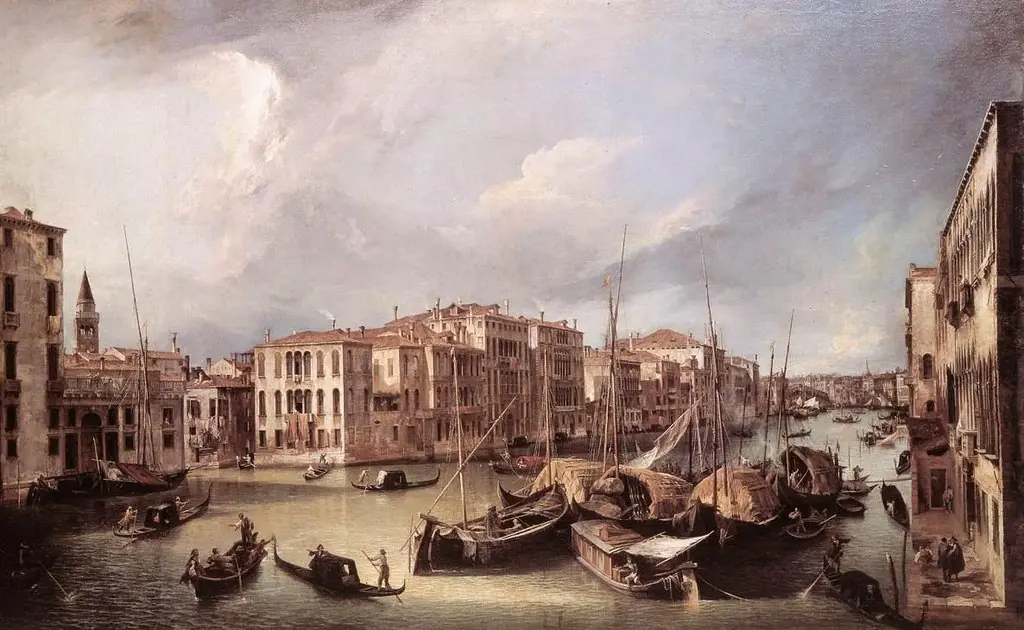 Grand Canal: Looking North-East toward the Rialto Bridge
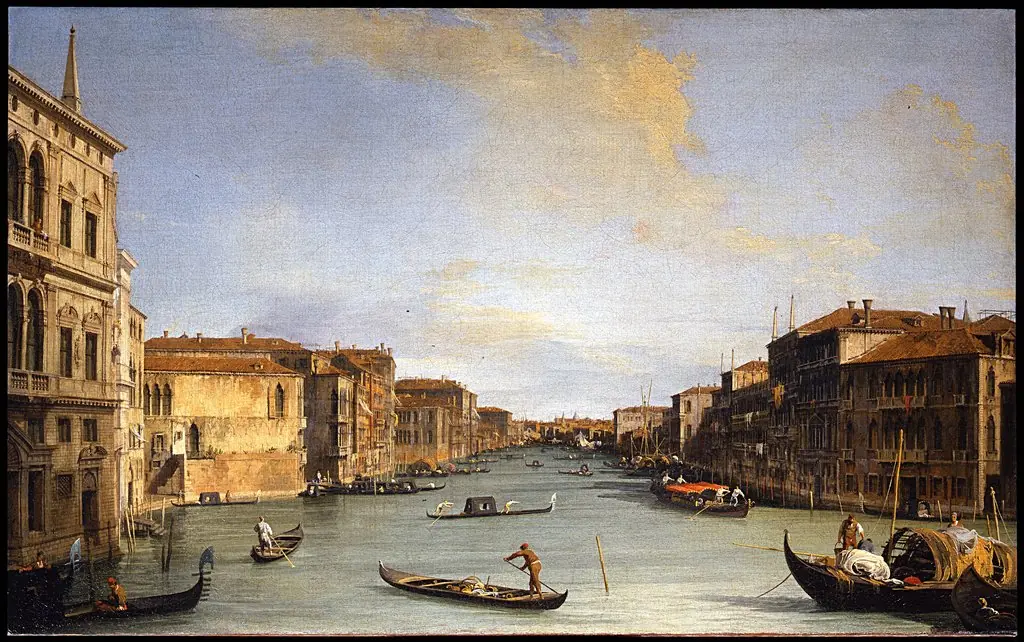 View of the Grand Canal
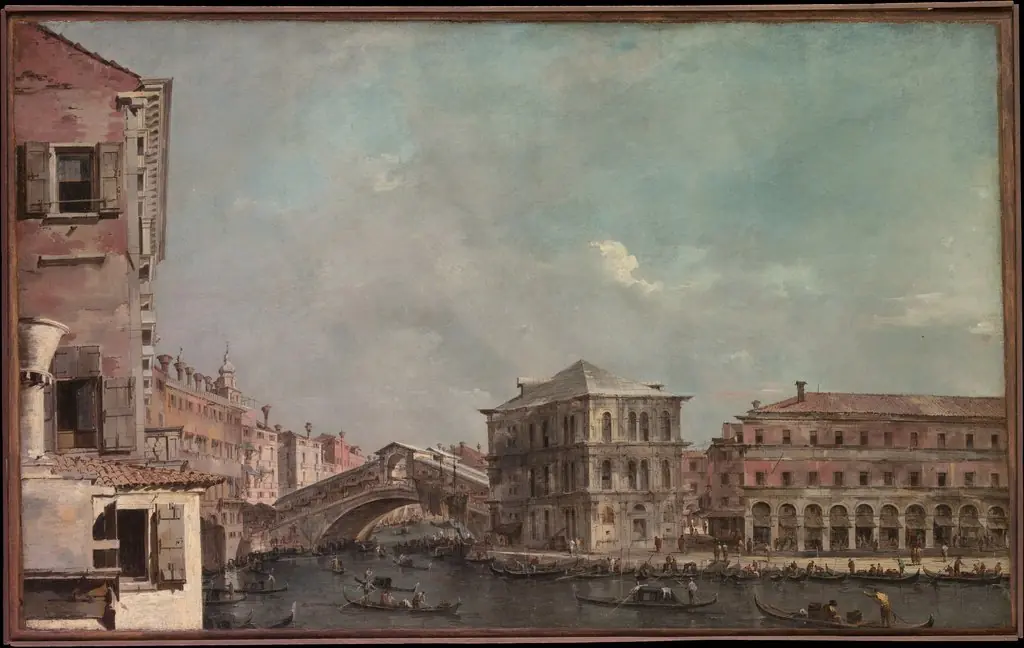 The Grand Canal above the Rialto
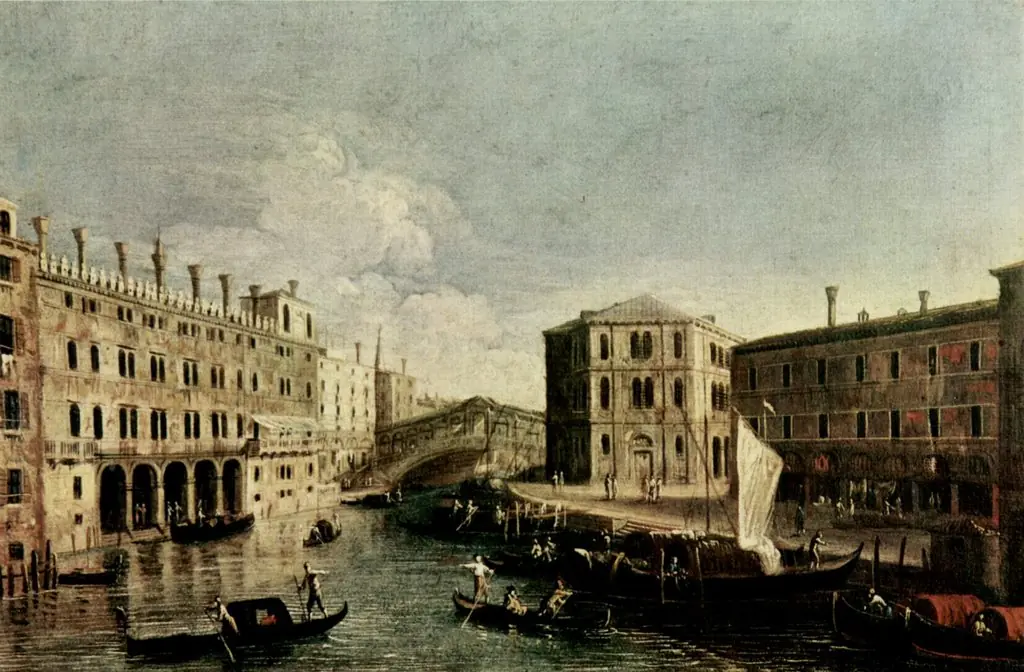 The Grand Canal at the Rialto
 View of the Grand Canal: Santa Maria della Salute and the Dogana from Campo Santa Maria Zobenigo