Artwork
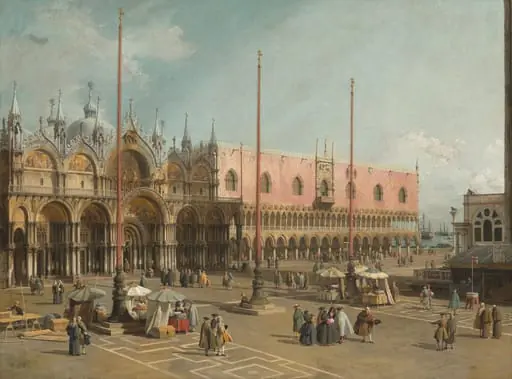
Piazza San Marco Looking South and West
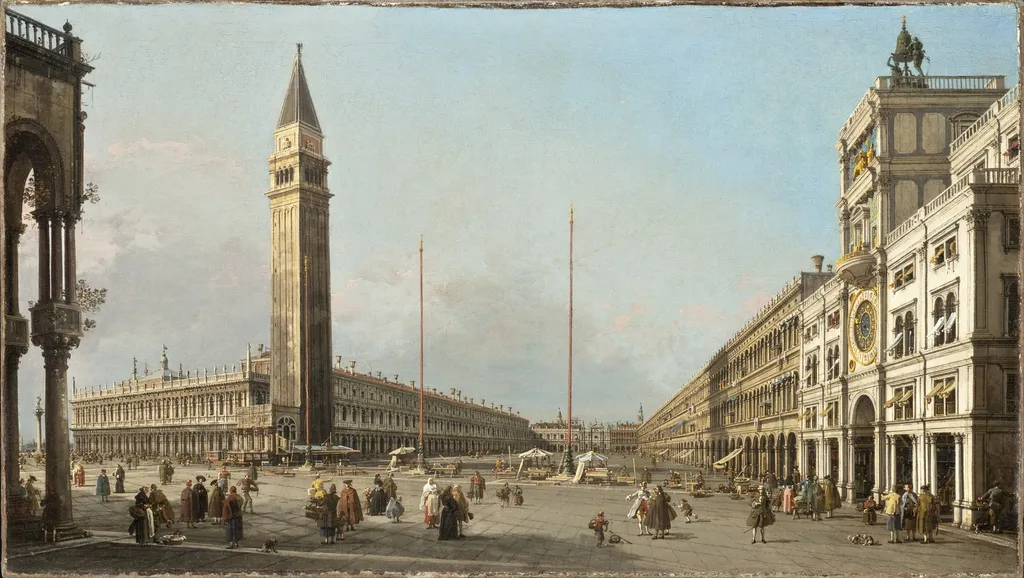
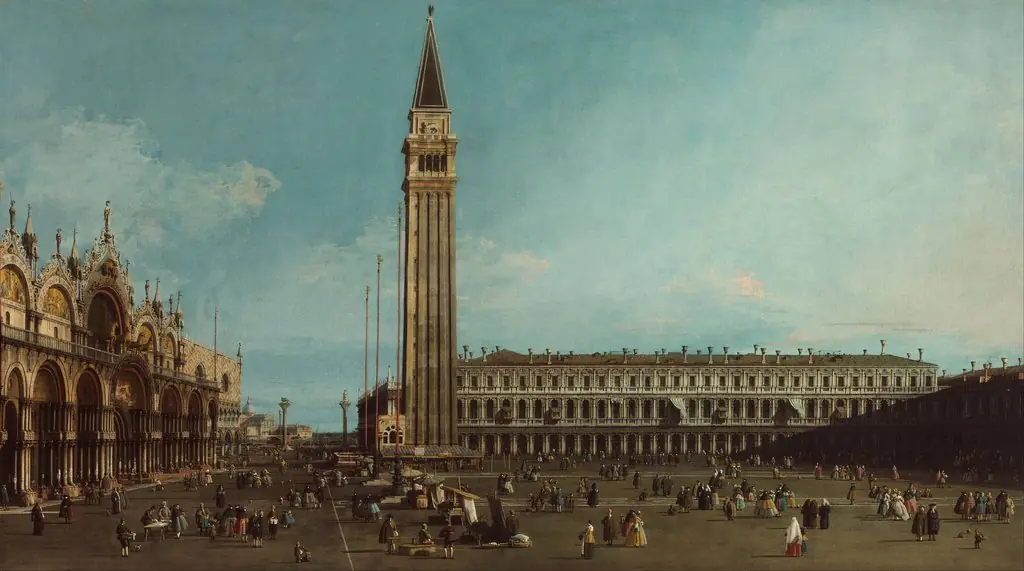
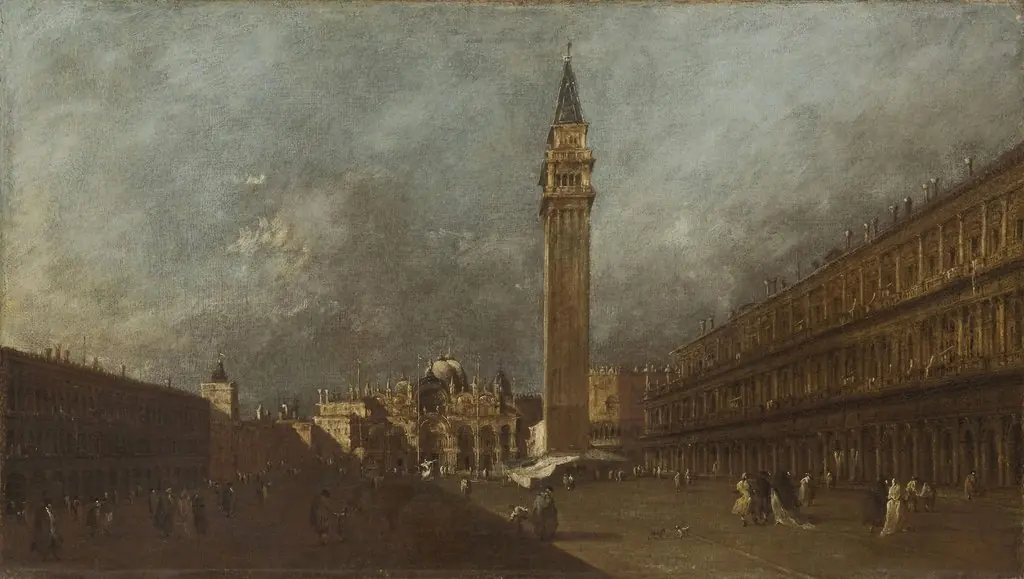
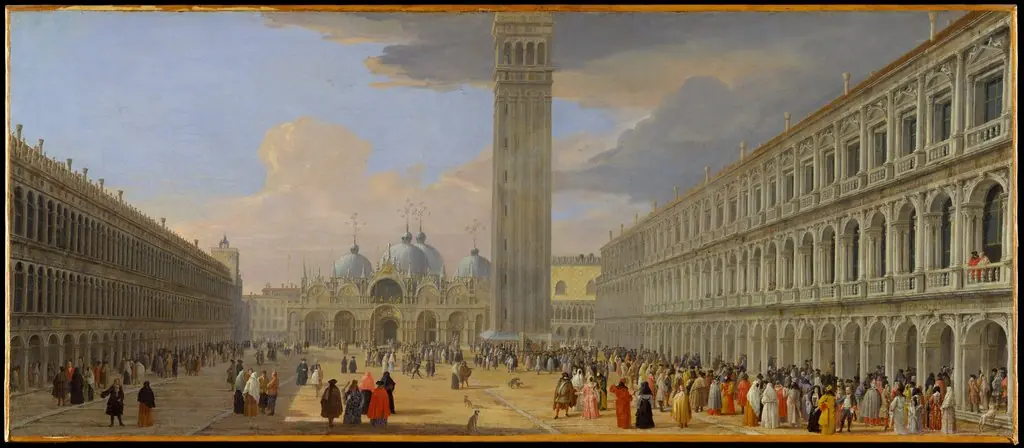
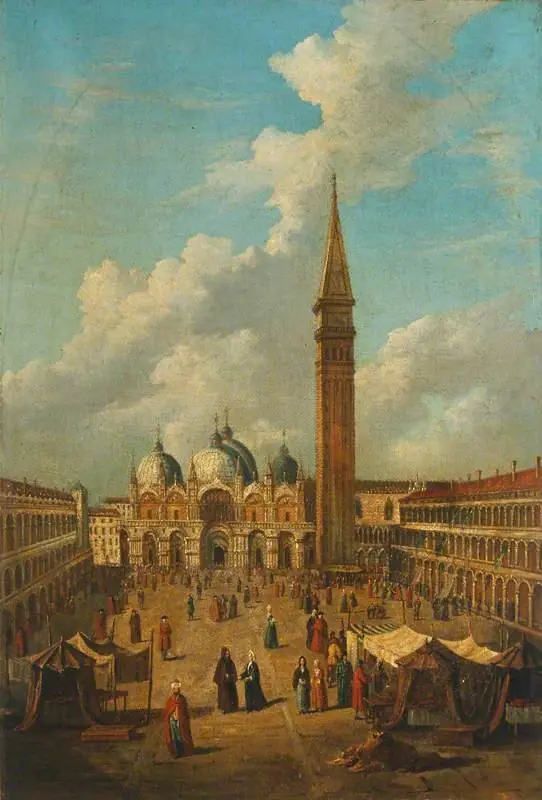
Piazza San Marco Looking South and West is an oil painting by the Rococo painting artist Canaletto. It is held in the collection of the Los Angeles County Museum of Art. Painted in 1763, this oil on canvas depicts the southern and western perspectives of Venice’s Piazza San Marco.
About this work
Overview
Created by Giovanni Antonio Canal, known as Canaletto, the work exemplifies his precision in capturing urban architecture and atmospheric light.
Painted in 1763, this oil on canvas depicts the southern and western perspectives of Venice’s Piazza San Marco. Created by Giovanni Antonio Canal, known as Canaletto, the work exemplifies his precision in capturing urban architecture and atmospheric light. It belongs to the Venetian veduta tradition, which emphasized topographical accuracy and observational detail. The painting is held in the collection of the Los Angeles County Museum of Art.
Subject & Meaning
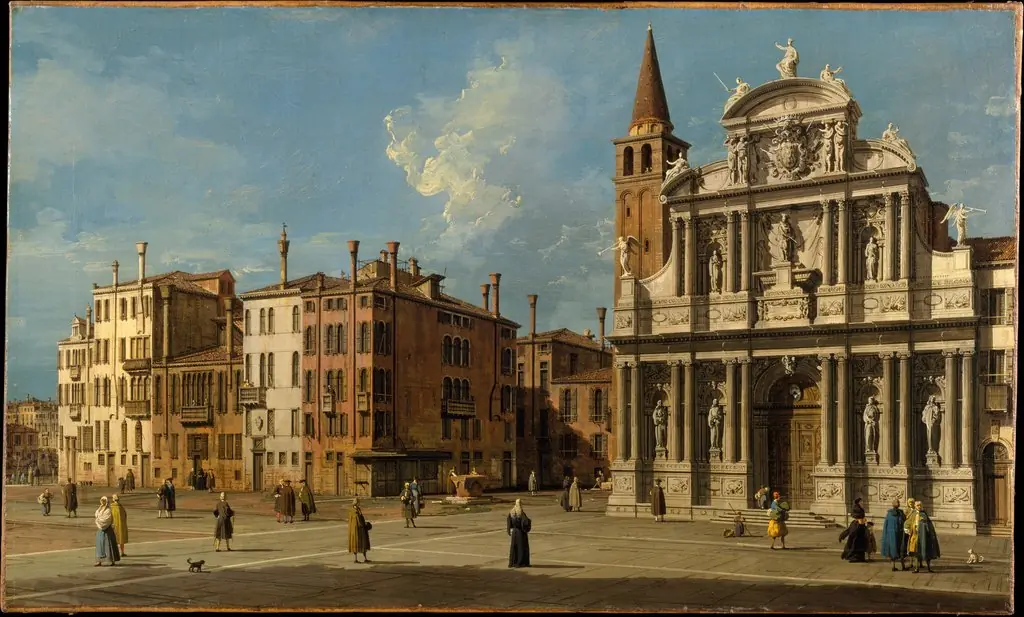
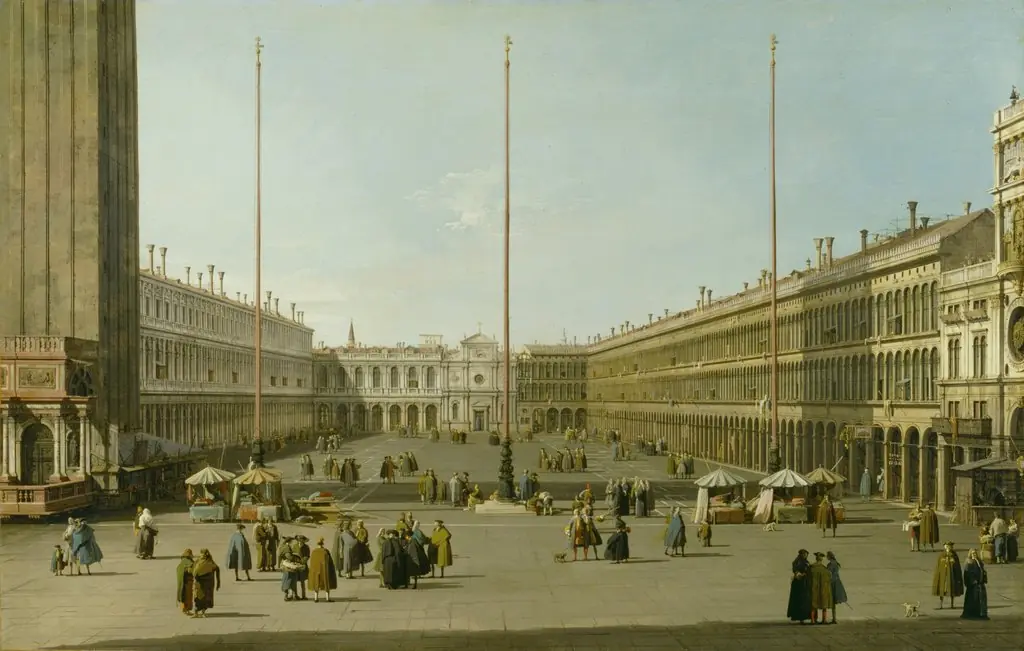
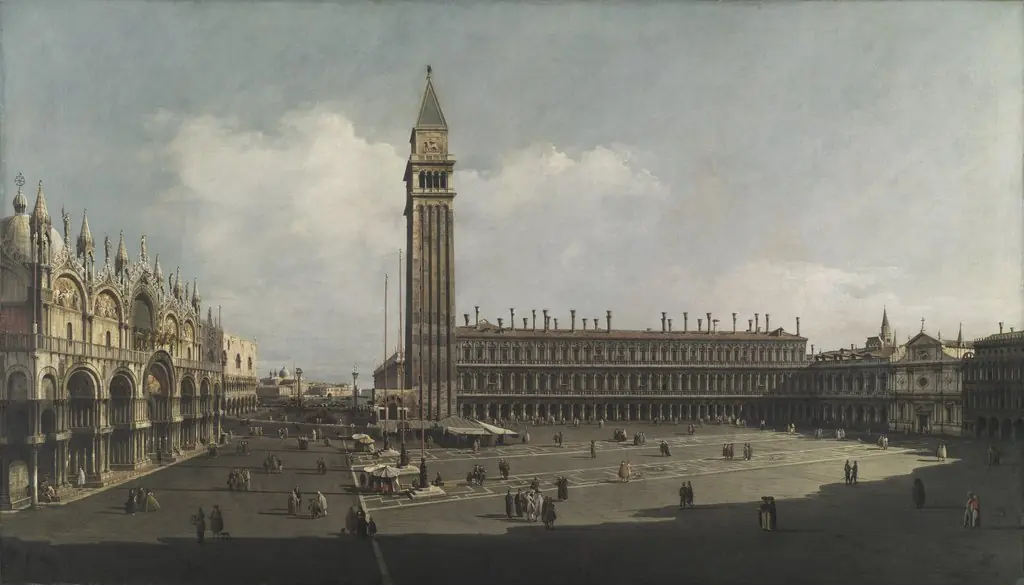
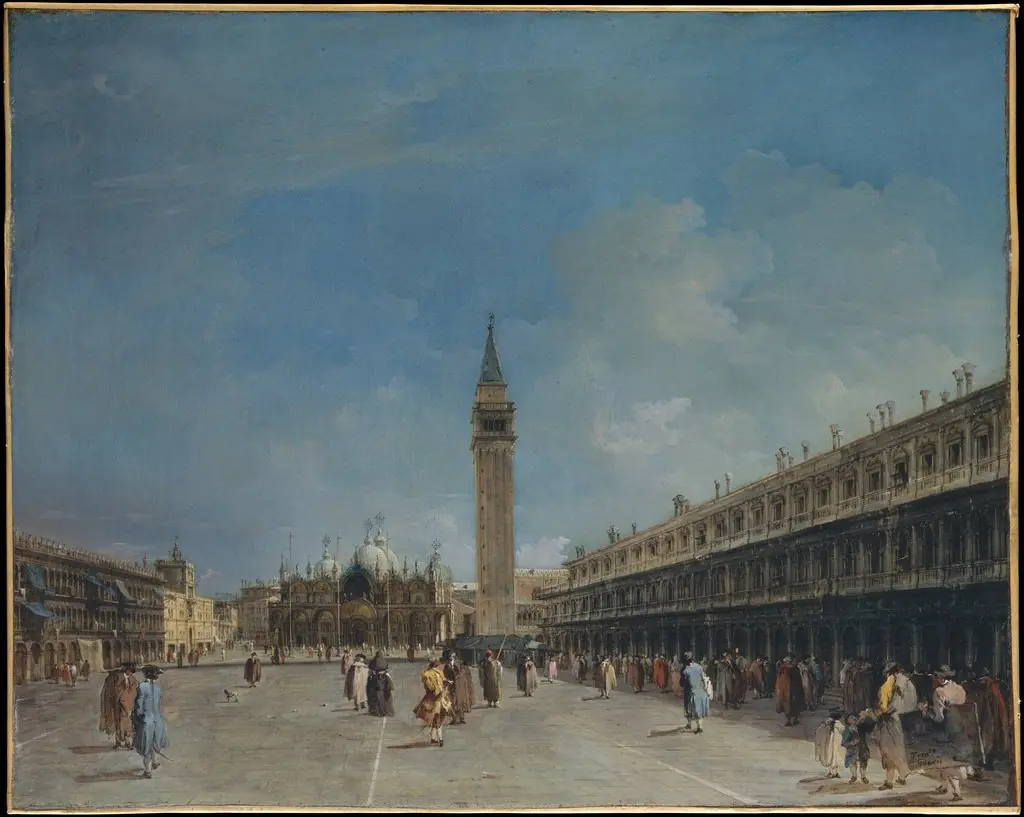
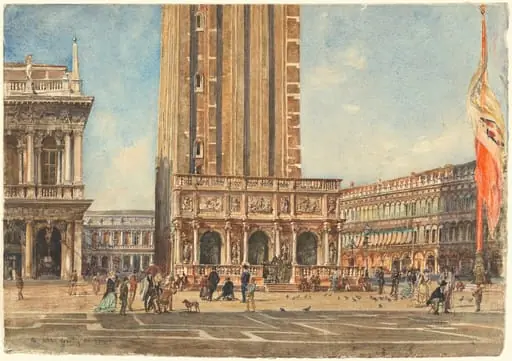
The composition presents the piazza as a stage of daily life, framed by the Procuratie Vecchie, the Campanile, and the Basilica’s distant façade. Figures move in small clusters—merchants, travelers, locals—suggesting routine activity without theatricality. The empty spaces between them enhance the sense of scale and quiet rhythm, reflecting Venice’s civic identity rather than its ceremonial grandeur.
Technique & Style
Canaletto employed fine brushwork to render architectural textures and subtle shifts in daylight. Shadows fall crisply along colonnades and cornices, while the sky’s pale clouds diffuse ambient light evenly across stone surfaces. Perspective is mathematically precise yet unobtrusive, guiding the eye toward the distant basilica without artificial drama. His method prioritized optical fidelity over emotional embellishment.
History & Provenance
Executed during Canaletto’s mature period, the painting likely served a foreign patron interested in Venetian topography. It entered the LACMA collection in the 20th century after passing through private European holdings. While not among his most famous works, it reflects his consistent approach to documenting Venice’s urban fabric during the mid-18th century.
Context
In the 1760s, Venice’s political influence had waned, but its visual legacy remained a draw for travelers and collectors. Canaletto’s vedute catered to this demand, offering accurate, serene views of a city transitioning from republic to foreign occupation. His work preserved the appearance of public spaces at a time when their social functions were slowly changing.
Legacy
Canaletto’s method influenced later topographical painters and early photographers seeking objective representation. His attention to light and structure became a benchmark for urban documentation. Though his popularity declined after his death, his works remain key references for historians studying Venice’s architectural and social landscape in the 18th century.
Artist & collection
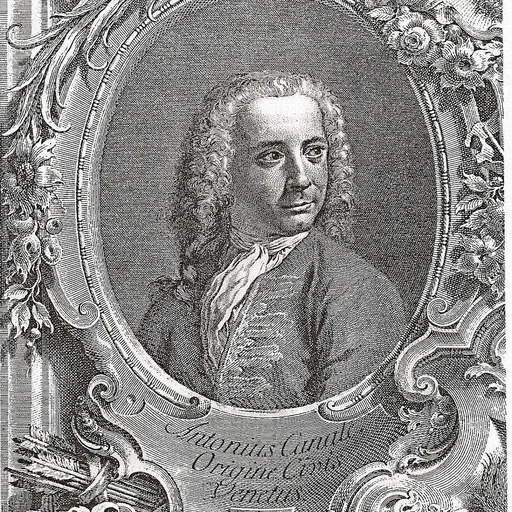
Artist
Giovanni Antonio Canal (18 October 1697 – 19 April 1768), commonly known as Canaletto (Italian: ), was an Italian painter from the Republic of Venice, considered an important member of the 18th-century Venetian school.