Artwork
Peisaj cu vite la pășune. Pandant: Peisaj cu vite și trei păstori
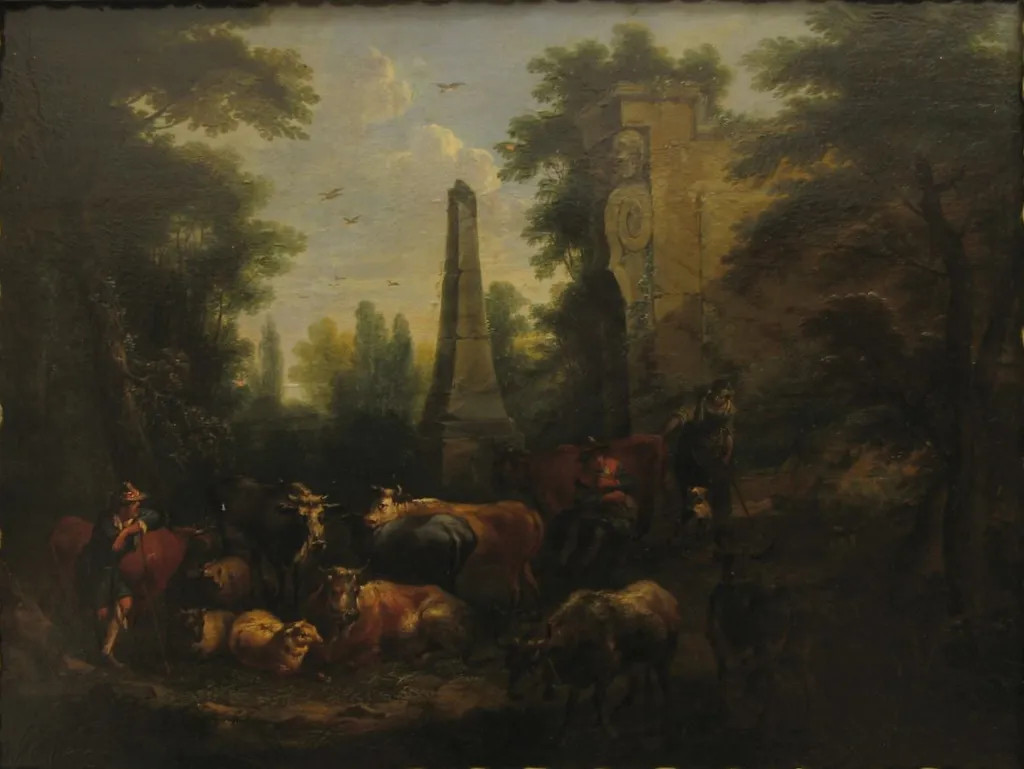
Peisaj cu vite la pășune. Pandant: Peisaj cu vite și trei păstori is an unspecified painting by the Baroque artist Franz Thomas Canton. It is held in the collection of the Brukenthal National Museum. The work depicts a tranquil rural landscape in which a herd of cattle grazes beneath a softly lit sky.
About this work
Overview
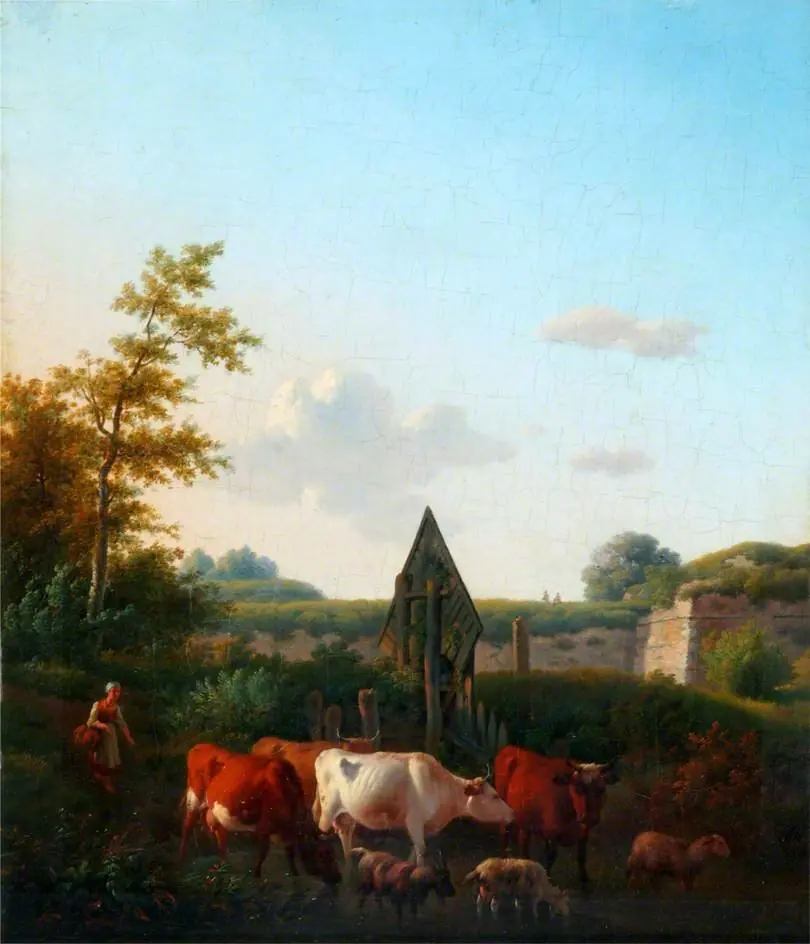
The work depicts a tranquil rural landscape in which a herd of cattle grazes beneath a softly lit sky. A solitary stone column rises in the distance, accompanied by a modest structure bearing a clock face. Human figures are positioned near the animals, suggesting a pastoral activity within the scene.
Subject & Meaning
The composition centers on agricultural life, emphasizing the relationship between livestock, laborers, and the passage of time symbolized by the clock. The presence of the column may allude to a historical or communal marker, reinforcing the setting’s connection to local tradition and daily routine.
Technique & Style
The artist employs chiaroscuro, contrasting deep shadows on the cows, trees, and architectural elements with a lighter, atmospheric sky. This manipulation of light and dark creates a sense of volume and spatial depth, guiding the viewer’s eye across the landscape.
Context
The painting reflects a genre tradition that valorizes countryside scenes, common in Eastern European visual culture of the 19th and early 20th centuries. Such works often served both documentary and decorative purposes, illustrating the rhythms of agrarian life.
Legacy
While specific provenance details are scarce, the piece contributes to the broader visual record of rural environments, offering insight into historical farming practices and the aesthetic preferences for serene, bucolic subjects in regional art.
Artist & collection
Artist
Franz Thomas Canton painted scenes of rural life and biblical stories in 19th-century Romania.

 Peisaj cu pescari; pandant: Peisaj cu pescari și băiat cu flaut
 Peisaj cu pescari și băiat cu flaut; pandant: Peisaj cu pescari
 Arca lui Noe; pandant: Potopul
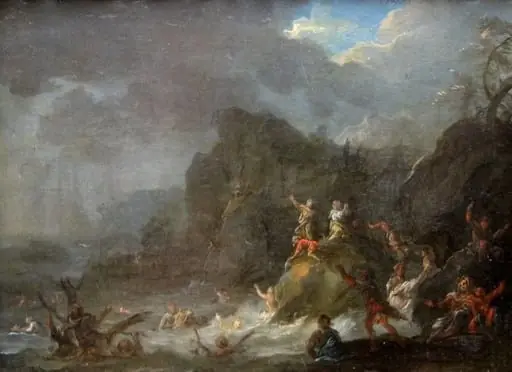 Potopul ; pandant: Arca lui Noe
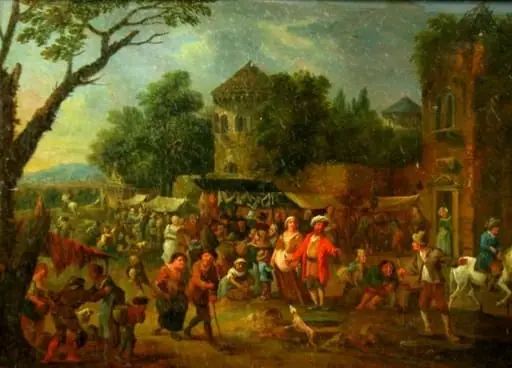 Scenă de târg (Iarmarocul)
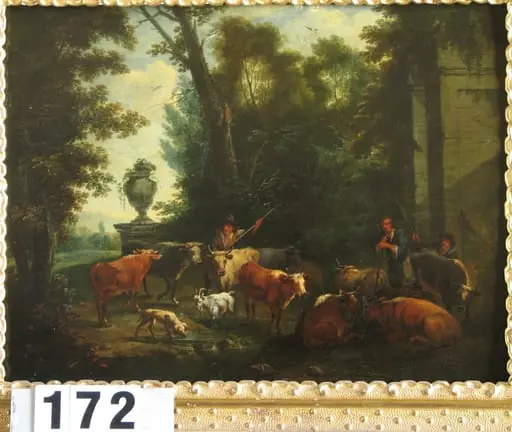 Peisaj cu vite și trei păstori. Pandant: Peisaj cu vite la pășune
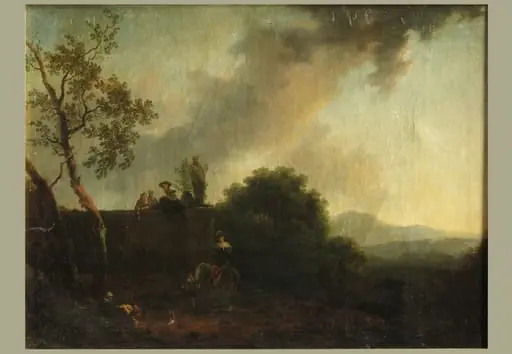 Peisaj cu zidul unei grădini
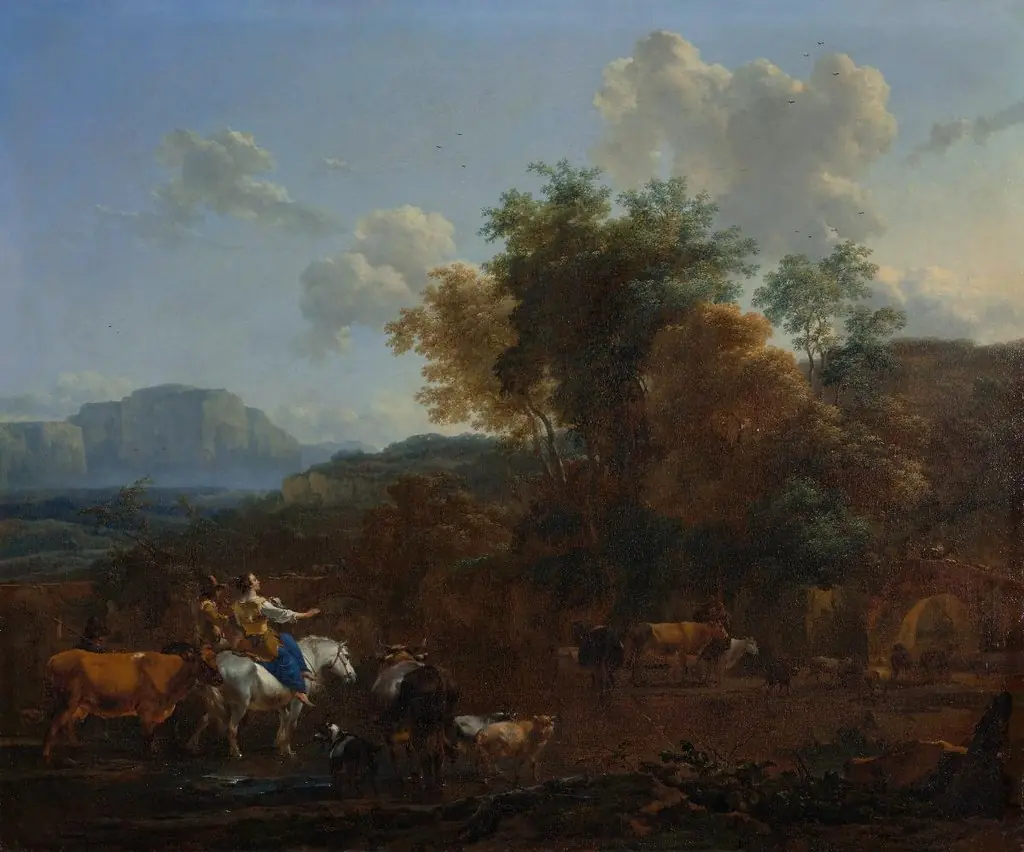 Italienische Landschaft mit musizierenden Hirten und ziehender Herde
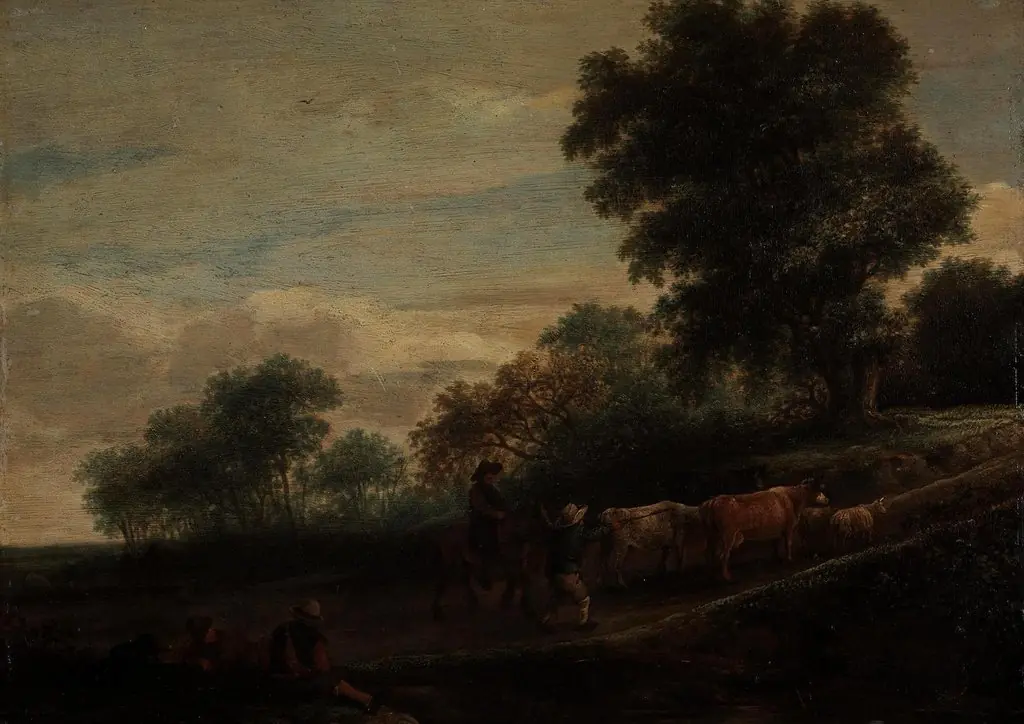 Landscape with Shepherds and Cattle
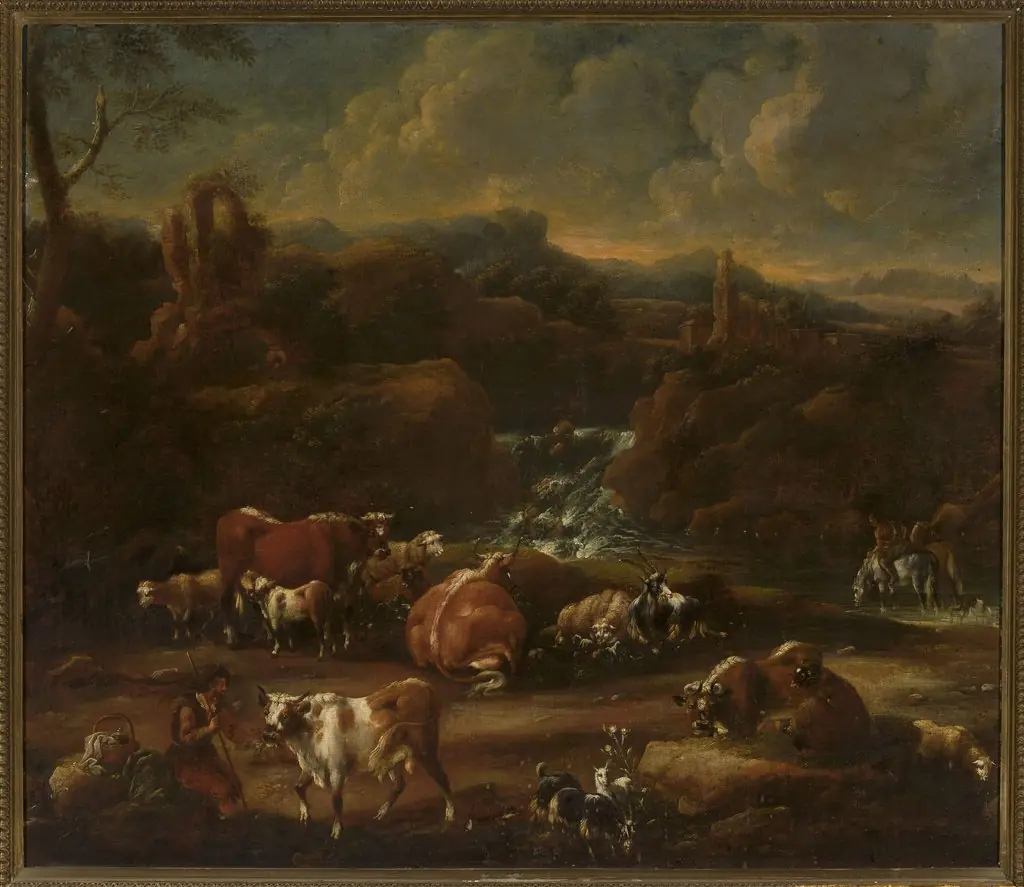 Herd in the mountains
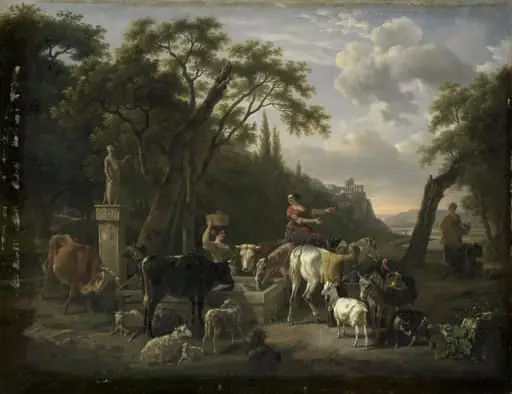 Italian Landscape with Shepherds and Animals at a Fountain
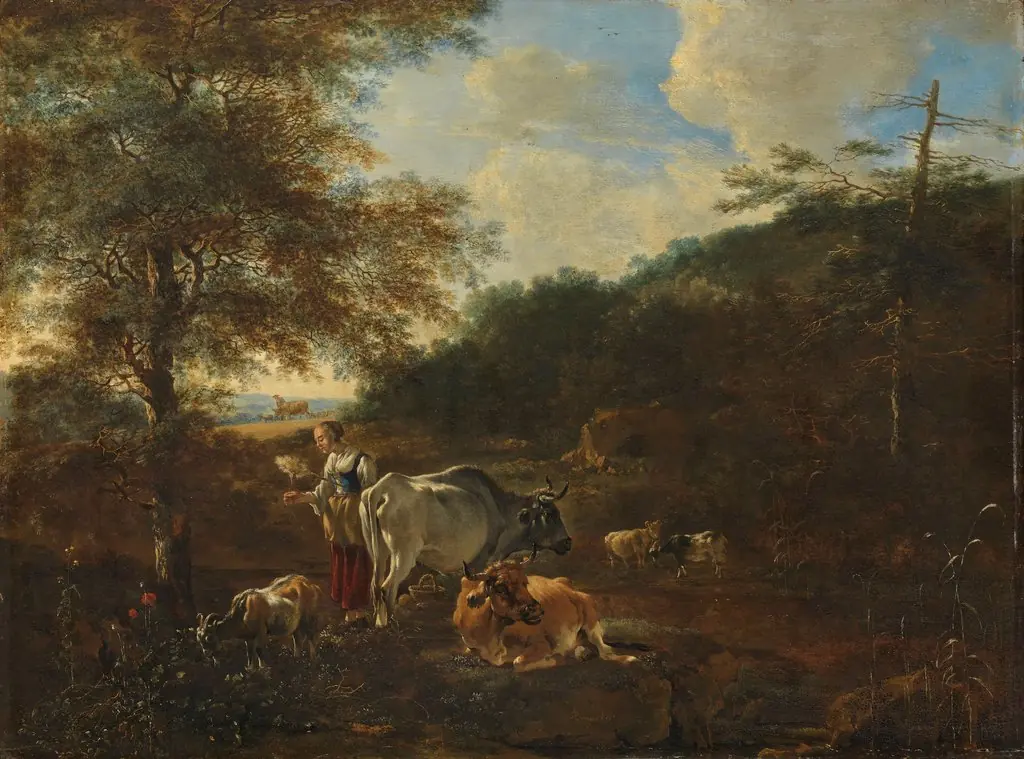 Landscape with cattle
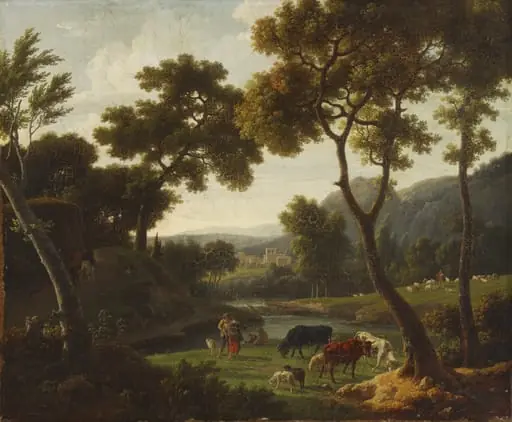 Ihanteellinen maisema
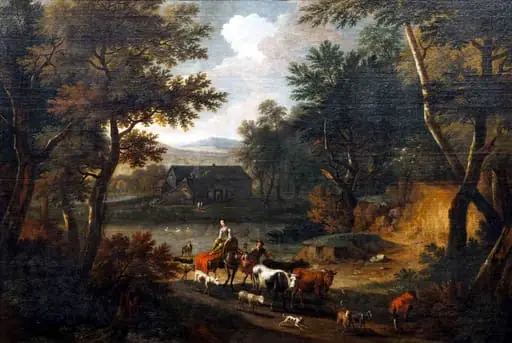 Peisaj cu personaje și animale
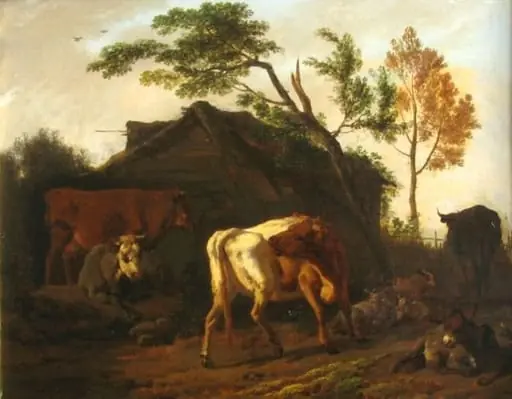 Turmă lângă colibă
 Leaving for the Market
 Landscape with Cattle
 Mountain Landscape with Shepherds
 Huilua soittava paimen ja karjaa