Artwork
Panorama of Rome
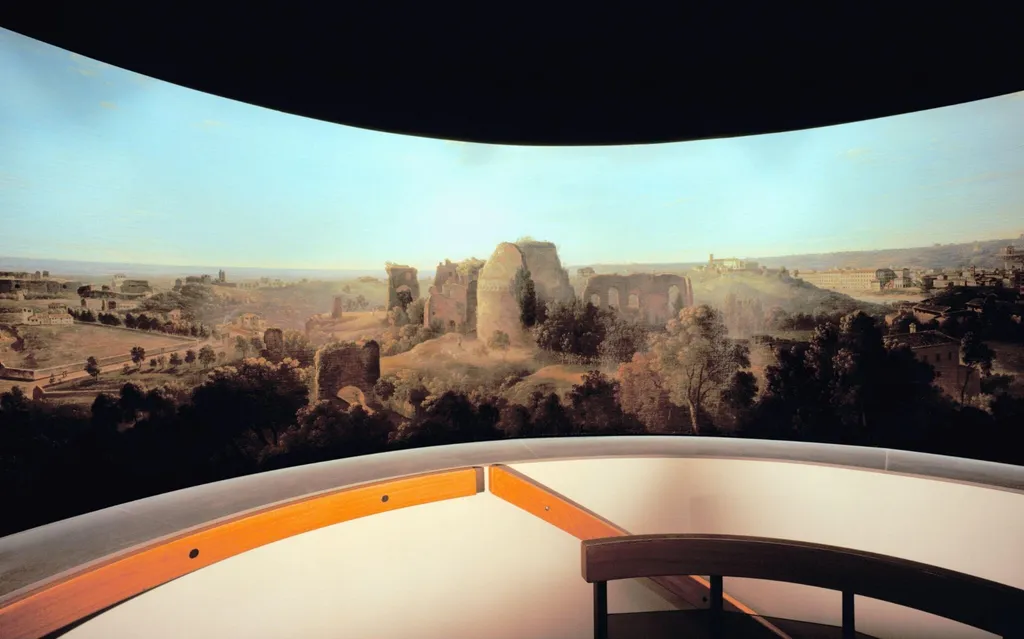
Panorama of Rome is an oil painting by the Biedermeier artist Lodovico Caracciolo. It dates from 1824 and is held in the collection of the Victoria and Albert Museum.
About this work
Overview
Its scale and perspective reflect the era’s fascination with visual spectacle and spatial illusion.
Lodovico Caracciolo, an 18th- to 19th-century Roman artist, produced detailed panoramic paintings of Rome, blending topographical accuracy with atmospheric composition. This oil painting, though not a true 360-degree cylinder, follows the panoramic tradition by presenting an expansive, elevated view meant to immerse the viewer in the city’s landscape. Its scale and perspective reflect the era’s fascination with visual spectacle and spatial illusion.
Subject & Meaning
The painting captures Rome from a vantage point near the Palatine Hill, overlooking the city’s ancient core. Lush foregrounds of fields and grazing livestock contrast with the clustered ruins and monuments below, suggesting a harmony between nature and antiquity. The soft morning light, casting warm hues over weathered stone, evokes quiet reverence rather than grandeur, emphasizing endurance over decay.
Technique & Style
Caracciolo employed fine brushwork to distinguish textures—velvety vegetation against rough stone, smooth sky gradients against angular architecture. The palette favors muted earth tones with subtle shifts in daylight, enhancing realism. While not using cylindrical projection, the composition mimics panoramic immersion through a high, unbroken horizon and receding depth, guiding the eye across the city’s topography.
History & Provenance
Created during the early 19th century, the work aligns with a period when panoramic exhibitions were gaining popularity across Europe. Though Caracciolo’s painting was likely displayed as a standalone piece rather than in a rotunda, it responds to the public’s appetite for immersive city views. Its current location and ownership history remain undocumented beyond its association with the V&A’s collection.
Context
Panoramic art emerged from theatrical and scientific interests in illusion, popularized by Robert Barker’s cylindrical exhibitions. Caracciolo’s work reflects this trend while remaining rooted in Roman topographical traditions. Unlike commercial panoramas designed for mass entertainment, his painting retains a contemplative tone, bridging scholarly cartography and Romantic landscape sensibility.
Legacy
Caracciolo’s panorama represents a transitional phase in visual culture—between hand-drawn topography and industrialized spectacle. Though the large-scale panorama as an exhibition form declined by the late 19th century, his work endures as a record of Rome’s physical and emotional landscape, preserving the city’s ruins as lived environments rather than relics.
Artist & collection
Artist
Lodovico Caracciolo painted a sweeping city view in oil in 1824. His “Panorama of Rome” puts the dome of St Peter’s at the center, framed by rooftops and distant hills. It’s a late Neoclassical snapshot—clear lines,…

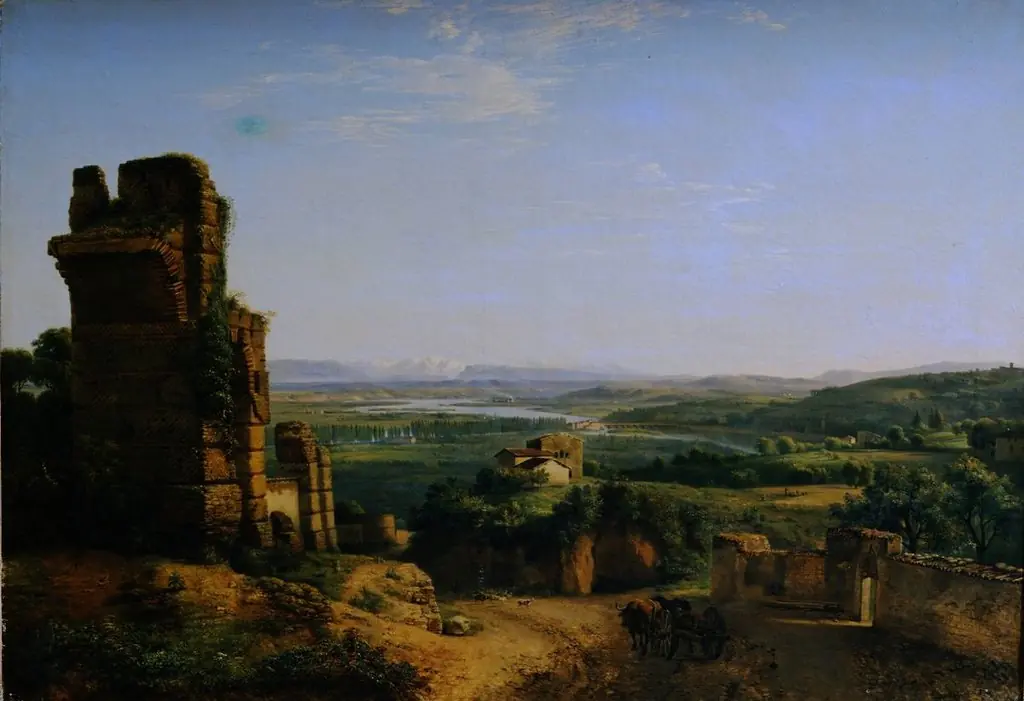 Vue des aqueducs romains sur les hauteurs de Saint-Just
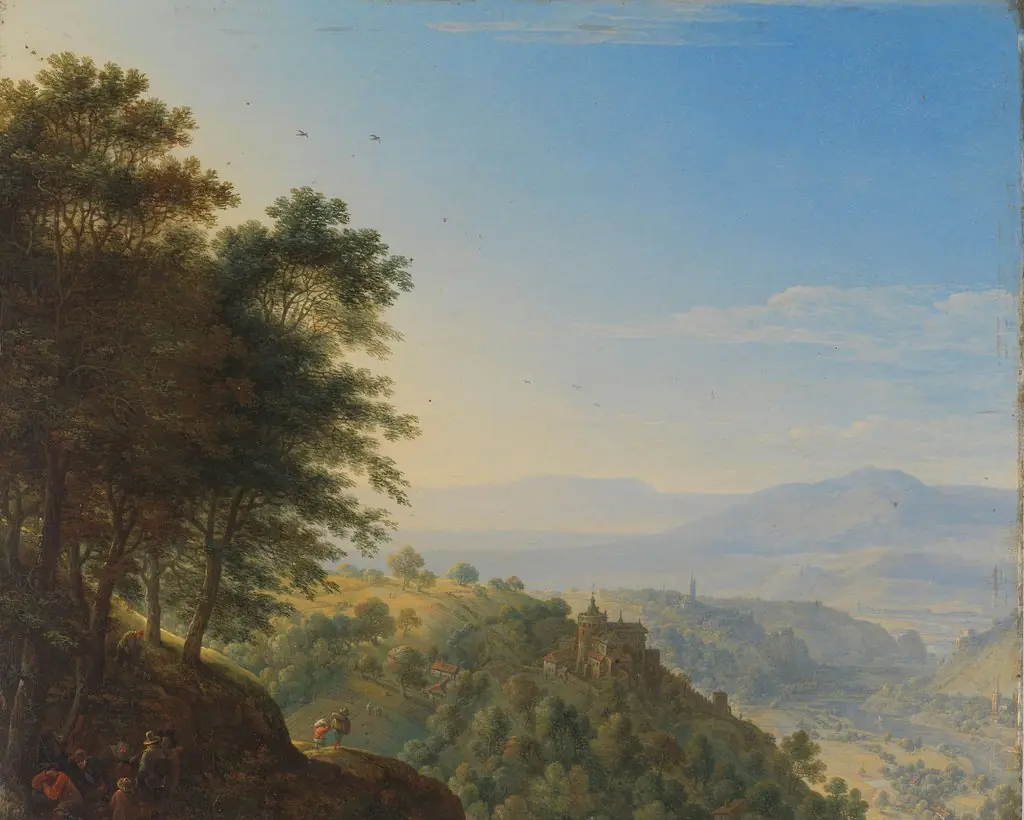 Mountainous landscape near Boppard aan de Rijn
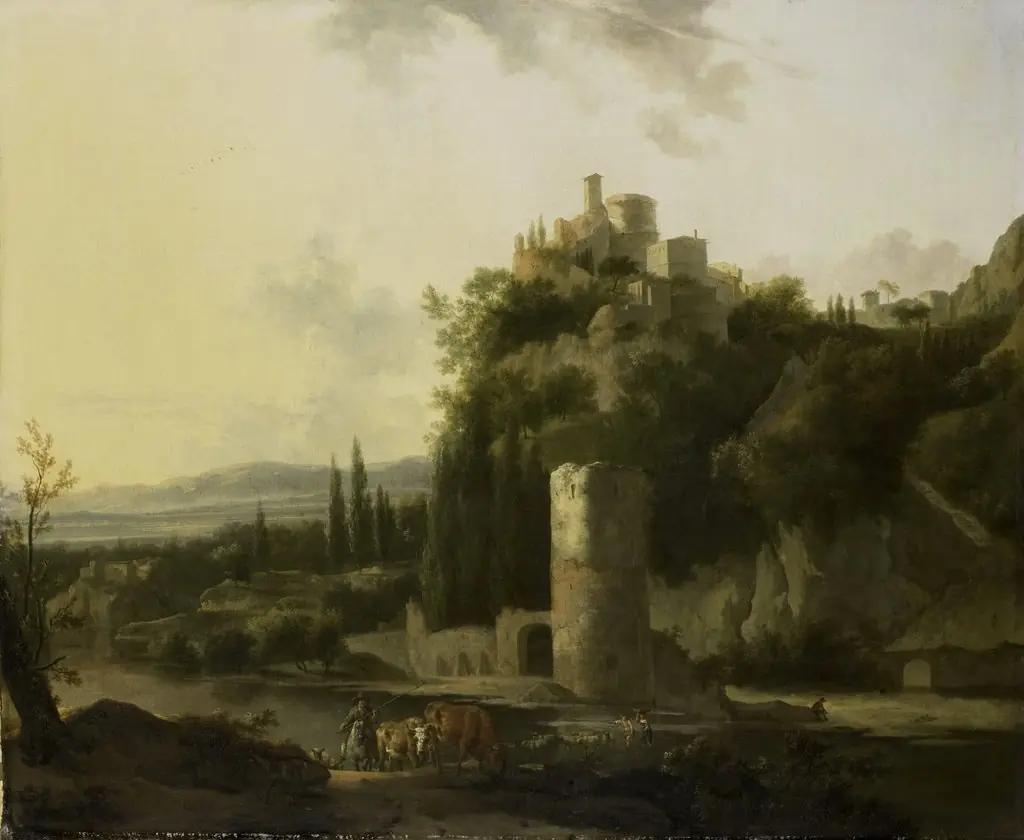 Italina landscape with round tower
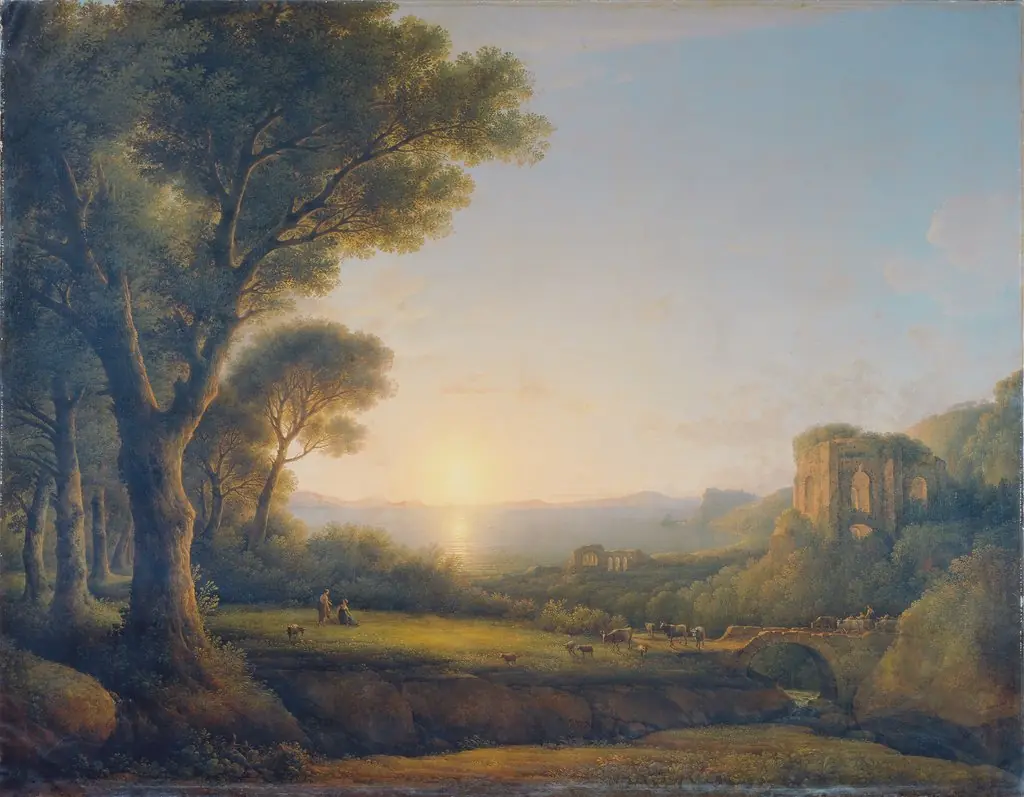 Der Meerbusen von Baiae bei Sonnenuntergang
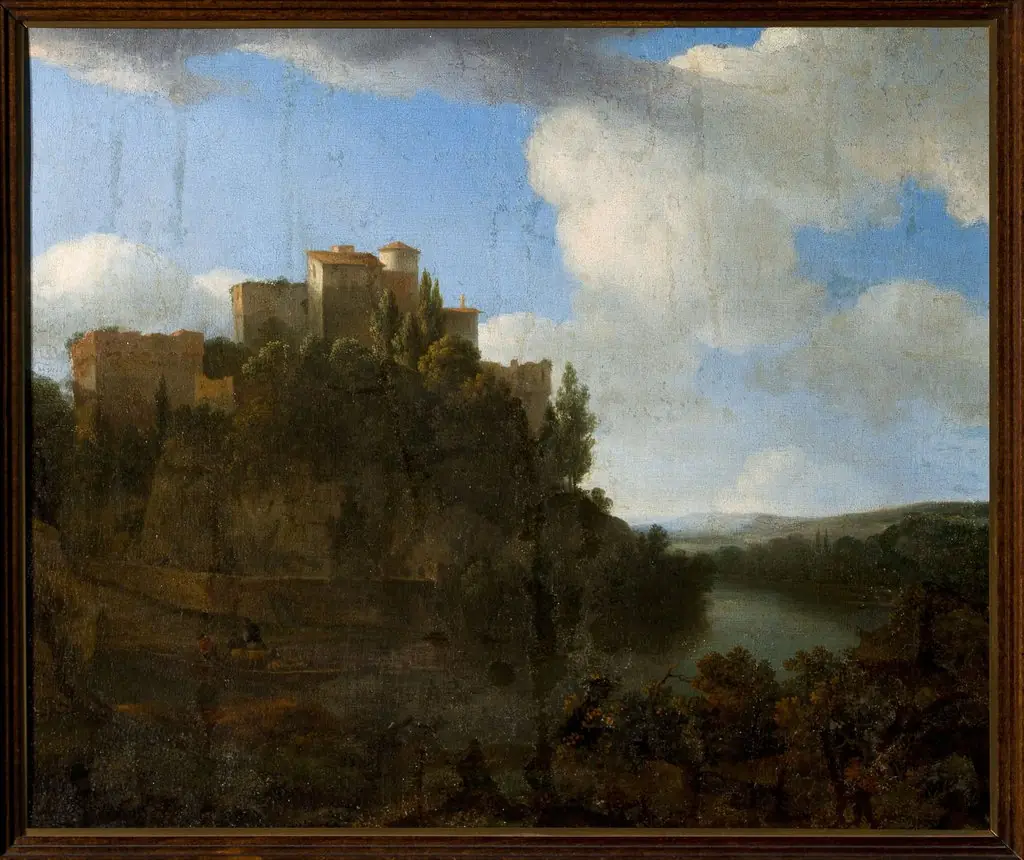 Castle in landscape
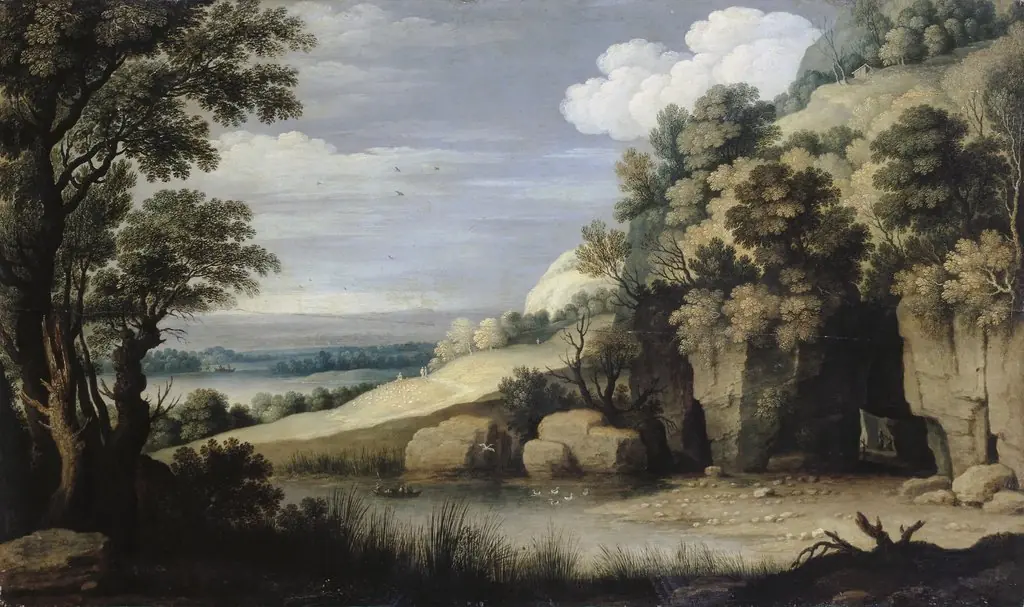 Landscape with a Lake
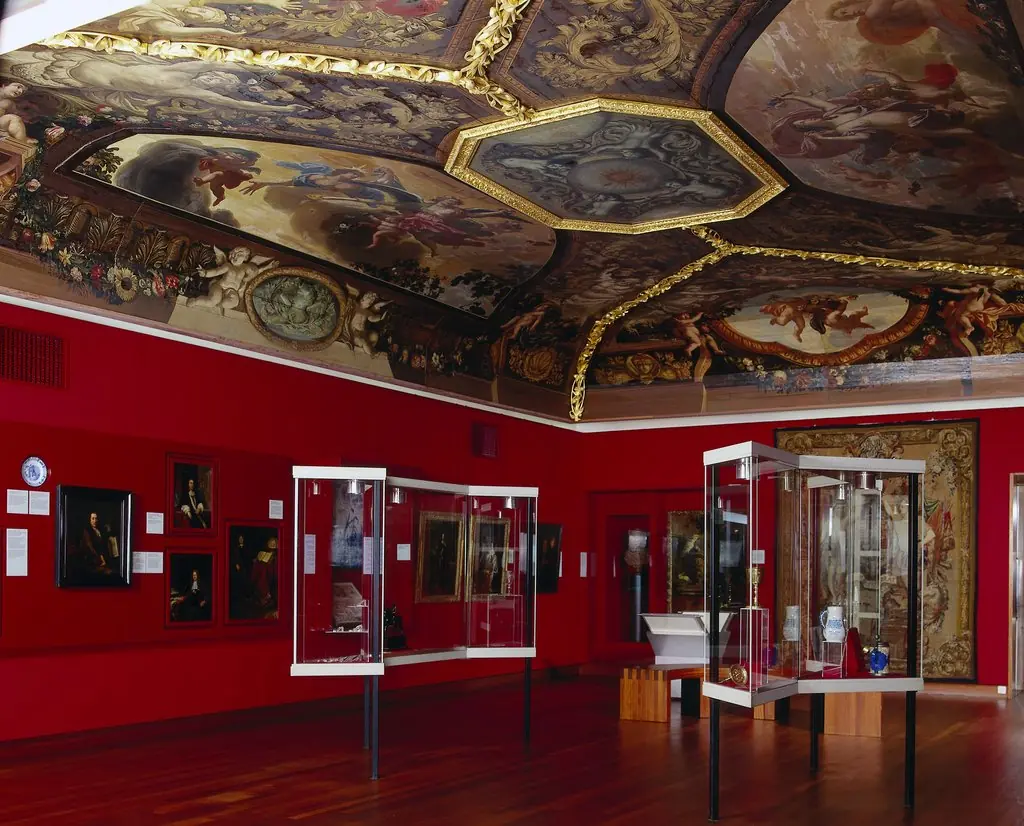 Ceiling with representations of Morning and Evening
 Ruinenlandschaft mit Christus und dem kanaanäischen Weib
 Mountain landscape
 Landschaft (zugeschrieben)
 Landscape with Tobias and the Angel
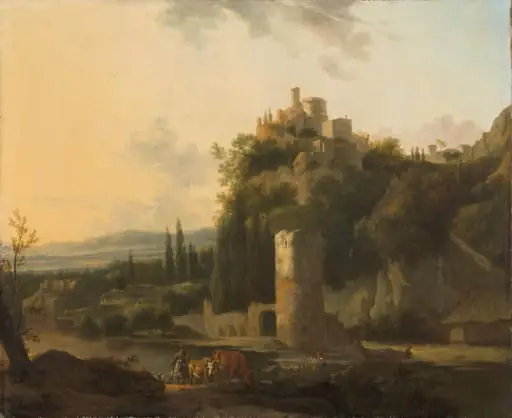 Italina landscape with round tower