Artwork
Self-Portrait of Carl Edward Bolin
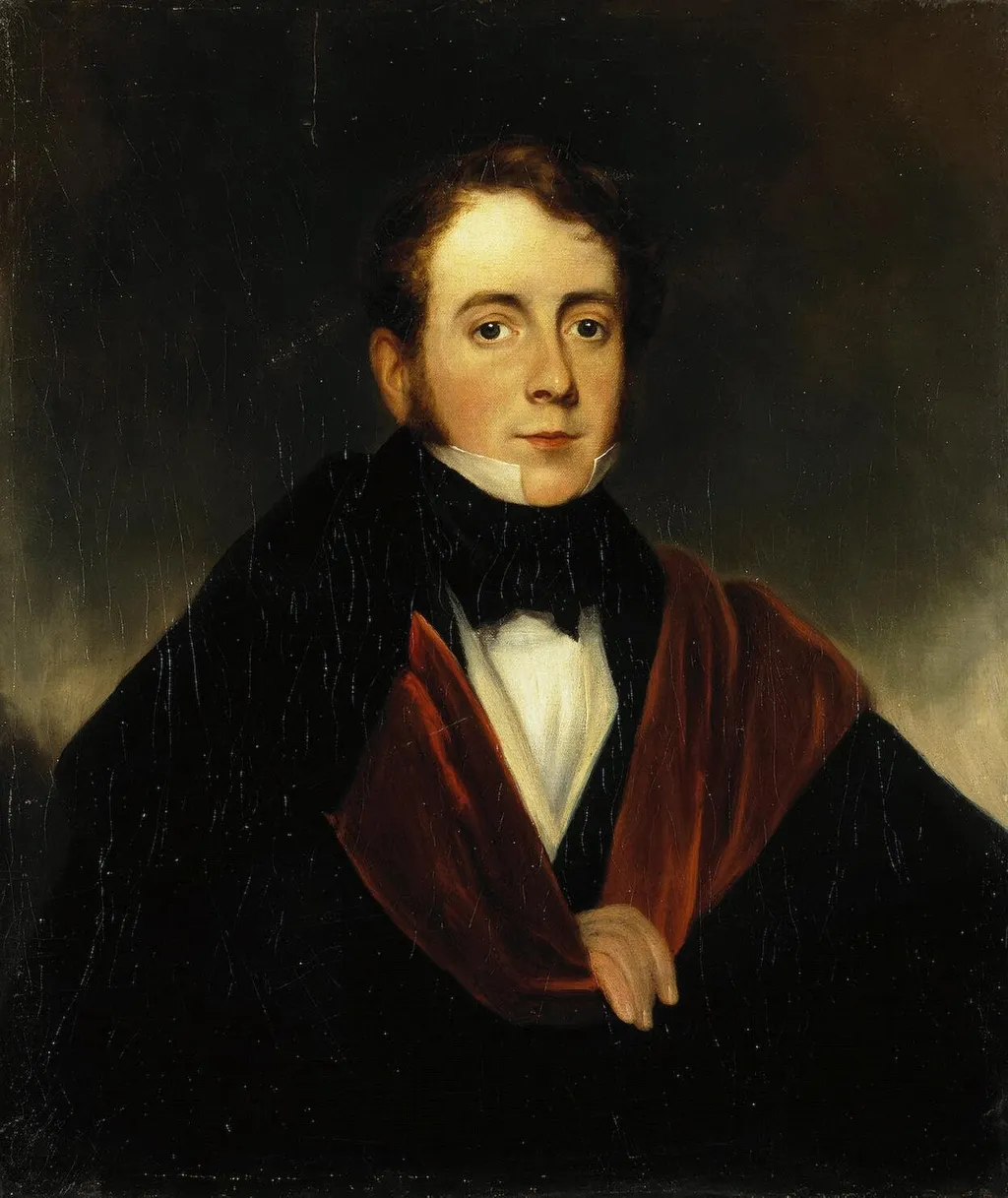
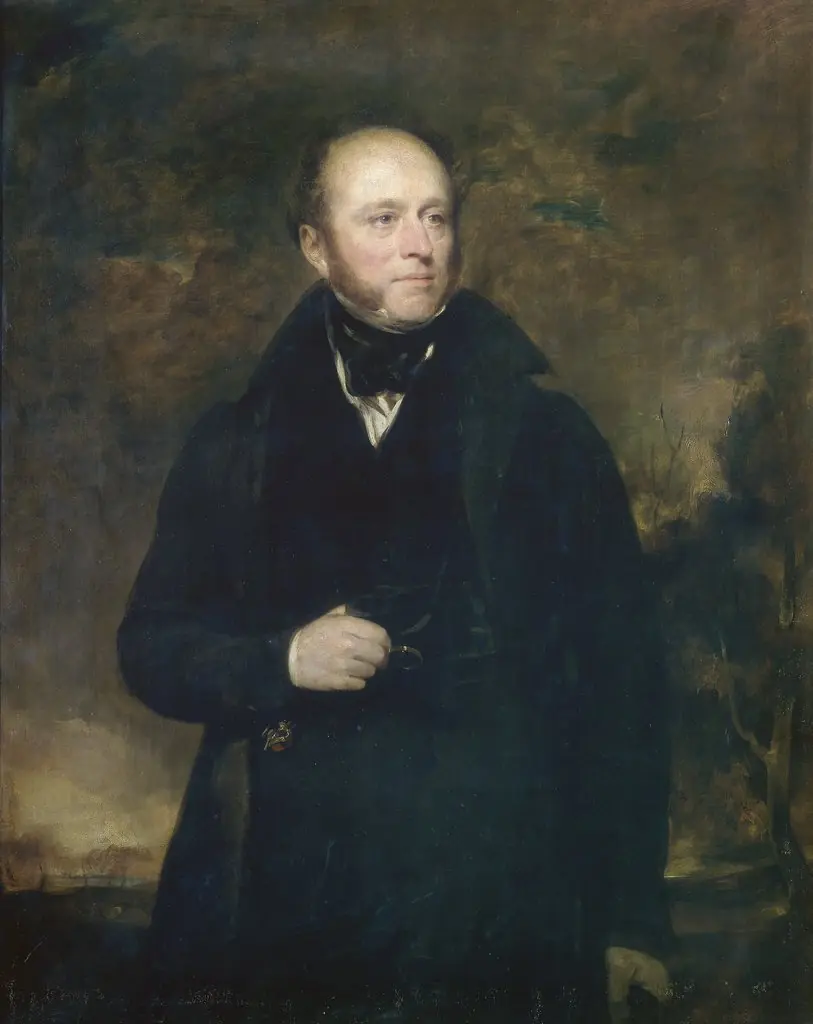
Self-Portrait of Carl Edward Bolin is an oil painting by Carl Edvard Bolin. It dates from 1835 and is held in the collection of the Hermitage Museum.
About this work
Overview
Painted in 1835, this oil portrait presents Carl Edvard Bolin as both artist and subject. Executed in a restrained palette dominated by dark tones, the work is part of the State Hermitage Museum’s collection. Its intimate scale and direct gaze reflect a tradition of introspective self-representation common among 19th-century European artists seeking to assert their identity through their craft.
Subject & Meaning
Bolin depicts himself in formal attire—a high-collared coat and white cravat—signaling professional dignity rather than personal indulgence. His steady, unsmiling gaze conveys quiet resolve, aligning with contemporary ideals of artistic seriousness. The absence of symbolic objects or elaborate setting focuses attention on the individual, suggesting an emphasis on character over circumstance.
Technique & Style
The face is rendered with subtle gradations of light, employing chiaroscuro to model the contours of forehead and cheekbones. Soft transitions between shadow and highlight avoid harsh lines, creating a lifelike presence. The background remains unadorned and dark, isolating the figure and enhancing the three-dimensionality of his features through controlled illumination.
History & Provenance
The painting entered the State Hermitage Museum’s holdings in the 19th century, likely through acquisition or donation. Its presence in a major Russian institution suggests Bolin’s work was recognized beyond his native Sweden, though little is documented about its early ownership or exhibition history prior to museum cataloging.
Context
Created during a period when self-portraiture was a standard practice for artists to demonstrate technical skill and personal identity, Bolin’s work aligns with Northern European traditions. The restrained composition and emphasis on facial expression reflect influences from Dutch and German portraiture, contrasting with the more theatrical styles emerging in France at the time.
Legacy
Though not widely reproduced or studied today, the portrait remains a quiet testament to Bolin’s presence within the 19th-century Scandinavian art scene. It preserves a visual record of an artist who, though not nationally celebrated, contributed to the broader European tradition of self-representation through disciplined, understated technique.
Artist & collection
Artist
Carl Edvard Bolin didn’t travel much. He spent his whole life in Stockholm, painting the same quiet streets and harbor views. At just 23, he gave the city a new face in *Self-Portrait* (1835), where his brushstrokes are…

 Portrait of Thomas Francis Meagher, 'Meagher of the Sword' (1823-1867), Young Irelander
 Revd. Principal David Lloyd M.A., Ll.D
 Portrait of John Jenkins
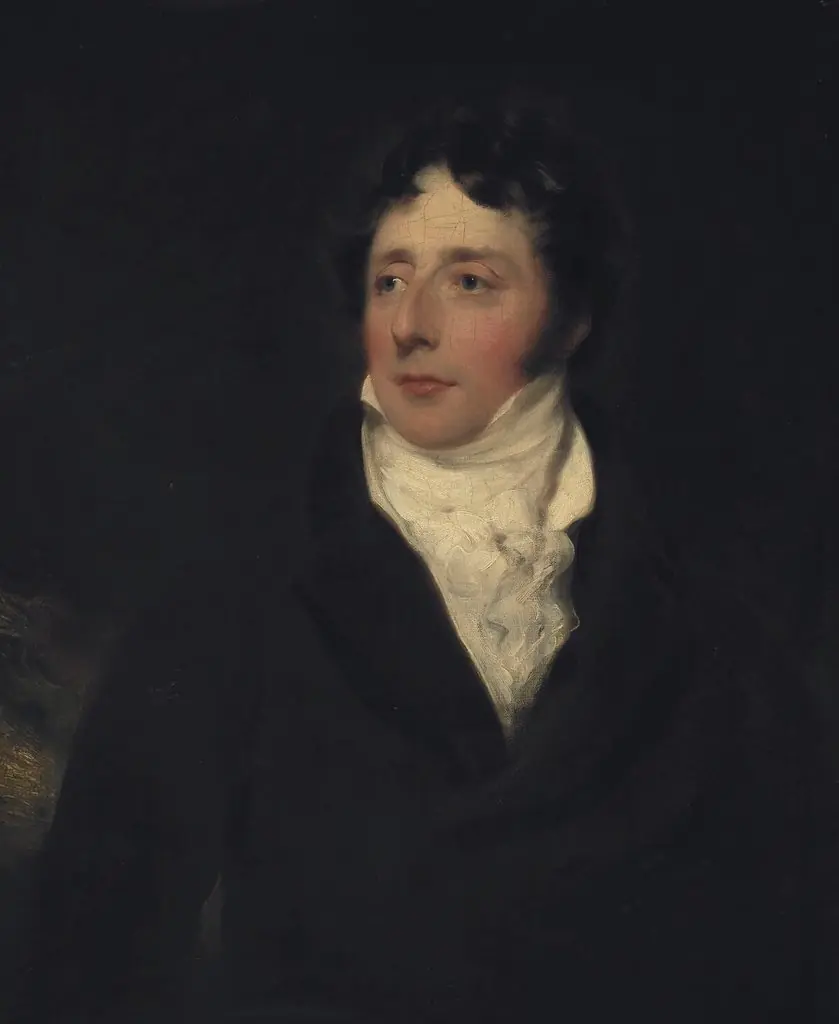 Robert Southey
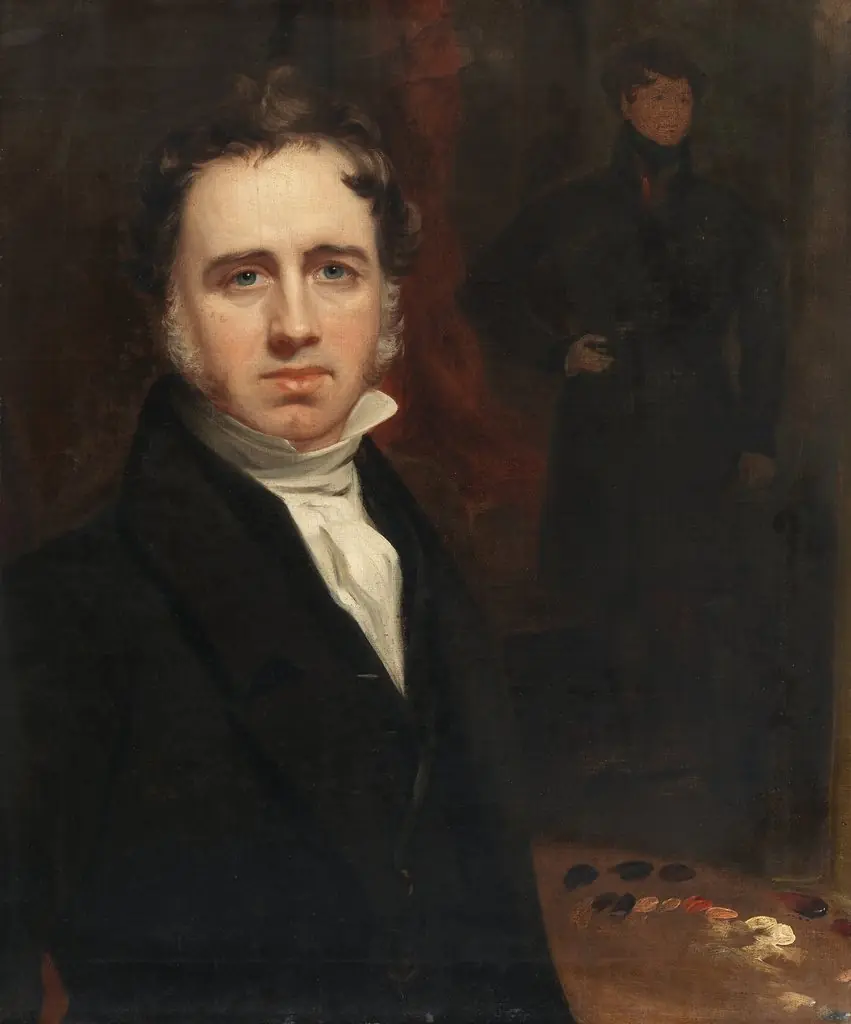 Self-Portrait
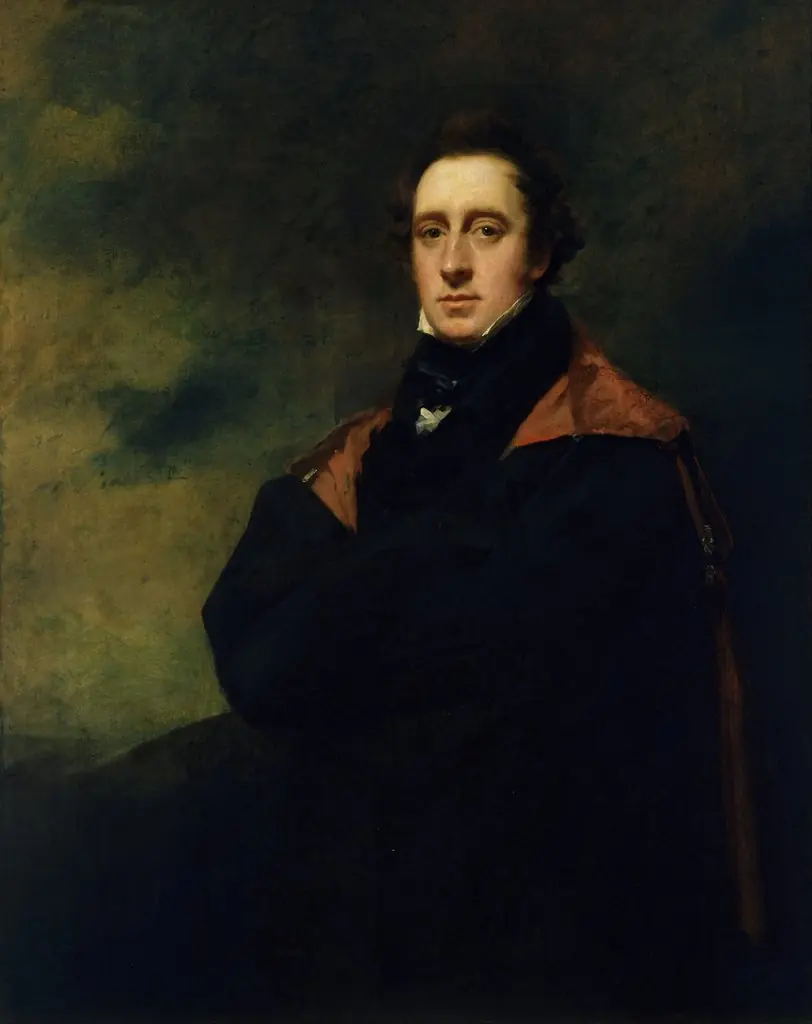 Andrew Spottiswoode
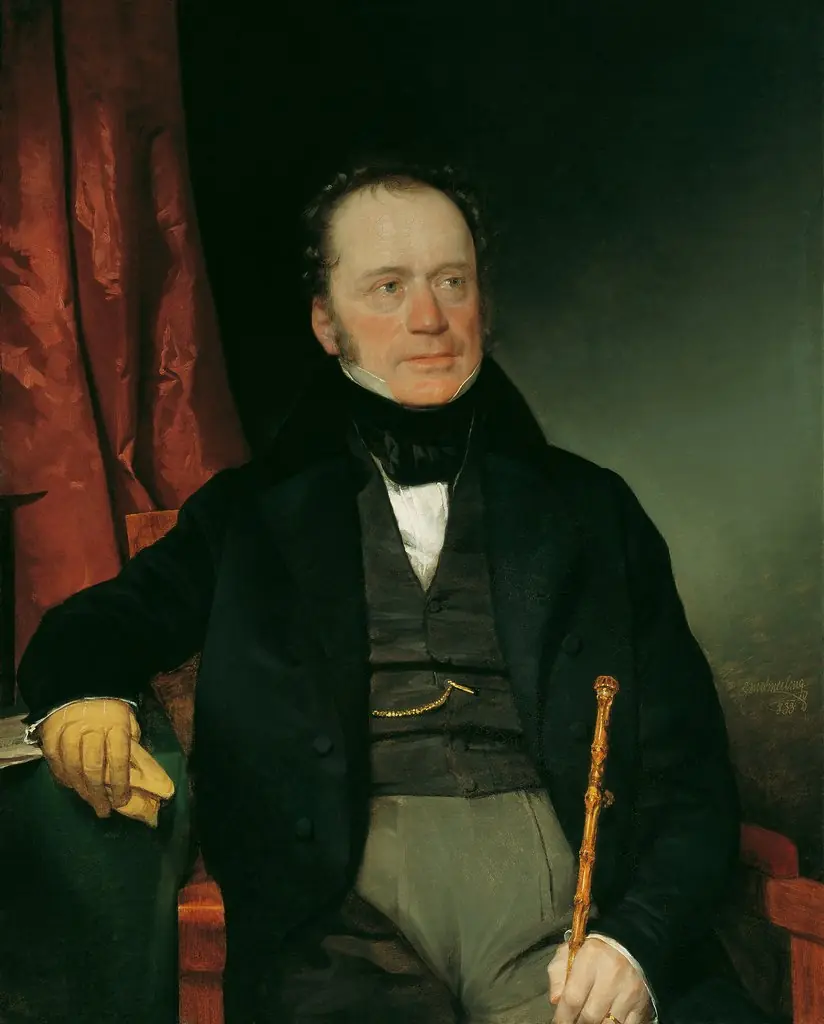 Count Breda (?)
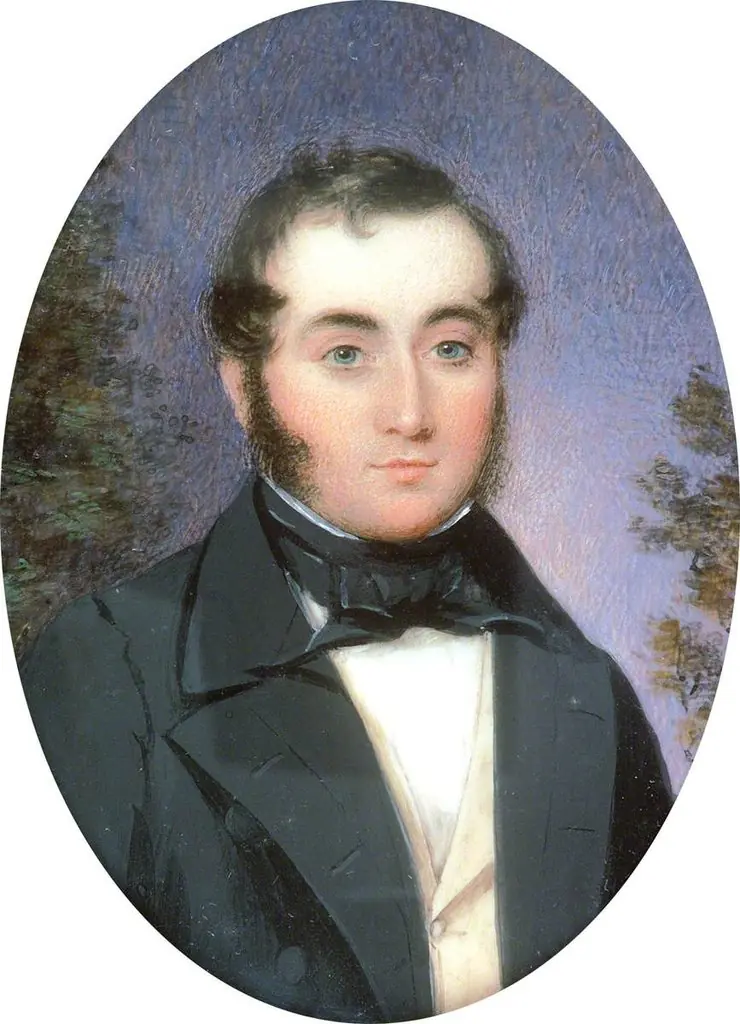 Portrait of a Gentleman in a Black Coat
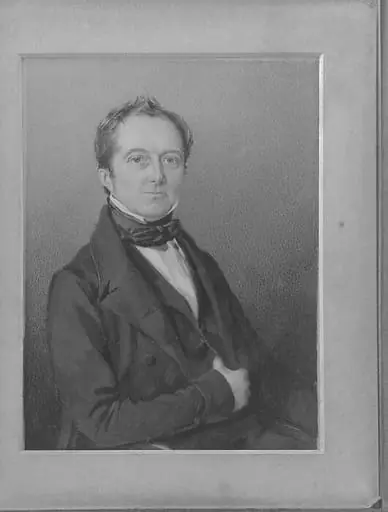 Uncle Charles
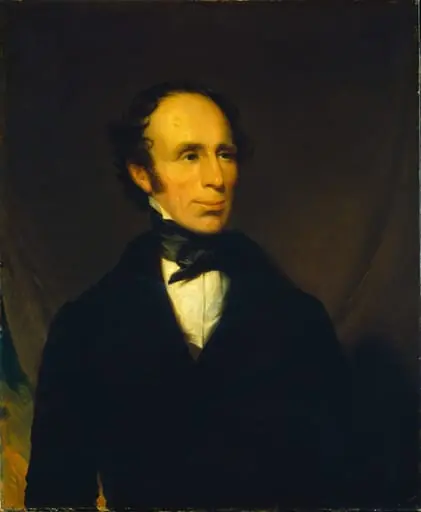 George Dodd
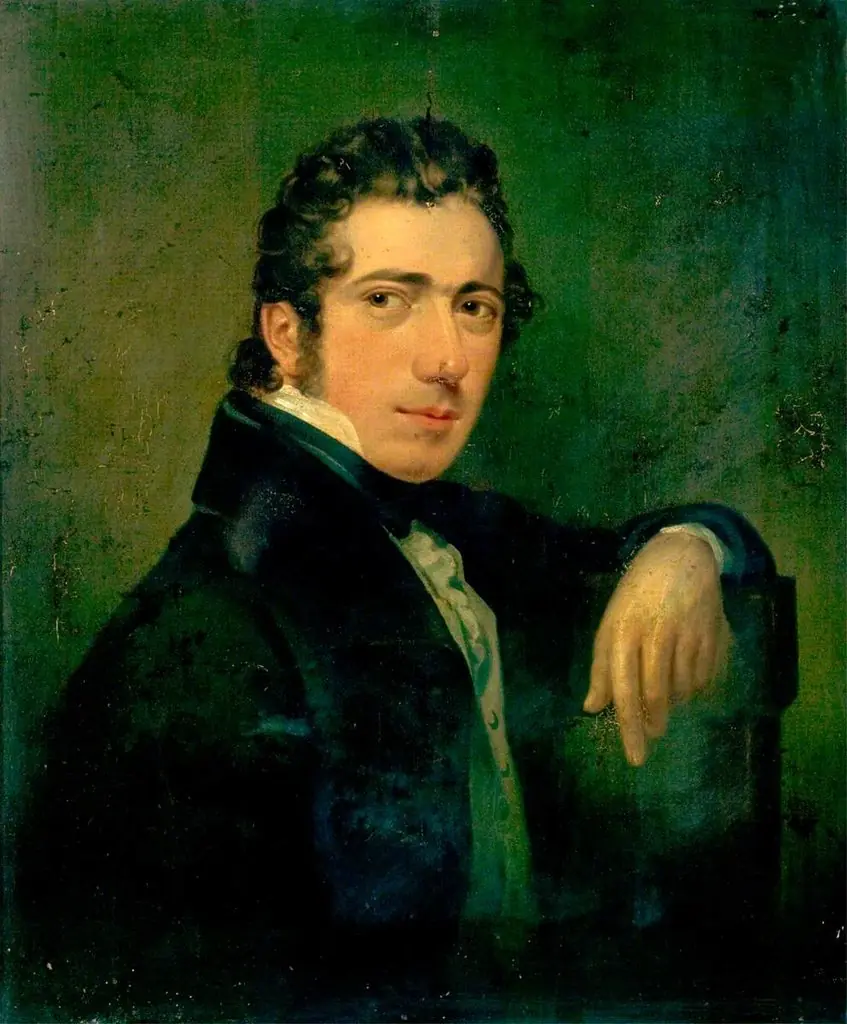 Self Portrait
 An English gentleman