Artwork
Diana
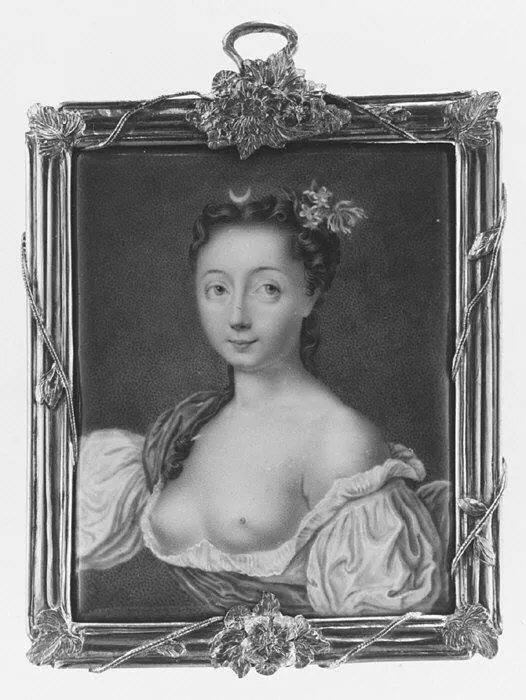
Diana is an unspecified painting by the Rococo painting artist Carl Friedrich Thienpondt. It dates from 1760 and is held in the collection of the Metropolitan Museum of Art.
About this work
Overview
This artwork, which depicts the Roman goddess Diana alongside another figure, is currently part of the collection at The Metropolitan Museum of Art.
Carl Friedrich Thienpondt completed *Diana*, a mythological painting, in 1760. This artwork, which depicts the Roman goddess Diana alongside another figure, is currently part of the collection at The Metropolitan Museum of Art. The composition presents a woman with light hair, rendered in a manner that emphasizes her form against a subdued background, characteristic of the period's interest in classical themes.
Subject & Meaning
The painting centers on Diana, the Roman goddess of the hunt, moon, and childbirth. Her presence, often associated with chastity and the wilderness, is paired with a nude figure, a common motif in mythological art of the 18th century. This pairing likely explores themes of divine power, vulnerability, or a specific narrative from classical mythology, inviting viewers to interpret the interaction between the goddess and her companion.
Technique & Style
Thienpondt's artistic approach in *Diana* emphasizes strong contrasts between light and shadow, a technique reminiscent of *chiaroscuro*. This method draws attention to the central figure's illuminated face and form, setting them distinctly against a plain, dark background. The woman's light hair, simple sleeveless dress, and composed posture, with hands resting on her chest, are rendered with an understated elegance. The seemingly simple yet carefully draped fabric further contributes to the work's classical aesthetic, framed by an ornate silver design.
Artist & collection
Artist
Carl Friedrich Thienpondt (1720–1796) was an artist, born in Berlin.
