Artwork
A Hermit in the Mountains
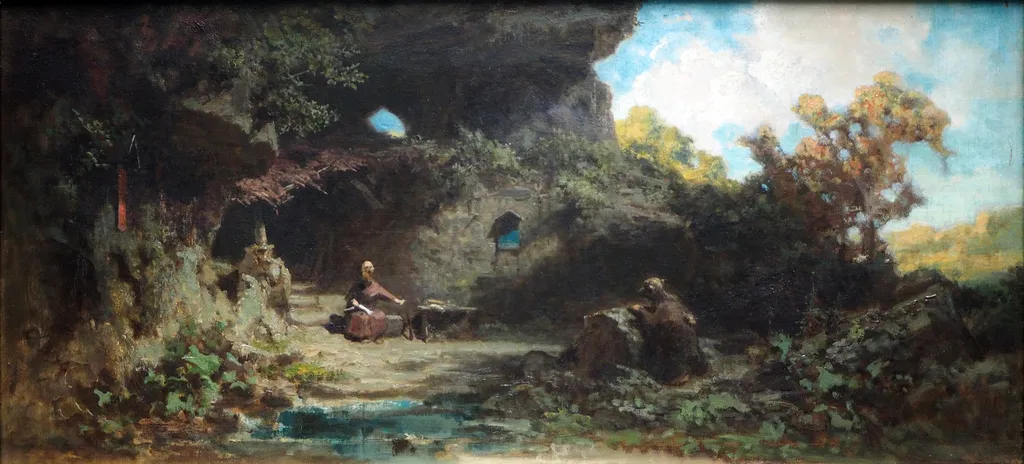
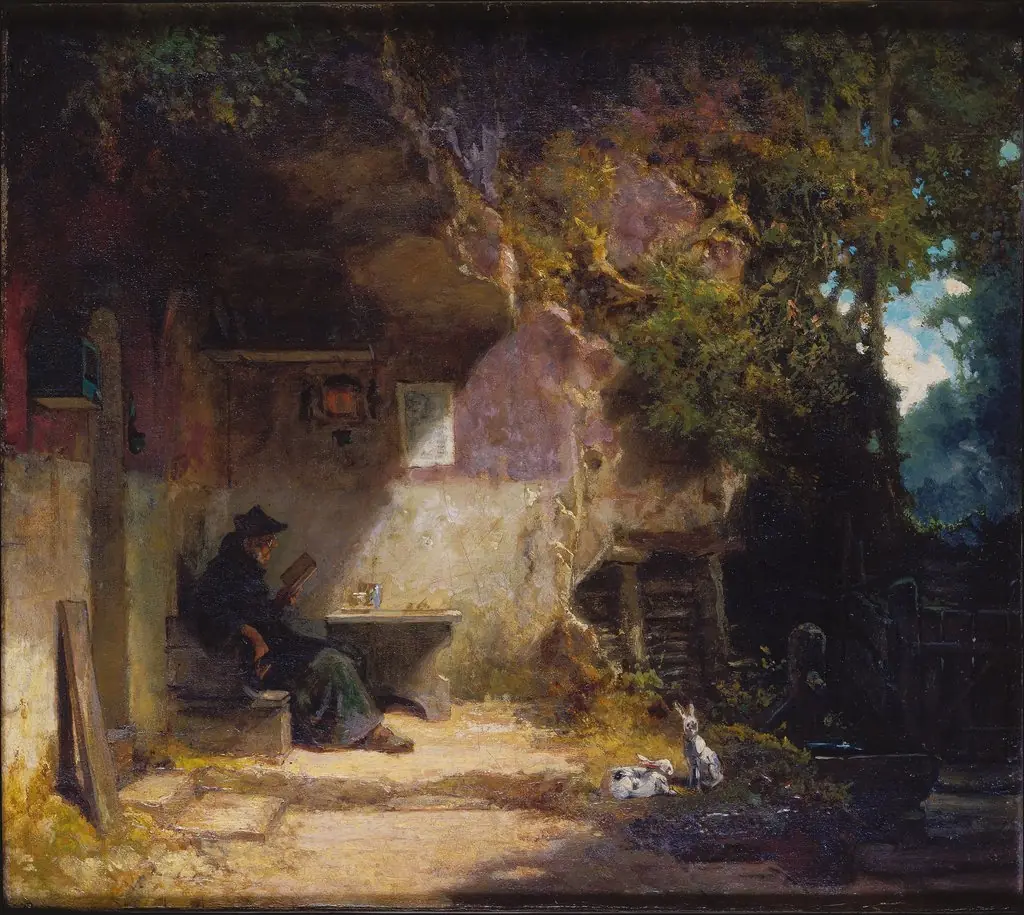
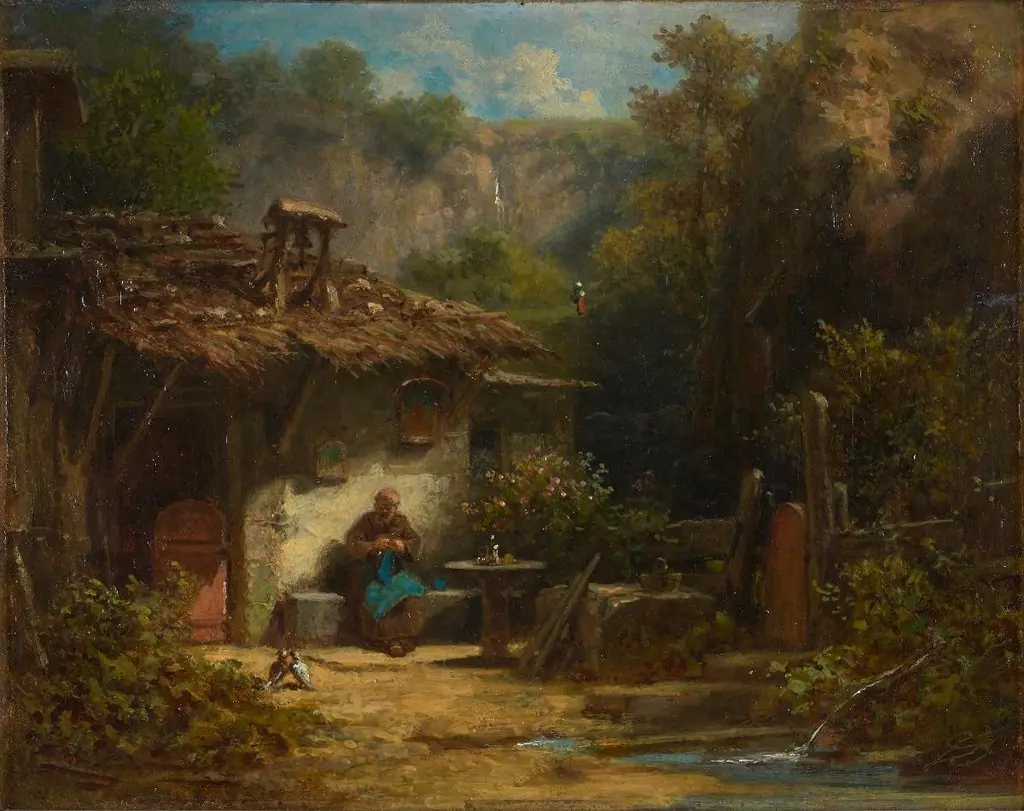
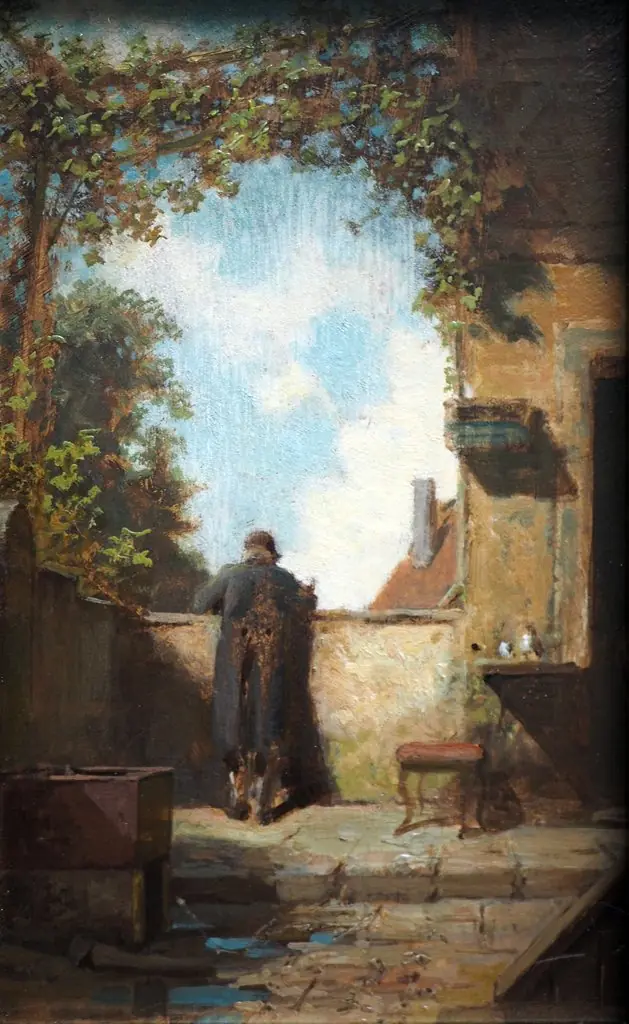
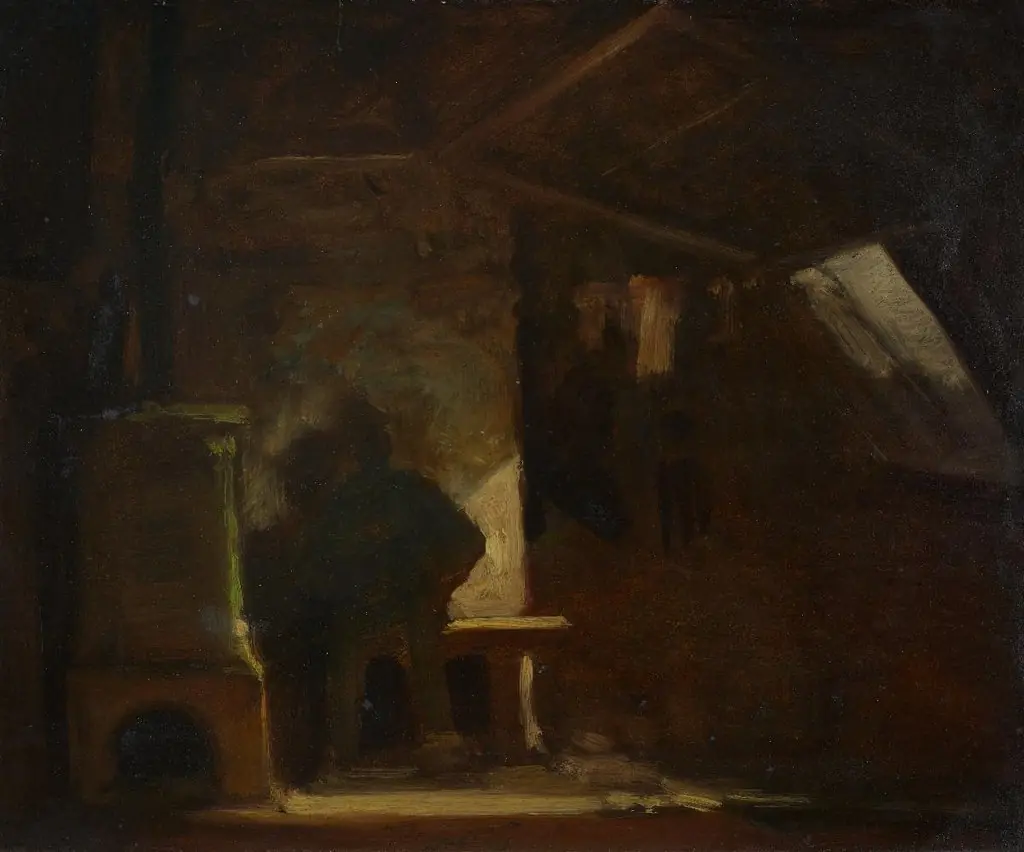
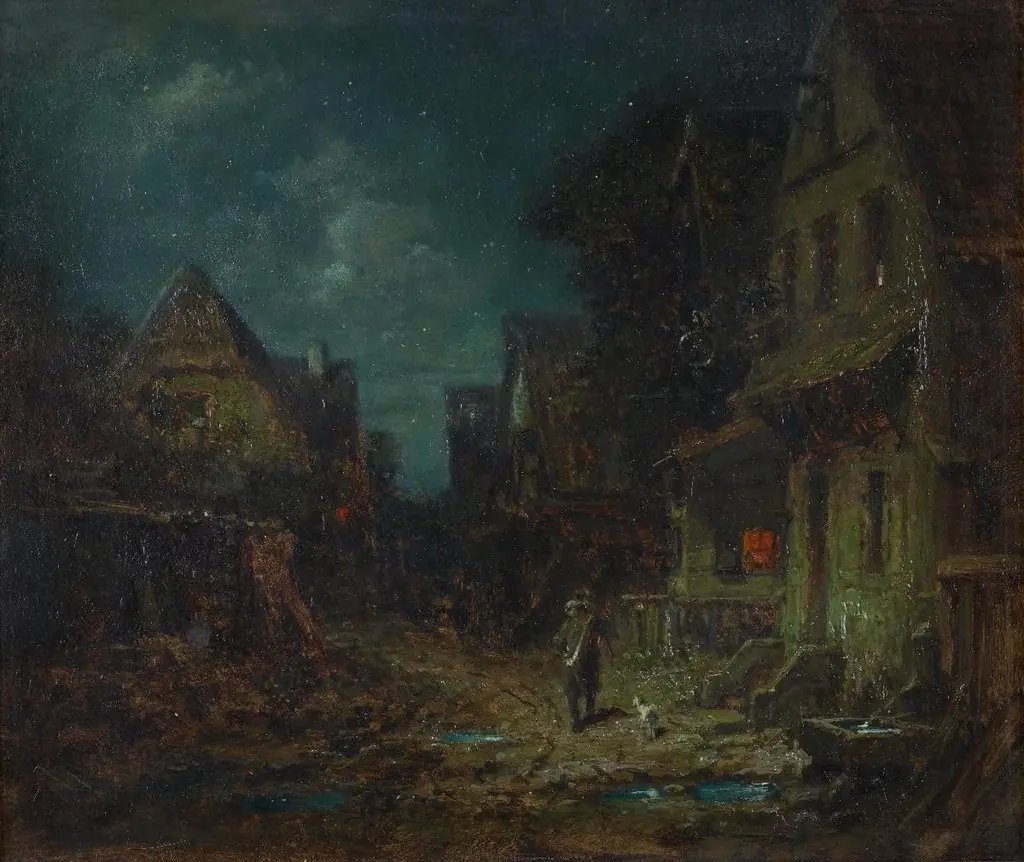
A Hermit in the Mountains is an oil painting by the Biedermeier artist Carl Spitzweg. It dates from 1870 and is held in the collection of the Hamburger Kunsthalle.
About this work
Overview
Spitzweg, associated with the German Biedermeier tradition, favored quiet, everyday moments rendered with gentle humor and observation.
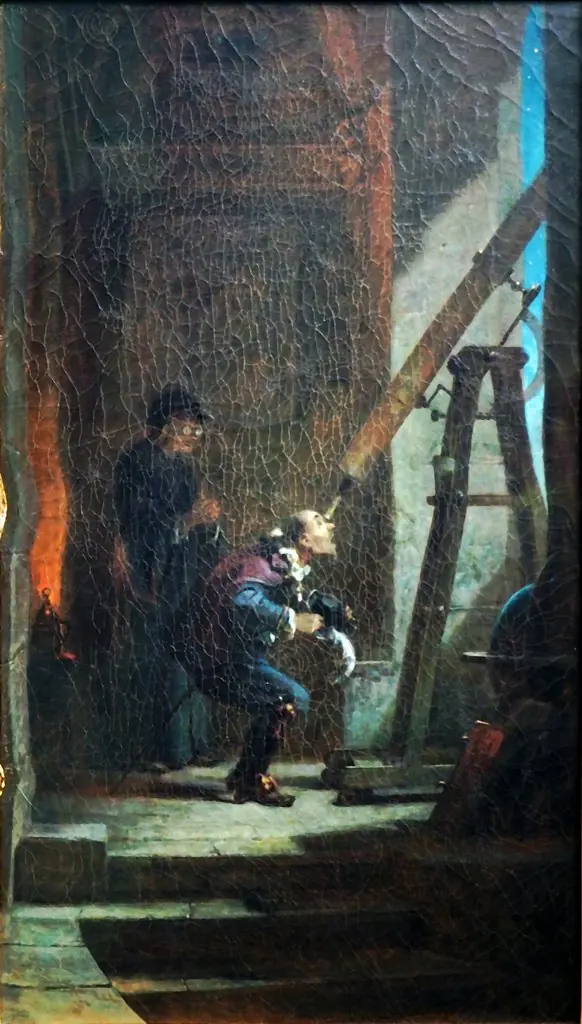
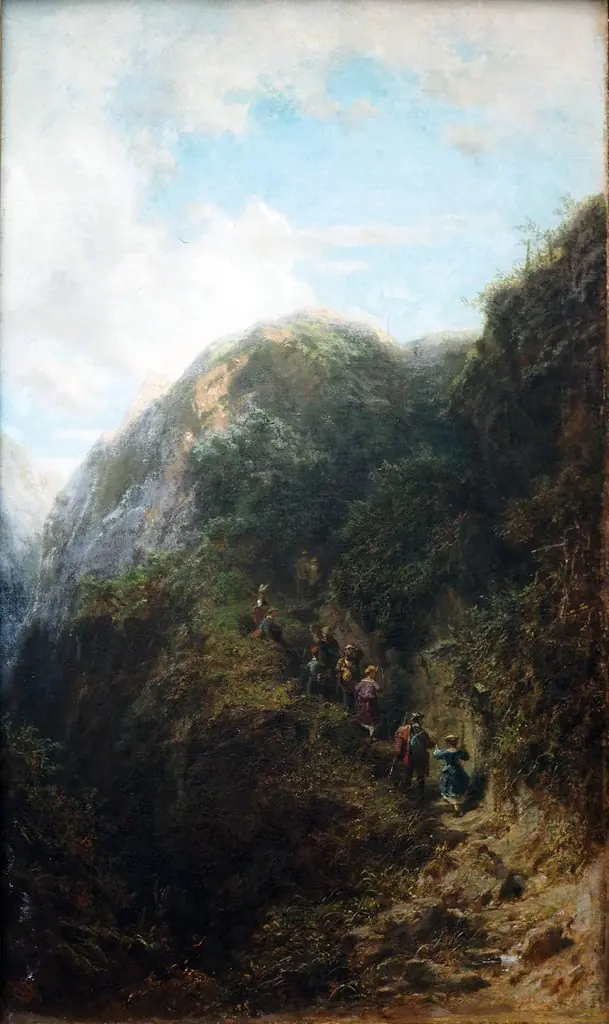
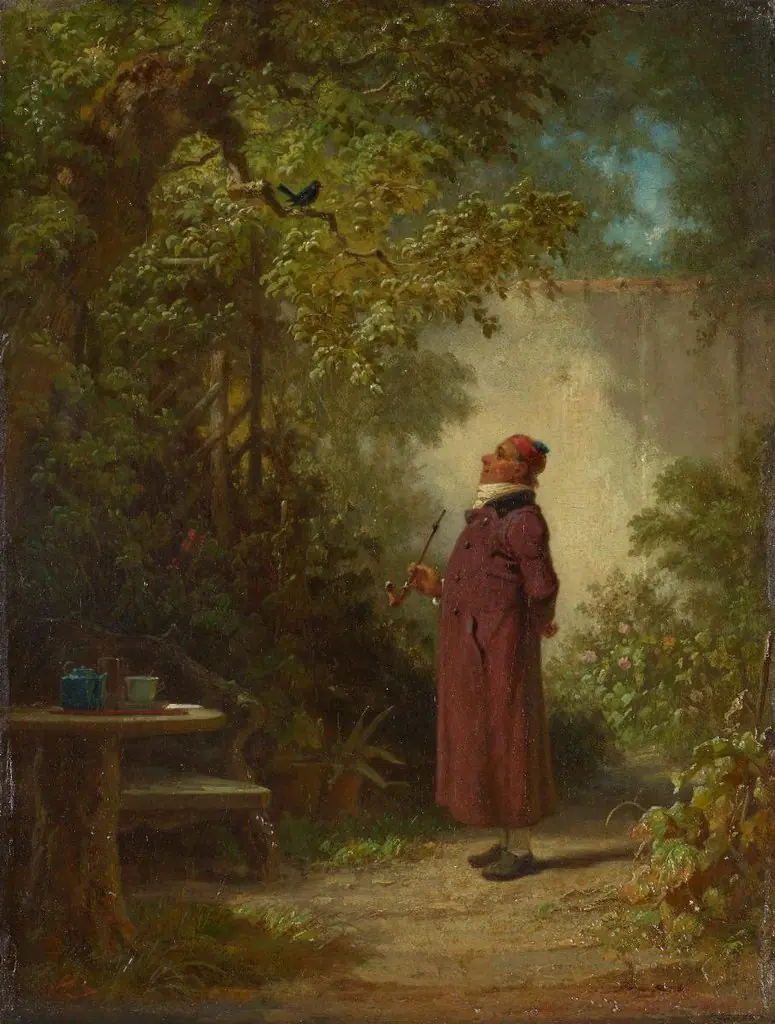
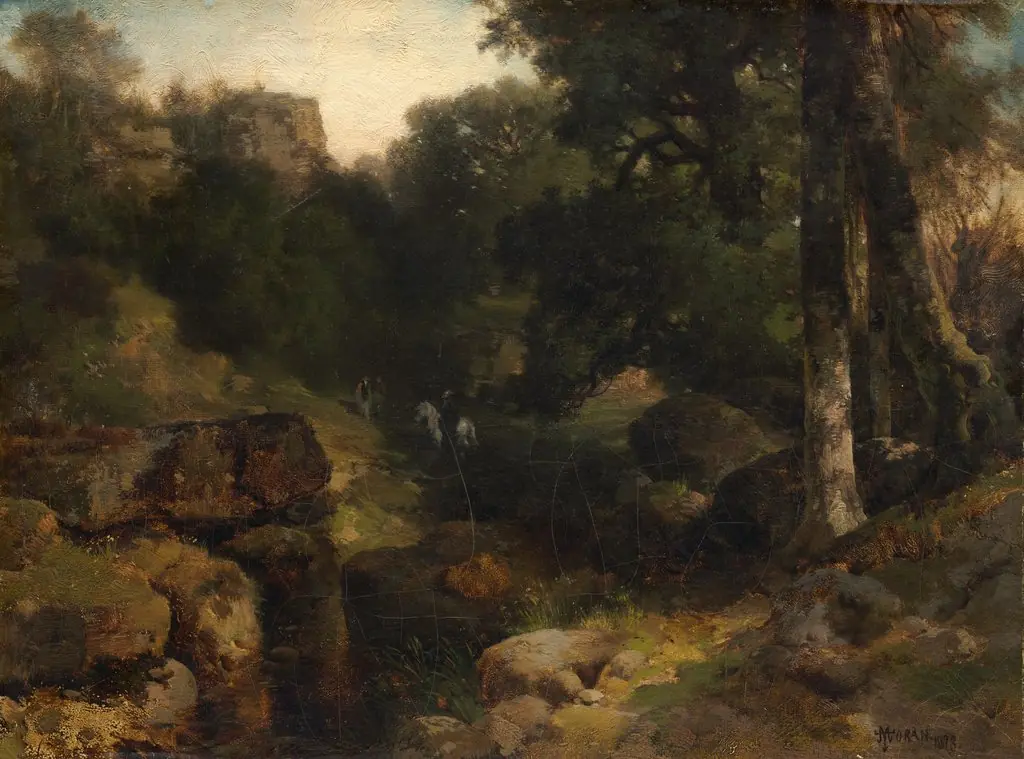
Painted in 1870 by Carl Spitzweg, this oil on canvas depicts a solitary figure in a remote alpine setting. Spitzweg, associated with the German Biedermeier tradition, favored quiet, everyday moments rendered with gentle humor and observation. The scene captures a hermit in contemplation, accompanied by a bear, set against a backdrop of dense forest and distant peaks. The painting resides in the Hamburger Kunsthalle, reflecting its enduring place in 19th-century German art collections.
Subject & Meaning
The hermit, dressed in modest robes, sits beside a small fire, seemingly undisturbed by the presence of a bear nearby. Rather than portraying religious asceticism, the image suggests a quiet withdrawal from society, blending natural harmony with domestic simplicity. The bear, neither threatening nor tamed, implies coexistence rather than dominance. The figure’s stillness and the unspoiled landscape evoke a life removed from urban complexity, emphasizing solitude as a form of peace.
Technique & Style
Spitzweg employed soft, blended brushwork to render the misty mountain horizon and the lush, textured foliage. Warm earth tones and muted greens dominate the palette, enhancing the scene’s calm atmosphere. The hermit’s figure is rendered with subtle detail, contrasting with the looser handling of the background. Light falls gently across the clearing, suggesting late afternoon, reinforcing the mood of quiet reflection without dramatic contrast or heightened emotion.
History & Provenance
Created in 1870, the painting entered the collection of the Hamburger Kunsthalle in the late 19th century, likely through acquisition or donation during a period of growing interest in Biedermeier art. Its preservation within the museum’s holdings reflects its recognition as a representative work of Spitzweg’s mature style. No significant alterations or restorations are documented, and its condition remains consistent with careful stewardship over more than a century.
Context
In the decades following the 1848 revolutions, German middle-class audiences favored art that celebrated domestic tranquility and nature as refuge from political upheaval. Spitzweg’s hermits and eccentrics resonated with this longing for simplicity. While other artists pursued grand historical or romantic themes, he focused on understated, intimate scenes—offering a quiet counterpoint to the era’s turbulence through the lens of rural solitude.
Legacy
Spitzweg’s depiction of the hermit influenced later portrayals of solitary figures in German art, reinforcing the cultural association between nature and introspection. Though not widely exhibited abroad, the painting remains a touchstone in German museum collections for its restrained emotion and precise observation. It continues to be studied as an example of how everyday solitude could be rendered with dignity and subtle narrative depth.
Artist & collection
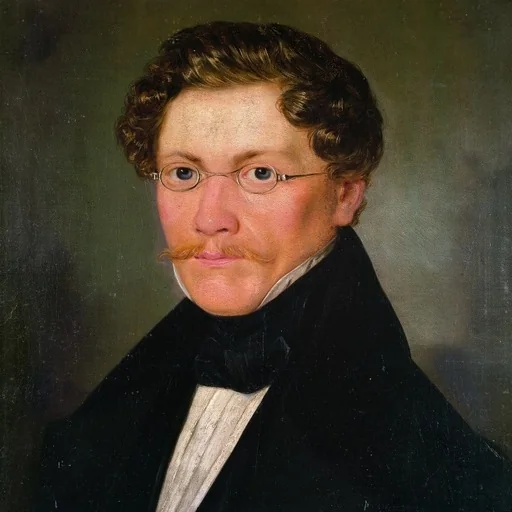
Artist
Carl Spitzweg (February 5, 1808 – September 23, 1885) was a German romantic painter, especially of genre subjects. He is considered to be one of the most important artists of the Biedermeier era.