Artwork
Saint Nicholas of Bari
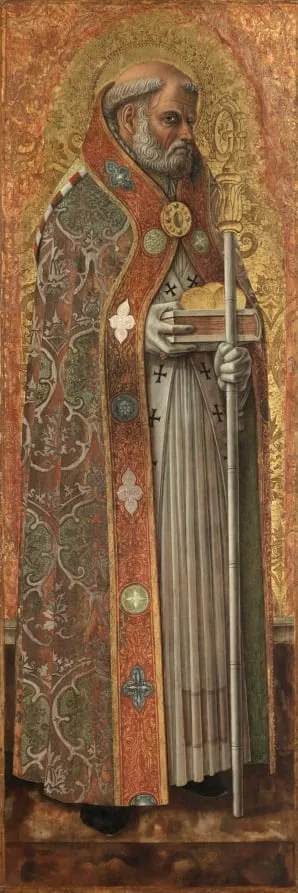
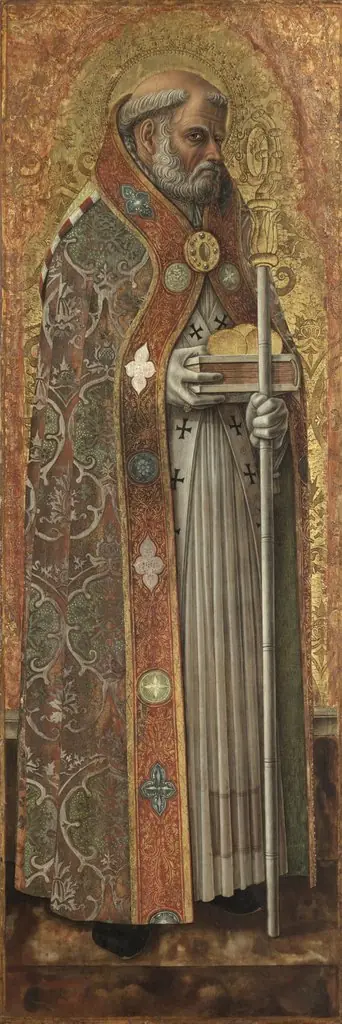
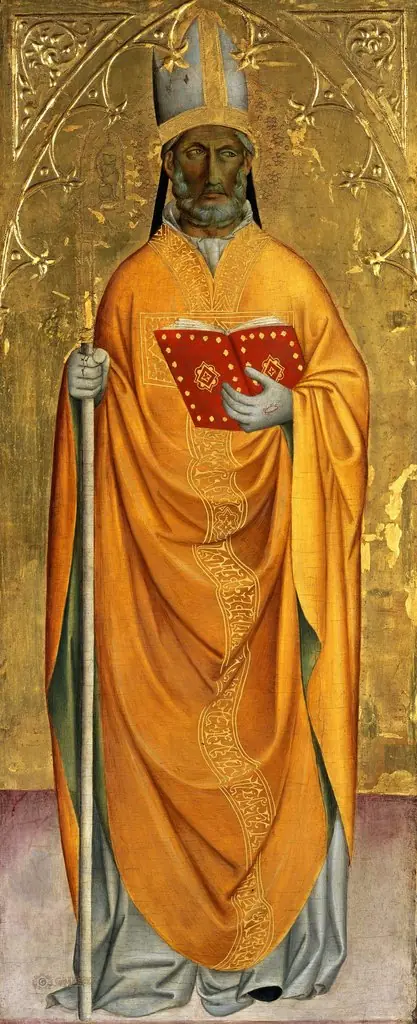
Saint Nicholas of Bari is an unspecified painting by the Early Baroque Italian artist Carlo Crivelli. It dates from 1472 and is held in the collection of the Cleveland Museum of Art.
About this work
Back then most artists skipped gold backgrounds for more realistic scenes.
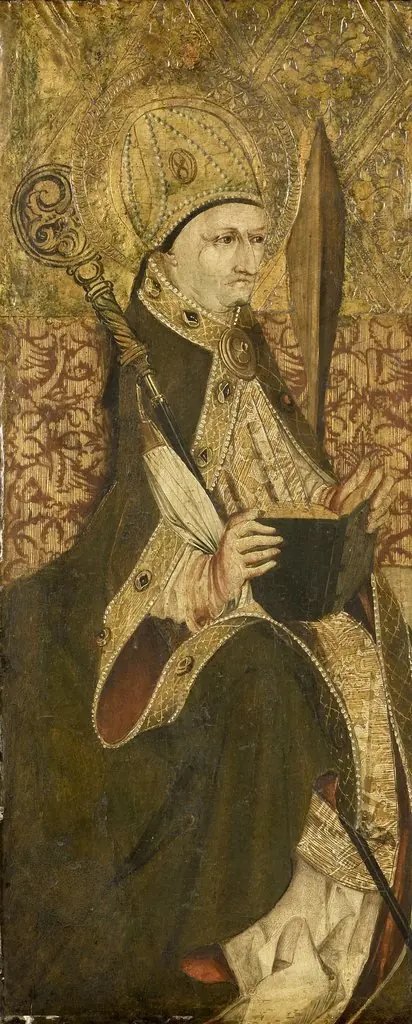
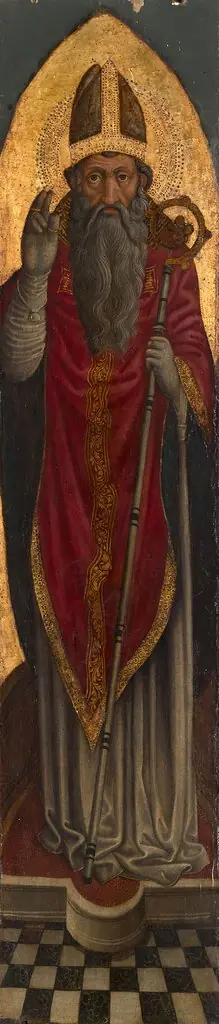
This painting shows Saint Nicholas dressed in fancy bishop clothes. His robes are gold and red with thick embroidery. One hand holds a tall staff. A gold halo glows behind his head.
Crivelli painted this in 1472. Back then most artists skipped gold backgrounds for more realistic scenes. He kept the gold anyway, making the saint look almost like a holy statue.
It’s worth a look next time you’re at the Cleveland Museum of Art.
Overview
This 1472 painting by Carlo Crivelli depicts Saint Nicholas of Bari, a 4th-century bishop revered as a patron saint of children, sailors, and travelers. The work showcases Crivelli's distinctive Late Gothic style.
Subject & Meaning
Saint Nicholas is portrayed in episcopal attire, symbolizing his bishopric of Myra. His elaborate cope, morse, and crosier emphasize his ecclesiastical authority, while the gold halo signifies his sanctity.
Technique & Style
Crivelli employs a gold-ground technique, contrasting with the prevailing naturalistic backgrounds of his time. This conservative approach, influenced by his Veneto upbringing, creates a static, statue-like effect.
History & Provenance
Painted in 1472, during Crivelli's time in the March of Ancona, the work reflects his developed personal style, divergent from his Venetian contemporaries like Giovanni Bellini. It is now part of the Cleveland Museum of Art's collection.
Context
While Florentine artists had largely abandoned gold backgrounds by the mid-1400s, Crivelli's adherence to this tradition in 'Saint Nicholas of Bari' highlights the varied artistic preferences across different Italian regions during the Late Gothic period.
Artist & collection

Artist
Carlo Crivelli (c. 1430 – c. 1495) was an Italian Renaissance painter of conservative Late Gothic decorative sensibility, who spent his early years in the Veneto, where he absorbed influences from the Vivarini,…