Artwork
St. Jerome
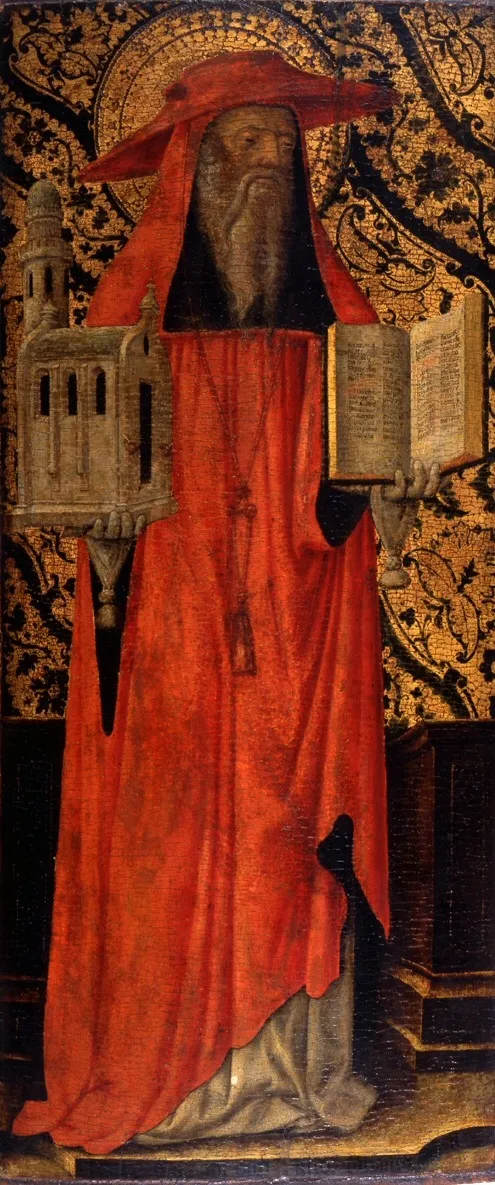
St. Jerome is an oil painting by the Early Renaissance artist Giovanni d'Alemagna. It dates from 1444 and is held in the collection of the Walters Art Museum.
About this work
Overview
Painted in 1444 by Giovanni d'Alemagna, this oil-on-panel work portrays Saint Jerome, a Church Father known for translating the Bible into Latin.
Painted in 1444 by Giovanni d'Alemagna, this oil-on-panel work portrays Saint Jerome, a Church Father known for translating the Bible into Latin. The painting is part of the Walters Art Museum’s collection, where it remains as a rare surviving example of early Renaissance devotional art from northern Italy. Its small scale and rich detail suggest it was intended for private contemplation rather than public display.
Subject & Meaning
Saint Jerome is depicted as a scholar in contemplation, holding a worn book—likely the Bible he translated—and a miniature building, symbolizing the Church or the Holy Land. His red robe and hood reflect his status as a cardinal, while his long beard conveys wisdom and asceticism. The objects he holds merge his scholarly and spiritual roles, emphasizing his devotion to sacred text and the institutions of faith.
Technique & Style
D'Alemagna employed fine brushwork to render textures in the fabric, beard, and architectural model, with visible strokes adding tactile depth. The deep red of Jerome’s robe contrasts sharply against a black background adorned with gold leaf patterns, a technique common in late Gothic devotional panels. The gold details suggest divine presence without overt iconography, focusing attention on the figure’s introspective demeanor.
History & Provenance
The painting’s early history is undocumented, but its style aligns with workshops active in northern Italy during the mid-15th century. It entered the Walters Art Museum in the early 20th century as part of Henry Walters’ collection of European religious art. Its preservation in near-original condition offers insight into the devotional practices of the period and the circulation of small-scale religious imagery.
Context
In the 1440s, depictions of Saint Jerome were common in private chapels and monastic settings, where his role as translator and ascetic resonated with humanist ideals. D'Alemagna’s work reflects the blending of Gothic detail with emerging Renaissance naturalism. The inclusion of symbolic objects, rather than narrative scenes, points to a shift toward intimate, personal devotion over grand liturgical imagery.
Legacy
Though Giovanni d'Alemagna is not widely known today, this painting contributes to understanding the regional diversity of early Renaissance art in Italy. Its survival allows scholars to study how devotional imagery was adapted for private use, and how symbolic objects conveyed theological meaning without relying on textual narratives. It remains a quiet testament to the spiritual culture of its time.
Artist & collection


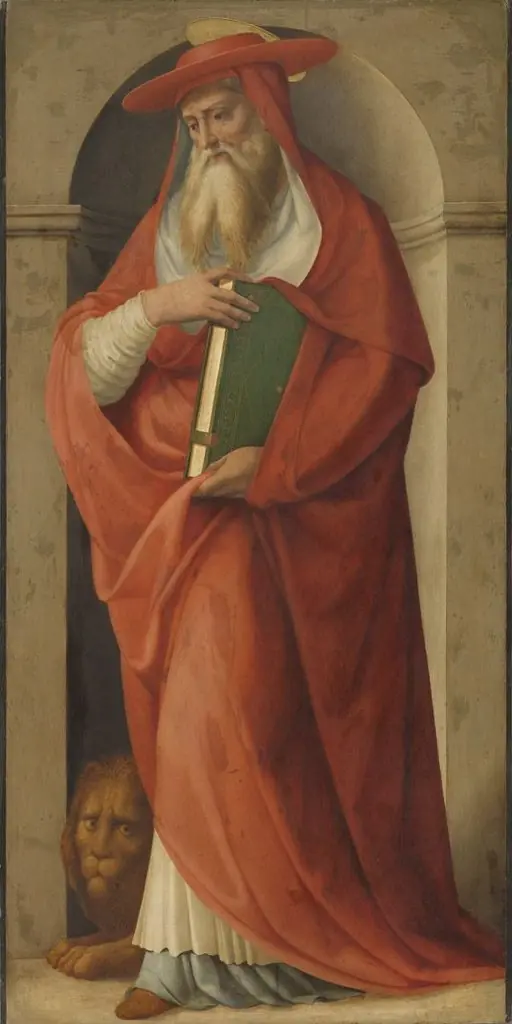 Saint Jerome
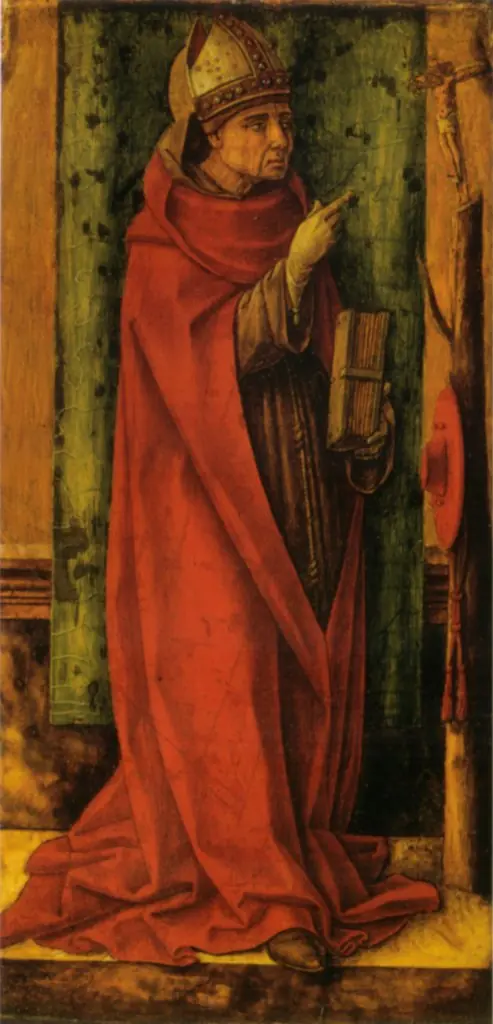 Bonaventure
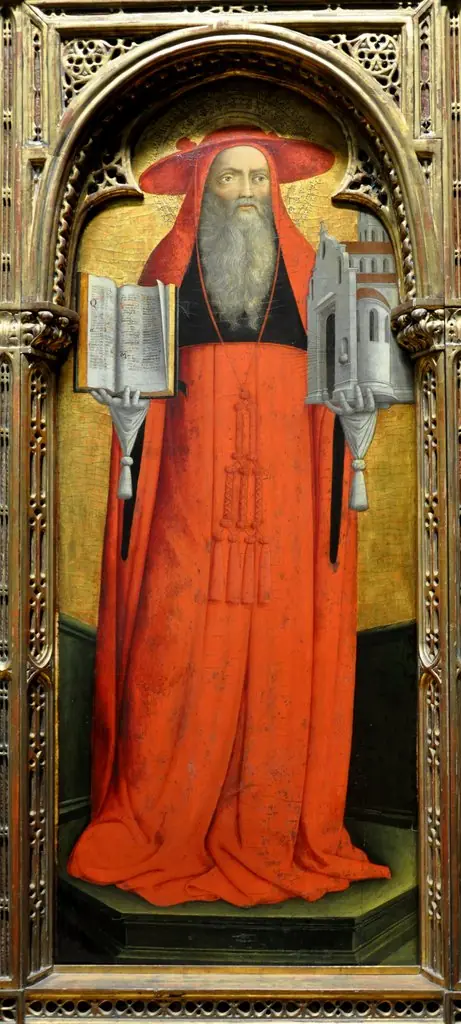 Hieronymusaltar von Santo Stefano in Venedig: Der heilige Hieronymus
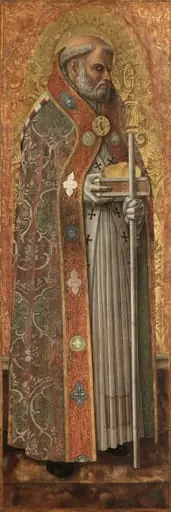 Saint Nicholas of Bari
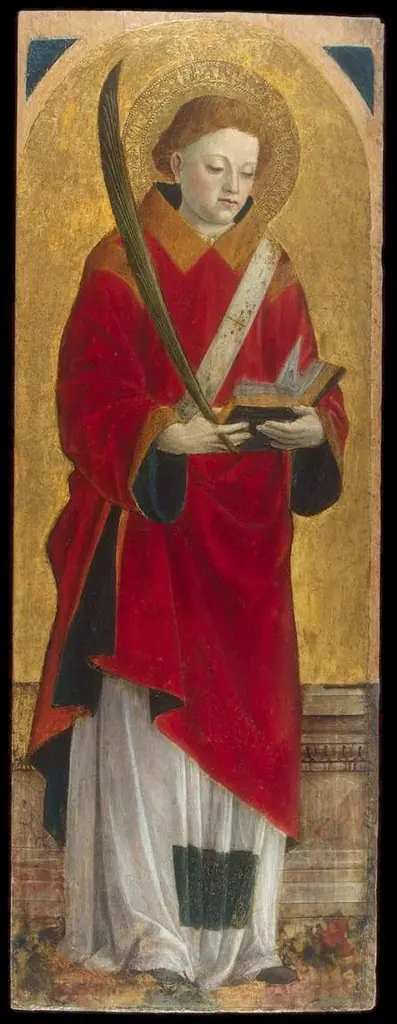 St Stephen (wing of a polyptych)
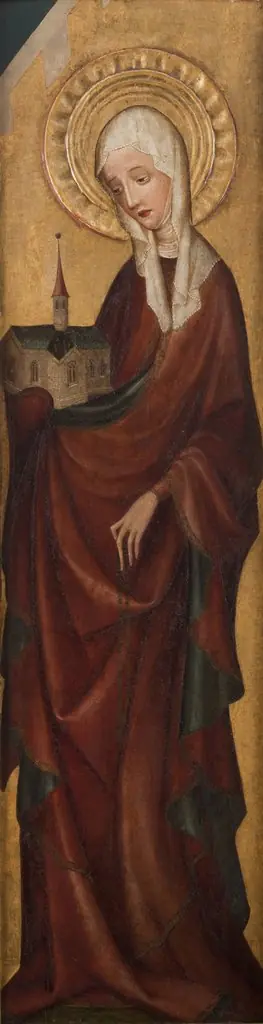 St Hedwig of Silesia. The wing from the altar retable from Trzebunia
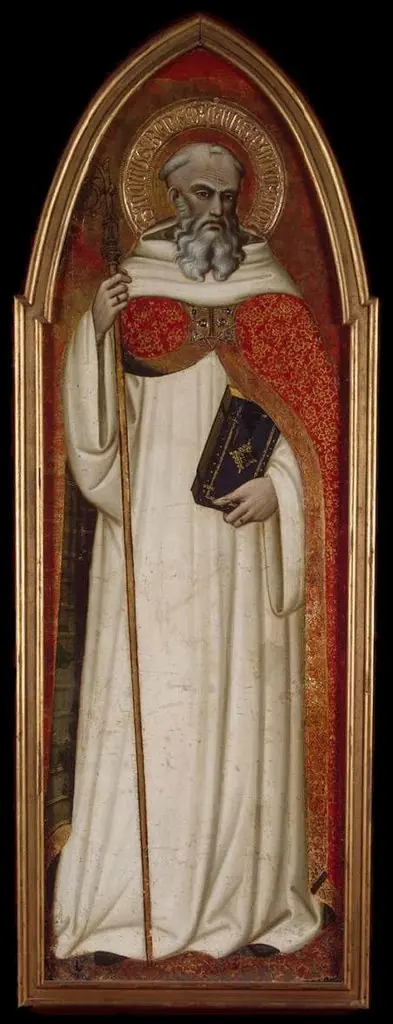 St Benedict (wing of a polyptych)
 Saint Peter
 St Peter.
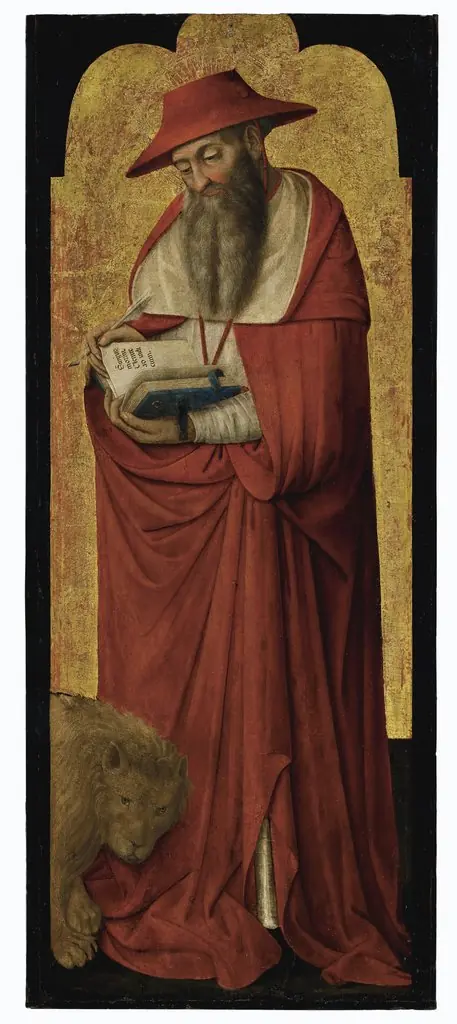 Saint Jerome, part of an altarpiece
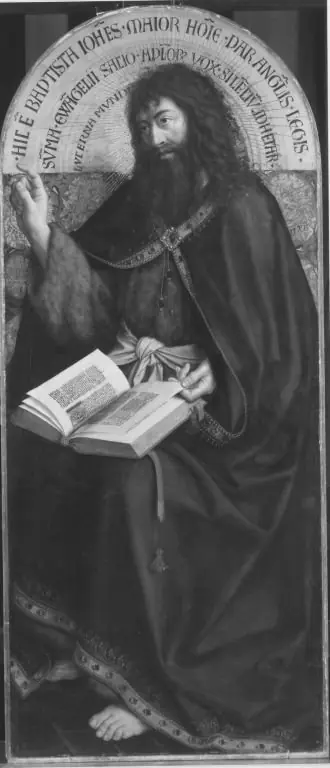 Saint John the Baptist (after The Ghent Altarpiece)
 Saint Anthony Abbot from an Augustinian altarpiece