Artwork
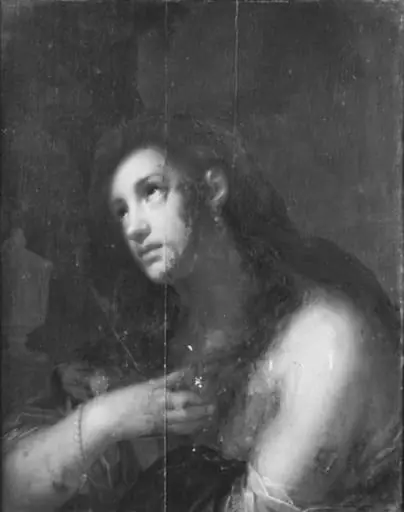
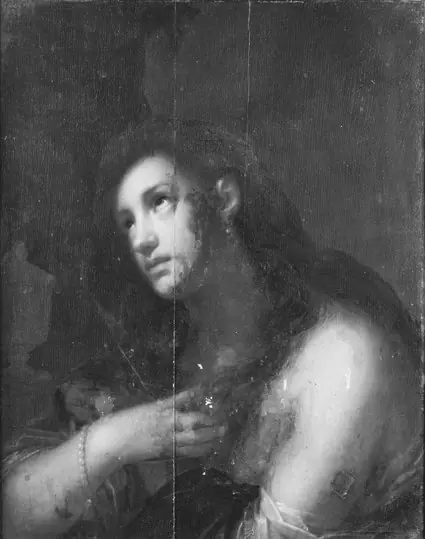
Hl. Agnes
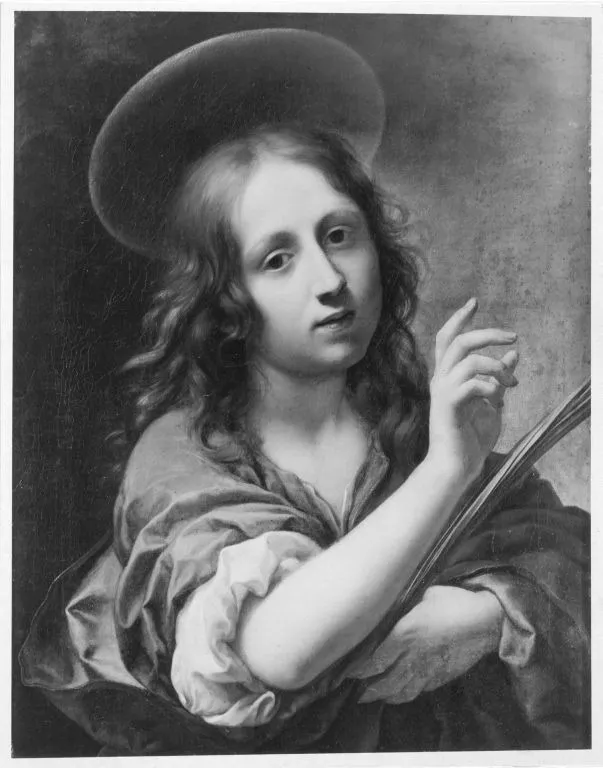
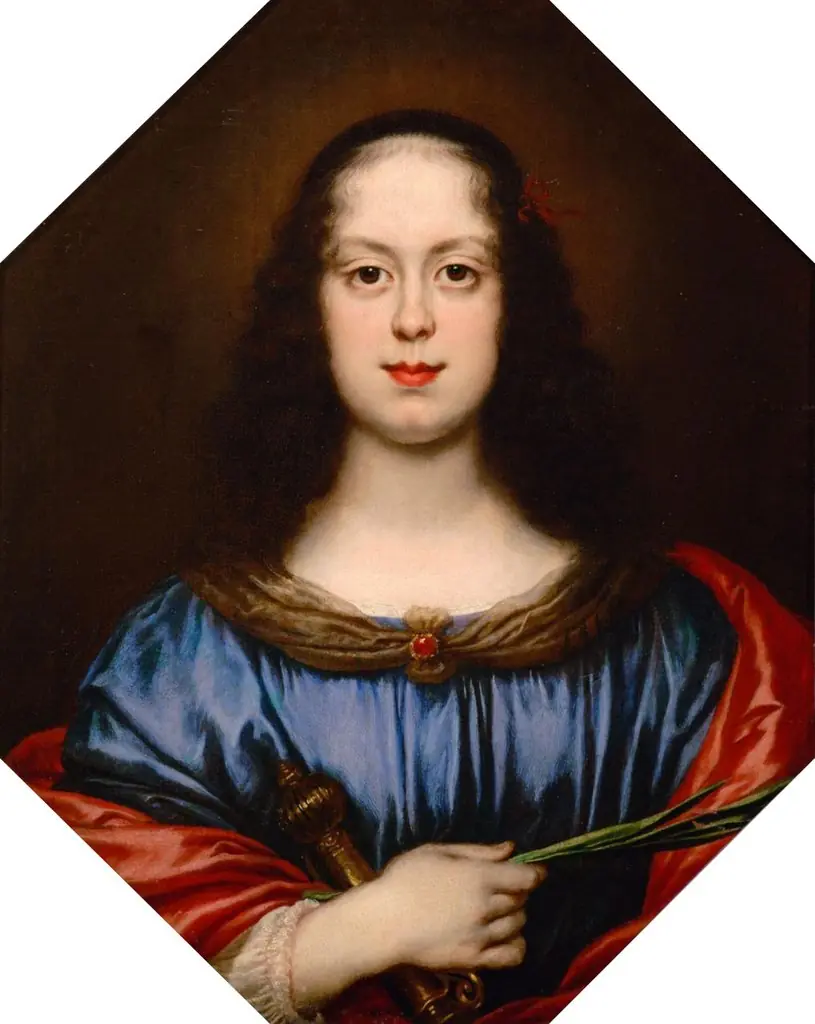
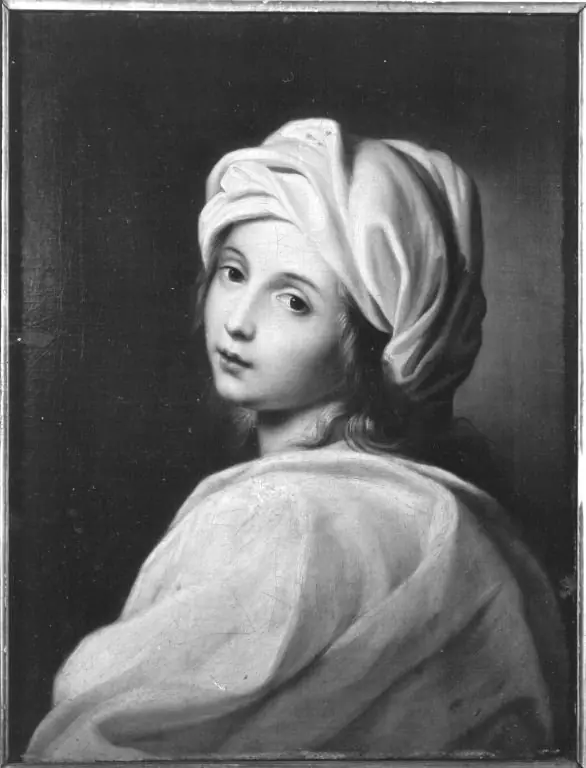
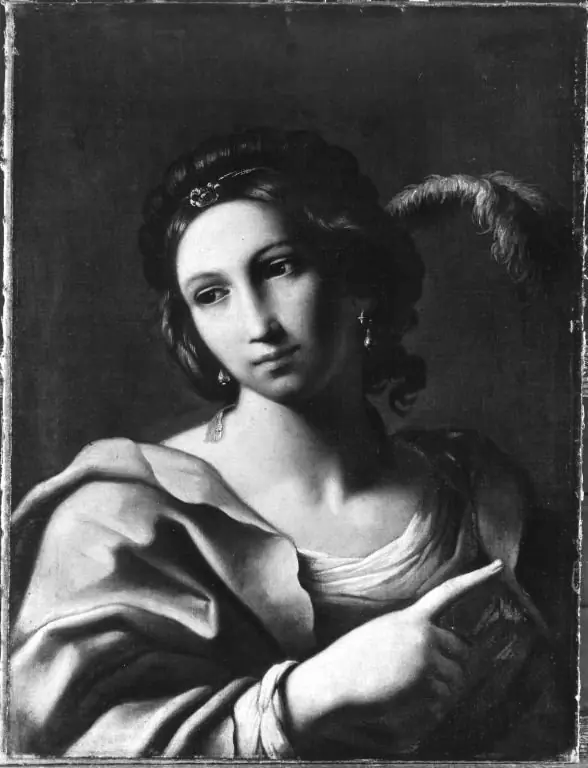
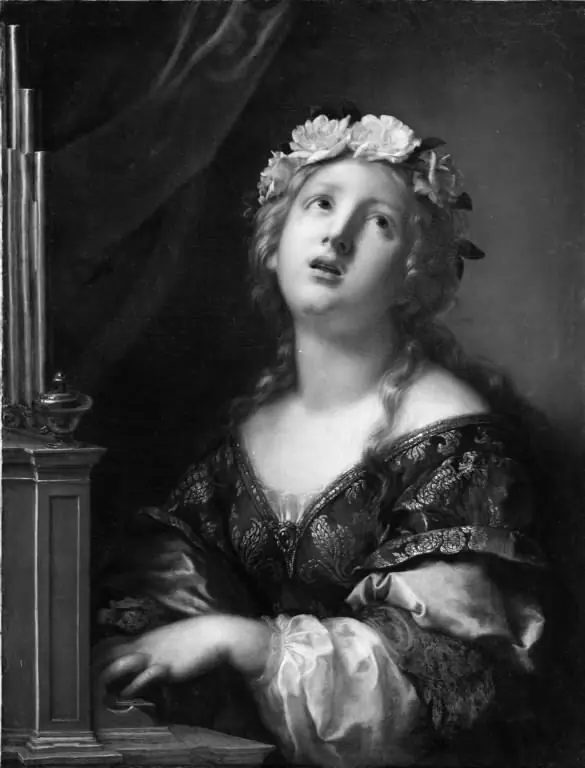
Hl. Agnes is an unspecified painting by the Early Baroque Italian artist Carlo Dolci. It dates from 1651 and is held in the collection of the Bavarian State Painting Collections.
About this work
Overview
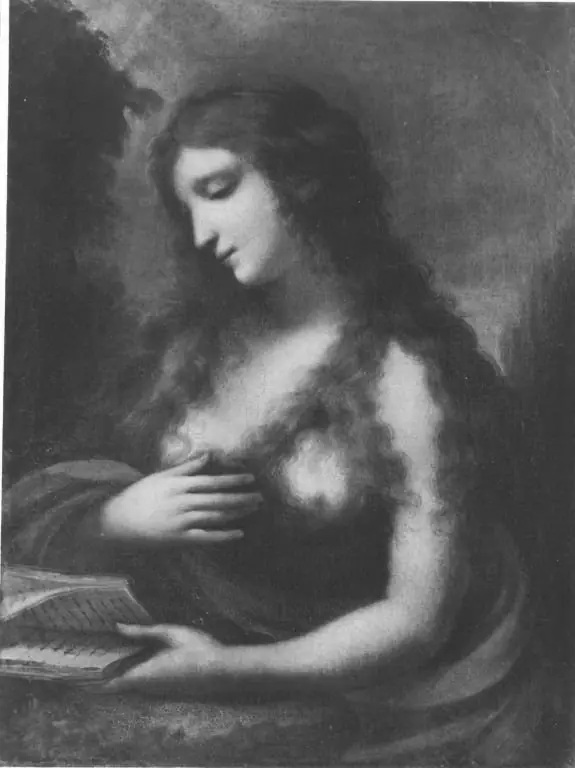
Carlo Dolci, a Florentine painter of the early Baroque, completed the canvas titled *Hl. Agnes* in 1651. The work exemplifies his characteristic approach to devotional subjects, rendered with meticulous detail and a polished finish. It now forms part of the Alte Pinakothek’s collection in Munich.
Subject & Meaning
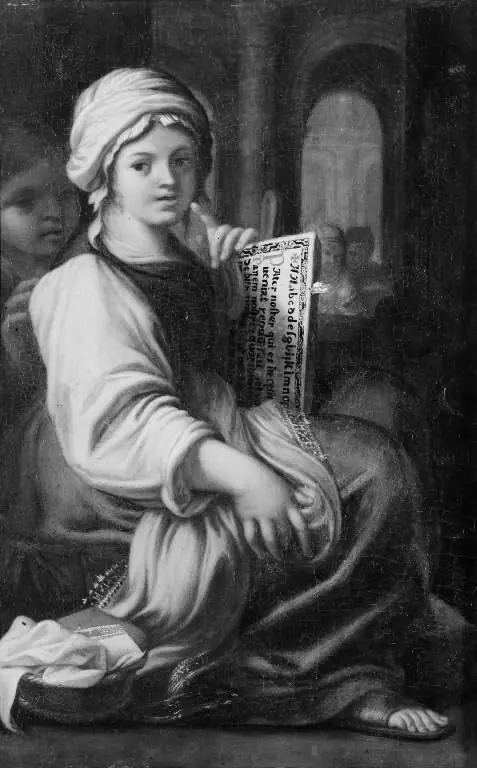
The composition depicts a woman, identified as Saint Agnes, with long, loose hair and a wide-brimmed hat. She cradles a harp‑like instrument and gazes upward, her expression serene, suggesting contemplation or prayer. The modest yet elegant attire underscores the saint’s humility and spiritual devotion.
Technique & Style
Dolci employs a pronounced chiaroscuro effect, using soft, luminous lighting to model the saint’s face while the surrounding space recedes into darkness. The careful rendering of fabric folds and the delicate handling of the instrument reflect the painter’s exacting, almost photographic attention to surface texture.
History & Provenance
Created during Dolci’s mature period, the painting was likely produced for a private devotional setting. It entered the Alte Pinakothek’s holdings in the 19th century, where it has been displayed as part of the museum’s Baroque Italian holdings.
Context
*Hl. Agnes* belongs to the early Italian Baroque movement, a time when artists emphasized dramatic lighting and emotional immediacy in religious works. Dolci’s practice of reproducing successful compositions in multiple versions aligns with the period’s demand for accessible, devotional imagery.
Artist & collection
Artist
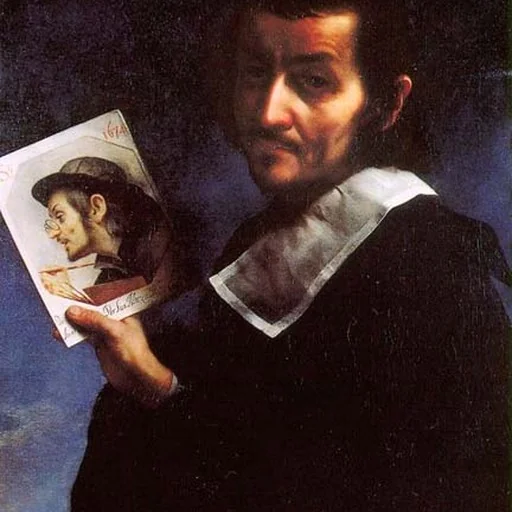
Carlo (or Carlino) Dolci (25 May 1616 – 17 January 1686) was an Italian Baroque painter active mainly in Florence, known for highly finished religious pictures, often repeated in many versions.