Artwork
Girl with a Hornbook
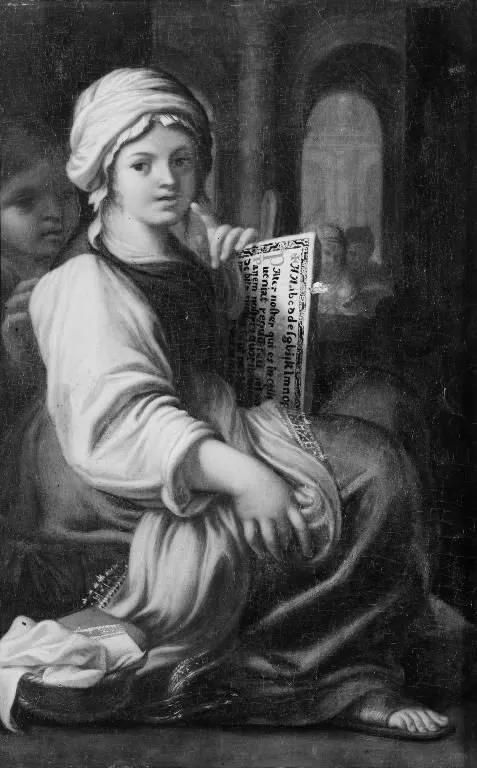
Girl with a Hornbook is an unspecified painting by the Early Baroque Italian artist Bartolomeo Schedoni. It dates from 1604 and is held in the collection of the Statens Museum for Kunst.
About this work
Overview
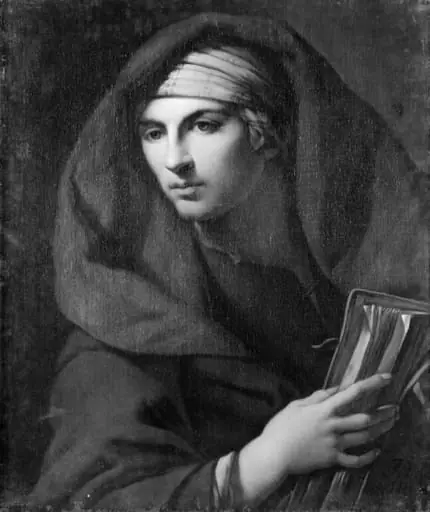
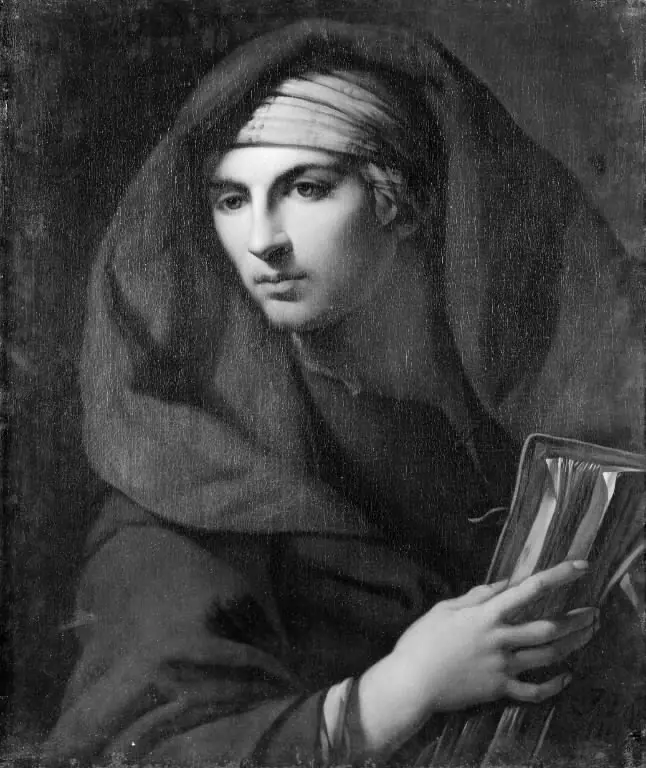
Painted in 1604 by Bartolomeo Schedoni, this small oil on panel depicts a young girl seated on the floor, holding a hornbook.
Painted in 1604 by Bartolomeo Schedoni, this small oil on panel depicts a young girl seated on the floor, holding a hornbook. The composition isolates her against a deep, neutral background, emphasizing her presence without architectural detail. The work belongs to the Statens Museum for Kunst in Copenhagen and reflects early 17th-century Italian tendencies toward intimate, psychologically grounded portraiture.
Subject & Meaning
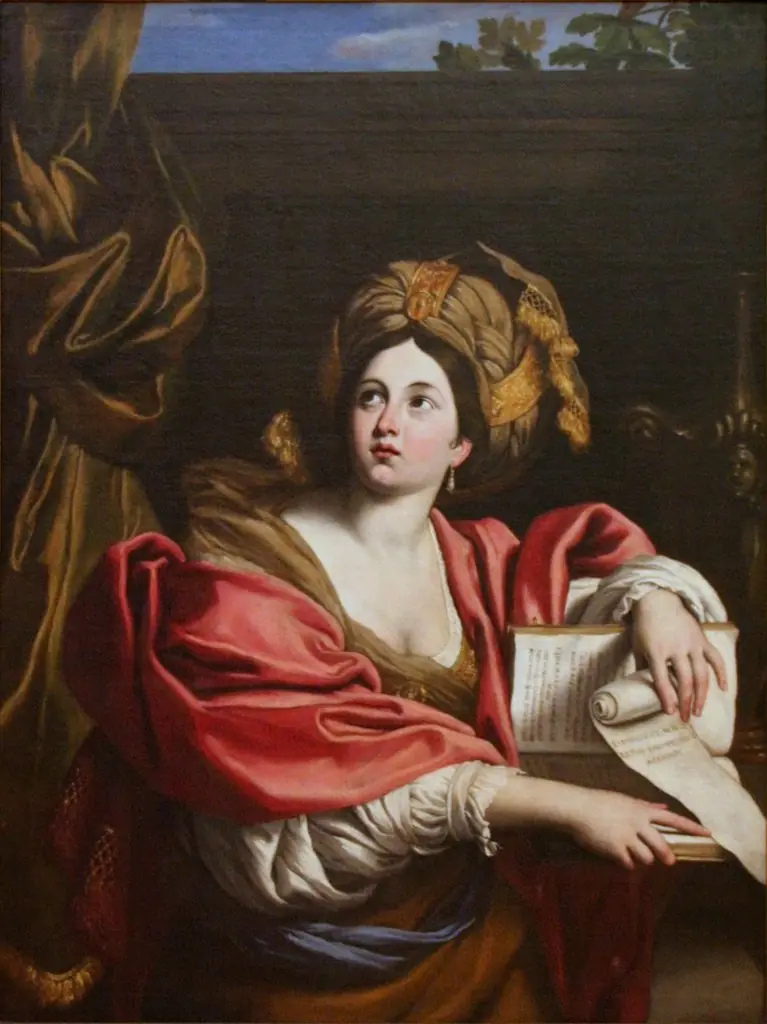
The girl, dressed in a turban and loose robe, holds a hornbook—a common educational tool of the time used to teach children letters and prayers. Her posture is quiet and absorbed, suggesting contemplation rather than performance. The attire, while not strictly contemporary, evokes a sense of cultural otherness or symbolic universality, framing learning as a personal, inward act rather than a public display.
Technique & Style
Schedoni employs chiaroscuro to model the girl’s form with soft transitions between light and shadow, focusing attention on her face and hands. The brushwork is restrained, avoiding decorative flourish; textures are suggested rather than rendered in detail. The dark background enhances the three-dimensionality of her figure, aligning the work with Caravaggesque principles while retaining a quieter, more introspective tone.
History & Provenance
The painting entered the collection of the Statens Museum for Kunst in the 19th century, though its earlier ownership remains undocumented. It was likely acquired during a period of increased European interest in Italian Baroque works. No records indicate it was commissioned for a specific patron, suggesting it may have been painted for the artist’s own studio or a private collector seeking expressive portraiture.
Context
In early 17th-century Italy, depictions of children engaged in learning were uncommon outside religious or allegorical contexts. Schedoni’s focus on a solitary, secular child reflects a broader shift toward naturalism and psychological nuance in genre scenes. The hornbook, a practical object, anchors the image in daily life, while the exoticized dress introduces ambiguity about identity, possibly reflecting contemporary fascination with the 'other.'
Legacy
Though Schedoni is less widely known than his contemporaries, this painting stands as a quiet example of how Northern Italian artists adapted Caravaggio’s lighting to explore private, domestic moments. Its endurance in a major public collection underscores its value as a study in emotional restraint and the dignified portrayal of childhood, influencing later genre painting in Europe.
Artist & collection