Artwork
Madonna and Child
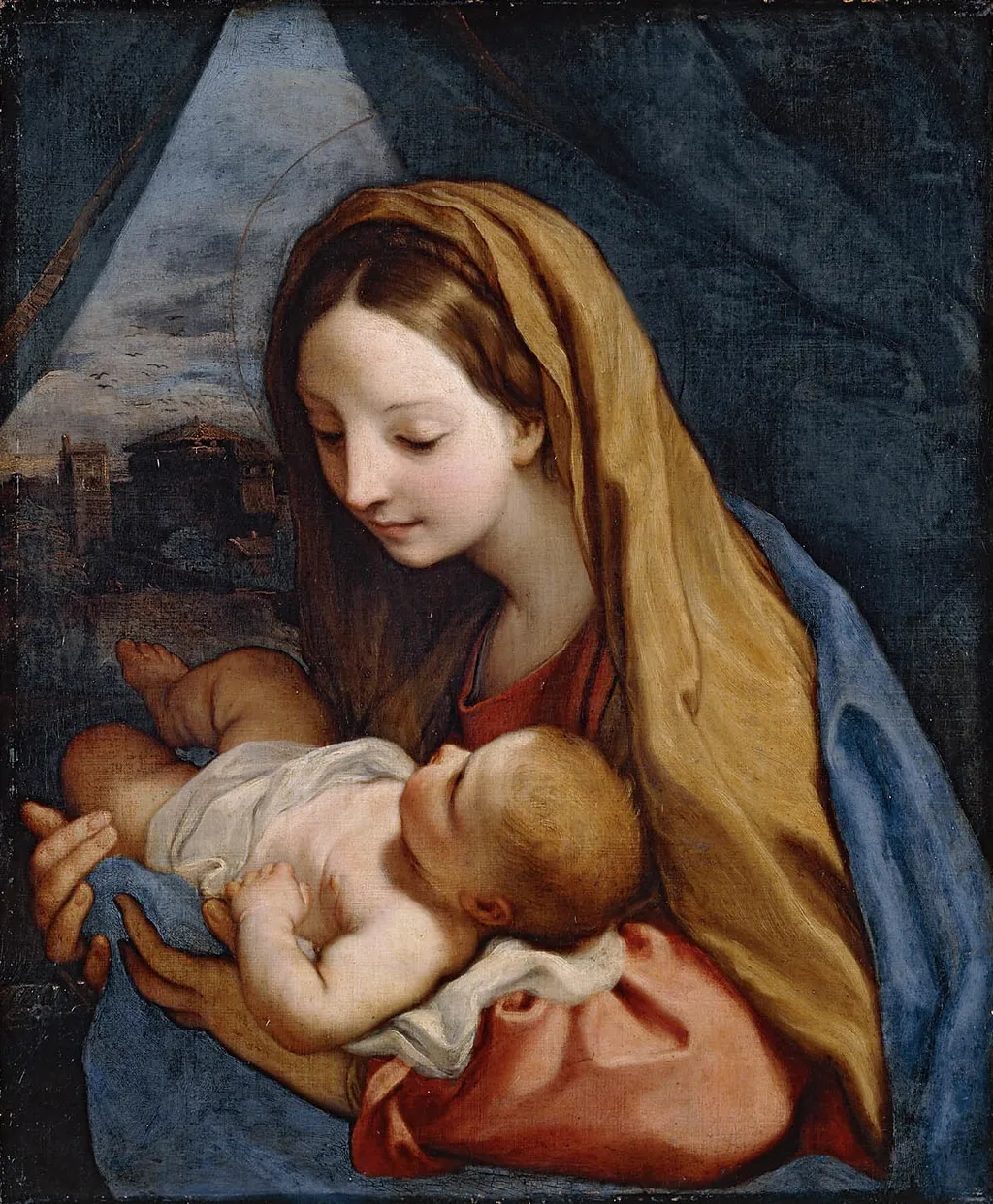
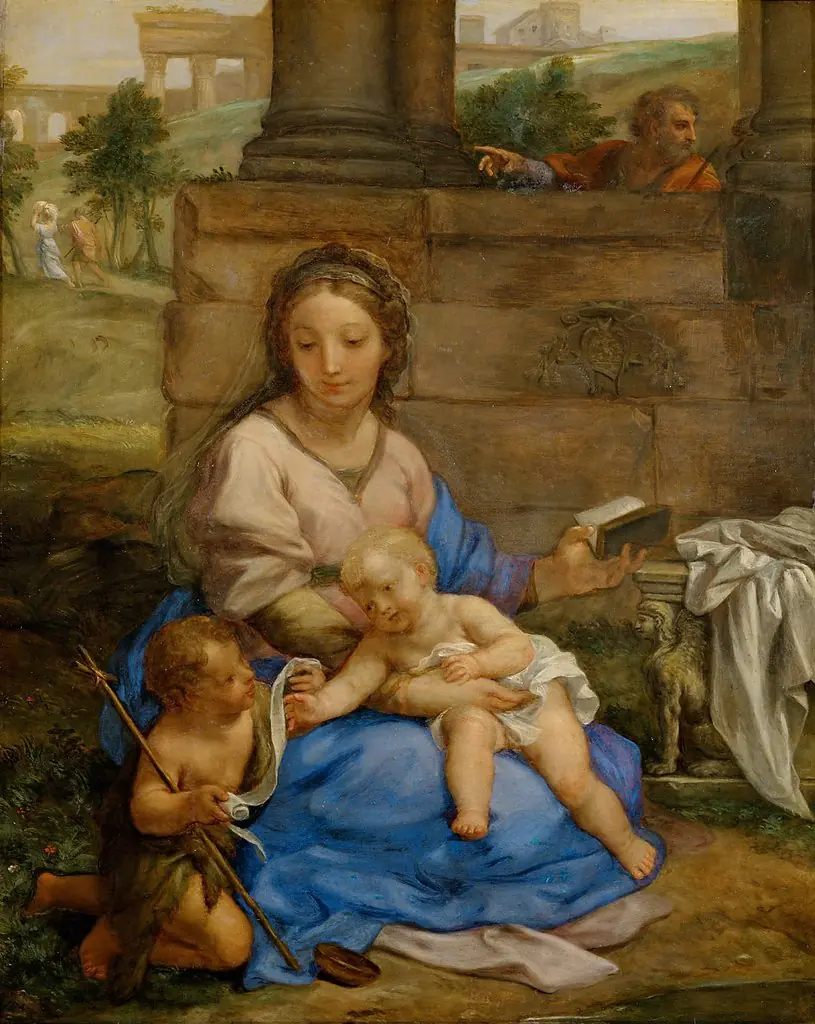
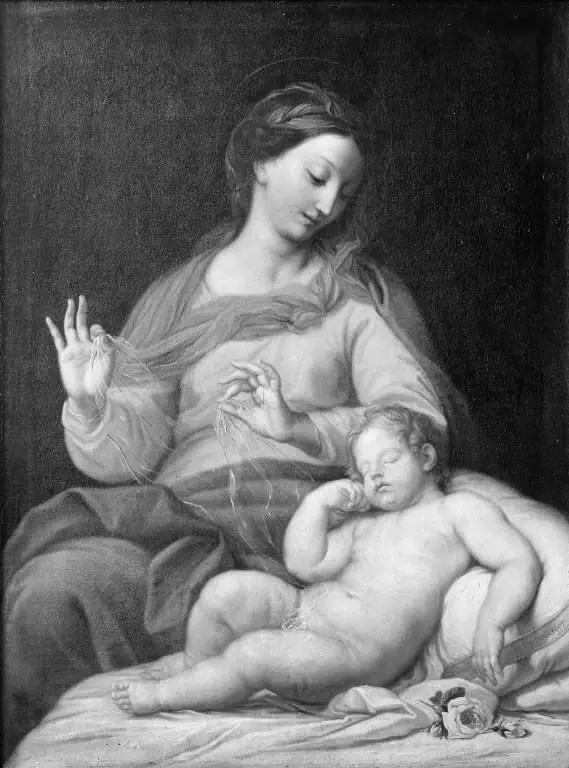
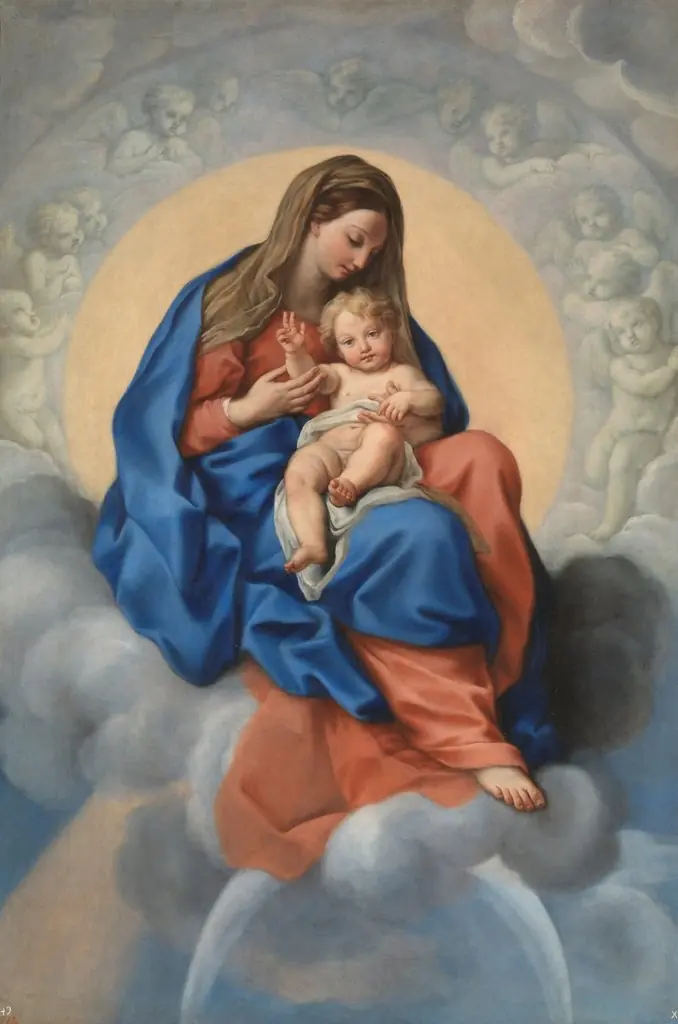
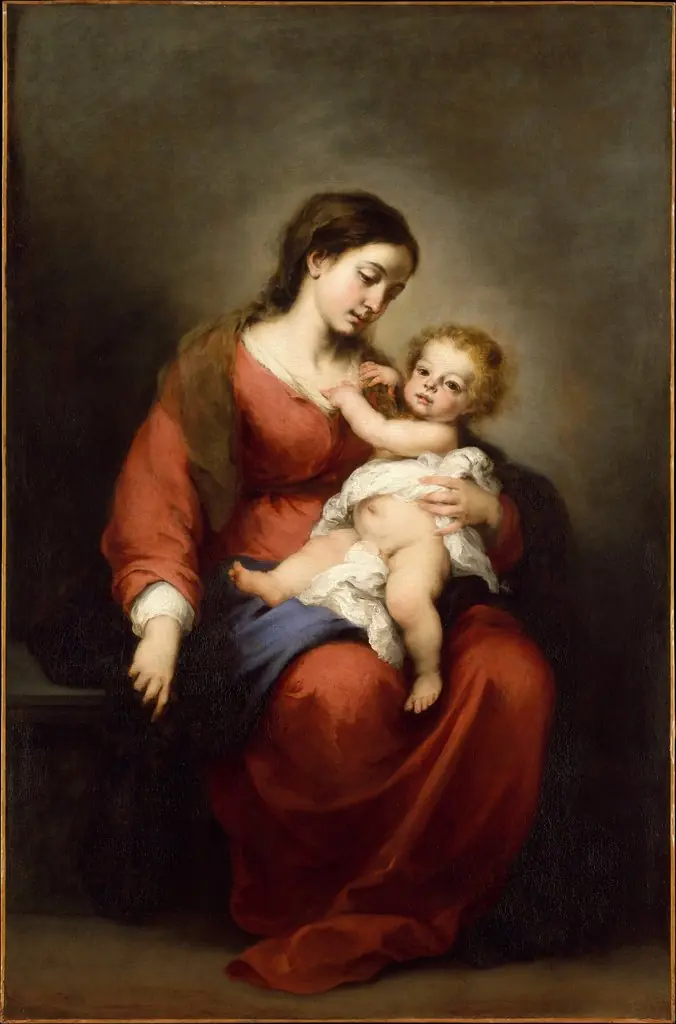
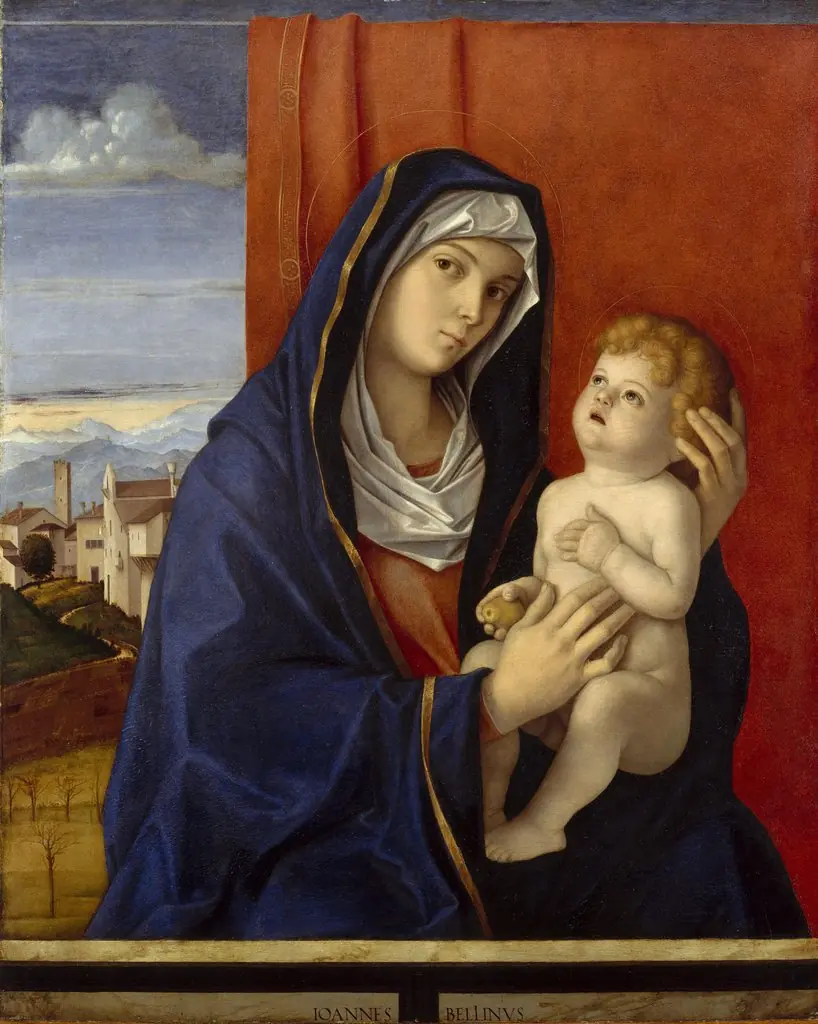
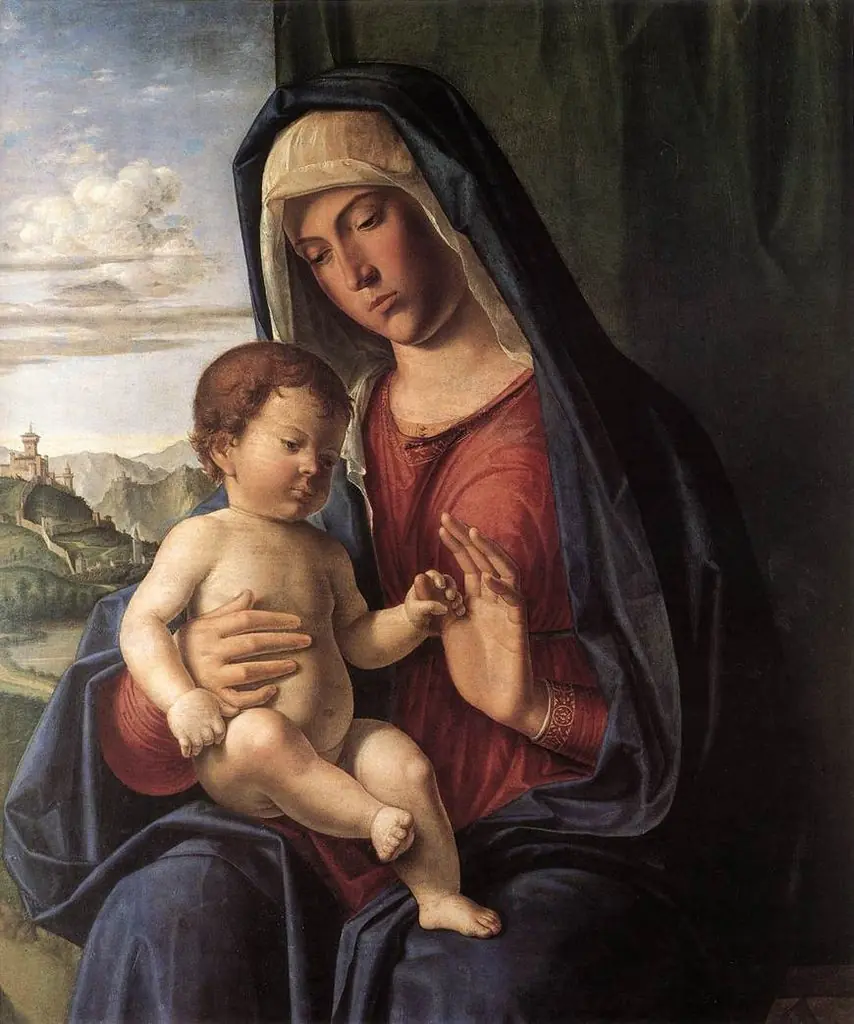
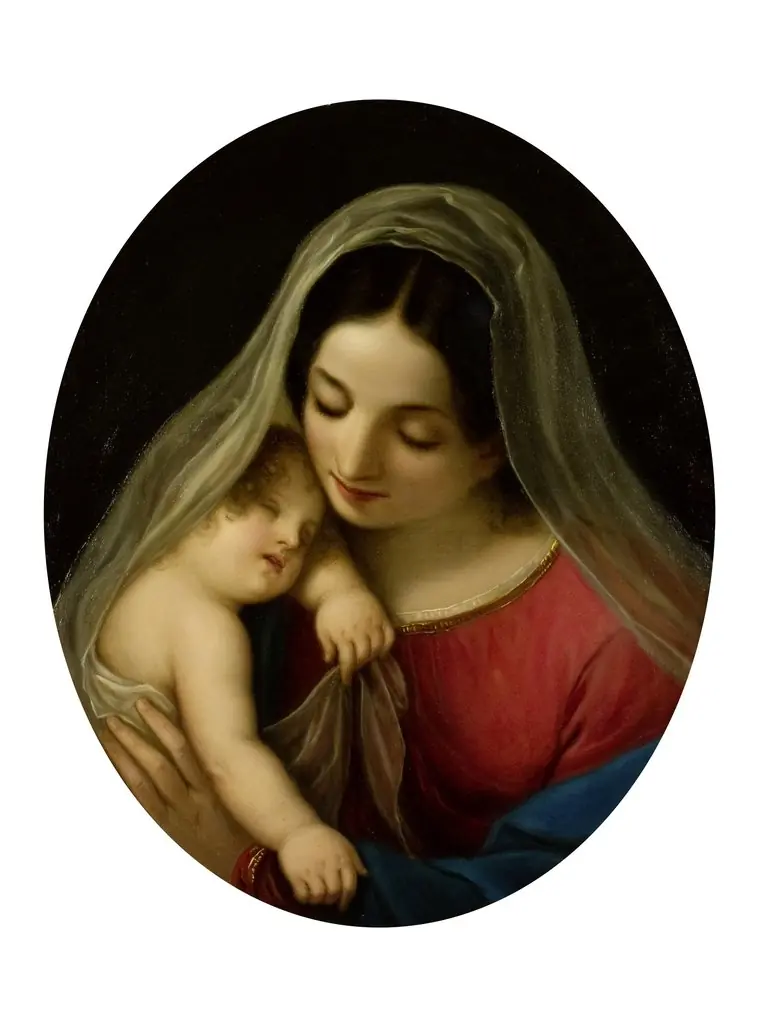
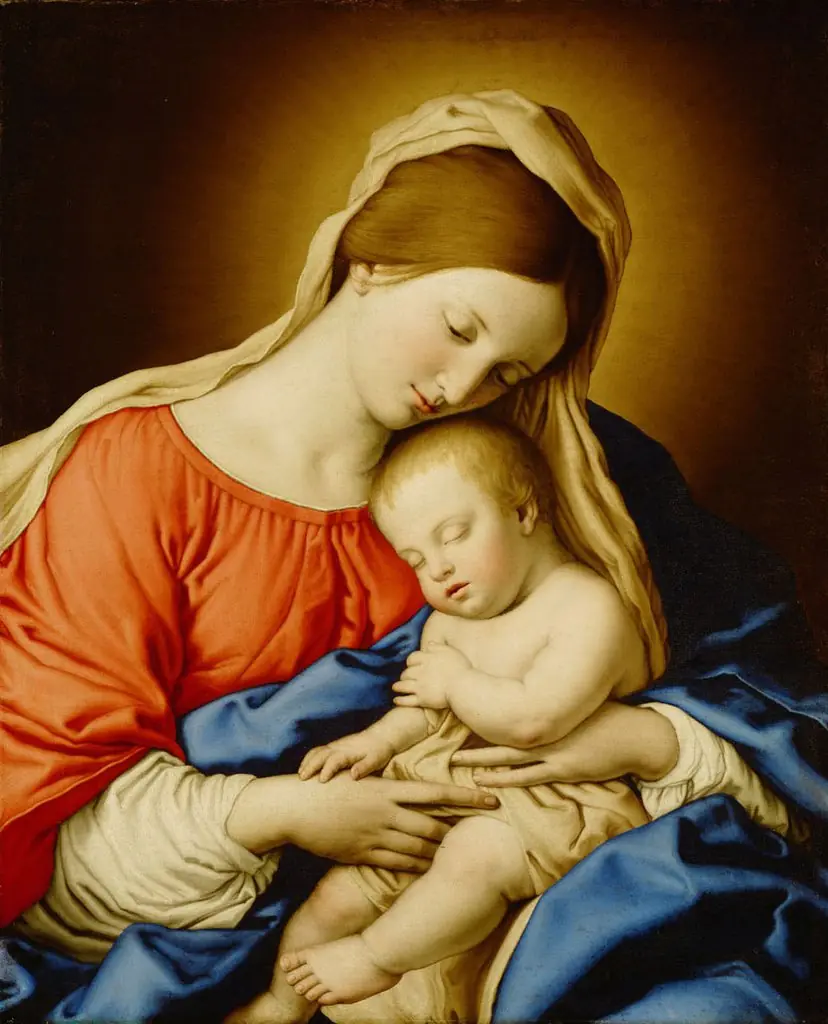
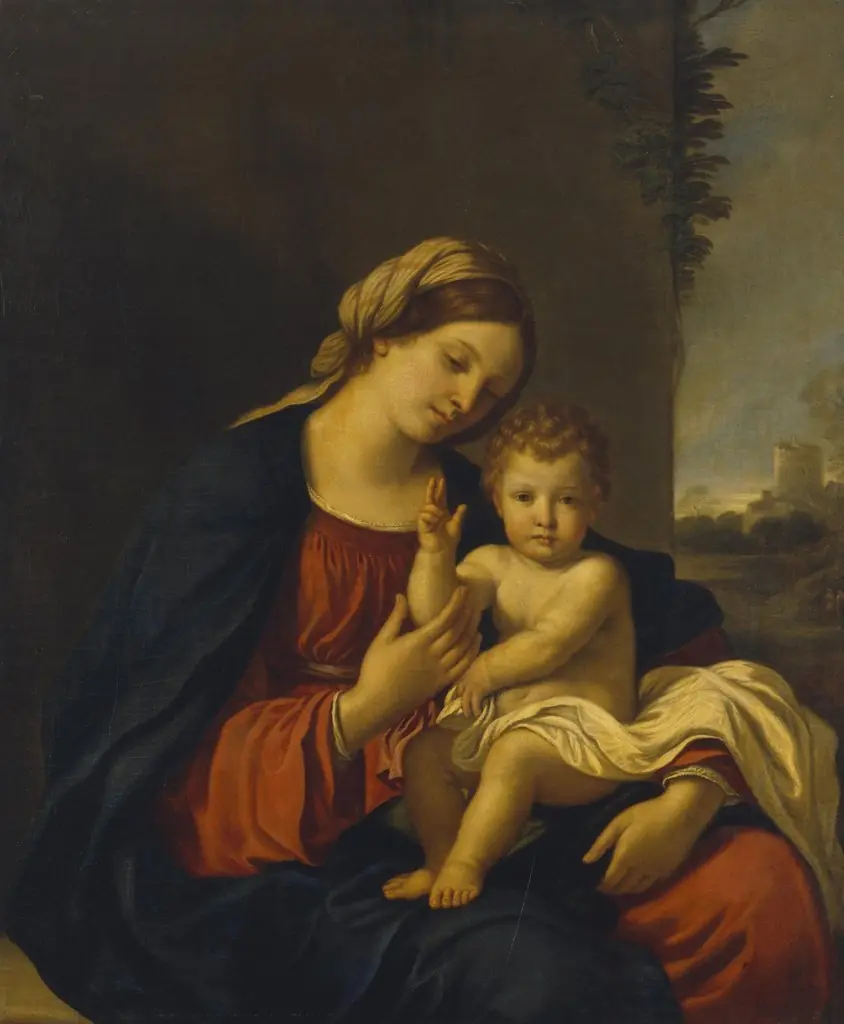
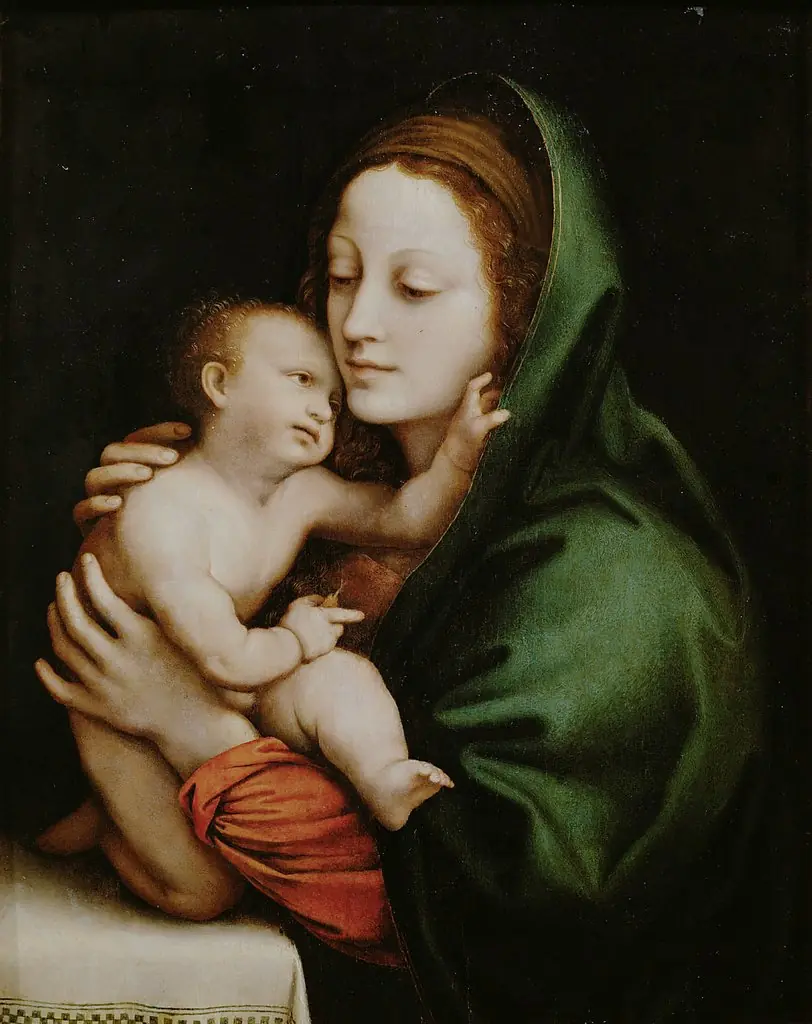
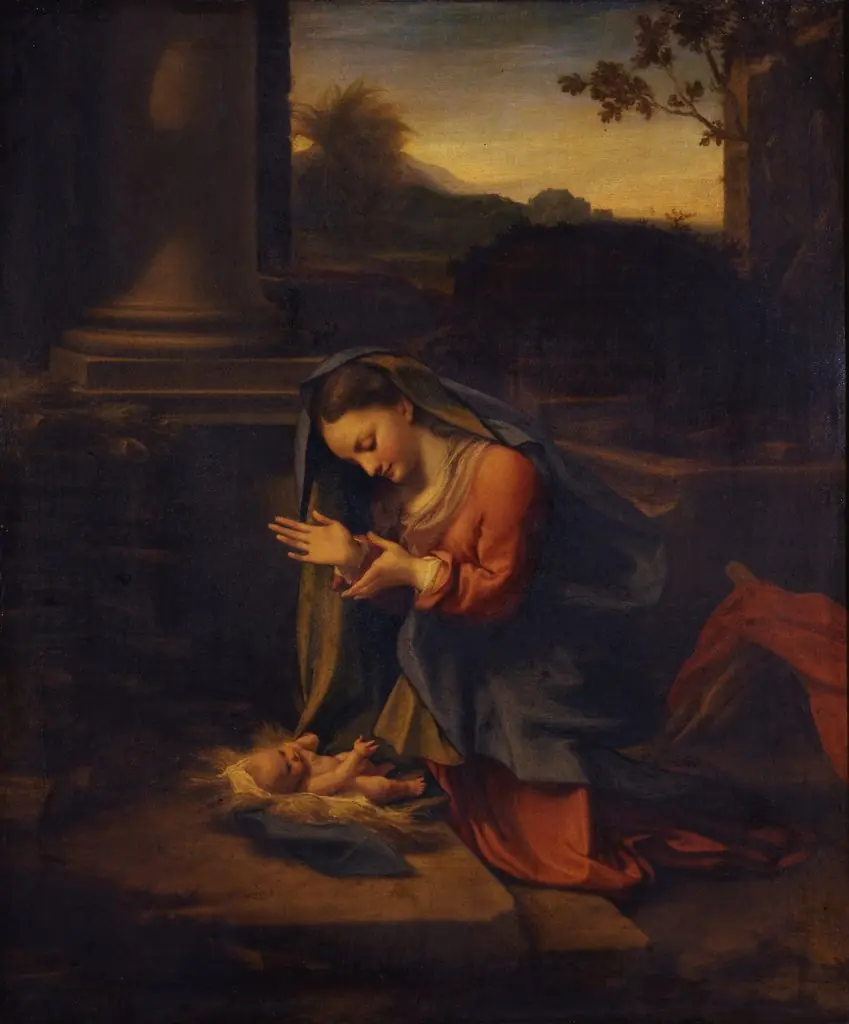
Madonna and Child is an unspecified painting by the Early Baroque Italian artist Carlo Maratta. It dates from 1660 and is held in the collection of the Kunsthistorisches Museum.
About this work
Overview
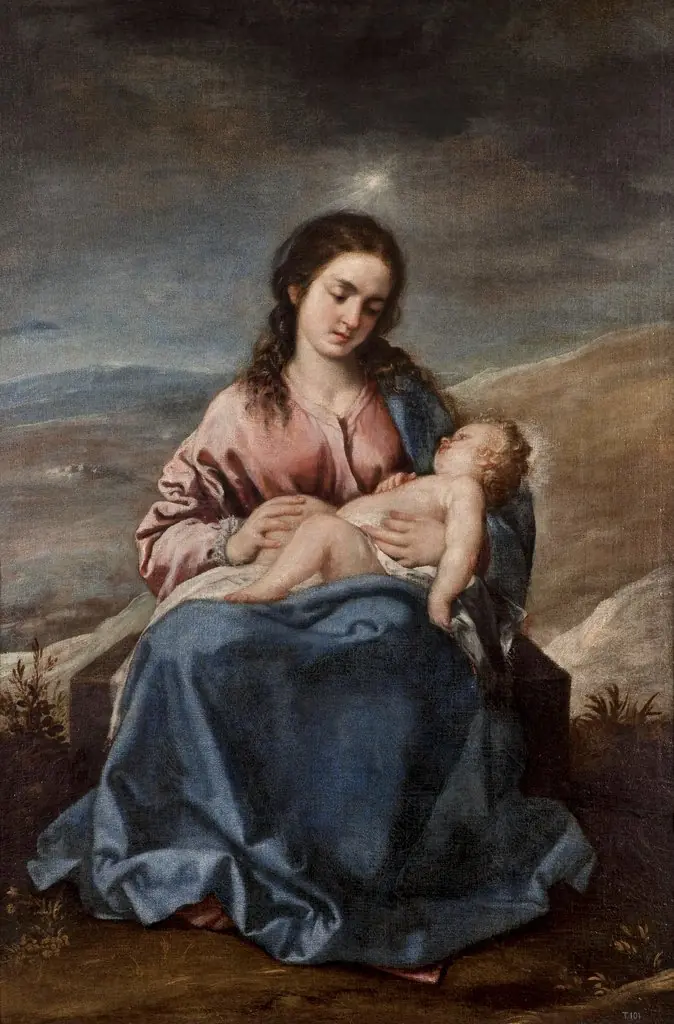
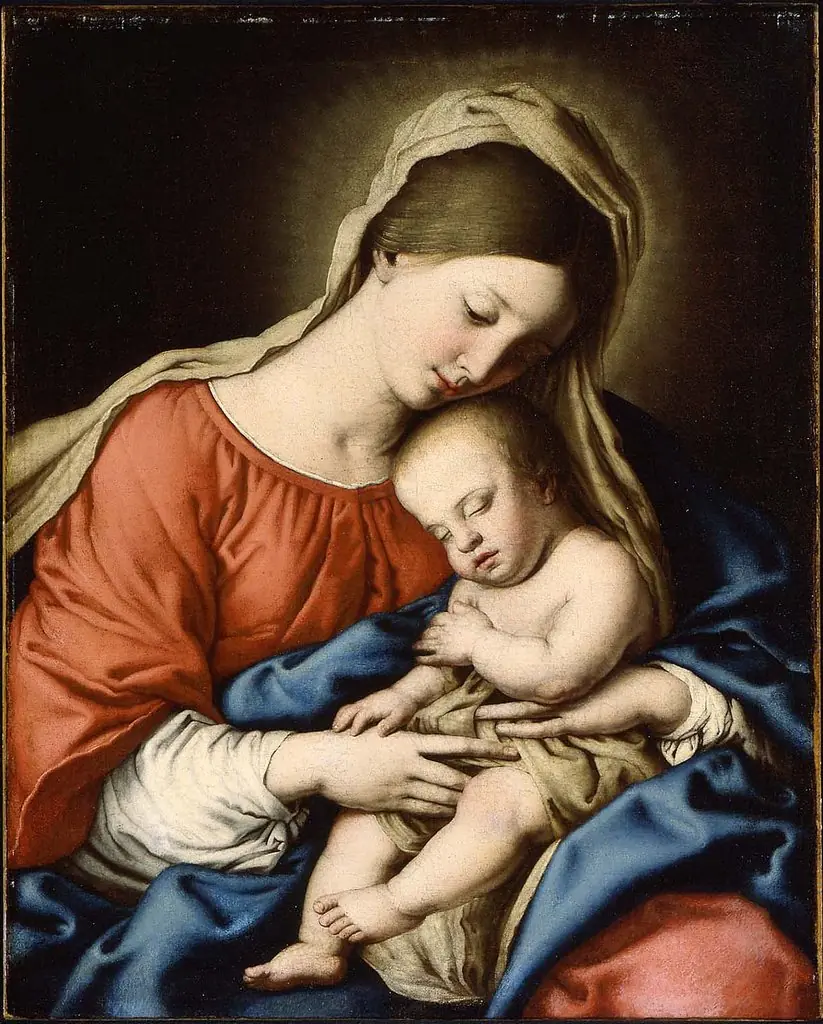
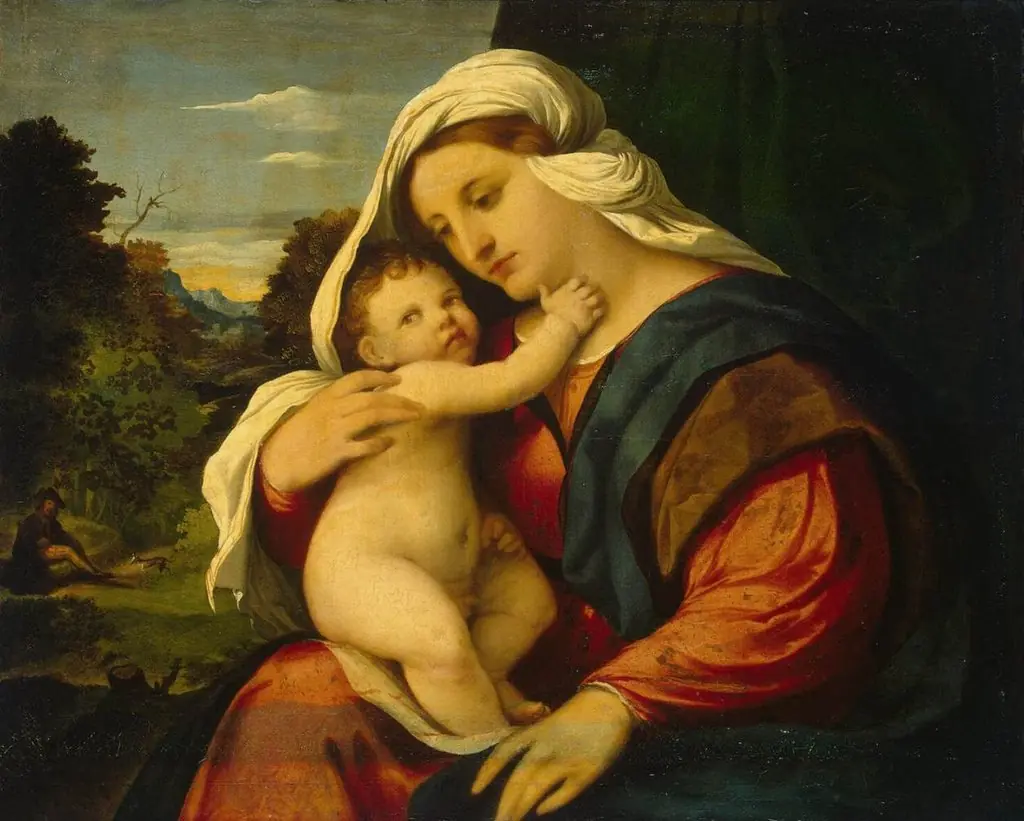
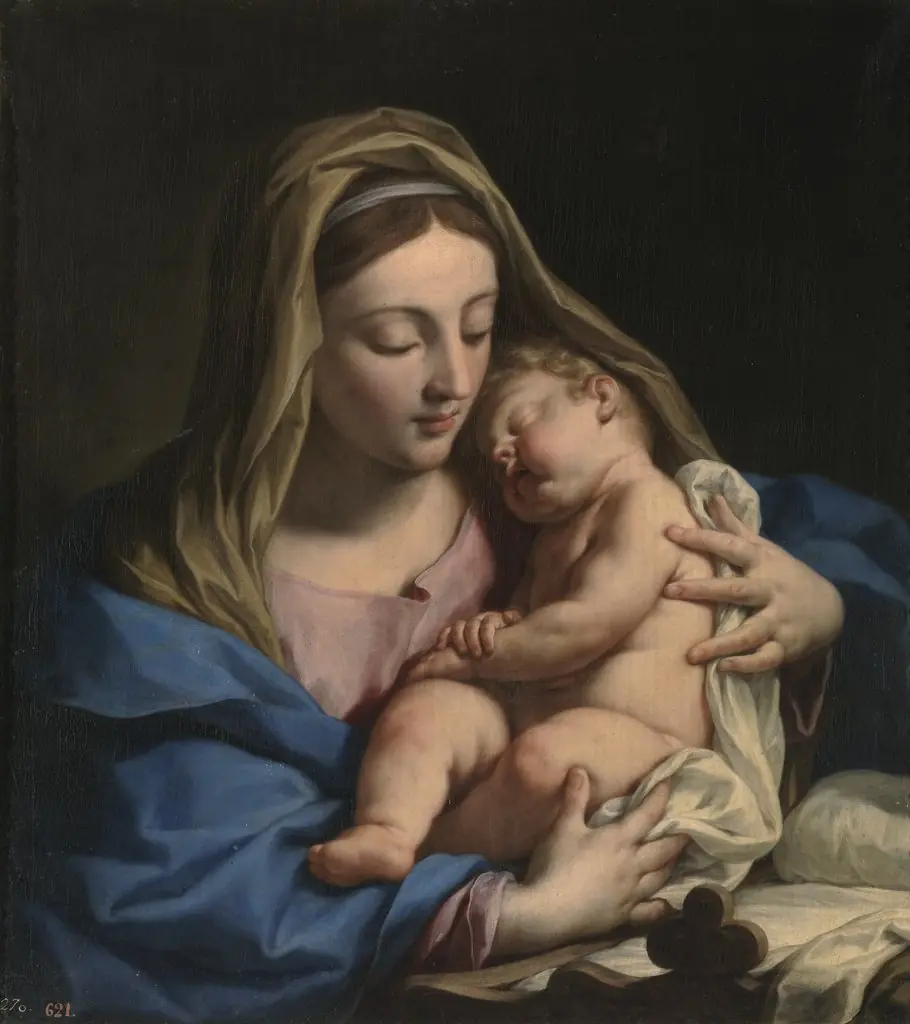
Carlo Maratta, a prominent Roman painter of the late Baroque, completed the canvas titled Madonna and Child in 1660. Executed during his mature period, the work exemplifies his synthesis of classical restraint with the emotive qualities of Baroque religious art. It is presently part of the Kunsthistorisches Museum’s collection in Vienna.
Subject & Meaning
The composition presents the Virgin Mary cradling the infant Jesus, while a second child—interpreted as a symbolic attendant or a representation of the infant’s future—reaches toward her. The figures are rendered with tender gestures, emphasizing maternal devotion and the intimate bond between mother and child, themes central to Counter‑Reformation devotional imagery.
Technique & Style
Maratta employs a restrained chiaroscuro, allowing a soft, diffused light to illuminate the faces and drapery against a muted interior backdrop. The palette of blues, reds, and warm golds, combined with gentle modeling of forms, creates a serene atmosphere. The painting reflects his classicizing approach, balancing Baroque dynamism with harmonious composition.
History & Provenance
After its completion, the painting entered the private collections of Roman patrons before being acquired by the Kunsthistorisches Museum in the 19th century. Its presence in the museum’s holdings underscores the institution’s commitment to representing the breadth of Italian Baroque painting, particularly works by artists who served papal commissions.
Artist & collection
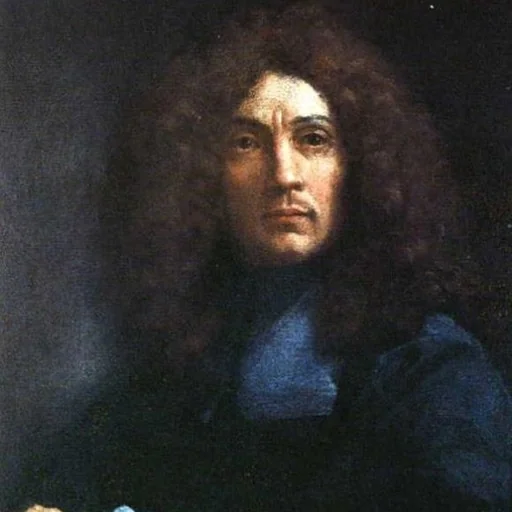
Artist
Carlo Maratta or Maratti (18 May 1625 – 15 December 1713) was an Italian Baroque painter and draughtsman, active principally in Rome where he was the leading painter in the second half of the 17th century.