Artwork
Venice in Moonlight
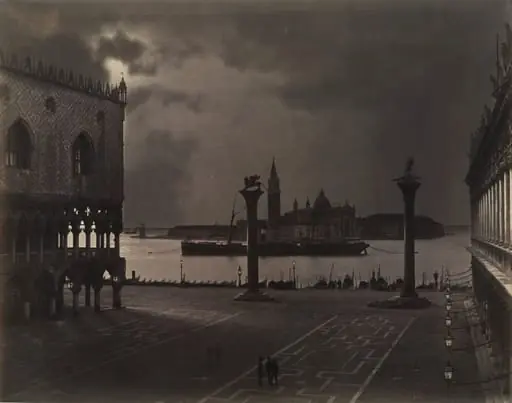
Venice in Moonlight is a photography by the Impressionist artist Carlo Naya. It dates from 1874 and is held in the collection of the Cleveland Museum of Art.
About this work
Overview
This photograph, attributed to Carlo Naya and dated around 1874, captures a nocturnal view of Venice. Part of the collection at The Cleveland Museum of Art, the image presents the city’s architecture reflected in still water, bathed in the soft illumination of moonlight. The composition emphasizes tranquility, with muted tones and restrained detail.
Subject & Meaning
The absence of human figures reinforces the atmospheric calm, inviting contemplation of the urban landscape’s serene transformation under moonlight.
The scene depicts Venice at night, a subject chosen to evoke stillness and solitude. By focusing on the interplay of light and shadow, the photograph conveys a sense of timelessness, contrasting the city’s bustling daytime identity with its nocturnal quietude. The absence of human figures reinforces the atmospheric calm, inviting contemplation of the urban landscape’s serene transformation under moonlight.
Technique & Style
Naya’s approach reflects the photographic techniques of the late 19th century, likely employing long exposure to capture the subtle gradations of light. The predominance of blue tones suggests either a deliberate tonal manipulation or the use of orthochromatic plates, which were less sensitive to certain wavelengths. The image’s subdued contrasts and delicate rendering of architectural details align with the aesthetic priorities of early night photography.
History & Provenance
Created circa 1874, this work is among Carlo Naya’s contributions to early photographic documentation of Venice. Its acquisition by The Cleveland Museum of Art places it within a broader tradition of collecting 19th-century European photography. The photograph’s precise origins and early ownership remain unrecorded, though its inclusion in the museum’s holdings suggests its recognition as a representative example of the period’s urban landscape imagery.
Context
In the 1870s, photography was increasingly used to record urban environments, often emphasizing atmospheric effects over documentary precision. Venice, with its distinctive canals and historic architecture, was a frequent subject for photographers seeking to capture its romantic and picturesque qualities. This image reflects the era’s fascination with nocturnal scenes, which posed technical challenges but offered opportunities to explore light’s evocative potential.
Artist & collection

Artist
Carlo Naya was an Italian photographer known for his pictures of Venice including its works of art and views of the city for a collaborative volume in 1866.

 View of Venice
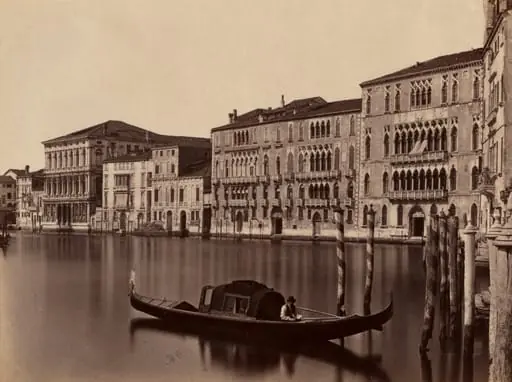 Untitled (Venetian Gondola)
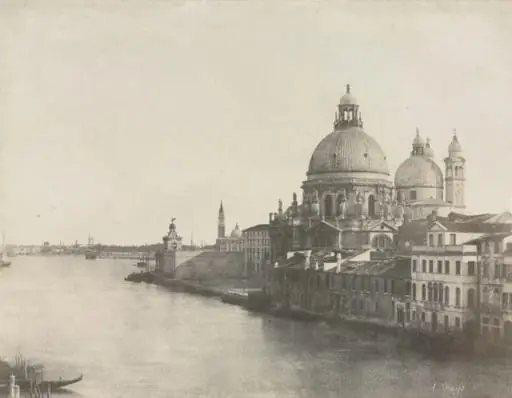 Santa Maria della Salute, View of the Grand Canal, Venice
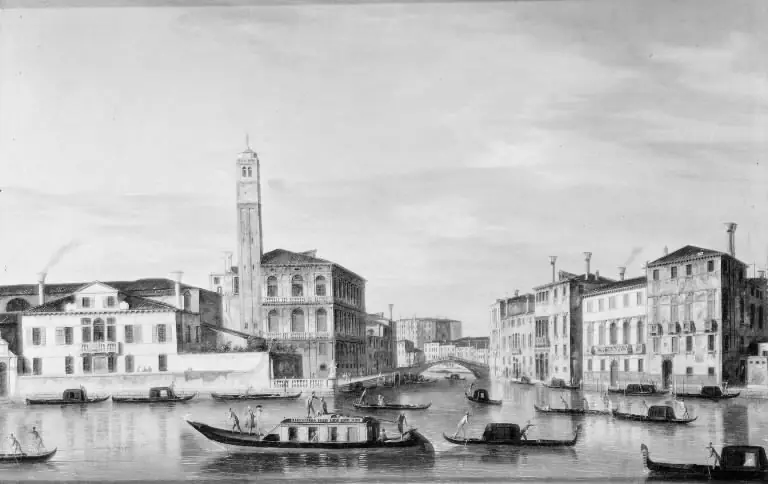 Kanal i Venedig
 Kanal i Venedig
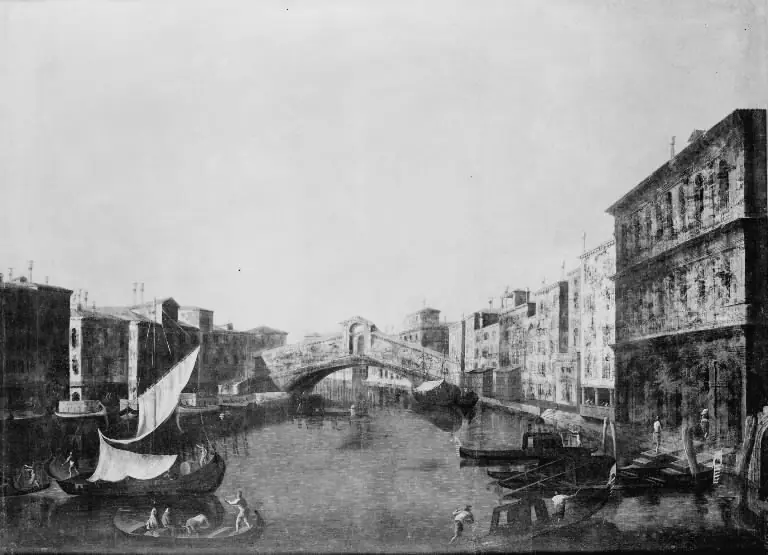 View of Canale Grande in Venice with the Rialto Bridge
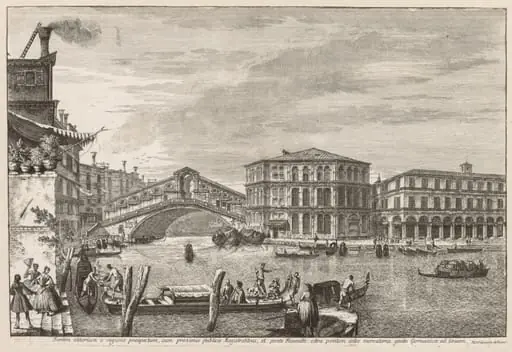 Views of Venice: The Bridge and Market of Rialto
 View of Canale Grande in Venice with the Rialto Bridge
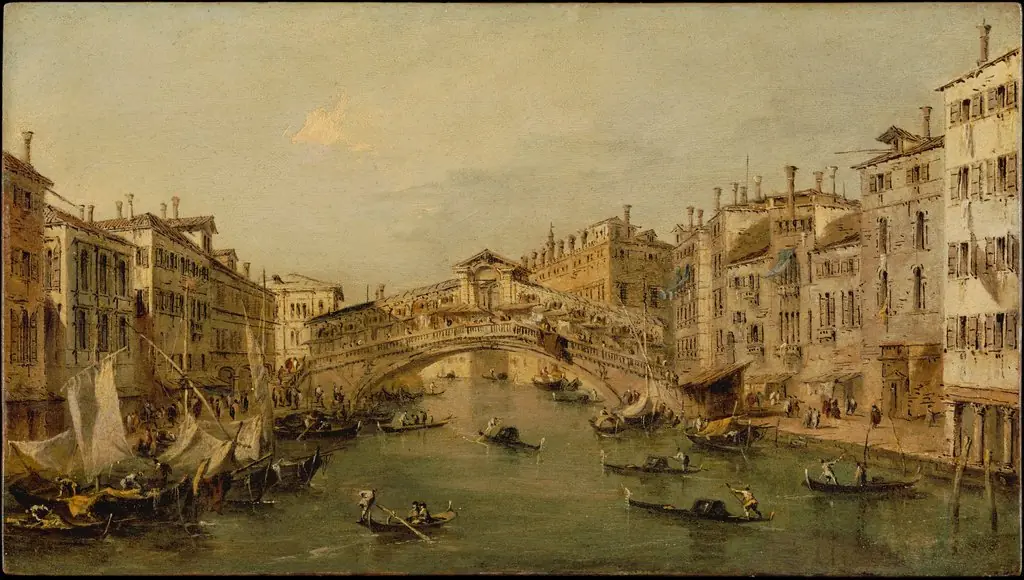 Venice: The Rialto
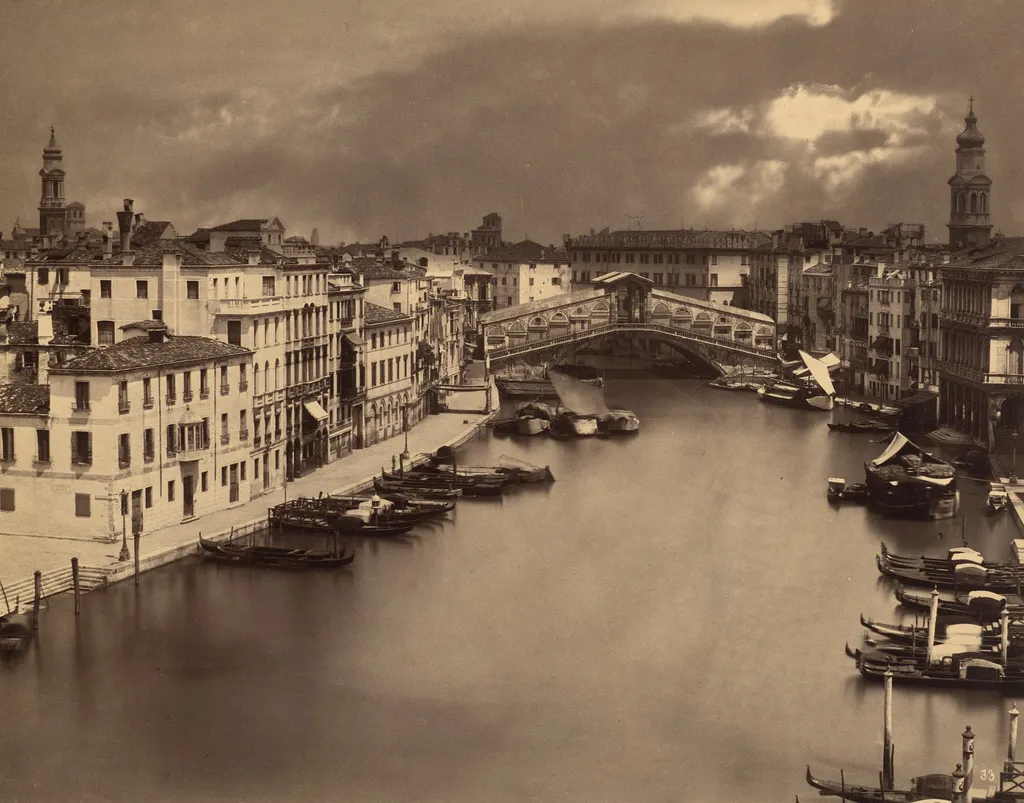
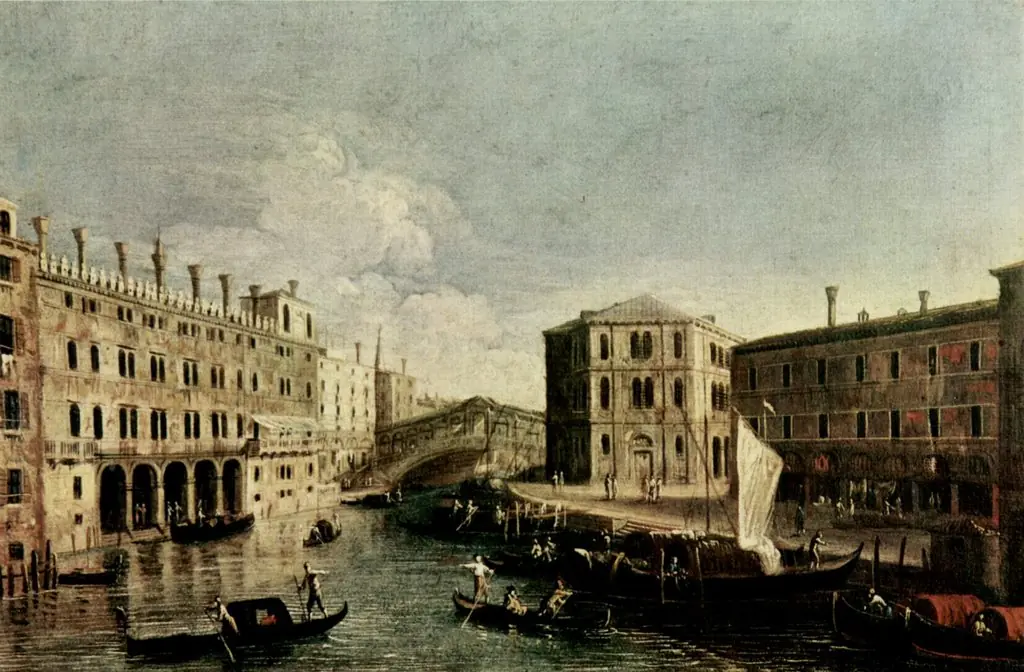 The Grand Canal at the Rialto
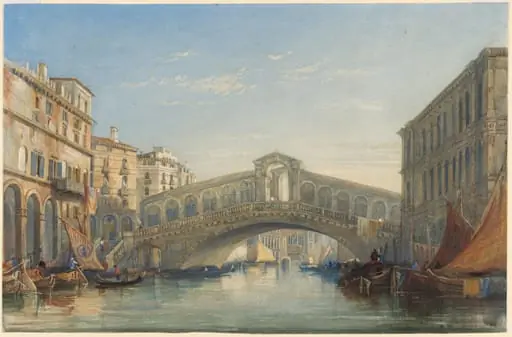 The Rialto Bridge, Venice