Artwork
Untitled
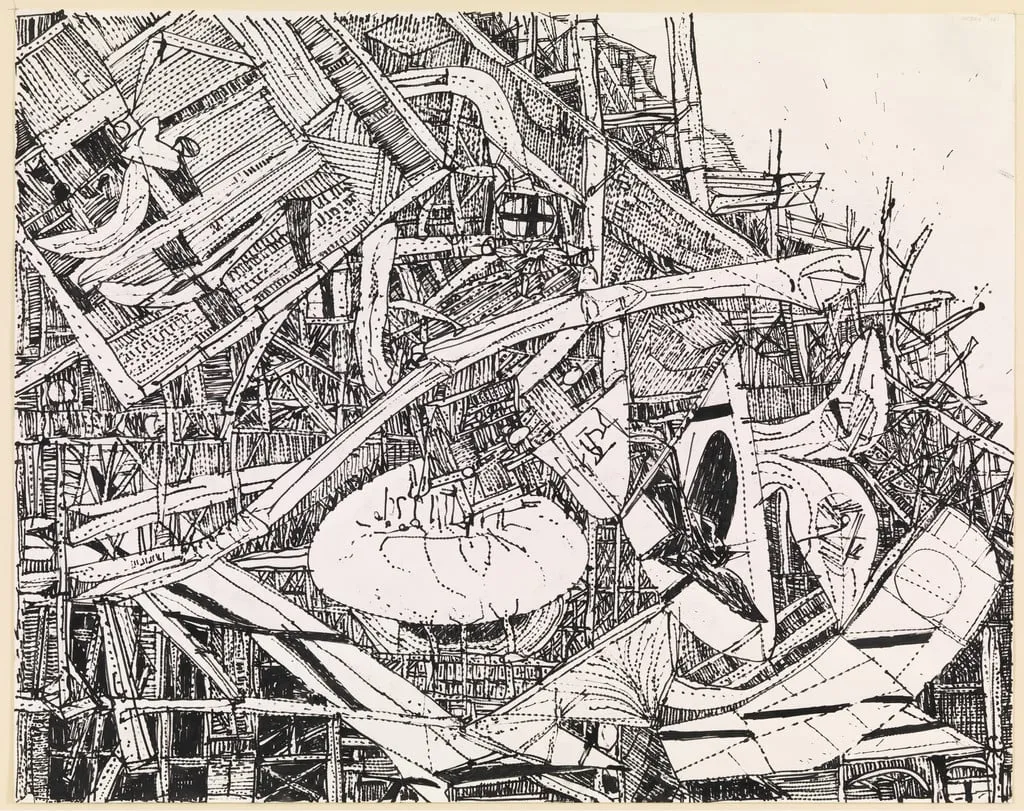
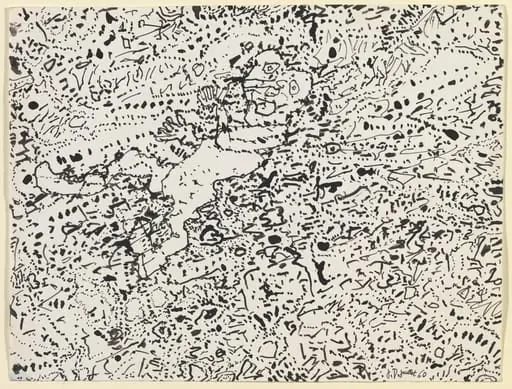
Untitled is an ink drawing by Carmen L. Cicero. It dates from 1961 and is held in the collection of the Museum of Modern Art. Created in 1961, this ink drawing on bristol board by Carmen L.
About this work
Overview
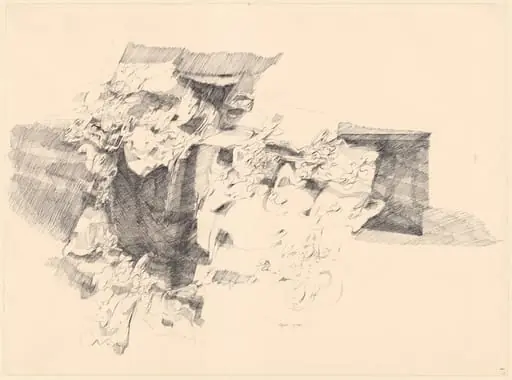
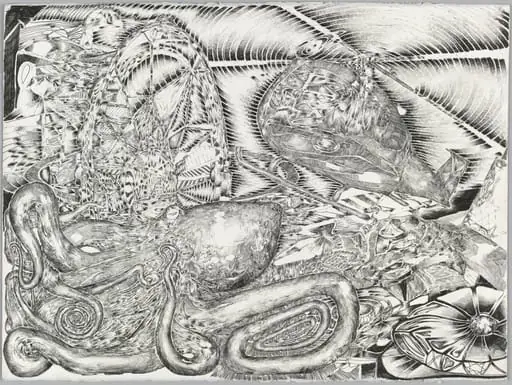
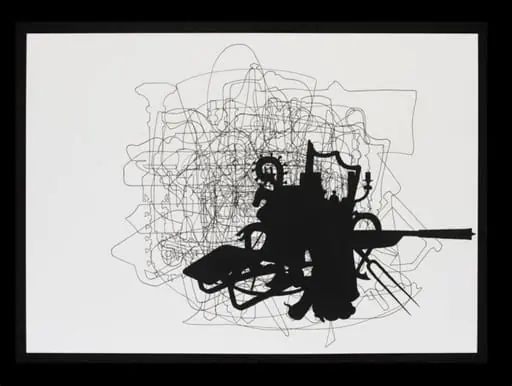
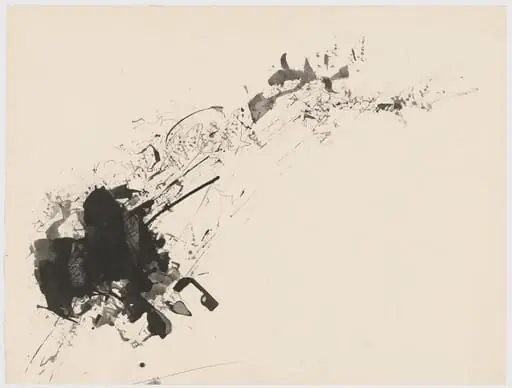
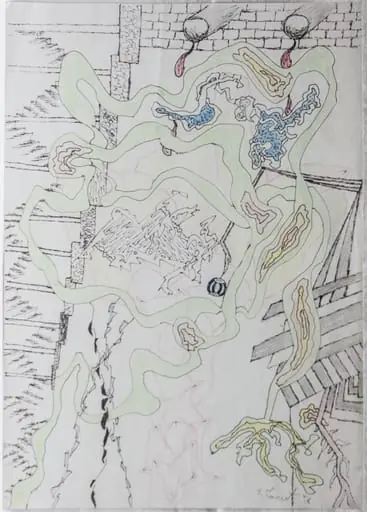
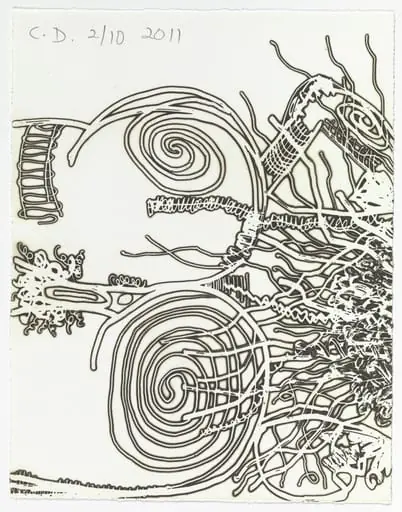
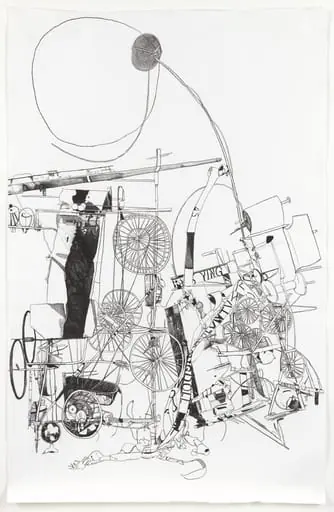
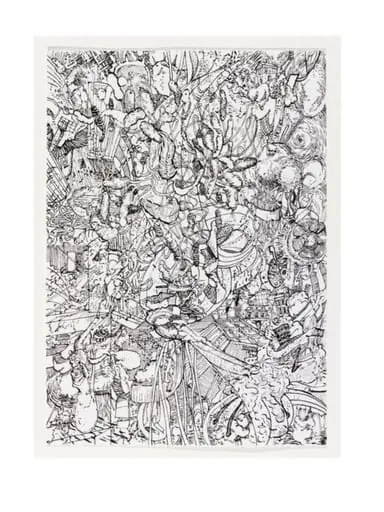
Created in 1961, this ink drawing on bristol board by Carmen L. Cicero is part of The Museum of Modern Art’s collection. The composition is densely layered with intersecting lines—some straight, others curved—forming an intricate, non-representational field. The absence of clear spatial cues or recognizable forms invites open interpretation, characteristic of postwar abstract practices.
Subject & Meaning
The work resists narrative or symbolic identification. While fragments of linear structures may suggest architectural elements, no definitive subject emerges. A prominent oval at the center disrupts the surrounding chaos, acting as a visual anchor without clear referent. Its ambiguity reinforces the piece’s focus on formal tension rather than representation.
Technique & Style
Cicero employed ink with deliberate spontaneity, building complexity through rapid, overlapping strokes. The black-and-white palette limits tonal variation, emphasizing contrast and texture. The drawing’s surface is densely worked, with lines accumulating in places to create areas of visual weight, reflecting an interest in gesture and materiality over controlled composition.
History & Provenance
The work entered The Museum of Modern Art’s collection shortly after its creation, indicating early institutional recognition. No public record details its exhibition history prior to acquisition, but its inclusion in MoMA’s holdings situates it within the broader context of 1960s American abstraction, particularly among artists exploring non-objective mark-making.
Context
Emerging during a period when many artists rejected figuration, Cicero’s drawing aligns with contemporaneous experiments in gestural abstraction. While less known than peers like Jackson Pollock or Franz Kline, her work shares their emphasis on process and the physical act of drawing. The piece reflects a broader shift toward subjective expression in postwar American art.
Legacy
Though not widely exhibited since its acquisition, the drawing remains a quiet example of mid-century abstraction by a female artist working outside the mainstream. Its presence in MoMA’s collection ensures its inclusion in scholarly discussions of underrepresented voices in postwar drawing practices, contributing to a more nuanced understanding of the era’s visual language.
Artist & collection