Artwork
Aglaë
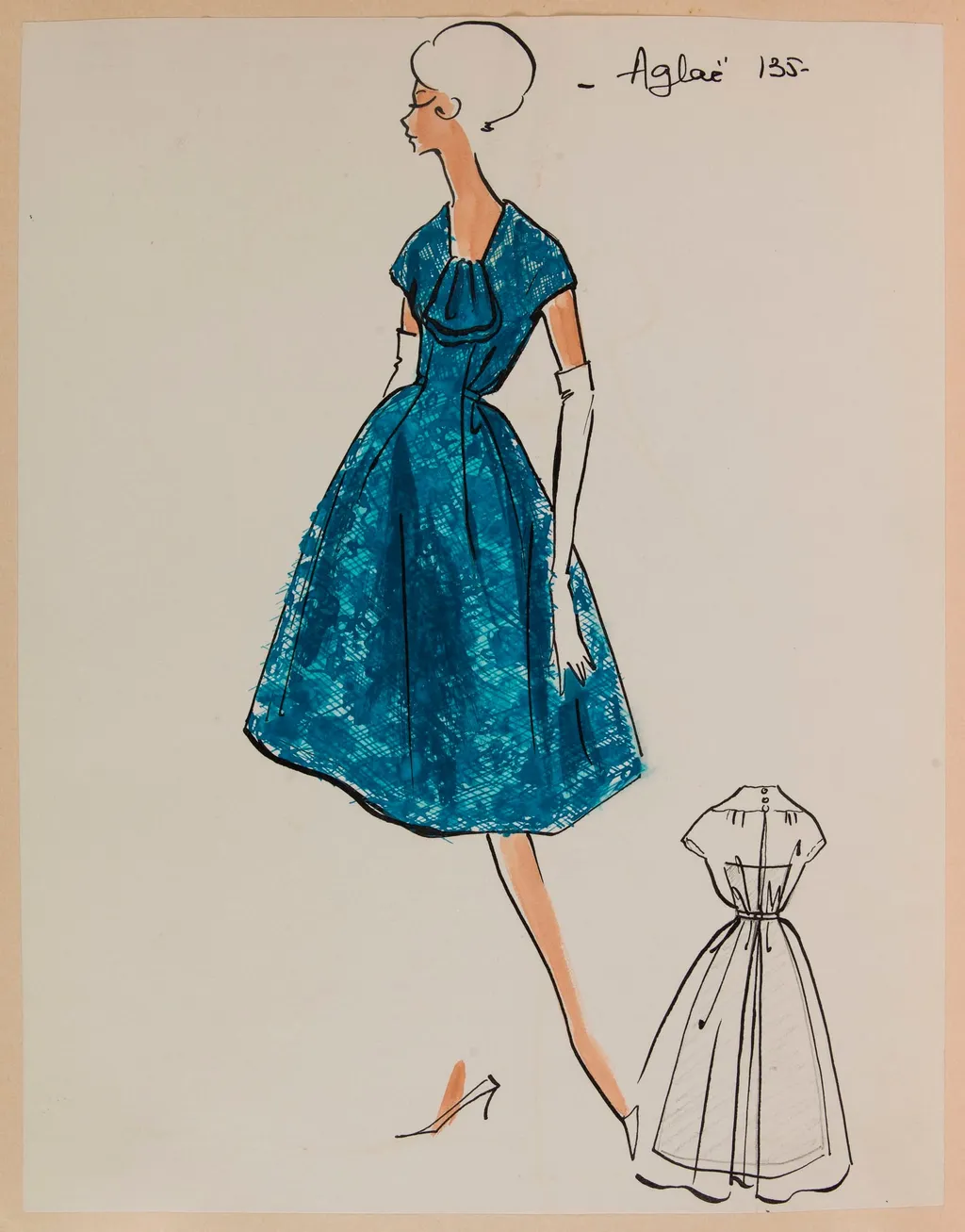
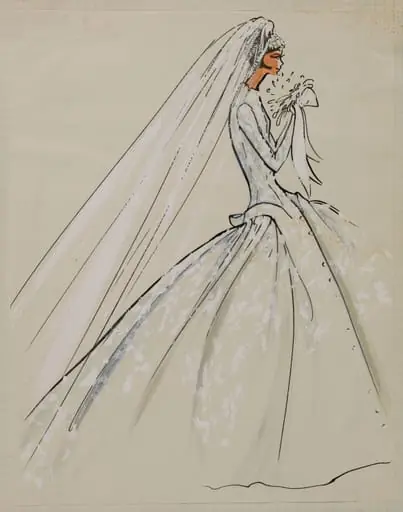
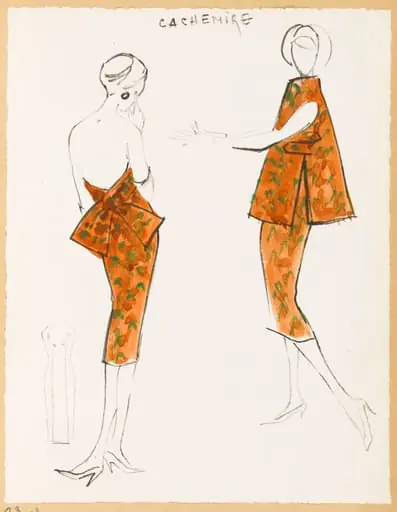
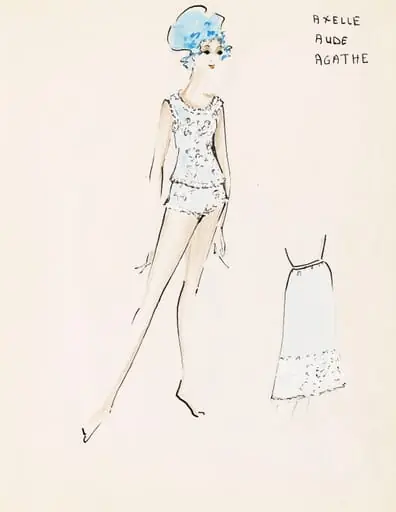
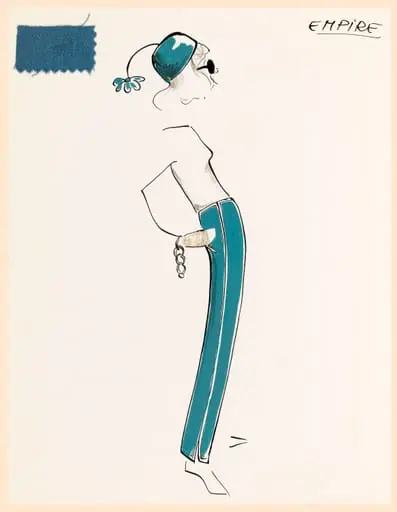
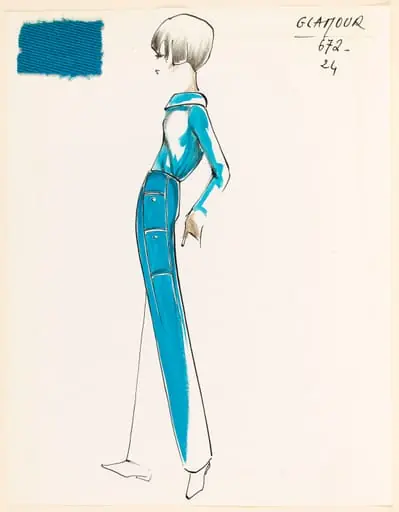
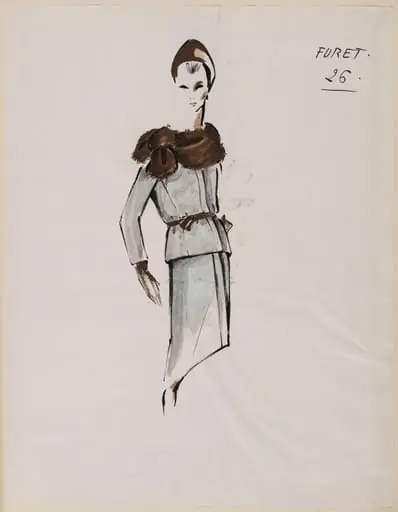
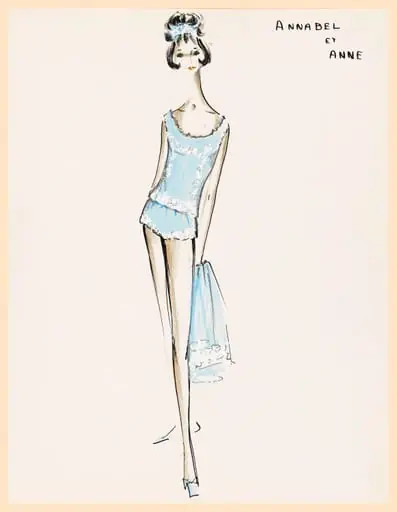
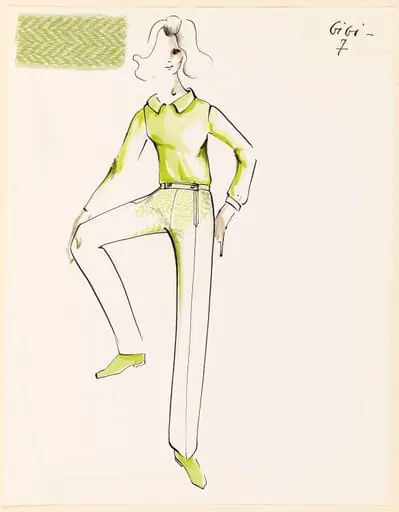
Aglaë is a drawing by Carven. It dates from 1958 and is held in the collection of the Palais Galliera - Musée de la Mode de la Ville de Paris.
About this work
Overview
Created around 1958, the drawing titled *Aglaë* is part of the Museum of Ethnography’s collection. It is attributed to the French fashion house Carven and exemplifies the studio’s mid‑century approach to garment illustration.
Subject & Meaning
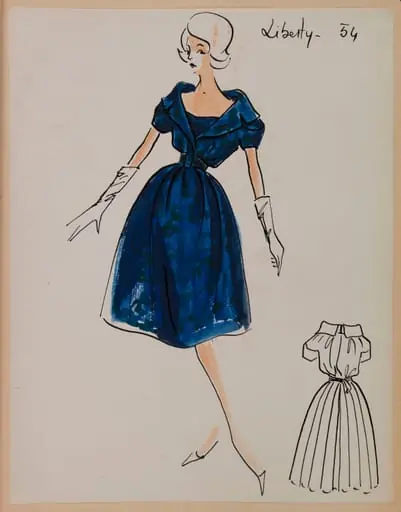
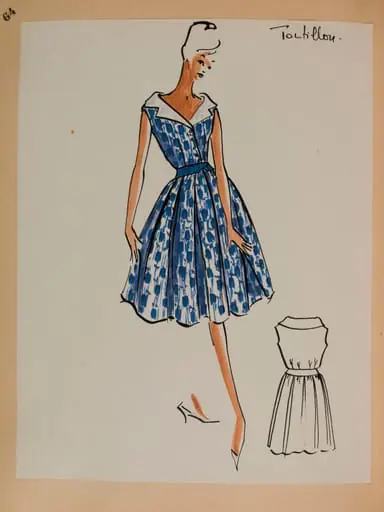
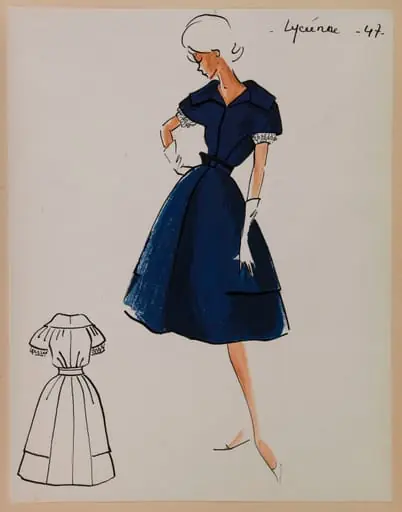
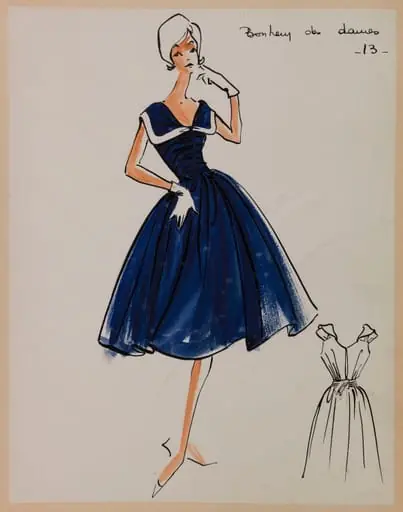
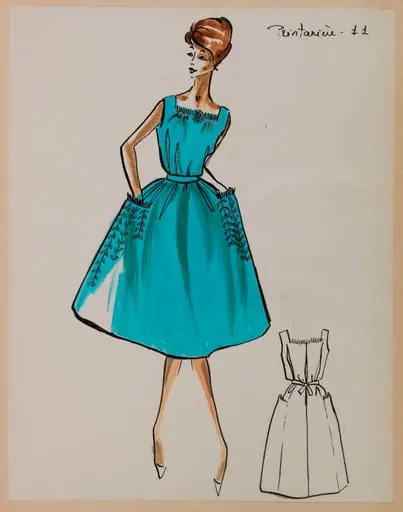
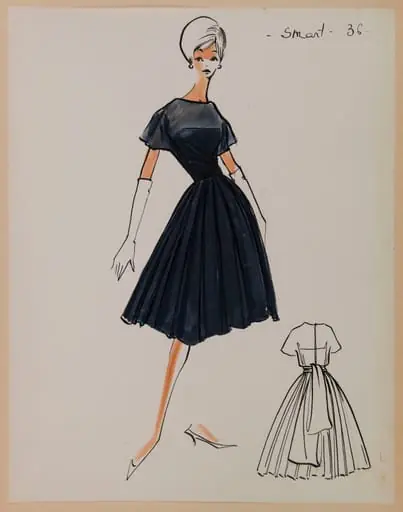
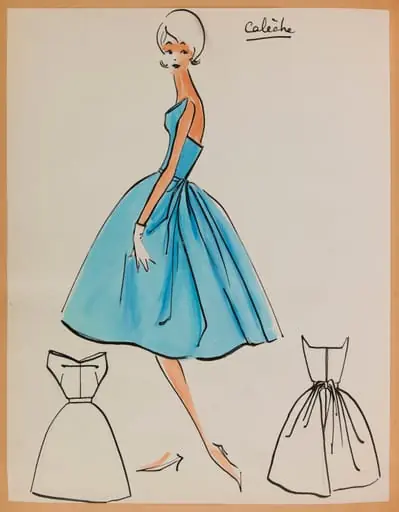
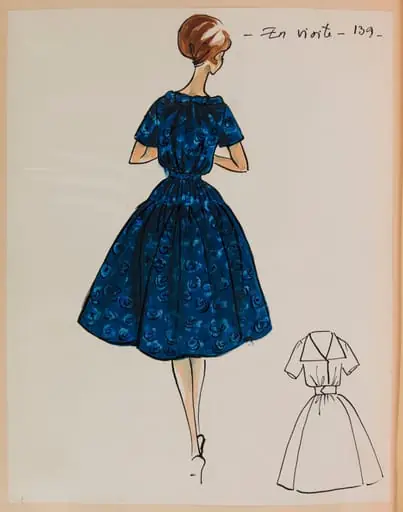
The image depicts a woman in a loose, knee‑length dress with a fitted bodice and a flared skirt. The figure is shown in motion, one hand placed on her hip, suggesting a casual, confident poise. The accompanying line drawing isolates the garment’s silhouette, emphasizing form over texture.
Technique & Style
Carven employs swift, assured strokes to convey the drape of the fabric, while a limited palette of blue‑green tones suggests a woven or printed surface. The juxtaposition of a detailed sketch with a minimalist outline reflects a pedagogical method common in fashion studios of the period.
History & Provenance
The work entered the Museum of Ethnography’s holdings after being acquired from a private collection of fashion archives. Its dating to the late 1950s places it within Carven’s post‑war expansion, when the house was known for ready‑to‑wear designs that blended elegance with practicality.
Context
During the 1950s, French fashion houses increasingly produced sketchbooks to document seasonal collections. Carven’s *Aglaë* illustrates the era’s shift toward accessible, everyday clothing, contrasting with the more formal haute couture presented on Paris runways.
Artist & collection
Artist
These delicate ink-on-paper drawings capture the quiet poetry of everyday things: pinecones, reeds, apples.
Museum
Palais Galliera - Musée de la Mode de la Ville de Paris
Continue through works from the same source collection.