Artwork
Allegria
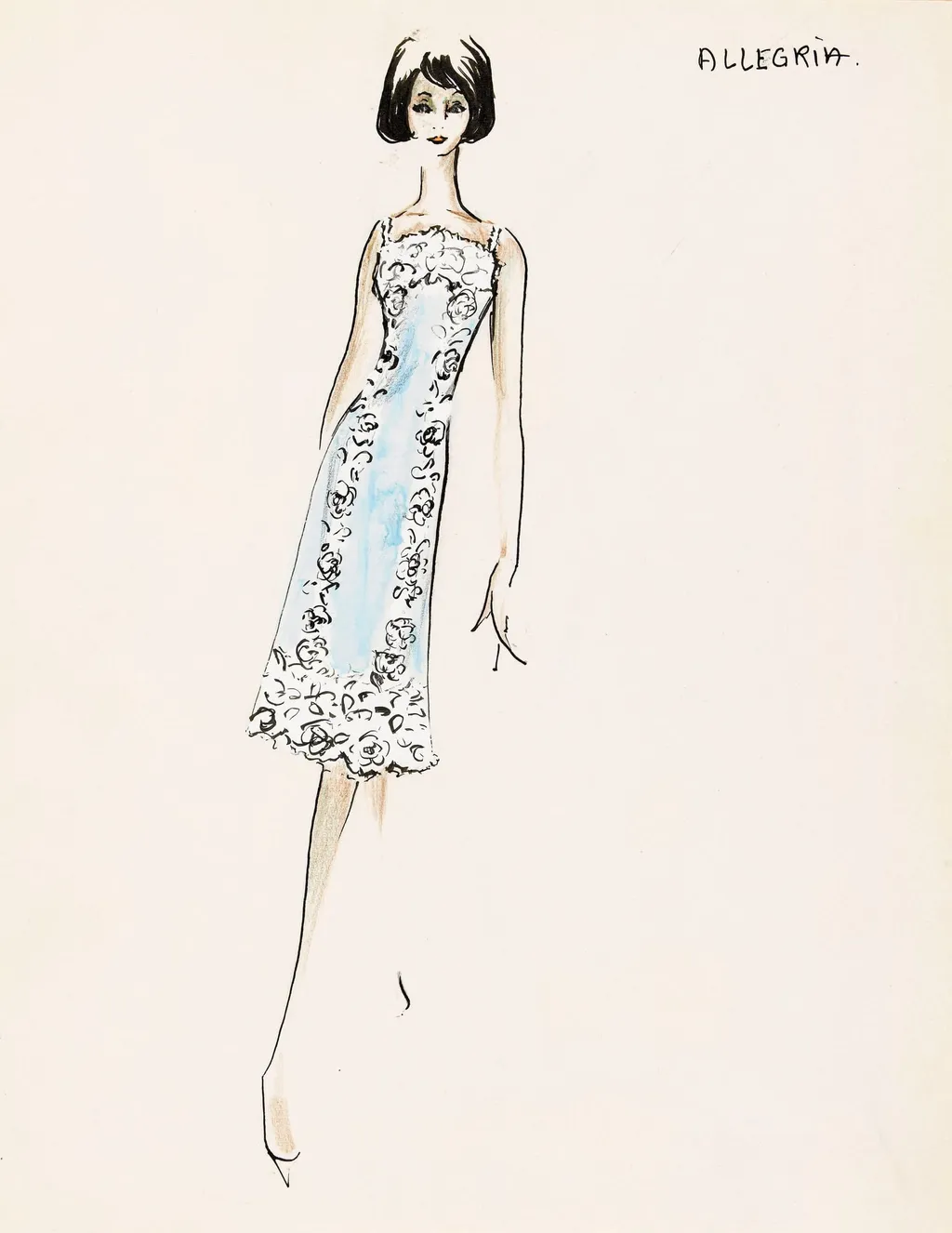
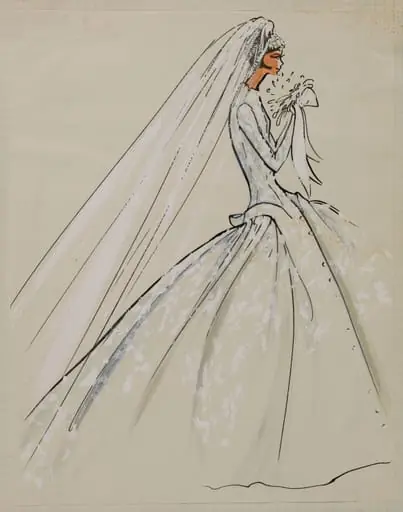
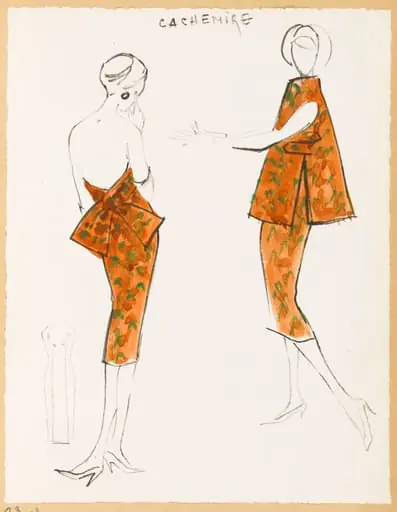
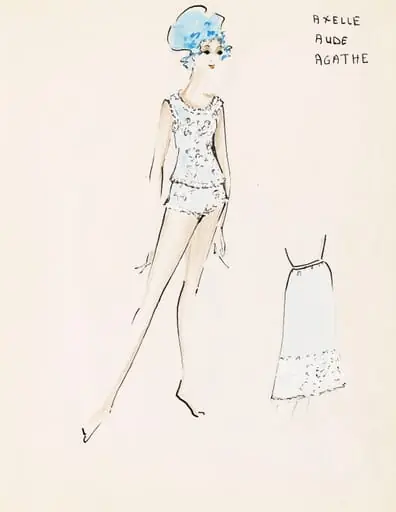
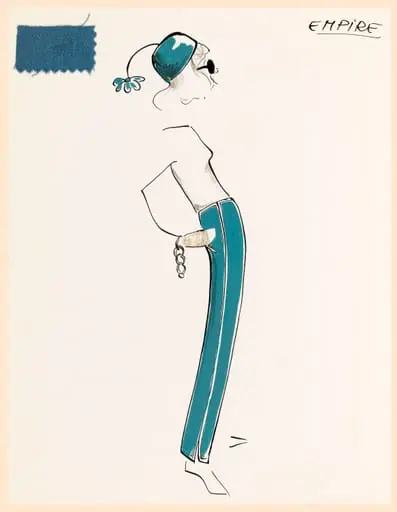
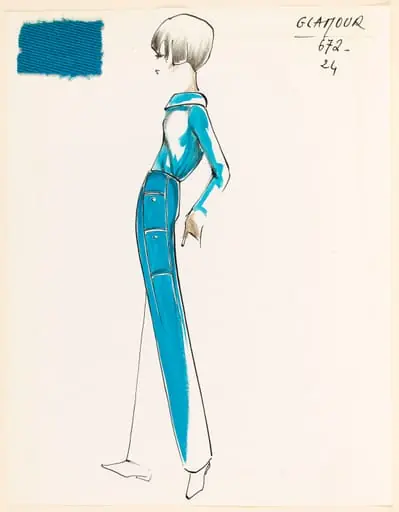
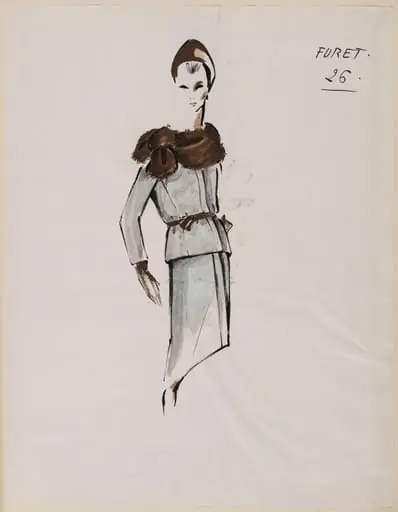
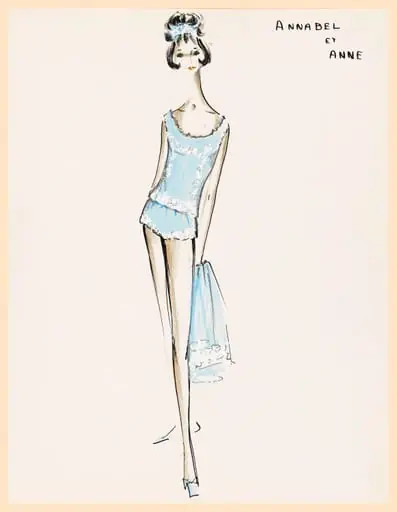
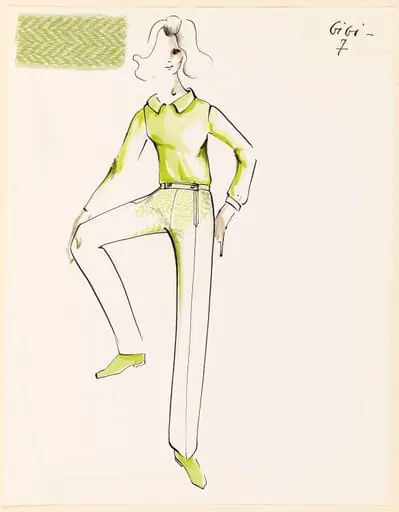
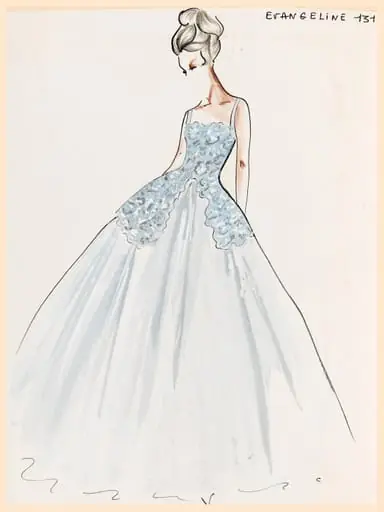
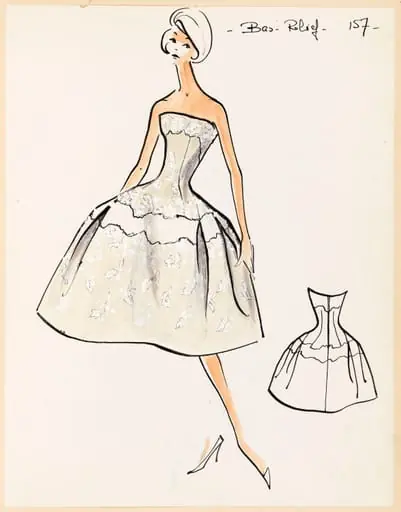
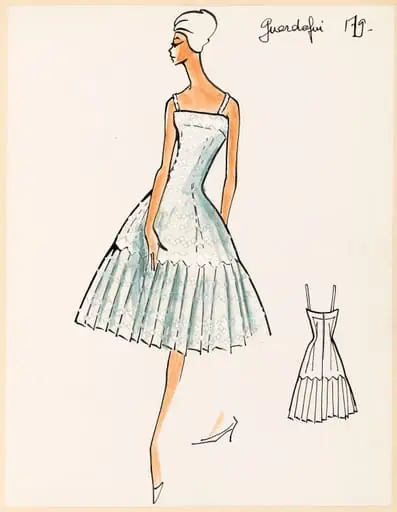
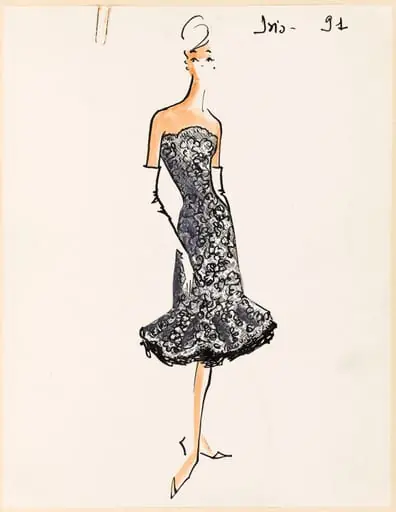
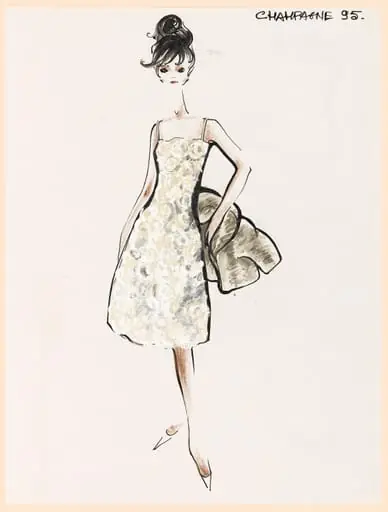
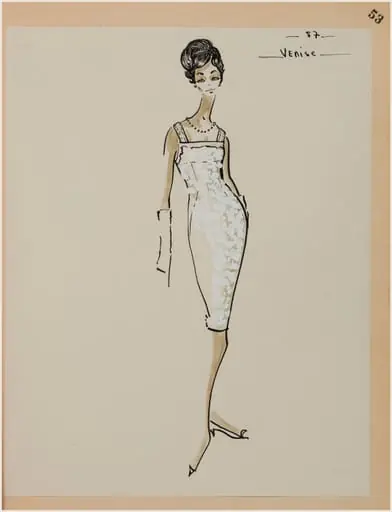
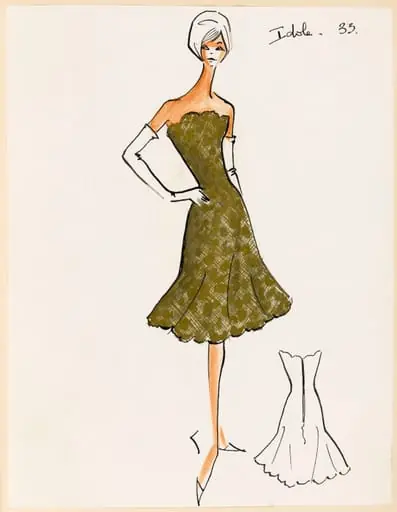
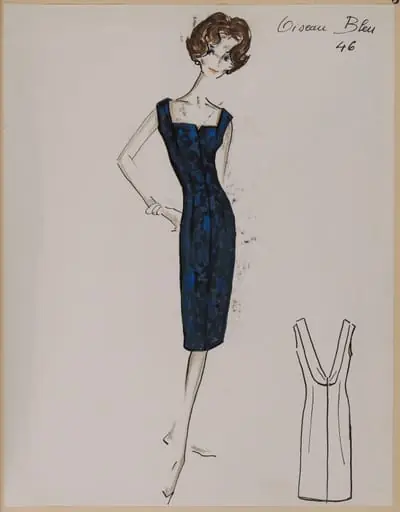
Allegria is a drawing by Carven. It dates from 1961 and is held in the collection of the Palais Galliera - Musée de la Mode de la Ville de Paris.
About this work
Overview
Allegria, dated around 1961, is a painted portrait attributed to the French fashion designer Carven. It resides in the collection of the Museum of Ethnography, where it is presented as a cultural artifact reflecting mid-century aesthetics. The work merges fashion design with fine art, capturing a moment of quiet personal style rather than a formal portrait.
Subject & Meaning
The subject is a woman in a sleeveless, knee-length dress adorned with hand-painted floral motifs. Her bobbed dark hair and slender frame suggest a modern, restrained femininity typical of the early 1960s. The plain background isolates her figure, emphasizing the dress as both garment and artistic expression, possibly symbolizing the intersection of personal identity and design.
Technique & Style
The dress’s floral patterns are rendered with fine brushwork, suggesting they were painted directly onto fabric rather than printed. A subtle sheen in the textile implies the use of metallic or glossy paint, enhancing texture without overt glamour. The composition avoids narrative elements, focusing instead on form, color, and the quiet dignity of everyday attire.
History & Provenance
The painting entered the Museum of Ethnography’s collection in the late 20th century, acquired as part of a broader effort to document fashion as cultural expression. Its origin as a personal or commissioned work remains undocumented. No exhibition history or prior ownership records are publicly available beyond its current institutional custody.
Context
Created during a period when fashion designers increasingly blurred lines between art and clothing, Allegria reflects Carven’s interest in wearable aesthetics as artistic statements. The work aligns with postwar European trends that elevated domestic and personal style as subjects worthy of artistic attention, distinct from high fashion’s theatricality.
Legacy
Allegria contributes to scholarly discussions on fashion as art and the role of designers in shaping visual culture. While not widely exhibited, it remains a quiet example of how mid-century designers infused everyday garments with artistic intention, influencing later museum practices in collecting fashion as material culture.
Artist & collection
Artist
These delicate ink-on-paper drawings capture the quiet poetry of everyday things: pinecones, reeds, apples.
Museum
Palais Galliera - Musée de la Mode de la Ville de Paris
Continue through works from the same source collection.