Artwork
Andorre
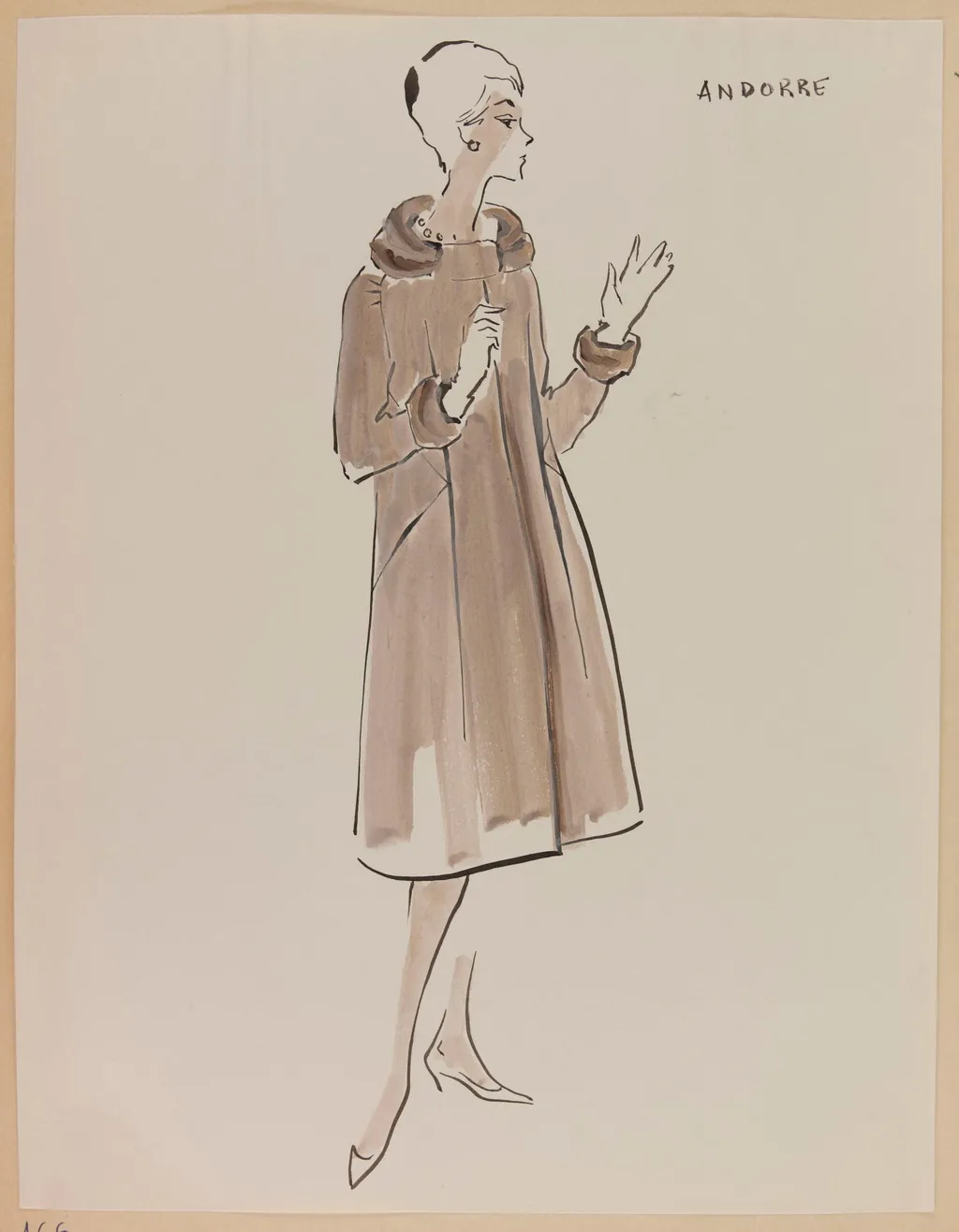
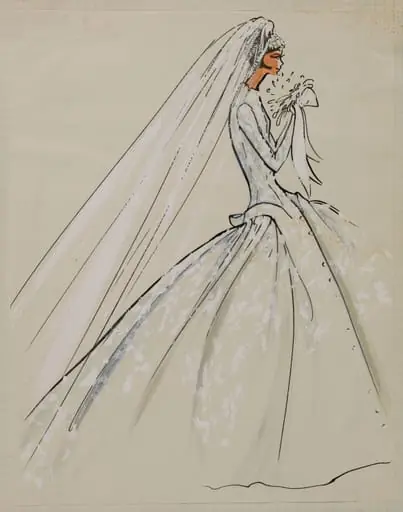
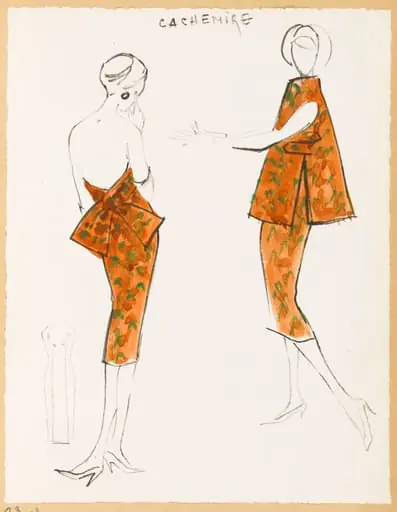
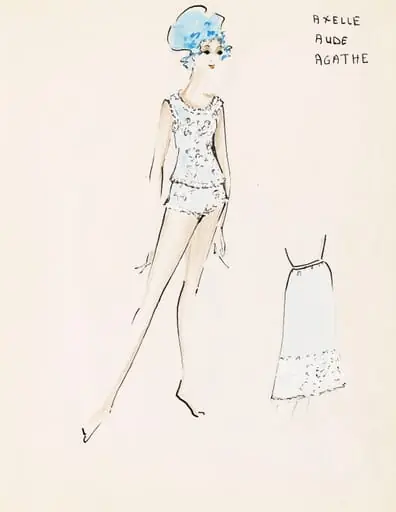
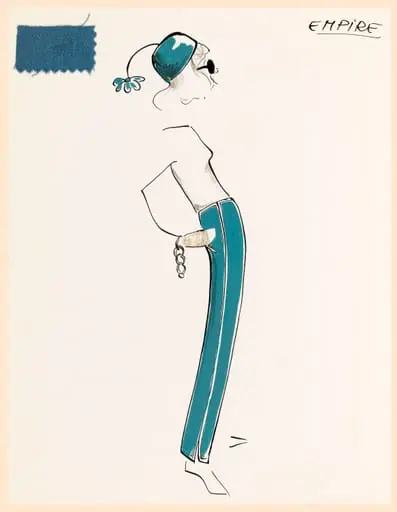
Andorre is a drawing by Carven. It dates from 1956 and is held in the collection of the Palais Galliera - Musée de la Mode de la Ville de Paris.
About this work
Overview
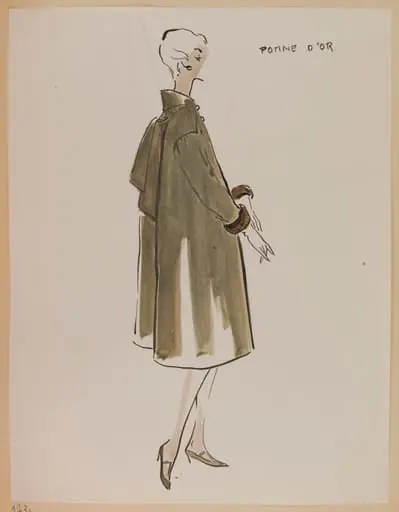
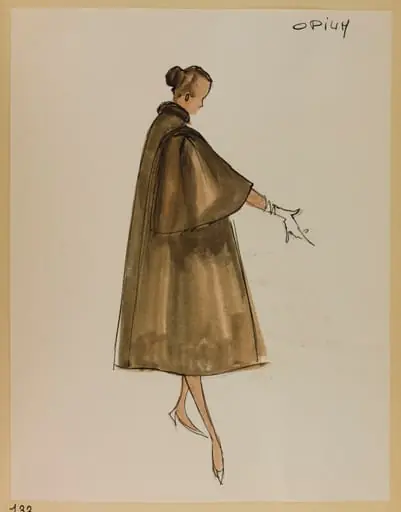
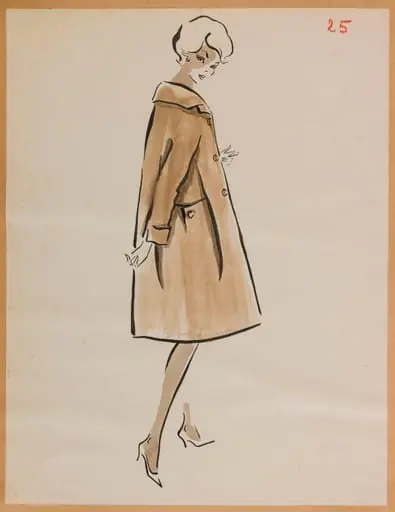
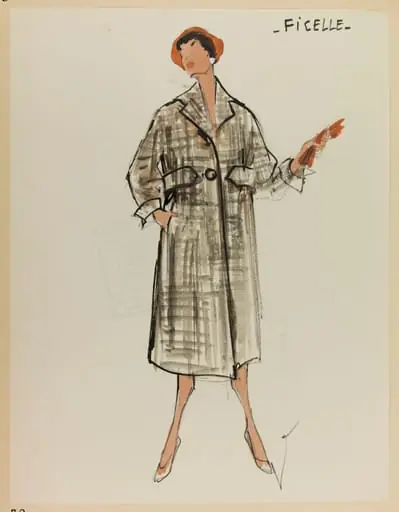
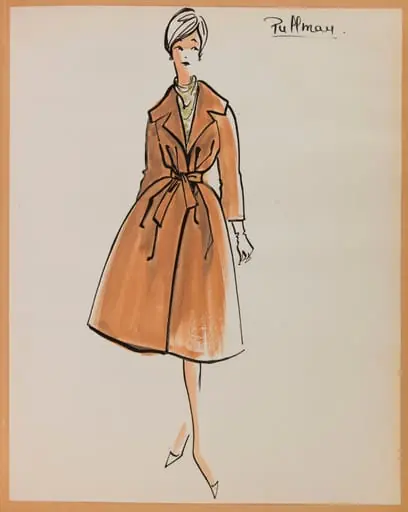
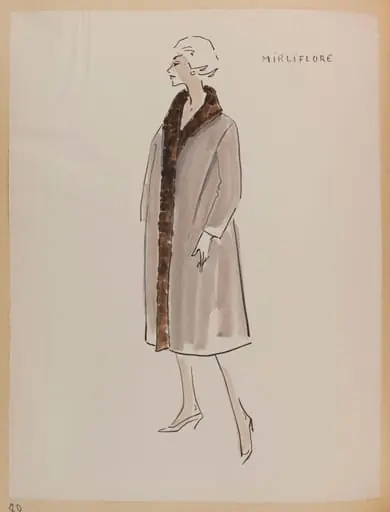
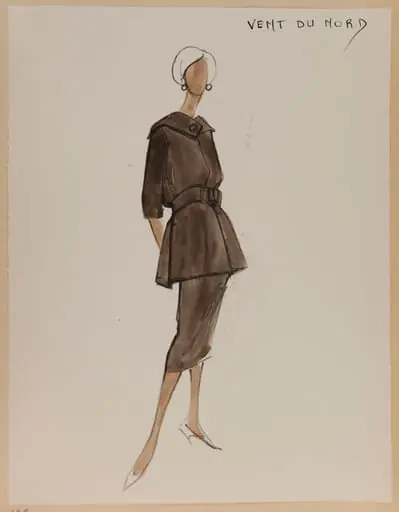
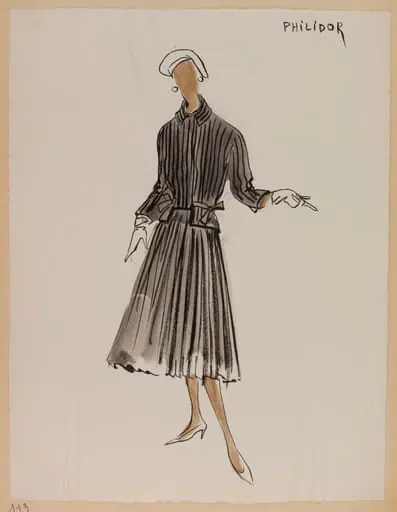
Created around 1956 by the French designer Carven, this ink sketch is part of the Museum of Ethnography’s collection. Though labeled as an image, it functions as a fashion study, capturing a figure in motion with minimal detail. The work reflects Carven’s practice of documenting garment design through rapid, expressive drawing, emphasizing silhouette over facial or environmental features.
Subject & Meaning
The figure is a woman dressed in a long coat with a high collar and flared sleeves, one hand resting on her hip, the other holding a small, indistinct object. The pose suggests casual elegance, possibly conveying how the garment moves with the body. The title, Andorre, may reference a place or collection name, but the focus remains on the clothing’s form rather than narrative or identity.
Technique & Style
Executed in swift, fluid ink strokes, the drawing prioritizes rhythm and volume over precision. Lines are confident and uncorrected, capturing the drape and weight of fabric through variation in stroke thickness. The absence of shading or background isolates the garment, reinforcing its role as a design study rather than a portrait or scene.
History & Provenance
The sketch entered the Museum of Ethnography’s holdings as part of a broader collection of fashion-related materials. Its origin lies in Carven’s atelier, where such drawings served as working documents for tailors and clients. Though undated precisely, its style aligns with mid-1950s design practices, when fashion houses relied heavily on hand-drawn prototypes.
Context
In the 1950s, Parisian fashion houses like Carven produced numerous sketches to communicate garment structure before construction. This drawing reflects a time when designers personally documented their ideas, blending artistry with utility. Unlike editorial illustrations, such studies were private tools, later preserved as records of design thinking.
Legacy
The sketch stands as a testament to Carven’s hands-on approach to design, where movement and fabric were central concerns. While not widely exhibited, it contributes to scholarly understanding of mid-century fashion processes. Its preservation in an ethnographic museum underscores the cultural significance of clothing as both artifact and creative expression.
Artist & collection
Artist
These delicate ink-on-paper drawings capture the quiet poetry of everyday things: pinecones, reeds, apples.
Museum
Palais Galliera - Musée de la Mode de la Ville de Paris
Continue through works from the same source collection.