Artwork
Calcédoine
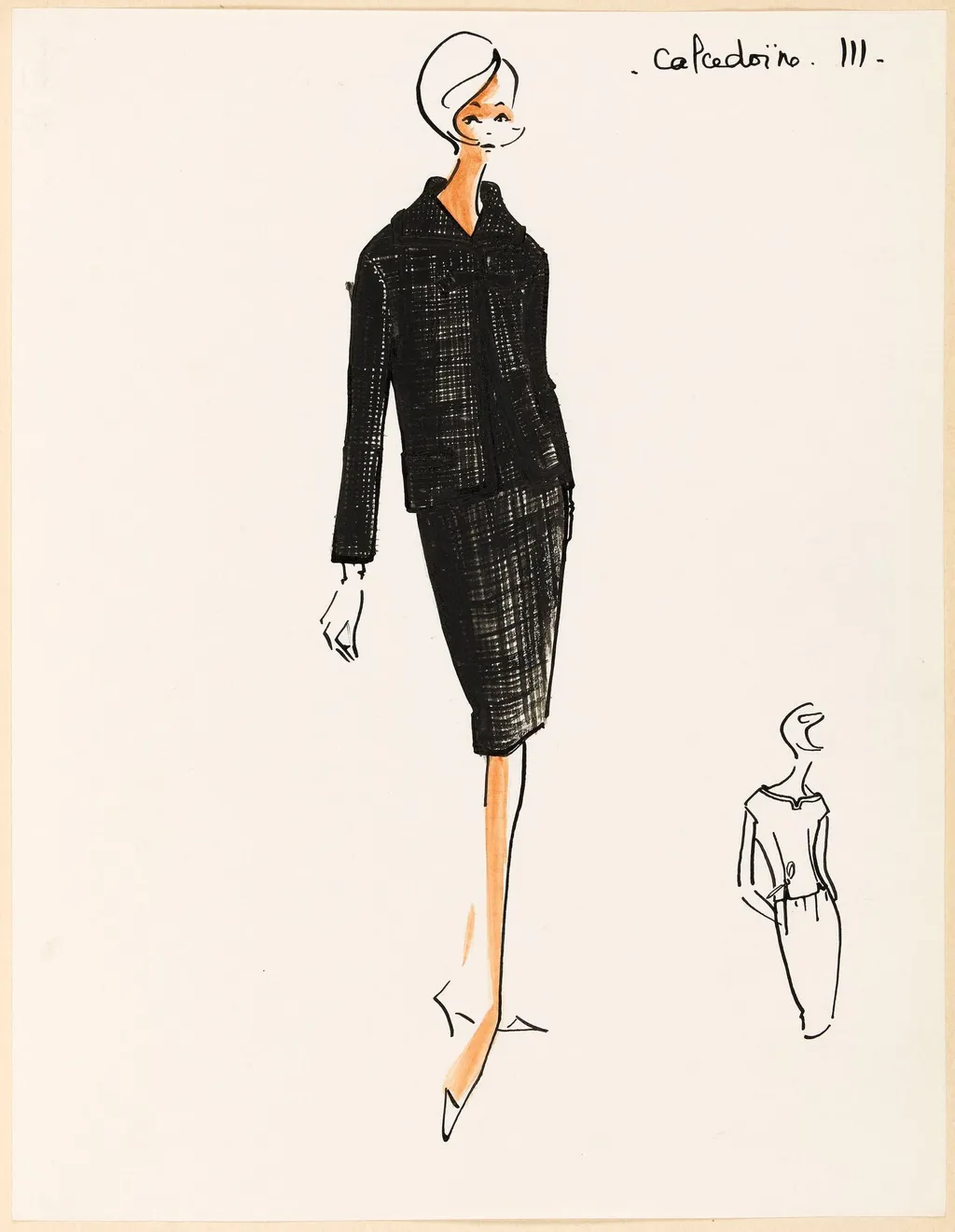
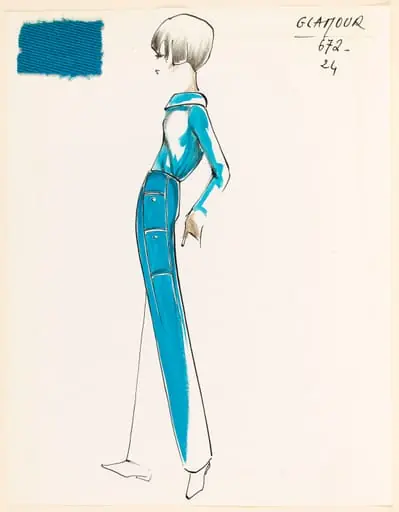
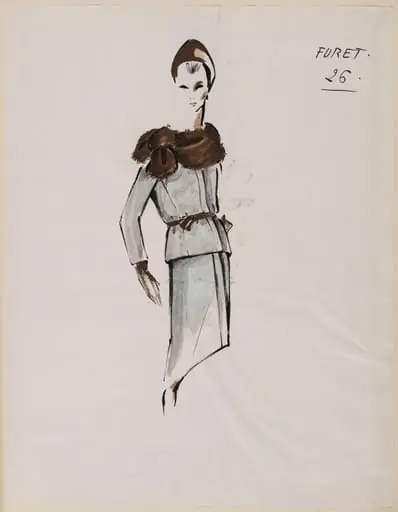
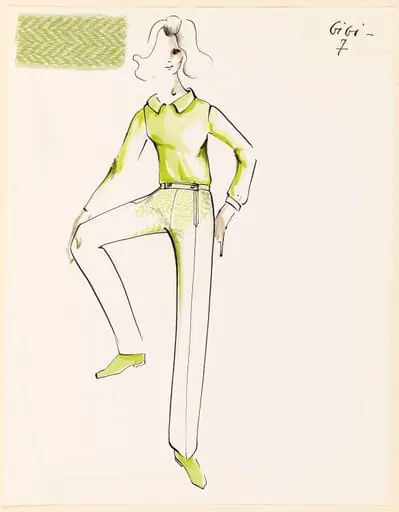
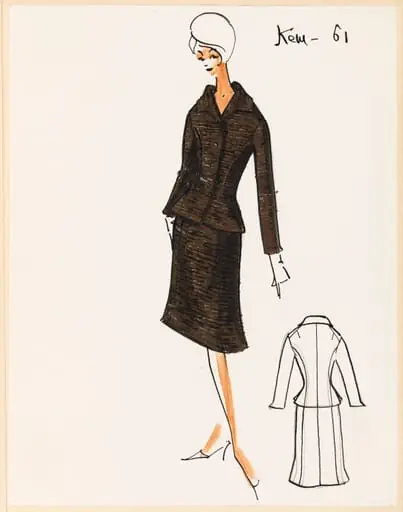
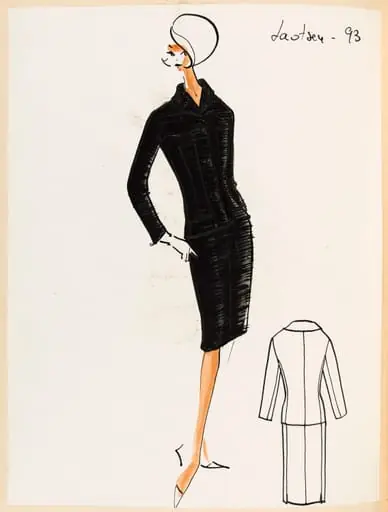
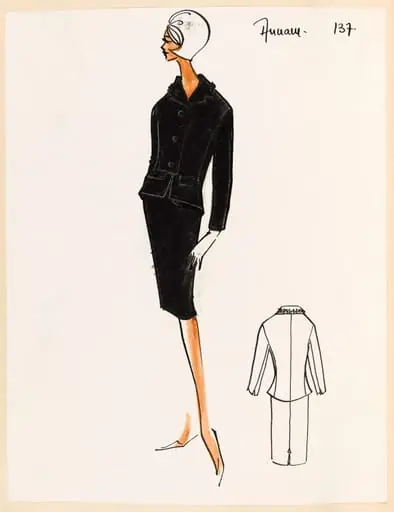
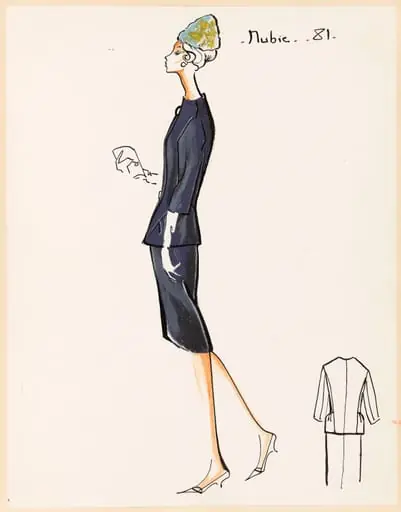
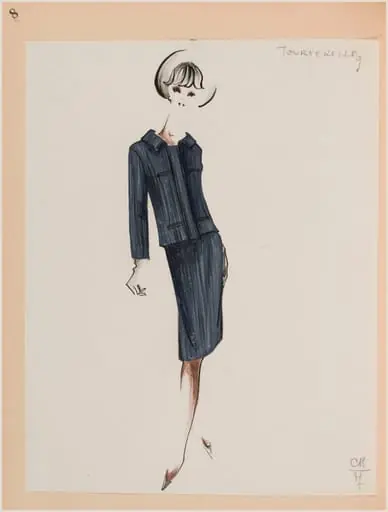
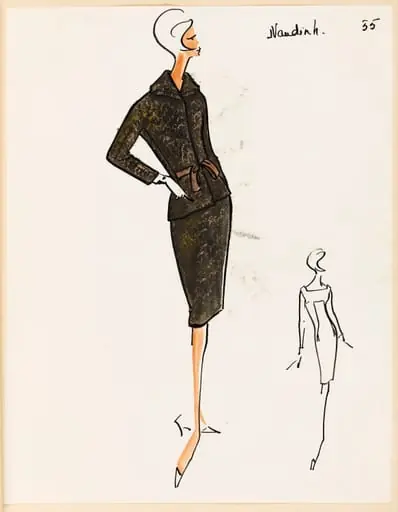
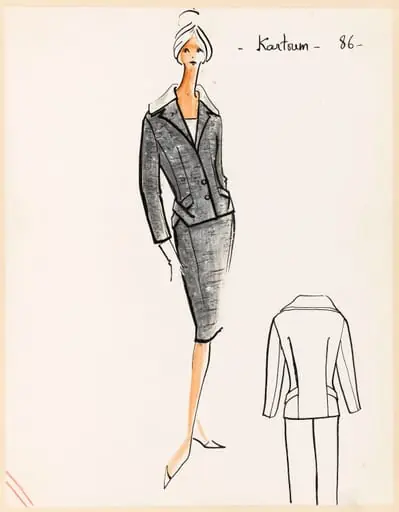
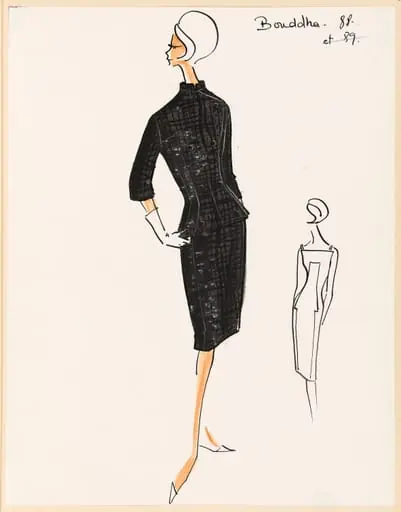
Calcédoine is a drawing by Carven. It dates from 1959 and is held in the collection of the Palais Galliera - Musée de la Mode de la Ville de Paris.
About this work
Overview
Created around 1959 by the artist Carven, this pencil sketch on calcédoine is part of the Museum of Ethnography’s collection.
Created around 1959 by the artist Carven, this pencil sketch on calcédoine is part of the Museum of Ethnography’s collection. The work is a modest, intimate study, distinguished by its unembellished draftsmanship and the material’s subtle texture. Unlike finished illustrations, it preserves the immediacy of the artist’s hand, with visible corrections and tentative lines that suggest a working process rather than a polished outcome.
Subject & Meaning
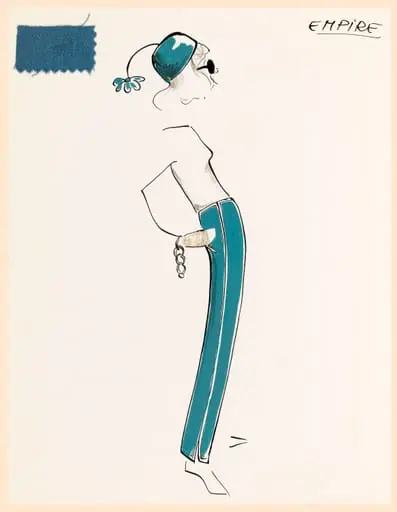
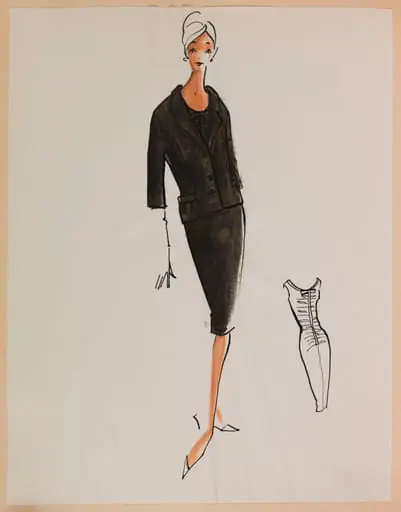
The figure is a woman dressed in a plain, tailored black jacket and matching trousers, her posture relaxed yet composed—one hand resting on her hip. Her short, neatly styled hair and minimal attire convey a sense of modernity and restraint. The absence of context or narrative detail invites focus on her presence alone, suggesting an interest in everyday dignity rather than dramatic storytelling.
Technique & Style
Rendered in light, fluid pencil strokes, the drawing embraces spontaneity. Contours are suggestive rather than defined, and incidental marks—such as a faint secondary sketch in the corner—remain visible, indicating the artist’s iterative process. The use of calcédoine, a fine-grained stone, lends a delicate surface that softens the graphite, enhancing the sketch’s quiet, tactile quality.
History & Provenance
The work entered the Museum of Ethnography’s holdings in the late 20th century, likely through direct acquisition or donation tied to Carven’s broader body of work. Its material and style align with mid-century artistic practices that valued process over finality. No public record of prior ownership exists, and it has remained in the museum’s care since accession.
Context
In the late 1950s, many artists turned to informal, rapid drawing as a means of exploring form and identity outside commercial or academic constraints. Carven’s sketch reflects this trend, situating the ordinary woman as a subject worthy of quiet observation. The choice of calcédoine, uncommon for sketching, hints at an interest in materiality as part of the artistic inquiry.
Legacy
Though Carven’s name remains obscure in mainstream art history, this work contributes to a quieter lineage of 20th-century drawings that prioritize authenticity over spectacle. Its preservation in an ethnographic museum underscores its value as a document of personal and cultural expression, offering insight into how everyday presence was rendered with sensitivity during the period.
Artist & collection
Artist
These delicate ink-on-paper drawings capture the quiet poetry of everyday things: pinecones, reeds, apples.
Museum
Palais Galliera - Musée de la Mode de la Ville de Paris
Continue through works from the same source collection.