Artwork
Calypso
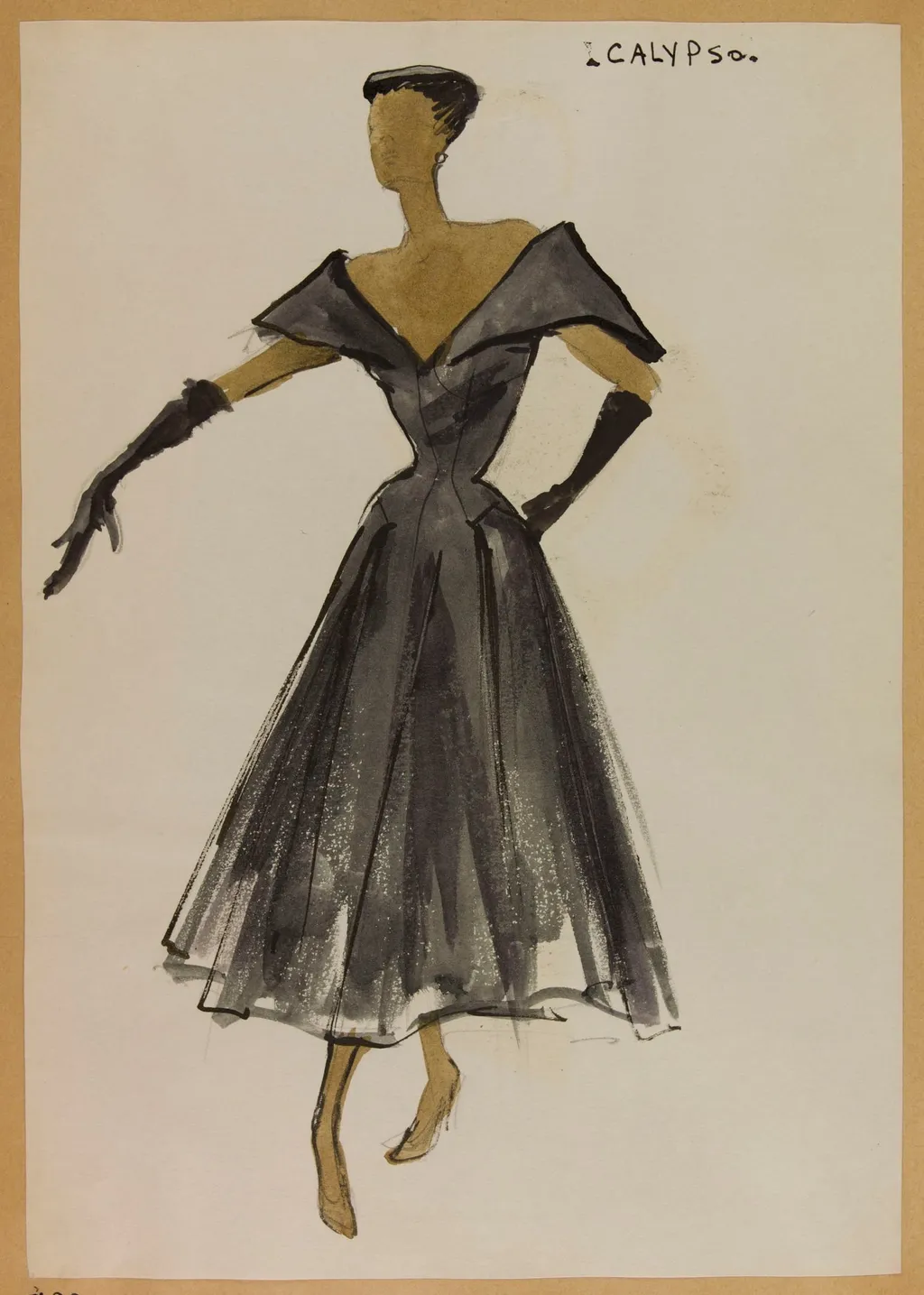
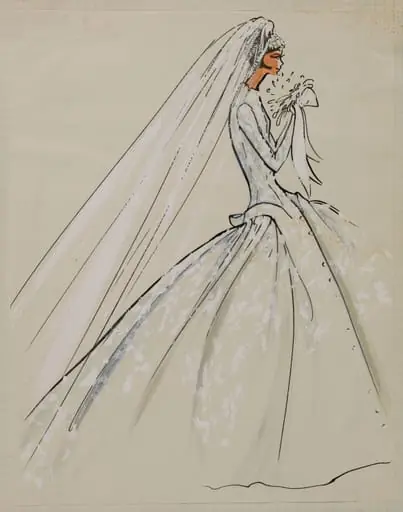
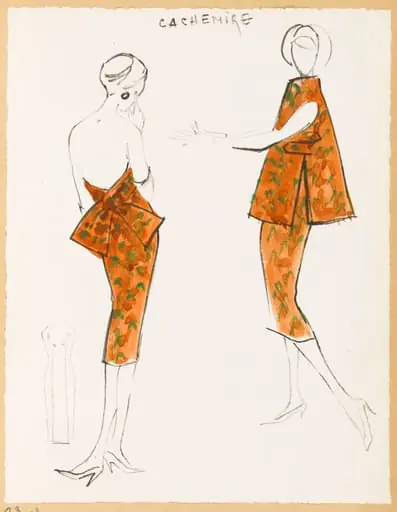
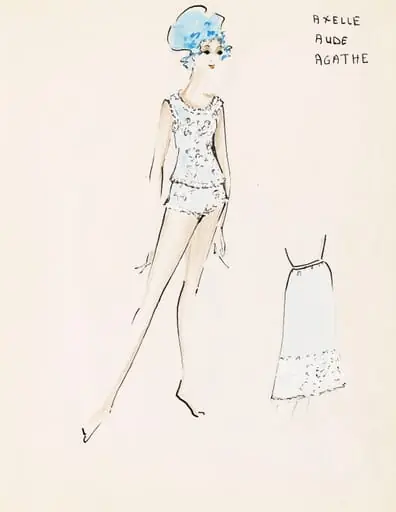
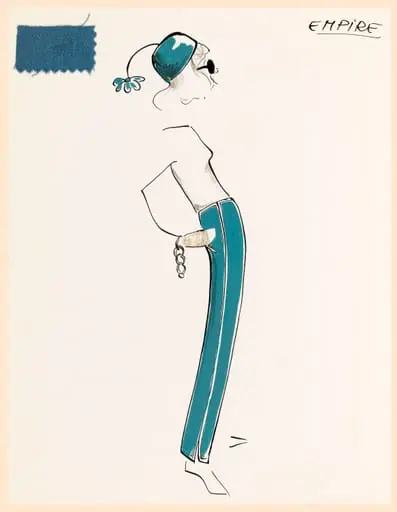
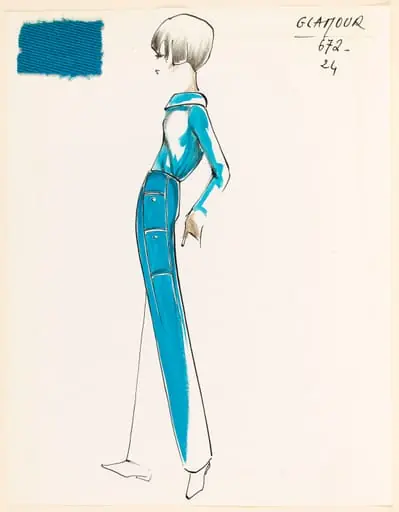
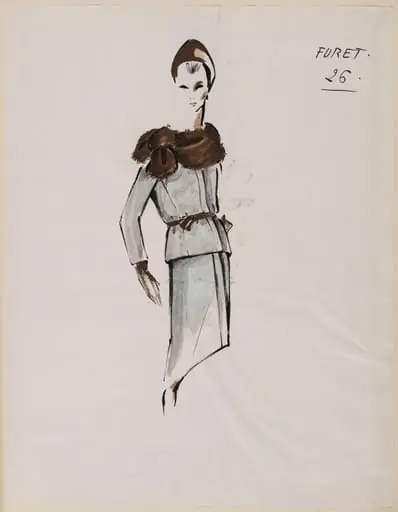
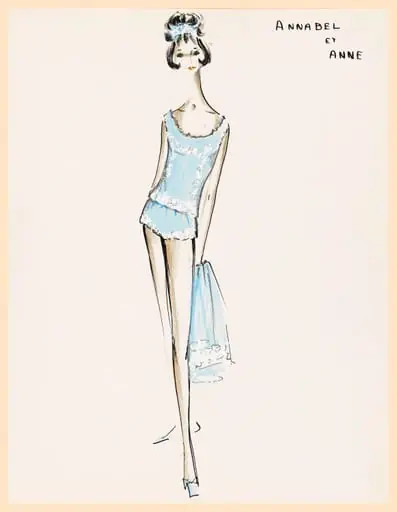
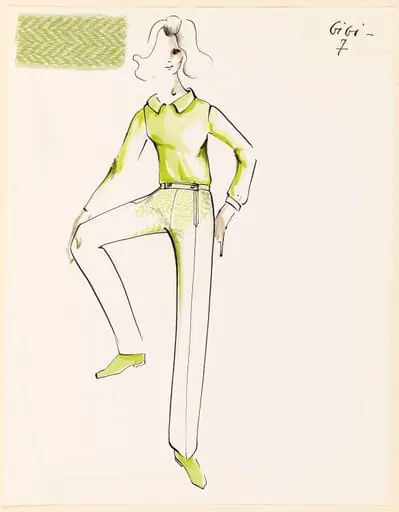
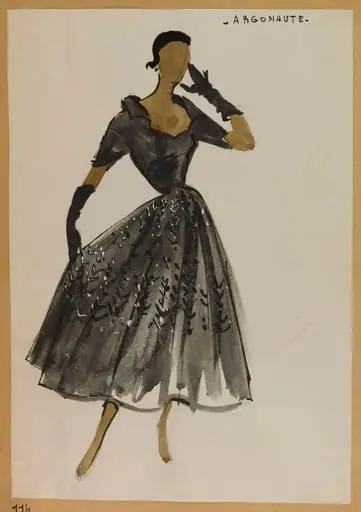
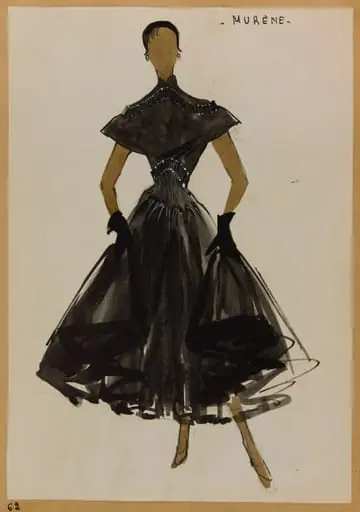
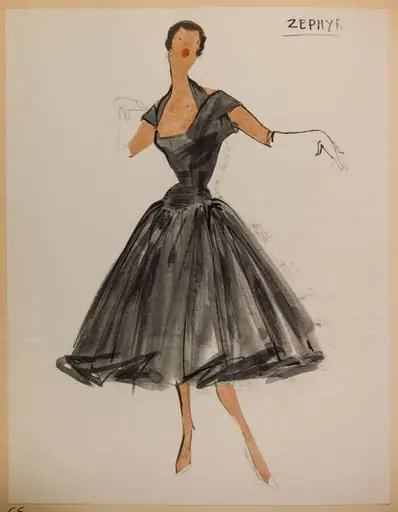
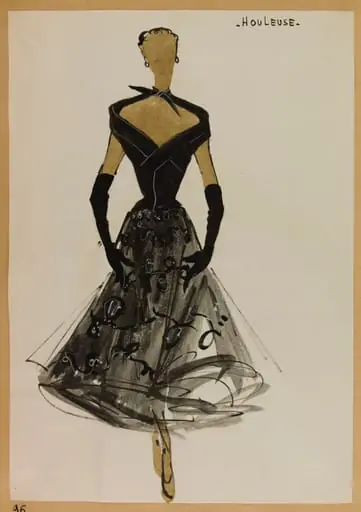
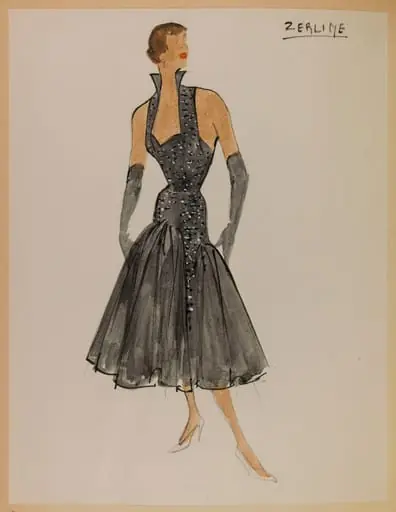
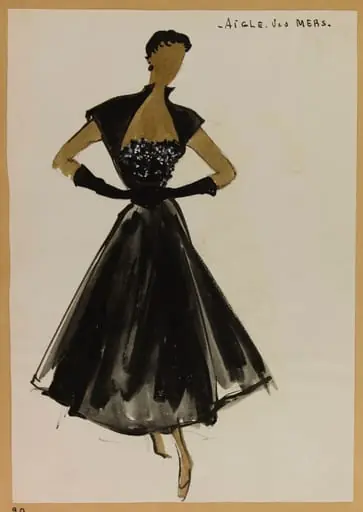
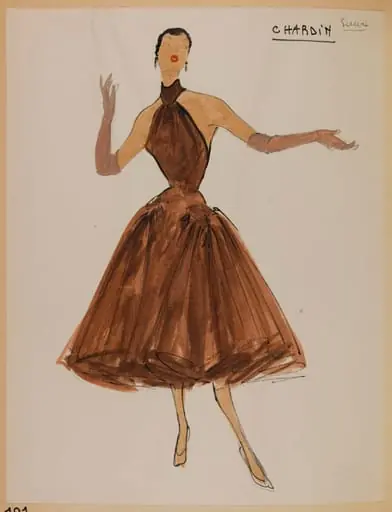
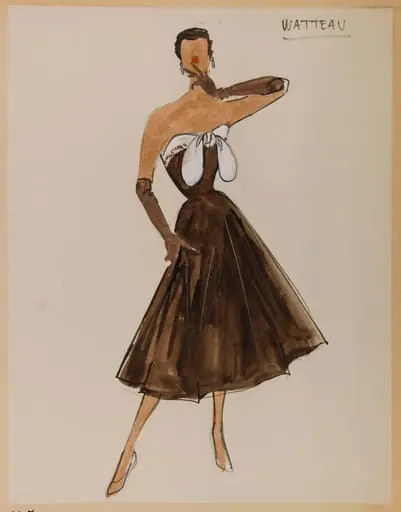
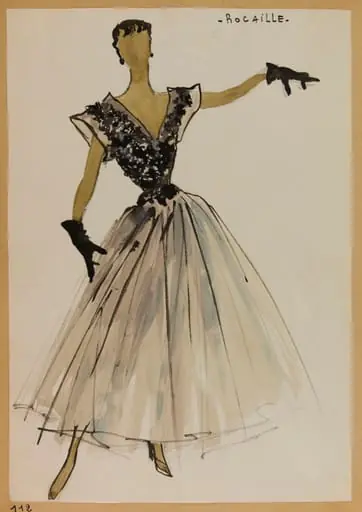
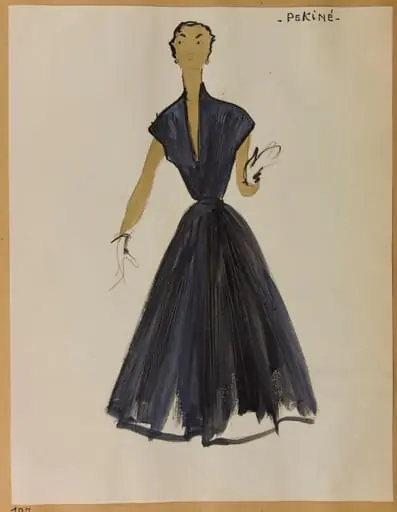
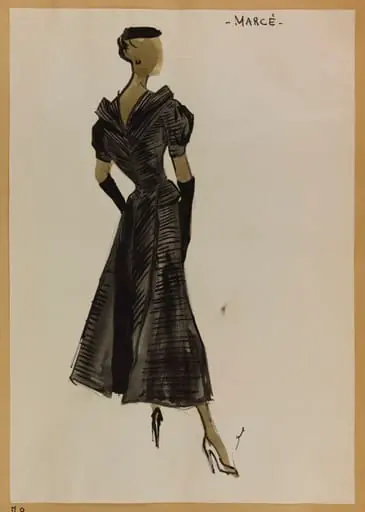
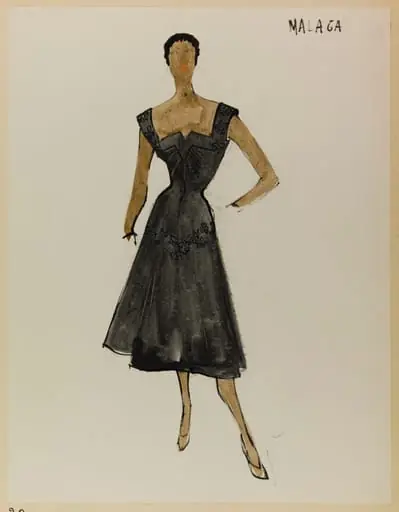
Calypso is a drawing by Carven. It dates from 1952 and is held in the collection of the Palais Galliera - Musée de la Mode de la Ville de Paris.
About this work
The overall effect is one of elegance and sophistication, capturing the glamour of high fashion in the mid-20th century.
This painting depicts a woman in a formal dress, with her arms outstretched and her right leg slightly raised. The dress is a dark color, possibly black or dark gray, and features a full skirt and a V-neckline. The woman's hair is styled in an updo, and she wears long gloves that match the color of her dress.
The painting is rendered in a loose, expressive style, with bold brushstrokes and vivid colors. The overall effect is one of elegance and sophistication, capturing the glamour of high fashion in the mid-20th century.
If you're interested in learning more about the artist behind this work, you might want to look up Carven.
Overview
Created in 1952 by the French fashion house Carven, this oil painting titled “Calypso” is part of the collection of the Museum of Ethnography. The work portrays a formally dressed woman captured in a poised stance, her arms extended and one foot slightly lifted, embodying a moment of refined movement.
Subject & Meaning
The central figure is presented in an elegant, dark-hued gown with a full skirt and a V‑shaped neckline, complemented by matching long gloves. Her hair is arranged in an up‑do, suggesting a fashionable, perhaps theatrical, presence that reflects mid‑century ideals of poise and femininity.
Technique & Style
Carven employs a loose, expressive brushwork that emphasizes fluidity over precise detail. Bold strokes and a vivid palette give the composition a sense of immediacy, while the contrast between the dark attire and the surrounding space heightens the visual impact of the subject’s gesture.
History & Provenance
The painting entered the Museum of Ethnography’s holdings after its creation, though the precise acquisition date is not recorded in the available sources. Its presence in an ethnographic institution highlights the crossover between fashion illustration and cultural documentation during the post‑war period.
Context
“Calyp0” reflects the post‑World War II fascination with high fashion and the glamour associated with Parisian couture houses. By 1952, Carven was known for translating runway aesthetics into fine‑art formats, and this work exemplifies the era’s blend of commercial design and artistic expression.
Artist & collection
Artist
These delicate ink-on-paper drawings capture the quiet poetry of everyday things: pinecones, reeds, apples.
Museum
Palais Galliera - Musée de la Mode de la Ville de Paris
Continue through works from the same source collection.