Artwork
Carmen
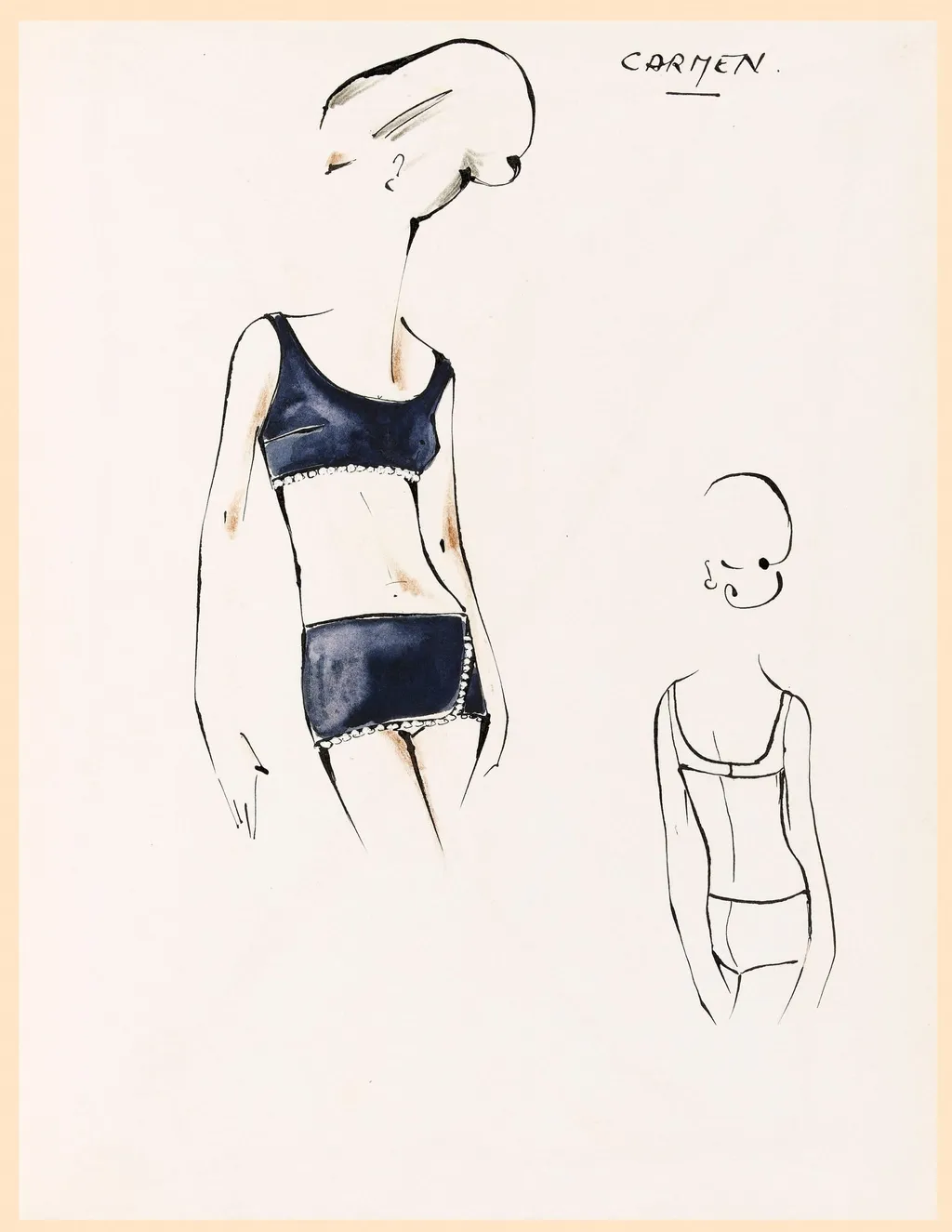
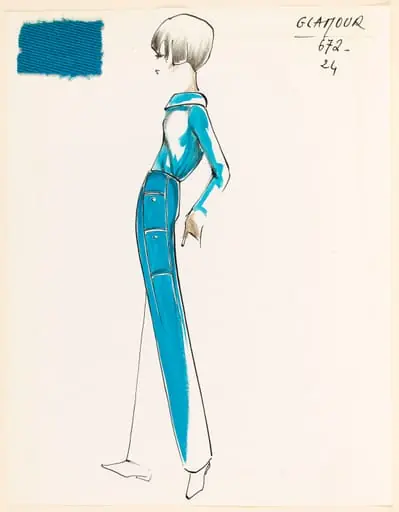
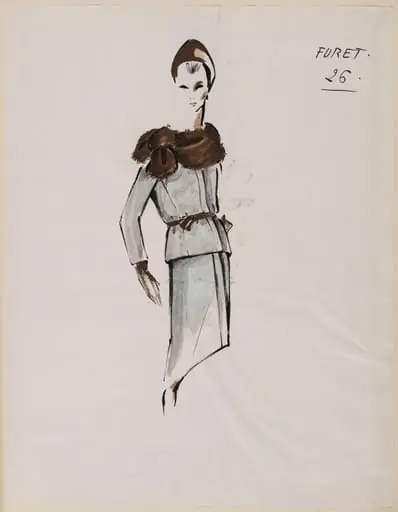
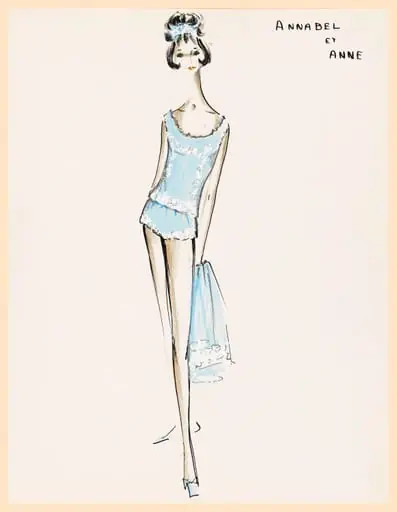
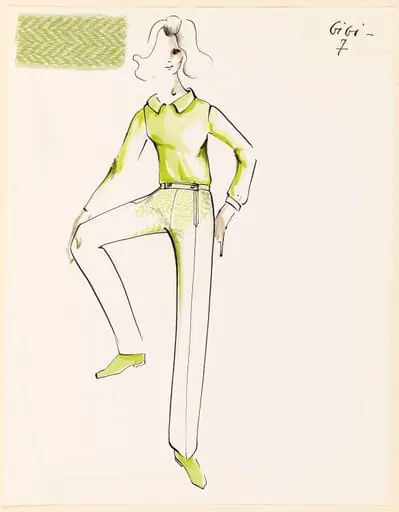
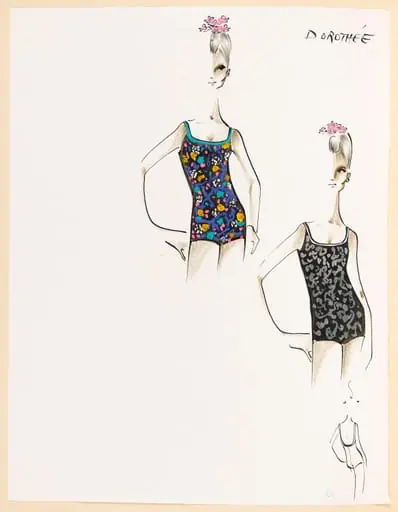
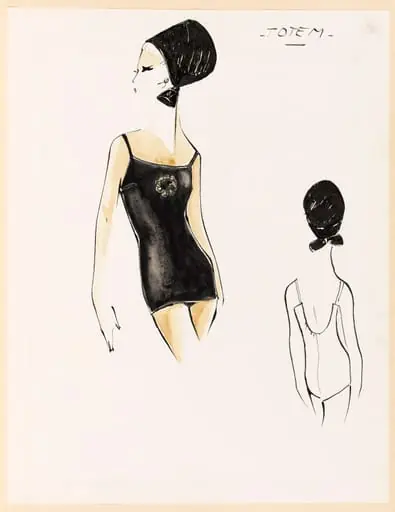
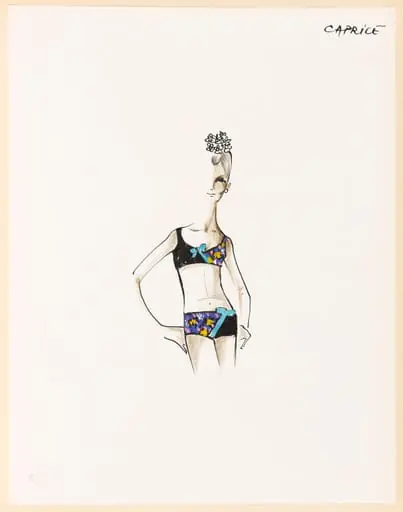
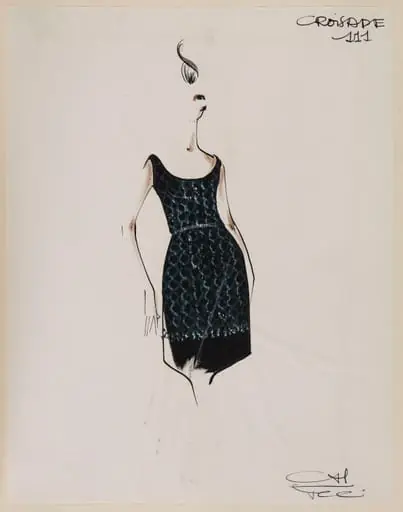
Carmen is a drawing by Carven. It dates from 1964 and is held in the collection of the Palais Galliera - Musée de la Mode de la Ville de Paris.
About this work
Overview
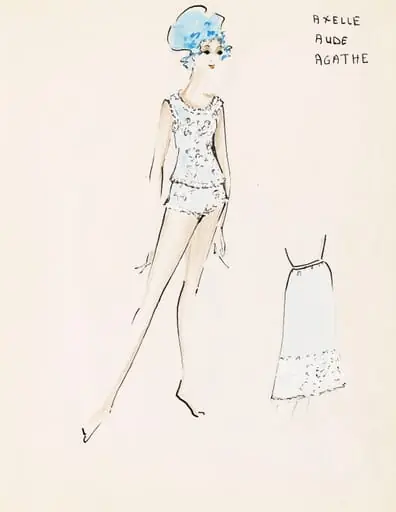
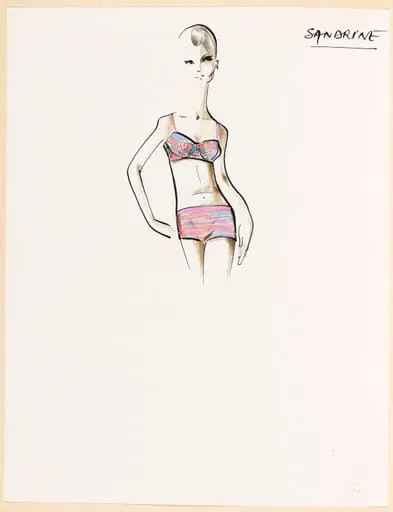
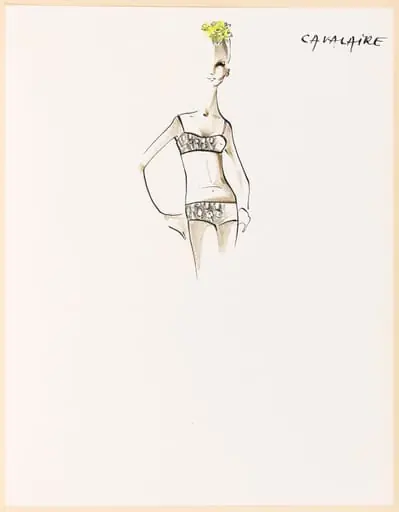
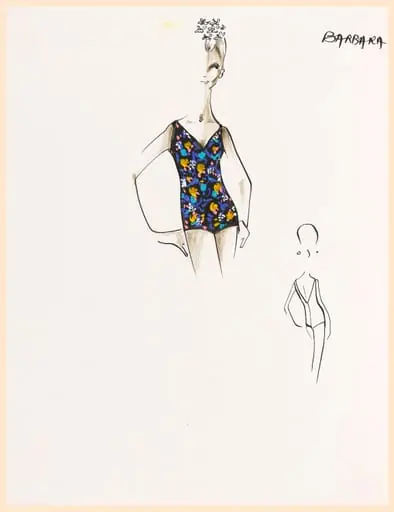
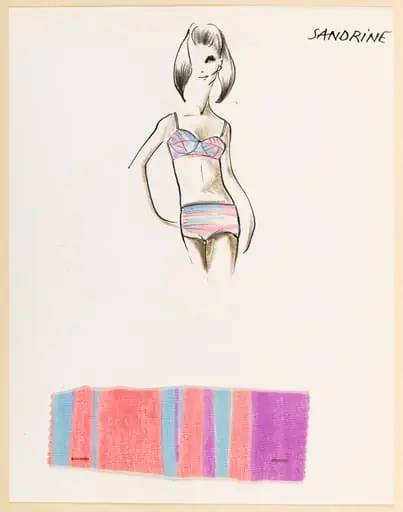
Carmen, attributed to the fashion designer Carven and dated to around 1964, is a modestly sized drawing in the collection of the Museum of Ethnography. Rendered in black ink, the image depicts a figure dressed in a two‑piece garment, with the artist’s signature title placed discreetly in the lower corner.
Subject & Meaning
The figure is presented with an unmarked, featureless face, emphasizing the clothing rather than individual identity. The upper piece is a sleeveless top supported by thin straps, while the lower portion is a short skirt secured by a narrow waistband. The composition invites consideration of mid‑century attitudes toward women's swimwear and body representation.
Technique & Style
Executed with loose, rapid lines, the drawing resembles a preliminary sketch rather than a finished illustration. The black ink strokes convey the garment’s shape with minimal detail, suggesting a spontaneous draft. This gestural approach highlights the designer’s conceptual focus on silhouette over ornamentation.
History & Provenance
Created circa 1964, the work entered the Museum of Ethnography’s holdings at an unspecified date, where it remains part of the institution’s broader assemblage of fashion and cultural artifacts. Its attribution to Carven aligns with the designer’s prominence in French haute couture during the post‑war era.
Context
The two‑piece ensemble anticipates the evolution of the bikini, presenting a version that retains more fabric than later, more revealing designs. Positioned within the 1960s, the sketch reflects a transitional moment when swimwear began to shift toward greater liberation while still adhering to modest conventions.
Artist & collection
Artist
These delicate ink-on-paper drawings capture the quiet poetry of everyday things: pinecones, reeds, apples.
Museum
Palais Galliera - Musée de la Mode de la Ville de Paris
Continue through works from the same source collection.