Artwork
Charlotte
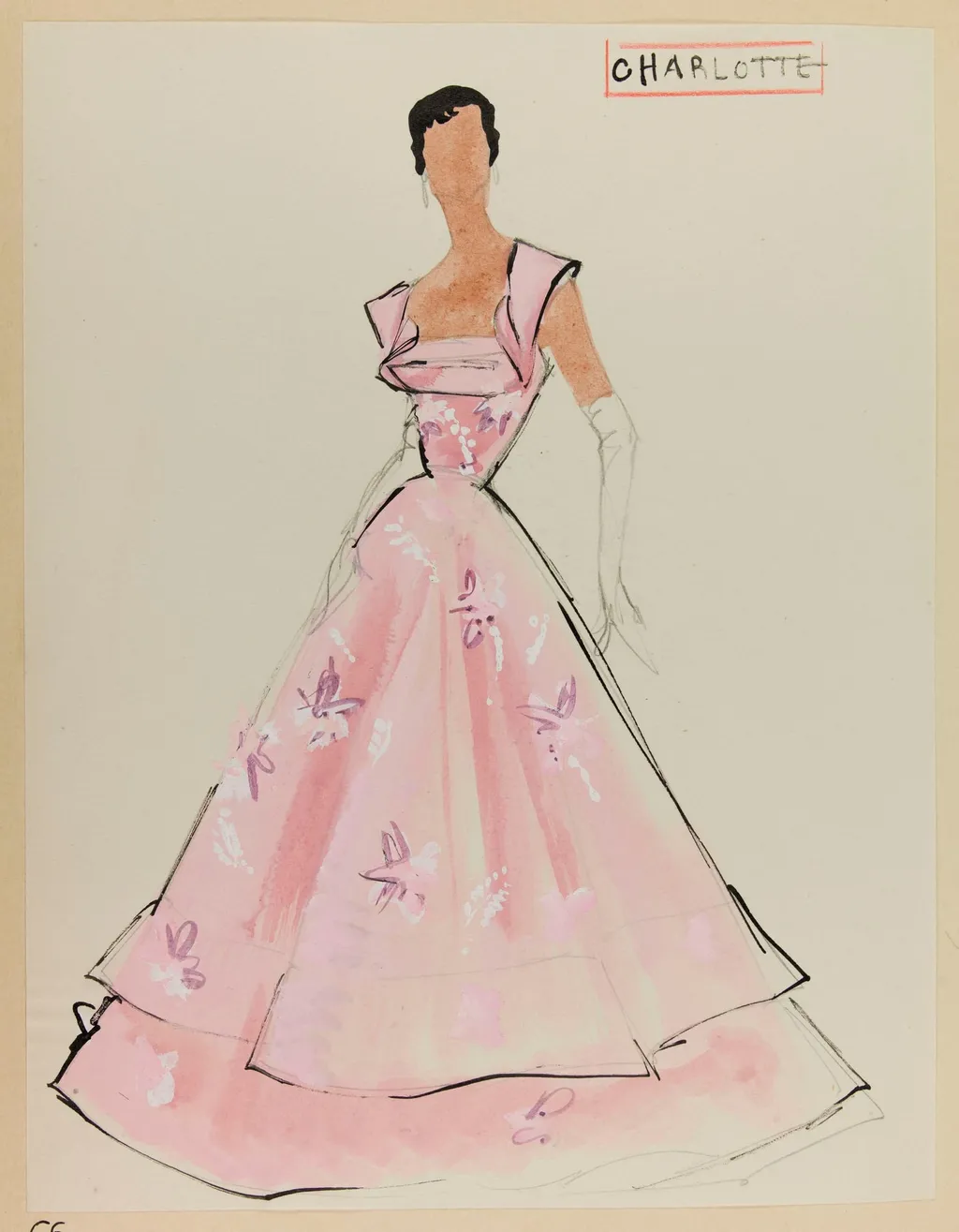
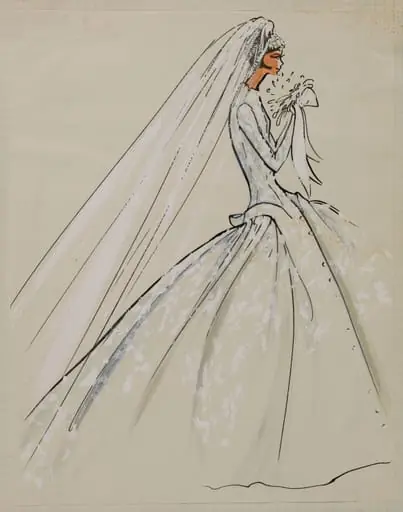
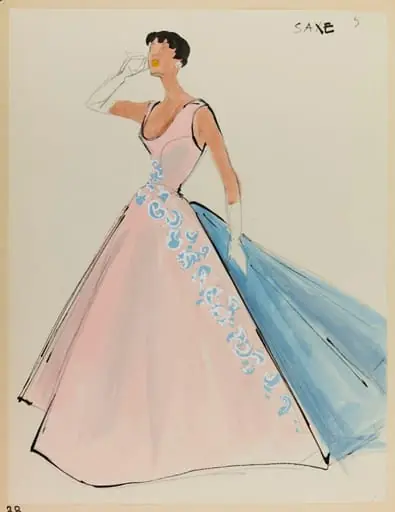
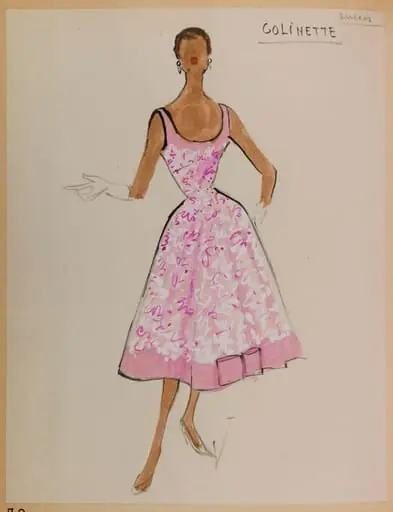
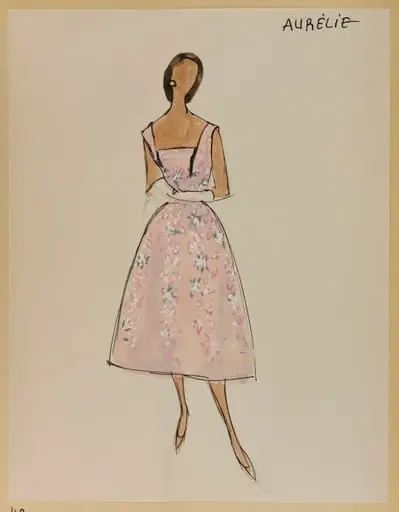
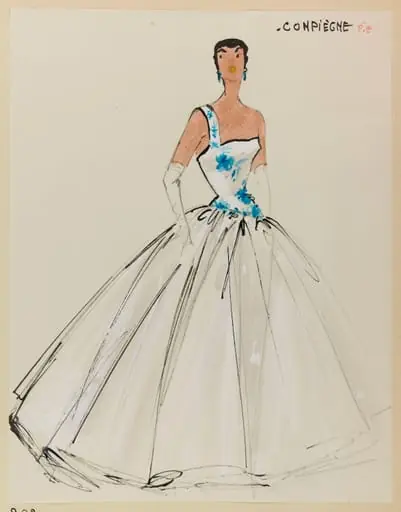
Charlotte is a drawing by Carven. It dates from 1953 and is held in the collection of the Palais Galliera - Musée de la Mode de la Ville de Paris.
About this work
Overview
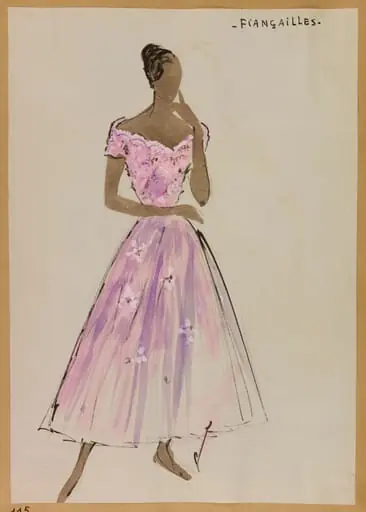
Created around 1953 by the designer Carven, this ink sketch depicts a woman wearing a distinctive pink dress. The drawing is held in the collection of the Museum of Ethnography and functions as a design study rather than a finished illustration. Its informal, rapid linework suggests it was made during the creative process, capturing the essence of a garment before production.
Subject & Meaning
The figure is rendered without facial features, focusing attention entirely on the dress. The garment’s name, 'Charlotte,' is inscribed at the top, indicating it may refer to either the design or the model. The absence of identity emphasizes the clothing as the central subject, reflecting a design practice that prioritized form and silhouette over individual portraiture.
Technique & Style
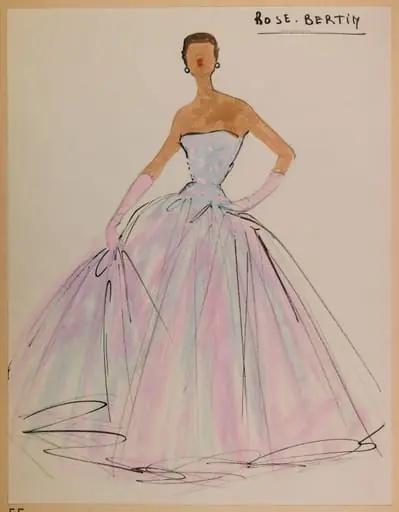
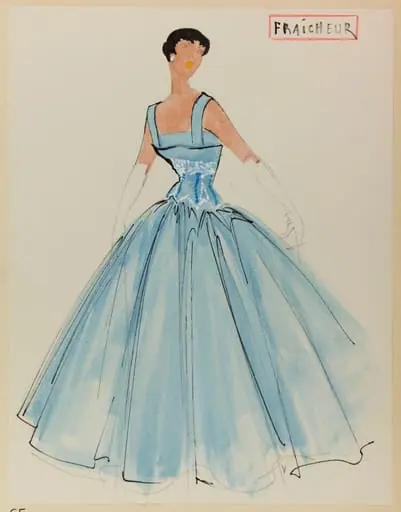
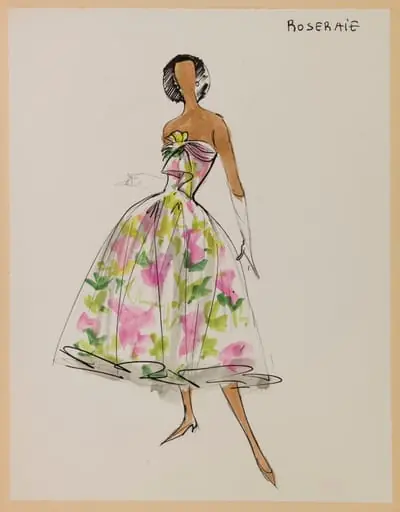
Carven employed loose, fluid lines to convey the dress’s movement and volume. Light shading and minimal cross-hatching suggest fabric texture and shadow without heavy detail. Small white floral motifs are indicated with delicate dots, adding ornamentation without clutter. The sketch’s spontaneity reveals a hand in motion, typical of fashion design drafts meant for quick visualization.
History & Provenance
The drawing entered the Museum of Ethnography’s collection as part of a broader archive of mid-century fashion studies. Its preservation suggests recognition of its value in documenting design processes of the era. While little is known about its original commission, its presence in a museum context signals its role in understanding postwar textile and garment design practices.
Context
In the early 1950s, fashion houses like Carven produced numerous sketches to explore silhouettes before fabric selection and construction. This piece reflects a period when haute couture relied heavily on hand-drawn designs, with each sketch serving as both artistic expression and technical blueprint. The emphasis on flow and feminine form aligns with postwar ideals of elegance and refinement.
Legacy
As a surviving example of a designer’s working method, the sketch offers insight into the tactile, manual processes behind mid-century fashion. It stands as a quiet testament to the craftsmanship involved in garment development before digital tools. Its preservation ensures that the intellectual labor of design remains visible alongside finished garments.
Artist & collection
Artist
These delicate ink-on-paper drawings capture the quiet poetry of everyday things: pinecones, reeds, apples.
Museum
Palais Galliera - Musée de la Mode de la Ville de Paris
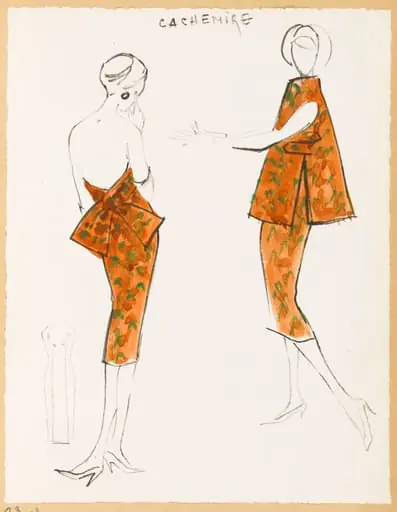
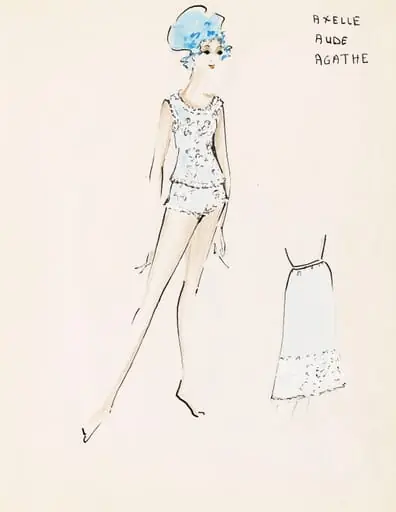
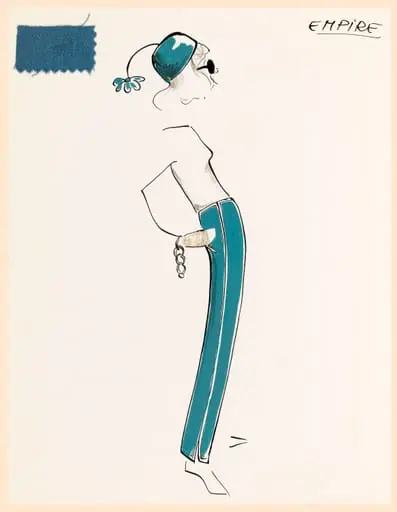
Continue through works from the same source collection.