Artwork
Club
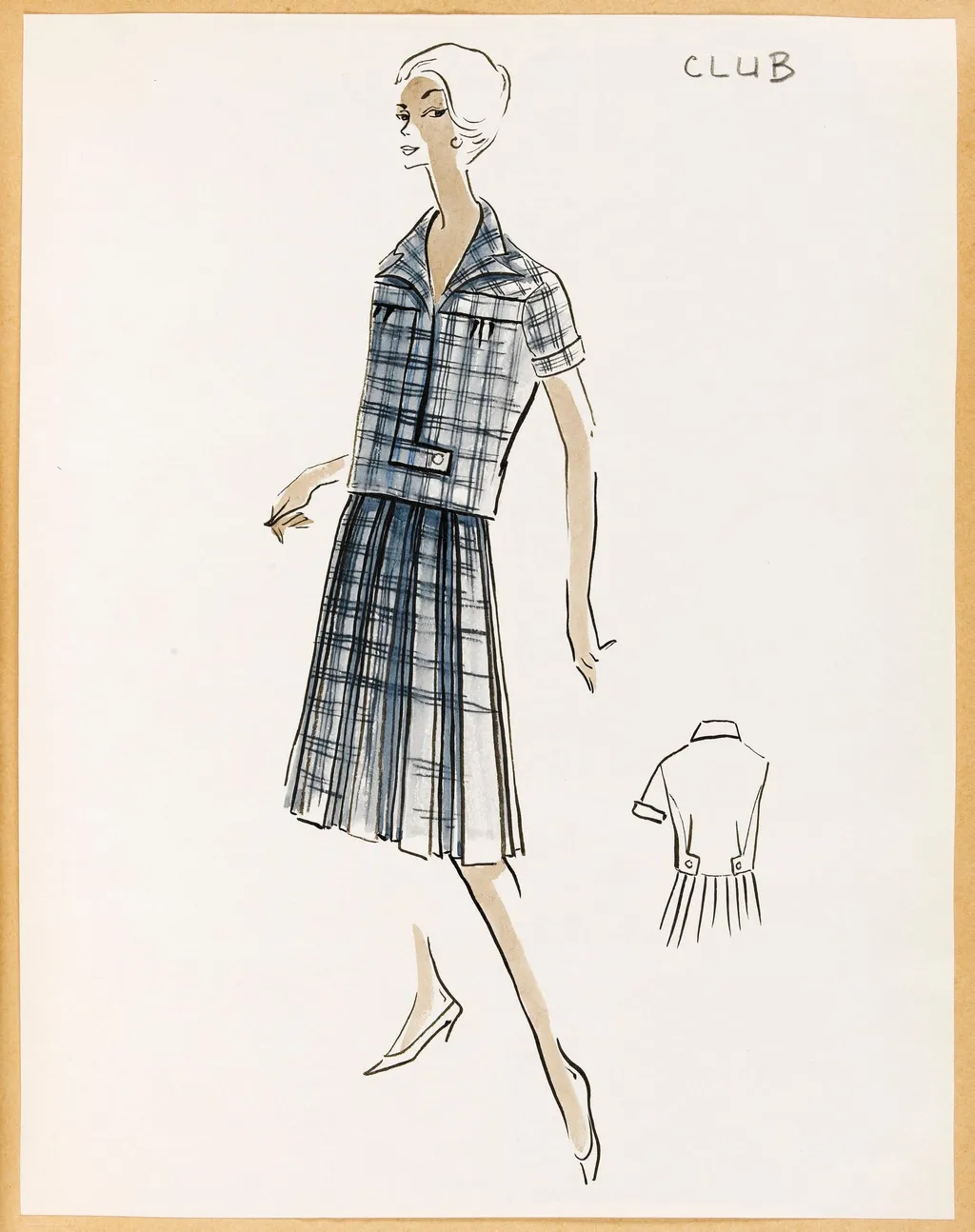
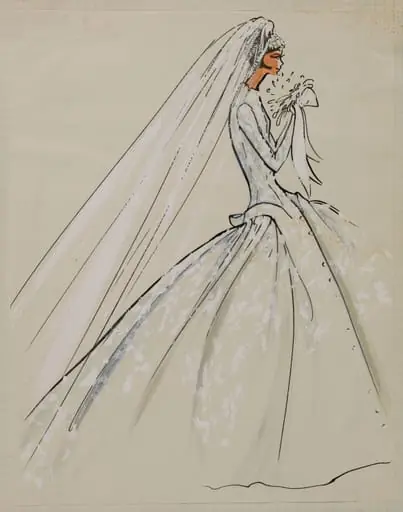
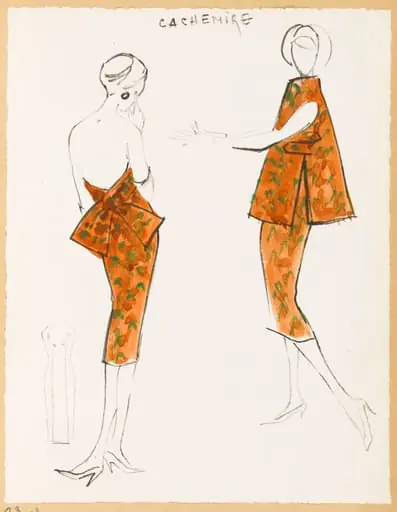
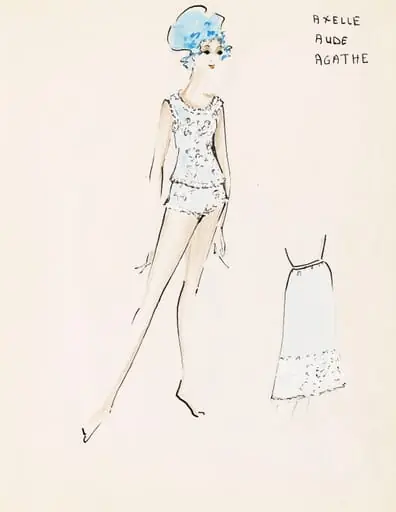
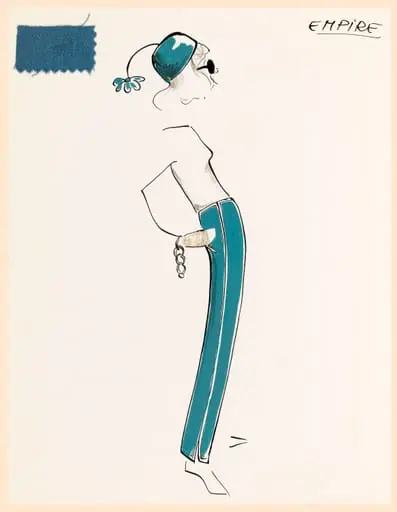
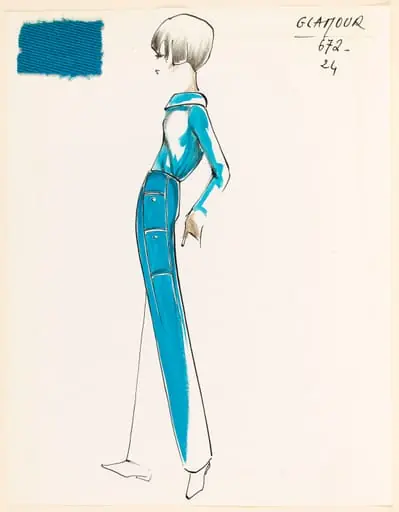
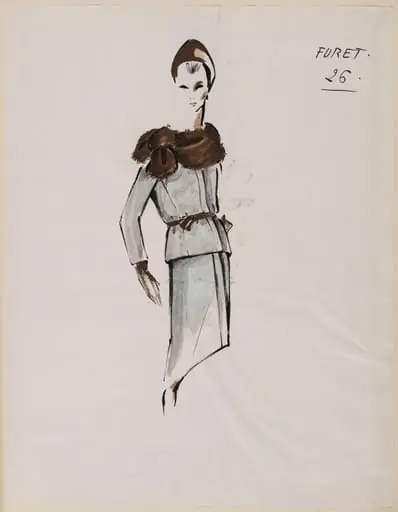
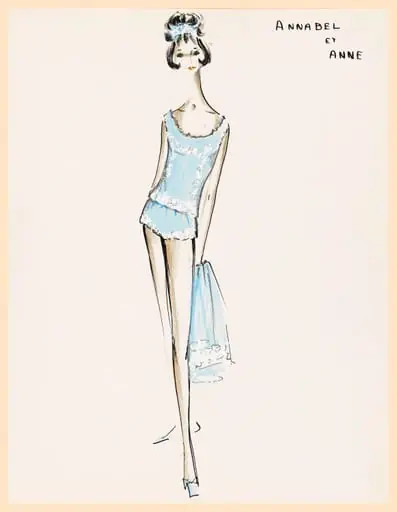
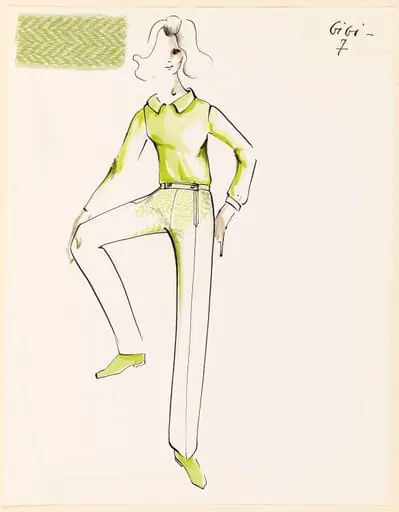
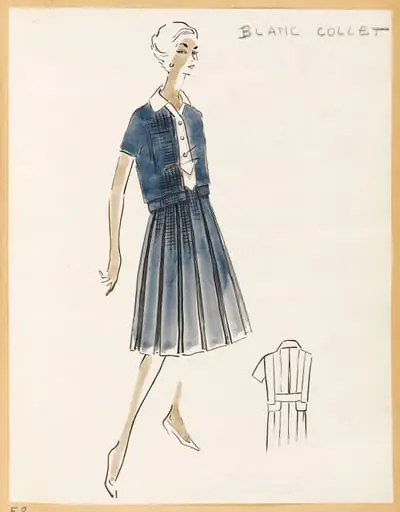
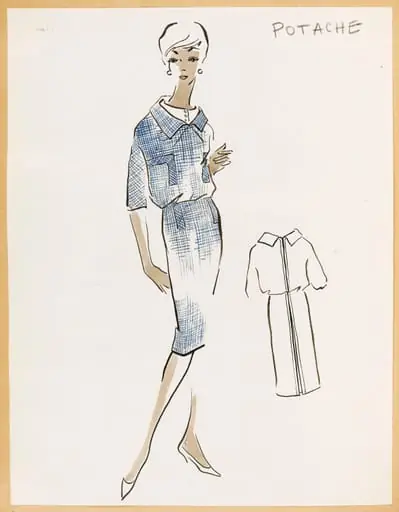
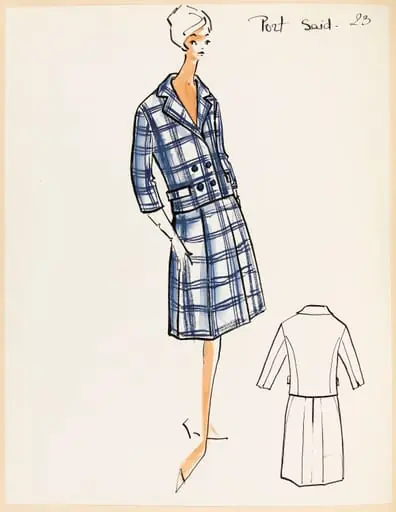
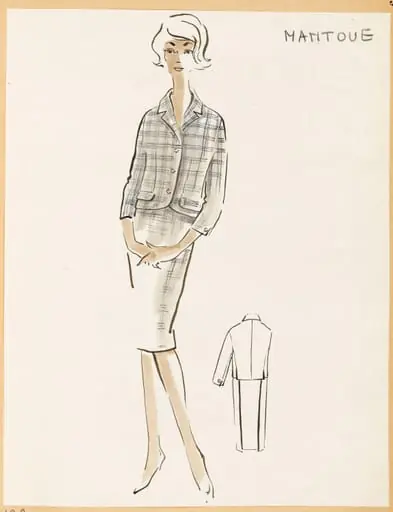
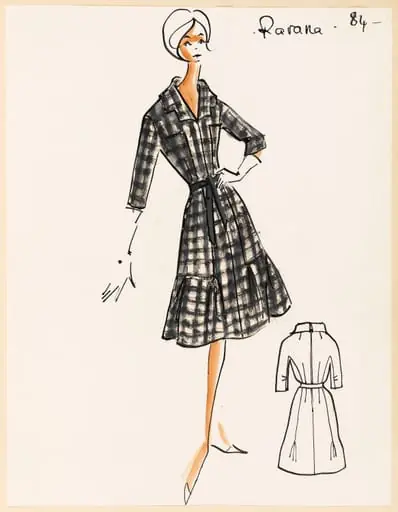
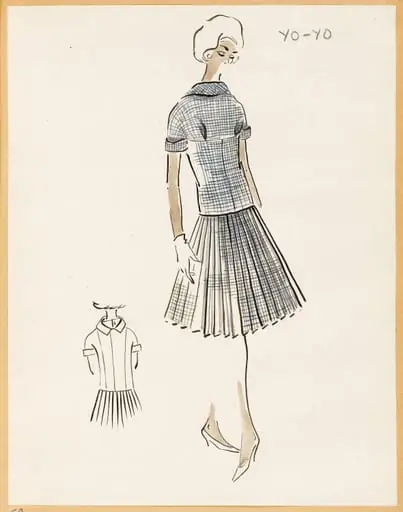
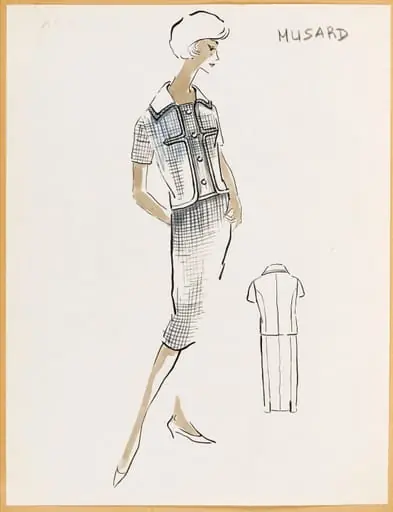
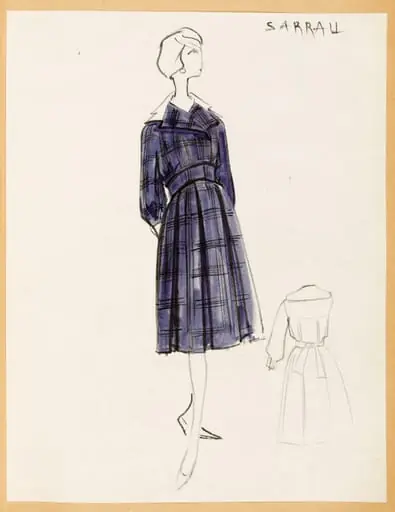
Club is a drawing by Carven. It dates from 1957 and is held in the collection of the Palais Galliera - Musée de la Mode de la Ville de Paris.
About this work
Overview
The work is part of the Museum of Ethnography’s collection, reflecting its role in documenting everyday fashion of the mid-20th century.
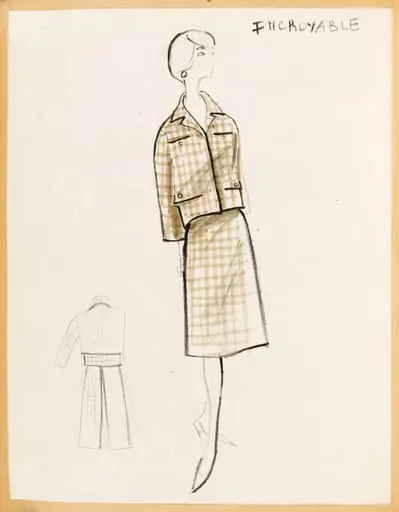
Created around 1957 by the French designer Carven, this ink sketch captures a casual daytime ensemble. Executed with minimal, fluid lines, it functions as a design note rather than a finished illustration. The work is part of the Museum of Ethnography’s collection, reflecting its role in documenting everyday fashion of the mid-20th century. A small, flattened depiction of the outfit in the corner suggests its use as a reference for construction or storage.
Subject & Meaning
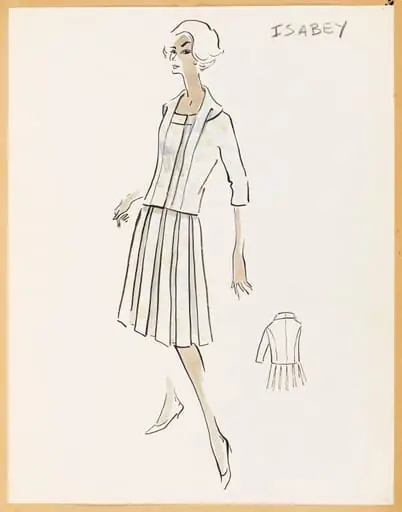
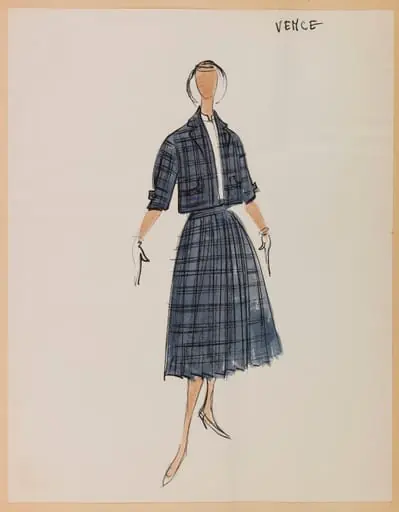
The drawing depicts a woman wearing a plaid blouse and matching pleated skirt, suggesting an informal, urban setting. The label 'Club' in the upper right implies the outfit was intended for relaxed social occasions, possibly evening gatherings or weekend outings. The absence of facial features or background elements directs focus to the garment’s structure and movement, emphasizing function and ease over ornamentation.
Technique & Style
Carven employed loose, rapid ink lines to convey form without detail, prioritizing clarity and speed. The silhouette is simplified, with folds suggested by a few curves rather than rendered realistically. The inclusion of a folded flat version of the garment in the corner reveals a practical approach to design documentation, blending artistic expression with the technical needs of garment production.
History & Provenance
The sketch entered the Museum of Ethnography’s holdings as part of a broader collection of mid-century fashion materials. Its origin as a working design document indicates it was likely produced during Carven’s active years in Paris. While little is documented about its immediate provenance, its preservation suggests recognition of its value in illustrating accessible, modern dress of the era.
Context
In the late 1950s, Parisian fashion increasingly embraced casual elegance, moving away from rigid postwar forms. Carven’s designs catered to women seeking comfort without sacrificing style. This sketch reflects a broader trend toward wearable, everyday clothing, aligning with the rise of ready-to-wear and the changing social roles of women in postwar Europe.
Legacy
Though not widely exhibited, the sketch contributes to understanding how designers documented practical garments before mass production. Its preservation in an ethnographic context underscores its significance as cultural material, illustrating how fashion operated beyond the runway—as a daily, functional choice shaped by movement, material, and modesty.
Artist & collection
Artist
These delicate ink-on-paper drawings capture the quiet poetry of everyday things: pinecones, reeds, apples.
Museum
Palais Galliera - Musée de la Mode de la Ville de Paris
Continue through works from the same source collection.