Artwork
Darius
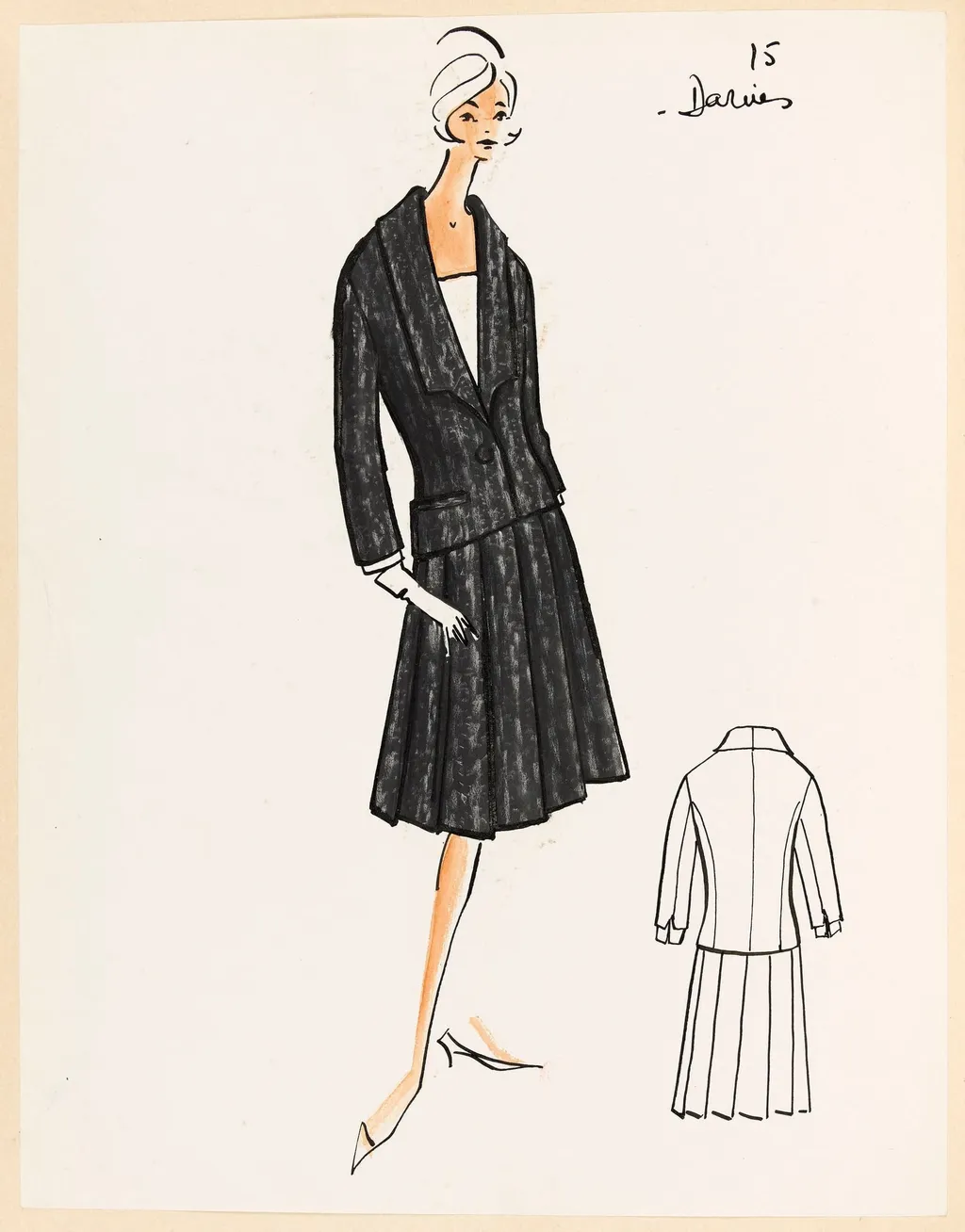
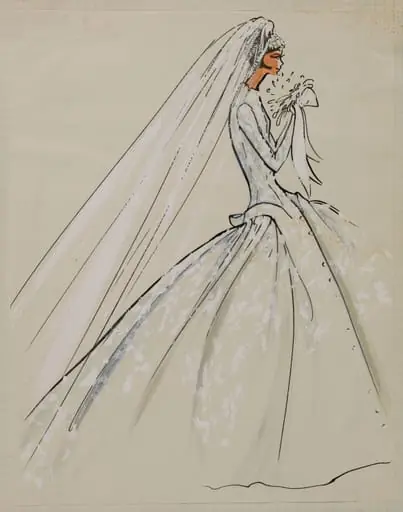
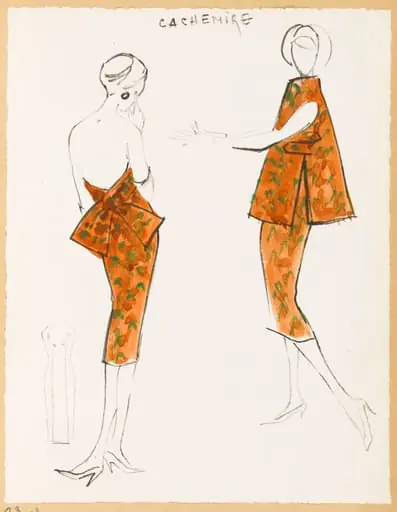
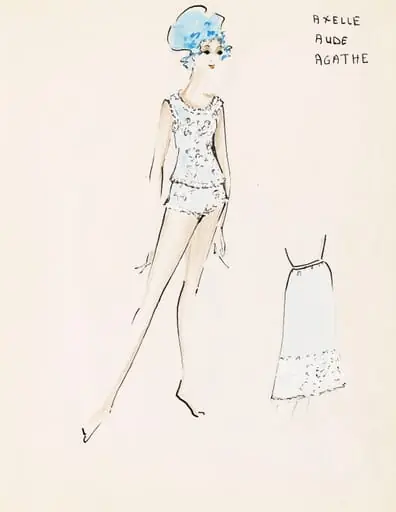
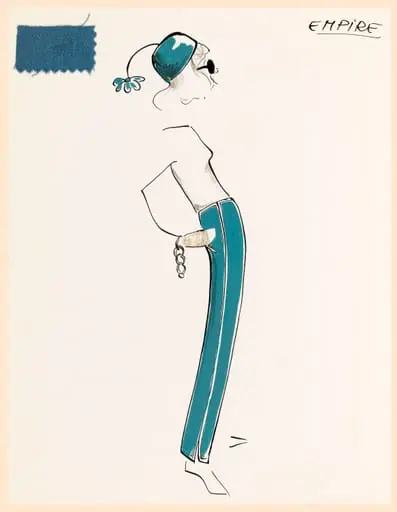
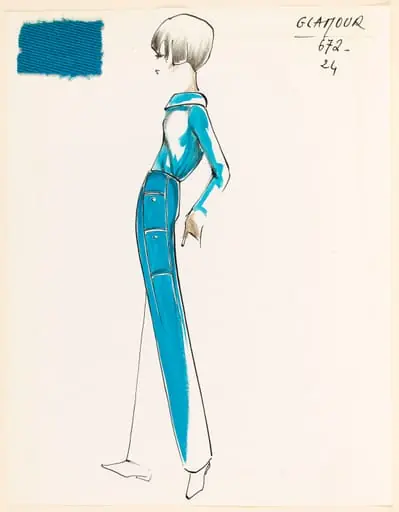
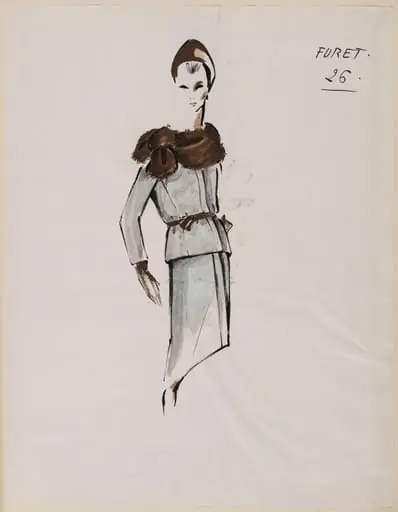
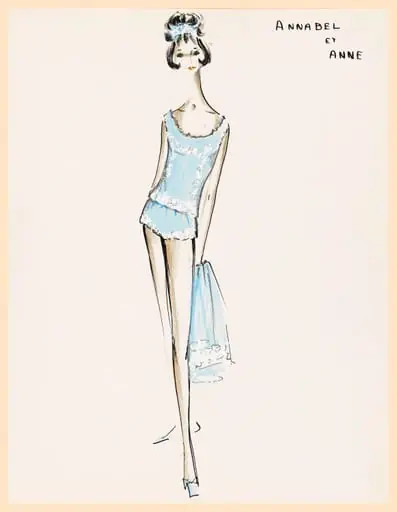
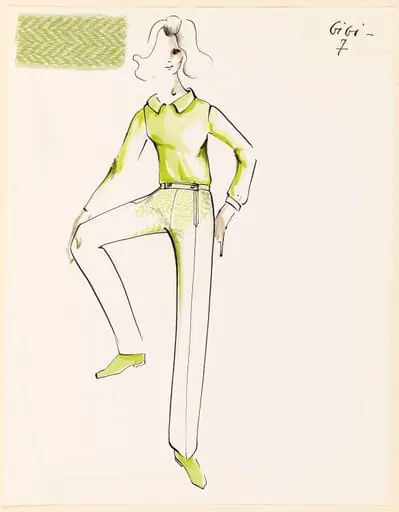
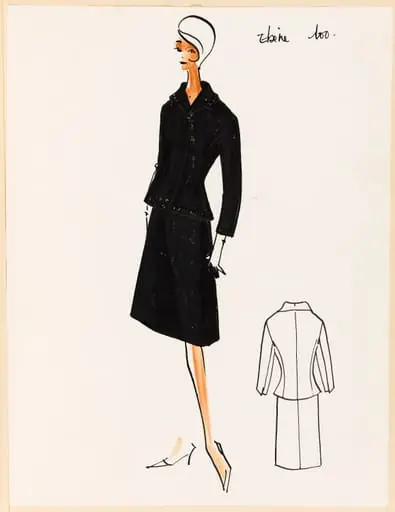
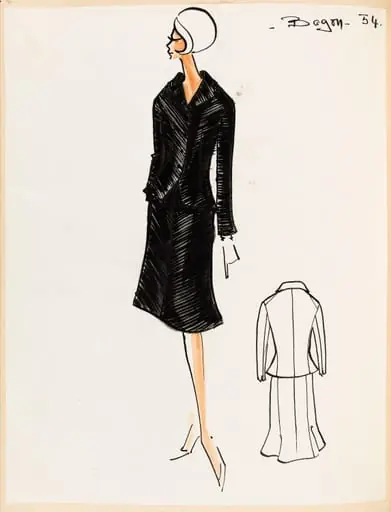
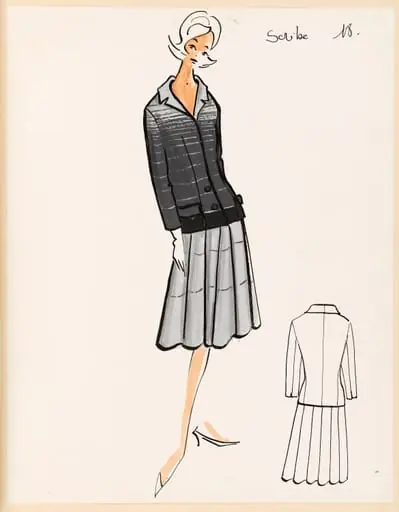
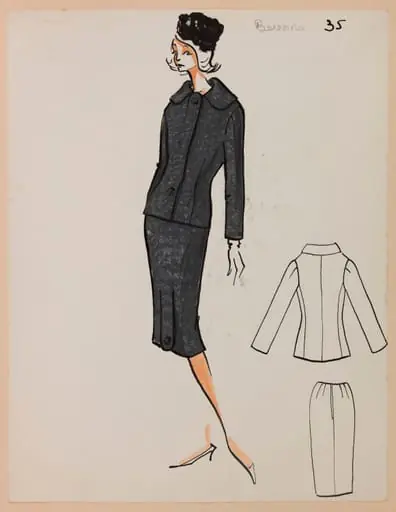
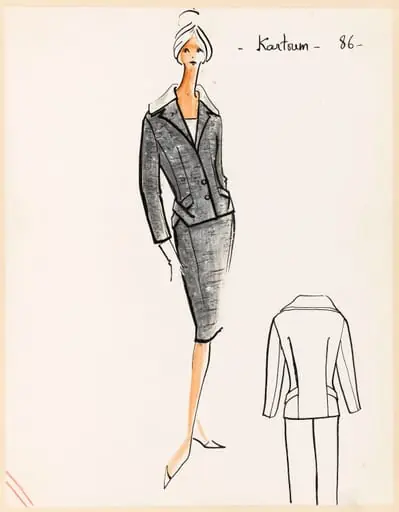
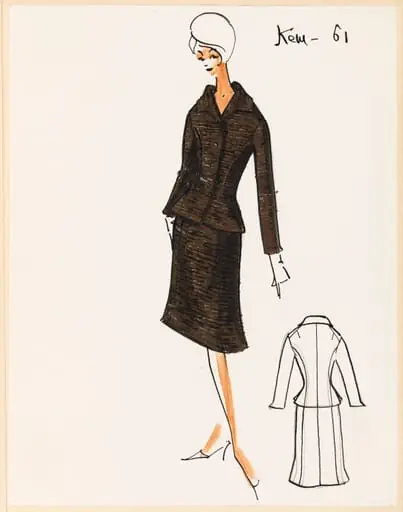
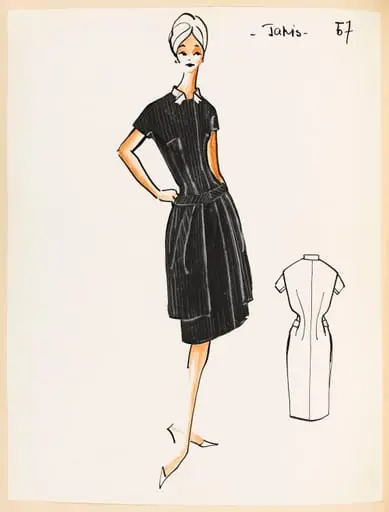
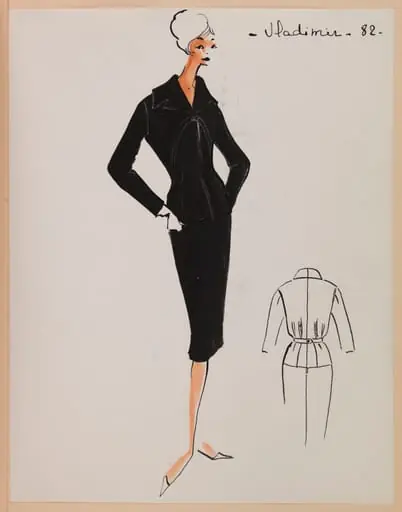
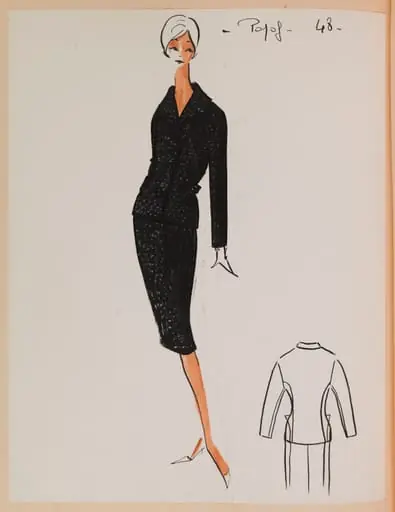
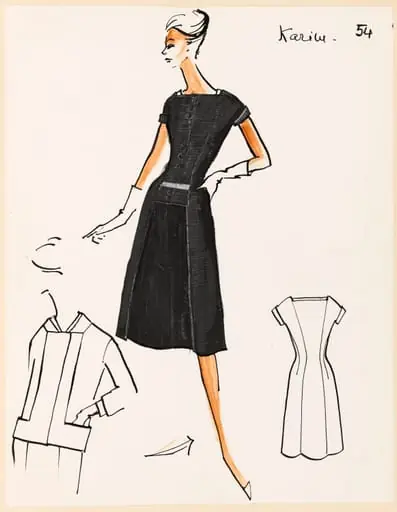
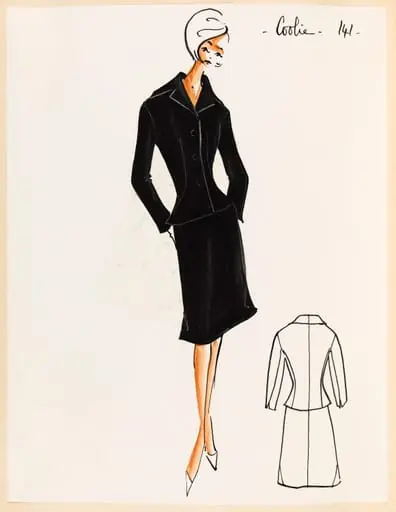
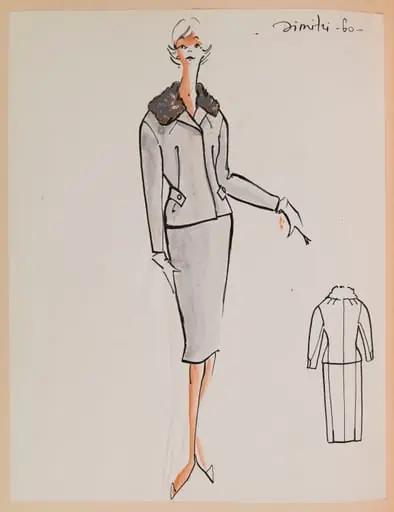
Darius is a drawing by Carven. It dates from 1959 and is held in the collection of the Palais Galliera - Musée de la Mode de la Ville de Paris.
About this work
Overview
Rendered with precise linework, it functions as a fashion study rather than a portrait, emphasizing silhouette and structure.
Created around 1959 by the designer Carven, this black-and-white drawing depicts a woman in a tailored ensemble. The work is held in the collection of the Museum of Ethnography. Rendered with precise linework, it functions as a fashion study rather than a portrait, emphasizing silhouette and structure. The signature 'Darius' appears in the corner, possibly naming the design rather than the figure.
Subject & Meaning
The figure is anonymous, presented without facial detail or individualizing traits. Her posture—hand on hip—suggests poise, but the focus remains on the clothing: a long coat with wide lapels, a flared skirt, and low-heeled shoes. The drawing serves as a technical record of garment construction, reflecting mid-century design ideals of elegance through clean lines and structured form.
Technique & Style
The drawing employs controlled cross-hatching to suggest volume and shadow, particularly along the coat’s back and skirt’s flare. Lines are deliberate and sparse, avoiding excess while defining contours. The flat, two-dimensional rendering prioritizes clarity over realism, aligning with fashion illustration practices of the era that favored schematic precision over emotional expression.
History & Provenance
The work entered the Museum of Ethnography’s collection as part of a broader archive of mid-century fashion sketches. Its origin traces to Carven’s design studio, where such drawings were used internally to communicate garment structure to tailors. The piece was likely preserved for its representational value rather than as a finished artwork.
Context
In the late 1950s, fashion houses relied on hand-drawn illustrations to document designs before mass production. This drawing reflects a time when couture was defined by meticulous tailoring and subtle silhouettes. Unlike editorial illustrations, it omits background or setting, focusing solely on the garment’s form and fit as a functional design document.
Legacy
The drawing remains a quiet example of how fashion design was documented before digital tools. Its preservation in an ethnographic museum underscores its role as a cultural artifact of design practice. While not widely exhibited, it contributes to understanding the material culture of mid-century fashion and the labor behind its creation.
Artist & collection
Artist
These delicate ink-on-paper drawings capture the quiet poetry of everyday things: pinecones, reeds, apples.
Museum
Palais Galliera - Musée de la Mode de la Ville de Paris
Continue through works from the same source collection.