Artwork
Eve
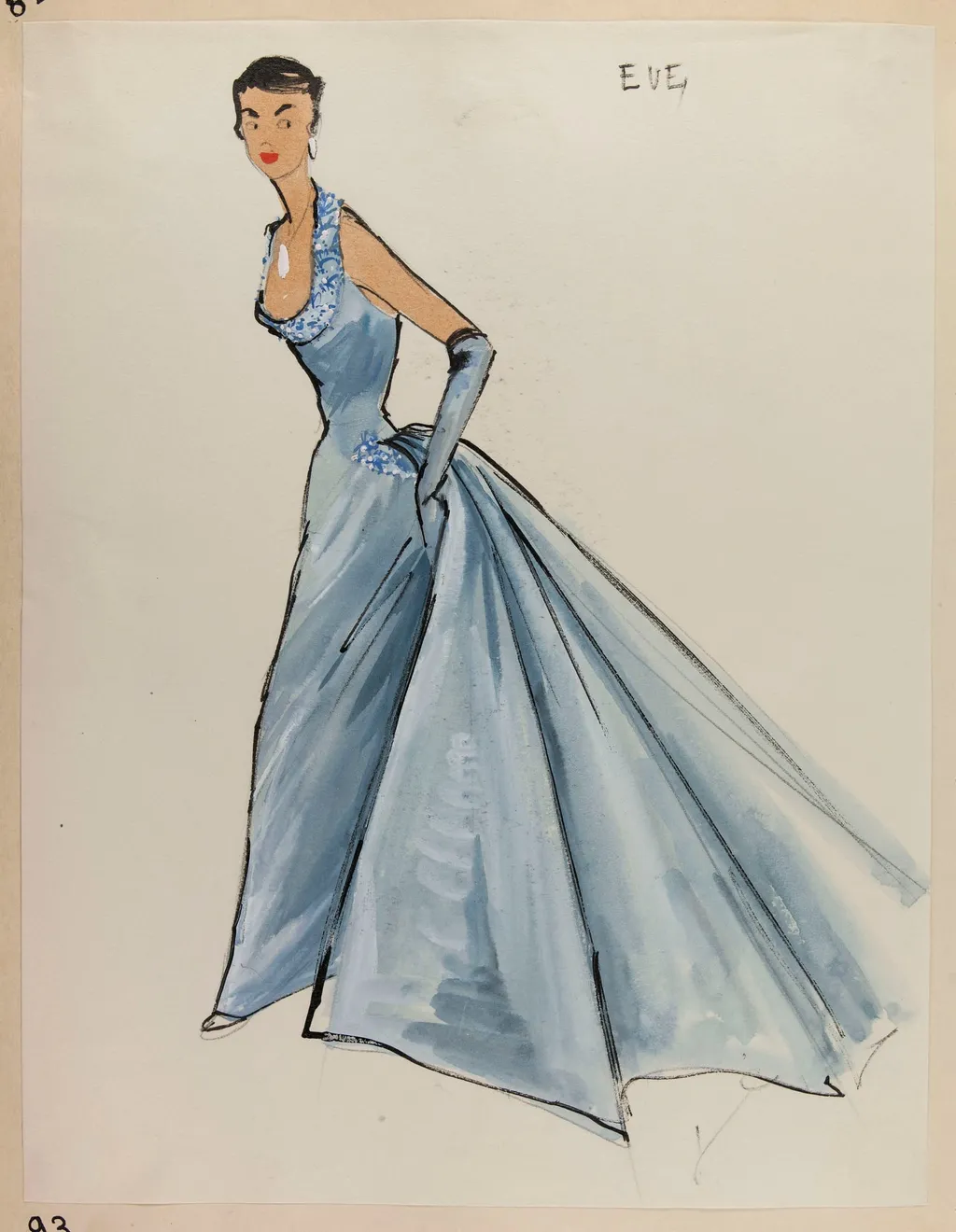
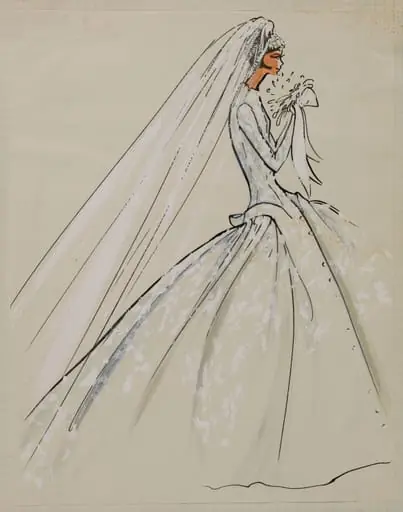
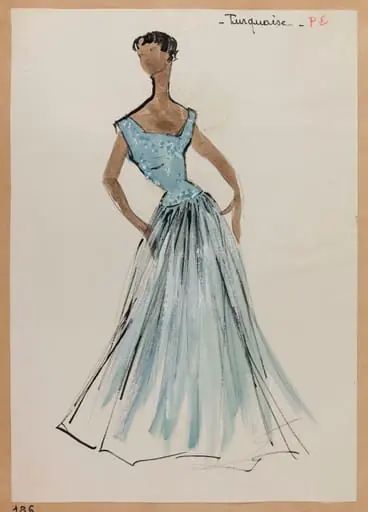
Eve is a drawing by Carven. It dates from 1952 and is held in the collection of the Palais Galliera - Musée de la Mode de la Ville de Paris.
About this work
Overview
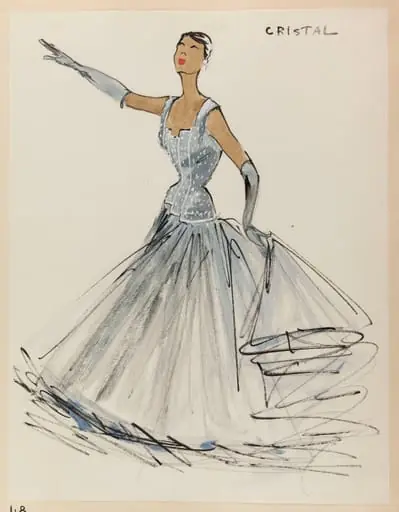
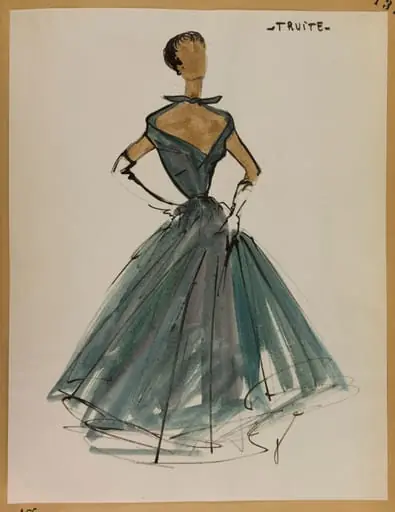
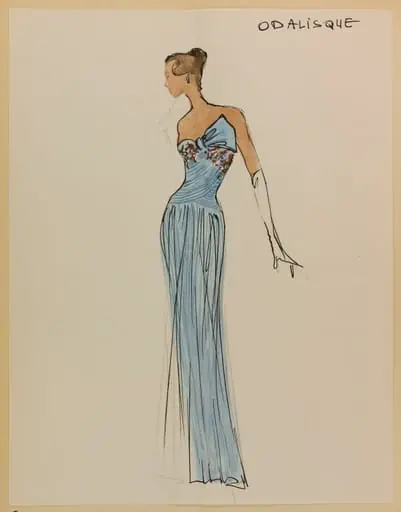
The artist employed varying tones of blue to suggest volume and fabric dynamics, avoiding heavy outlines in favor of atmospheric shading.
Created around 1952, this ink drawing depicts a female figure titled Eve. Executed in a spontaneous, gestural style, it is part of the collection at the Museum of Ethnography. The work captures movement through loose, fluid lines and minimal detail, emphasizing form and rhythm over precision. The artist employed varying tones of blue to suggest volume and fabric dynamics, avoiding heavy outlines in favor of atmospheric shading.
Subject & Meaning
The figure, named Eve, is rendered without narrative context, inviting interpretation beyond biblical association. Her poised stance and modest attire suggest a universal archetype rather than a specific story. The simplicity of her jewelry and the restrained design of her dress imply a focus on quiet dignity. The title may reference origin myths, but the image itself avoids symbolic embellishment, favoring contemplative stillness.
Technique & Style
The drawing uses rapid, expressive brushwork to convey motion and texture. Light and dark blues are layered with loose strokes to model the dress’s folds and volume, creating depth without shading gradients. Cross-hatching appears sparingly, used only to reinforce shadowed areas of the skirt. The absence of defined contours and the emphasis on line energy reflect a modernist interest in movement and immediacy.
History & Provenance
The work entered the Museum of Ethnography’s collection shortly after its creation, likely through direct acquisition or donation by the artist. No public records detail its exhibition history prior to its inclusion in the museum’s holdings. Its classification as a sketch suggests it was not intended for public display initially, but its formal qualities led to its preservation as a significant study.
Context
Produced in the early 1950s, the drawing aligns with postwar artistic trends favoring expressive line and emotional economy. While ethnographic museums typically collected cultural artifacts, this piece reflects a broader interest in modern interpretations of mythic or archetypal figures. Its presence in such a collection signals a shift toward including contemporary visual interpretations of human themes alongside traditional objects.
Legacy
Though not widely reproduced, the drawing remains a quiet example of mid-century figural sketching within an ethnographic context. It demonstrates how modernist techniques were applied to timeless subjects, bridging artistic experimentation and anthropological curiosity. Its endurance in the museum’s collection underscores its value as a study in form, gesture, and the subtle evocation of presence.
Artist & collection
Artist
These delicate ink-on-paper drawings capture the quiet poetry of everyday things: pinecones, reeds, apples.
Museum
Palais Galliera - Musée de la Mode de la Ville de Paris
Continue through works from the same source collection.