Artwork
Gavarni
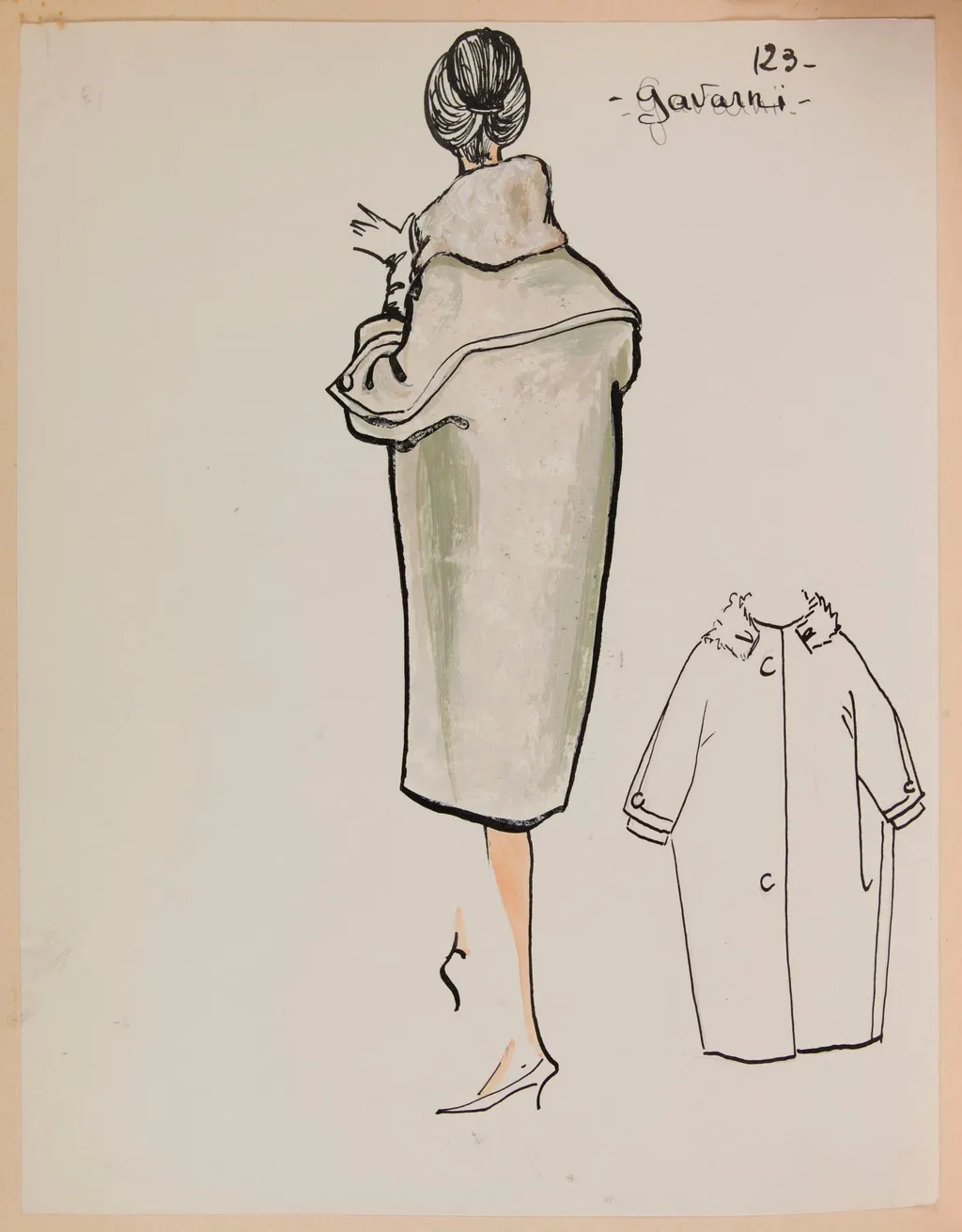
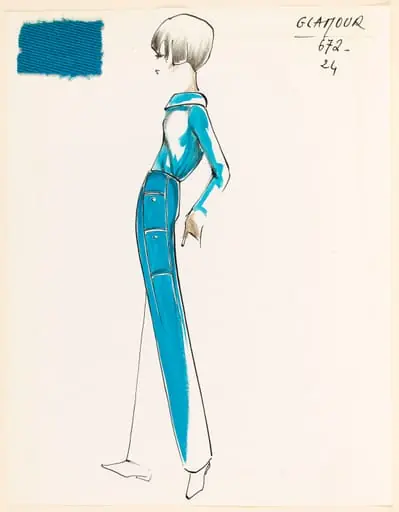
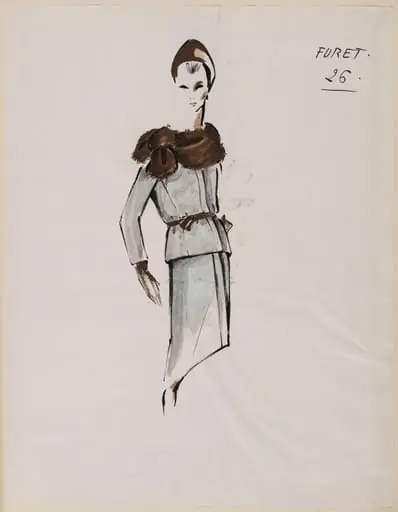
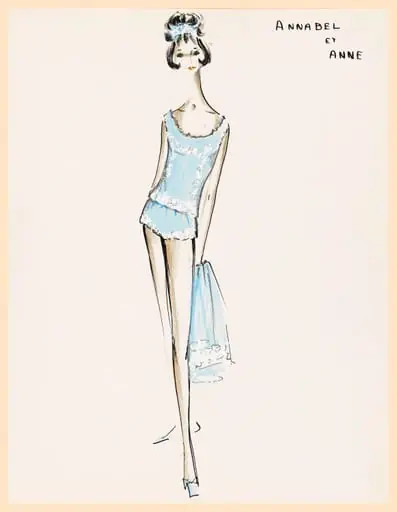
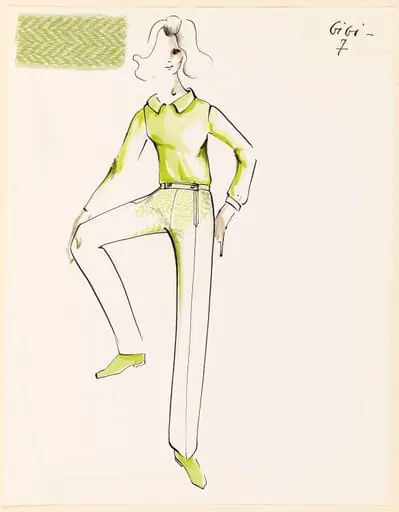
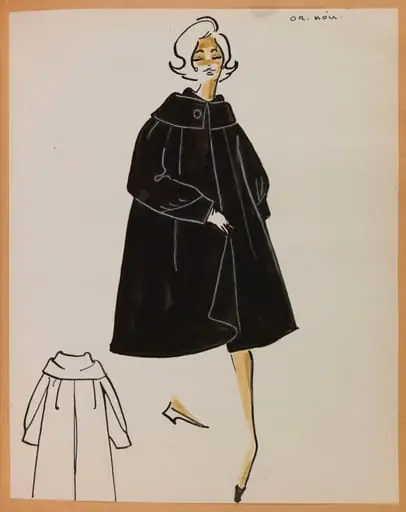
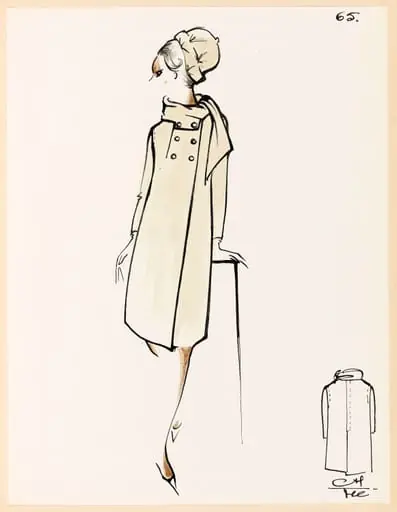
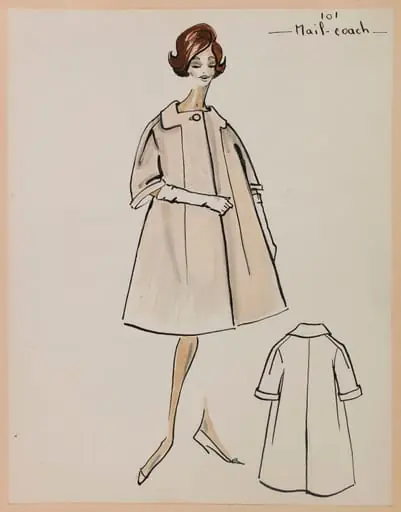
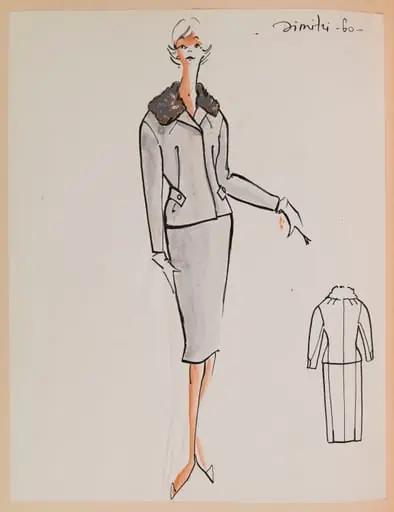
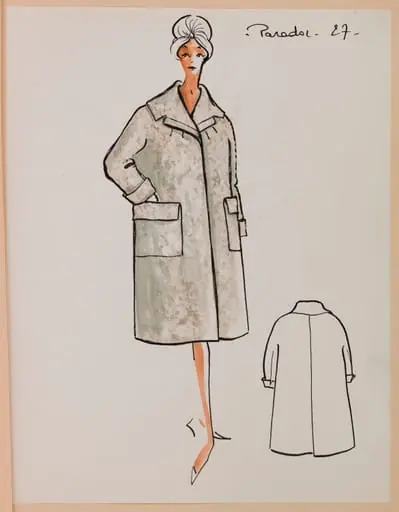
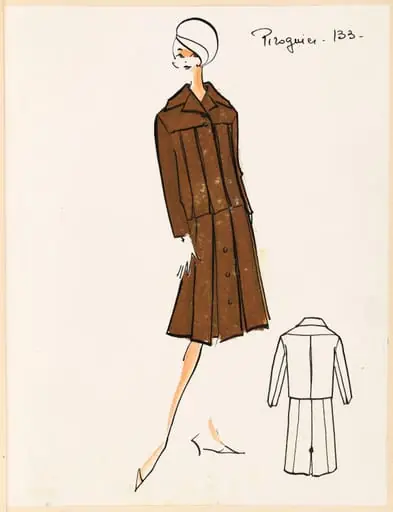
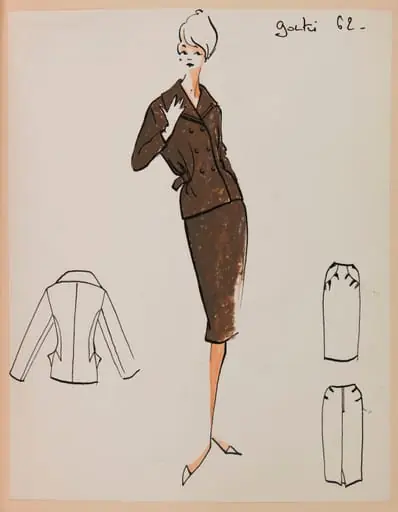
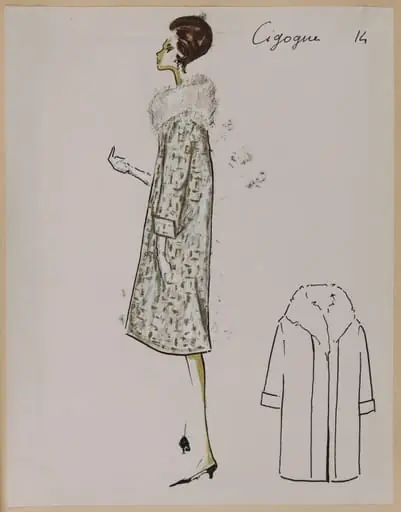
Gavarni is a drawing by Carven. It dates from 1958 and is held in the collection of the Palais Galliera - Musée de la Mode de la Ville de Paris.
About this work
Overview
The work’s simplicity and immediacy point to its function as a preparatory drawing rather than a polished final piece.
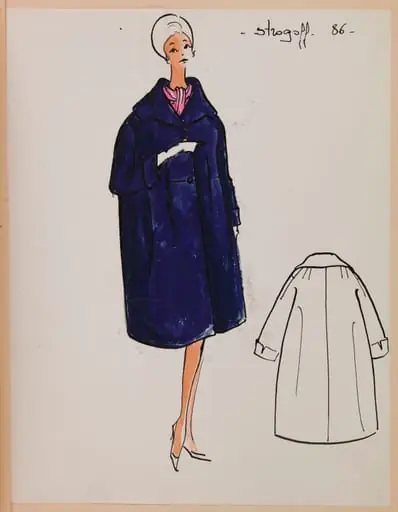
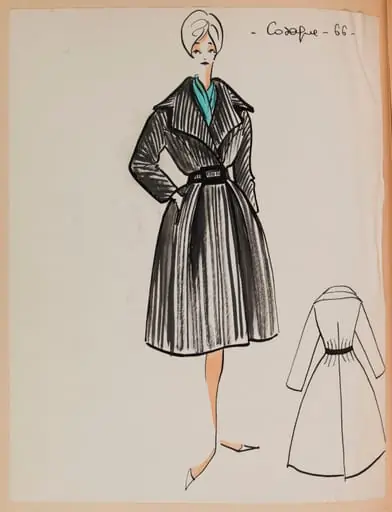
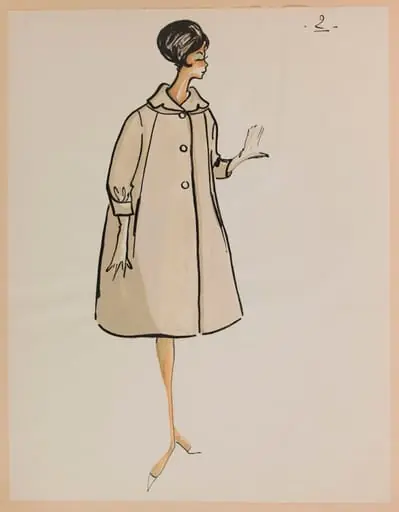
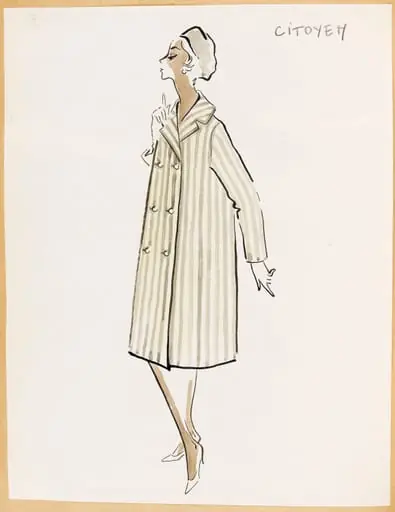
This sketch, attributed to Carven and dated around 1958, is part of the Museum of Ethnography’s collection. Rendered in pencil or ink, it captures a solitary female figure viewed from behind, dressed in a modest garment. The composition includes a secondary outline of the same dress, suggesting a study of form or fabric. The work’s simplicity and immediacy point to its function as a preparatory drawing rather than a polished final piece.
Subject & Meaning
The figure, anonymous and undecorated, conveys a quiet, everyday presence. Her posture and attire suggest a domestic or routine context, possibly linked to textile or fashion design. The inclusion of the folded dress sketch implies an interest in garment structure rather than individual identity. The absence of facial features or environmental details shifts focus to the silhouette and materiality of clothing.
Technique & Style
Carven employed restrained linework and a limited palette, likely using pencil or light ink washes. The strokes are light and rapid, conveying spontaneity. The secondary outline of the dress appears as a tentative overlay, indicating iterative thinking. The lack of shading or detail reinforces the sketch’s role as a functional study, prioritizing form over finish.
History & Provenance
The work entered the Museum of Ethnography’s holdings as part of a broader collection of design-related materials. Its attribution to Carven is based on stylistic alignment with known sketches from the late 1950s. No documentation of its original commission or use survives, but its presence in an ethnographic context suggests it was acquired as an example of mid-century fashion study practices.
Context
In the late 1950s, fashion designers often produced quick studies of garments to explore cut and drape before construction. This sketch aligns with such practices, particularly within European ateliers emphasizing minimalism and functional design. Its inclusion in an ethnographic museum reflects an interest in everyday material culture, not just finished garments but the processes behind them.
Legacy
The sketch remains a quiet example of design thinking in its earliest stage. It contributes to understanding how form was explored in postwar fashion, where efficiency and clarity were valued. While not widely published or exhibited, it serves as a reference point for researchers studying the transition from concept to garment in mid-century design.
Artist & collection
Artist
These delicate ink-on-paper drawings capture the quiet poetry of everyday things: pinecones, reeds, apples.
Museum
Palais Galliera - Musée de la Mode de la Ville de Paris
Continue through works from the same source collection.