Artwork
Gisèle
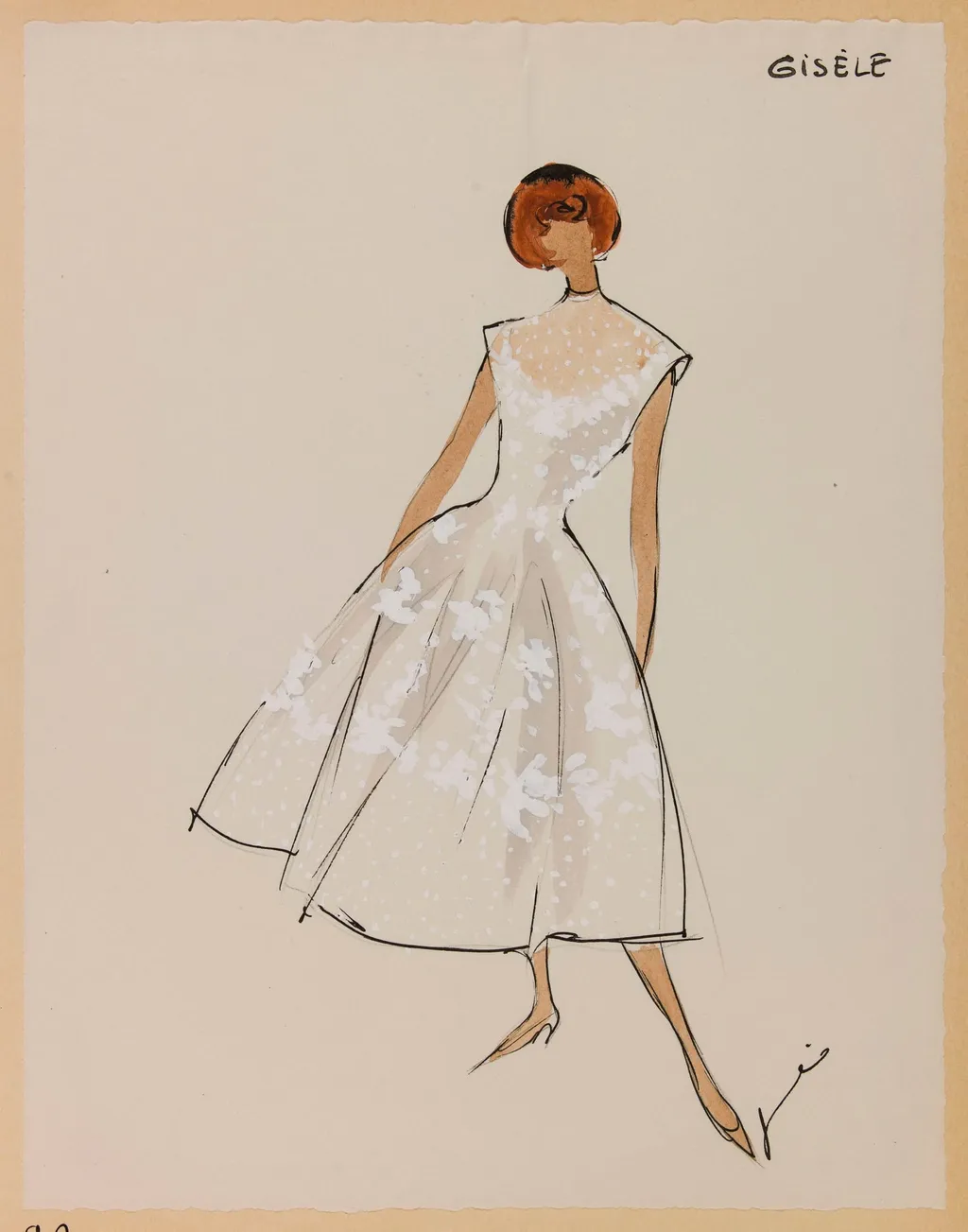
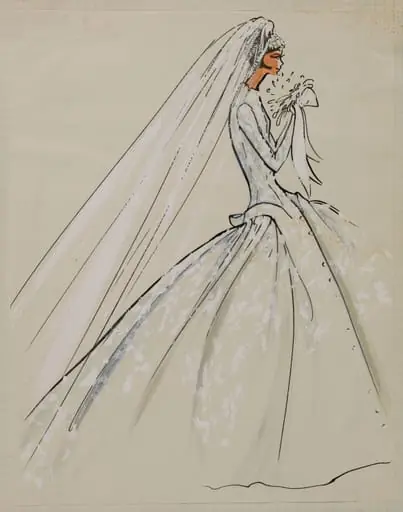
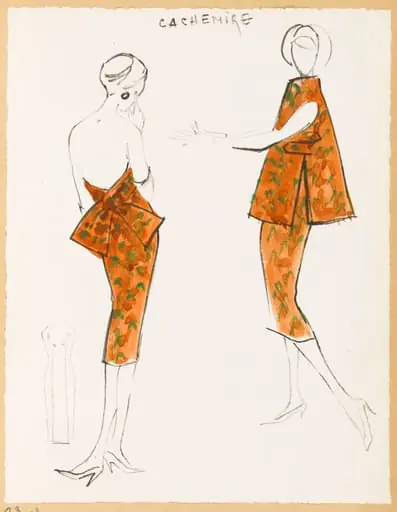
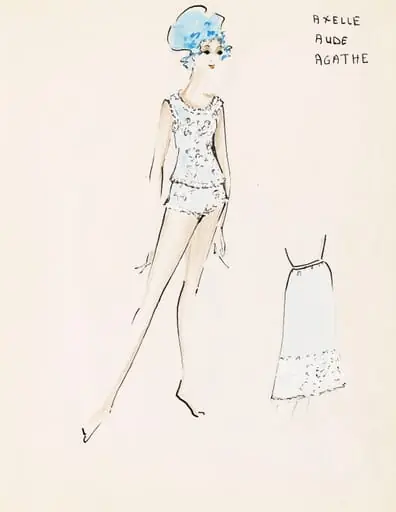
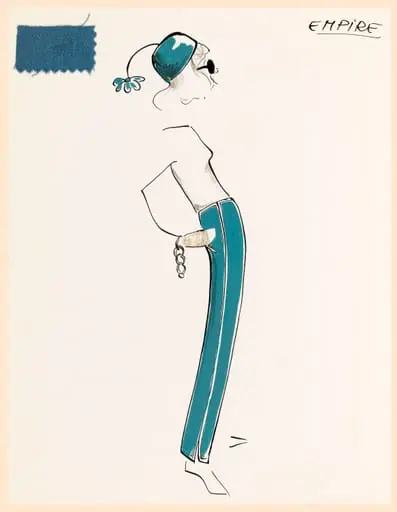
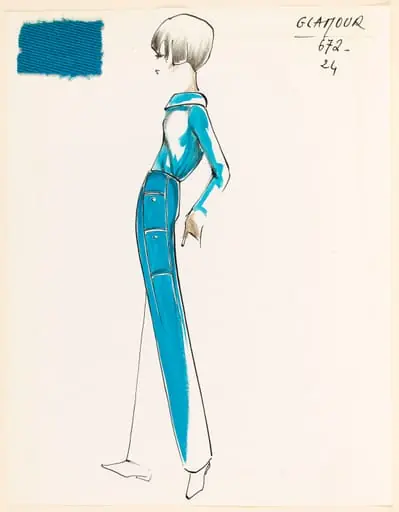
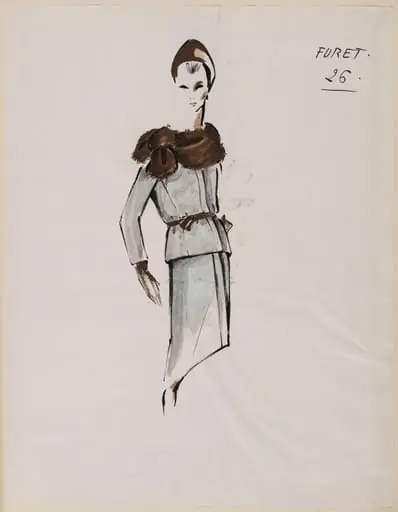
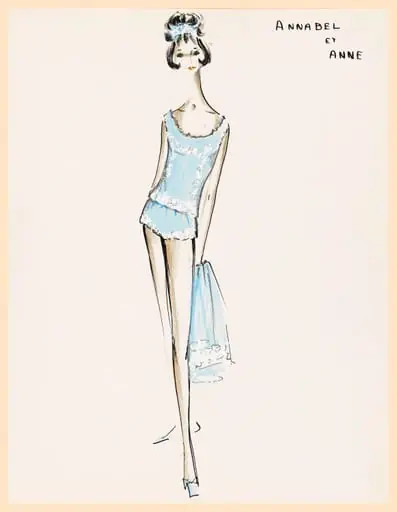
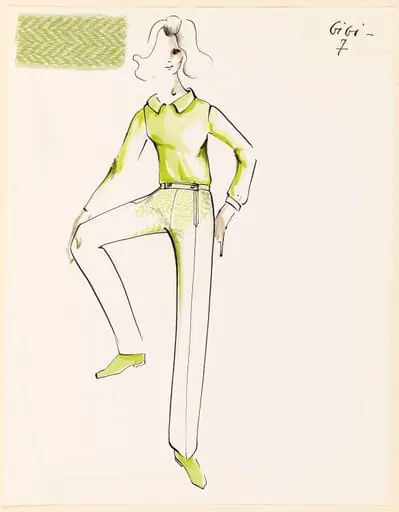
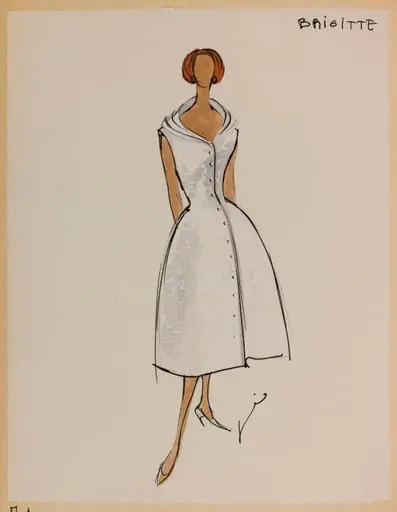
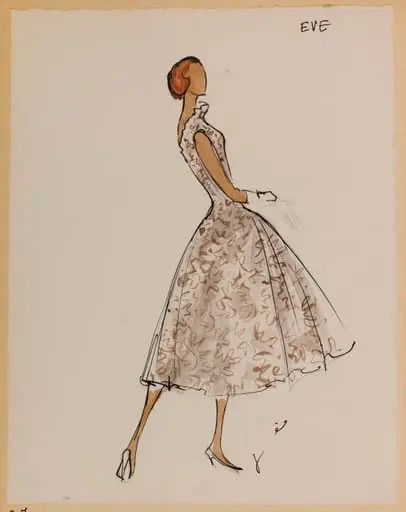
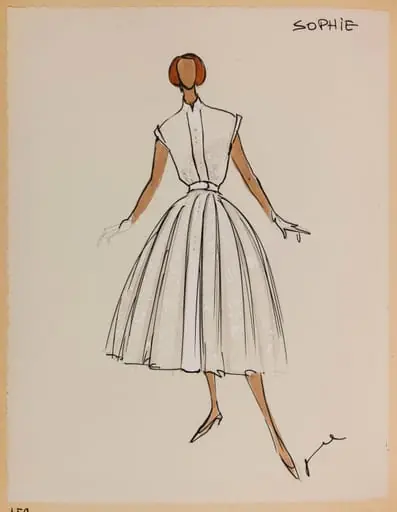
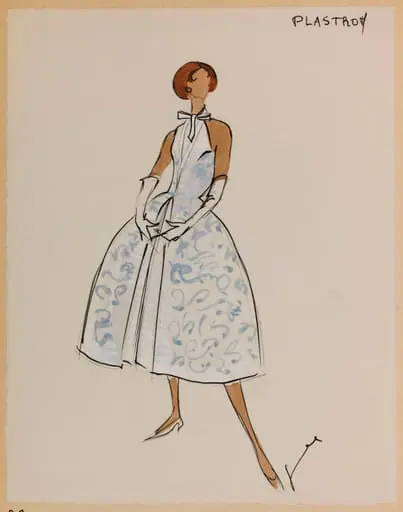
Gisèle is a drawing by Carven. It dates from 1956 and is held in the collection of the Palais Galliera - Musée de la Mode de la Ville de Paris.
About this work
Overview
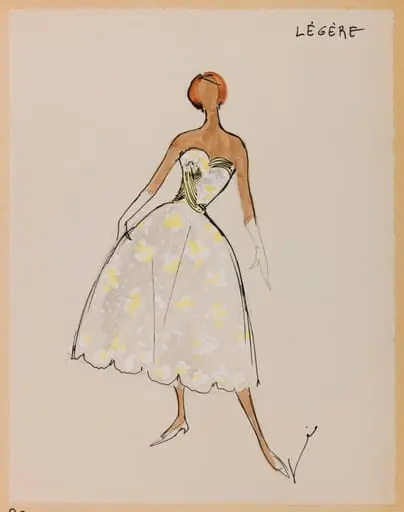
Created around 1956 by the designer Carven, this ink sketch depicts a woman named Gisèle in a lightweight, flowing dress. Executed with swift, expressive lines, the drawing captures a moment of quiet motion. It resides in the collection of the Museum of Ethnography, where it is preserved as an example of mid-century fashion illustration rather than finished artwork.
Subject & Meaning
The figure, identified as Gisèle, stands in a relaxed, natural pose with one foot slightly advanced, suggesting a pause in movement. Her neatly pinned hair and unadorned posture convey modesty and composure. The inclusion of her name implies a personal or commissioned context, possibly reflecting a client or muse associated with Carven’s fashion house during this period.
Technique & Style
The artist employed loose, fluid ink strokes to imply the drape and weight of fabric, avoiding rigid outlines. The skirt’s floral pattern is rendered through delicate stippling—tiny dots that create a soft, luminous texture. This method suggests light filtering through sheer material, enhancing the sense of airiness and movement without detailed rendering.
History & Provenance
The drawing entered the Museum of Ethnography’s collection as part of a broader archive of fashion-related materials from the mid-20th century. Its origin traces to Carven’s design studio, where such sketches served as preliminary studies for garments. Its preservation reflects an institutional interest in documenting the process behind fashion design, not merely the final product.
Context
In the 1950s, fashion illustrators often worked closely with designers to visualize garments before production. Carven, known for elegant, wearable designs, relied on such sketches to communicate silhouettes and details. This drawing aligns with the era’s emphasis on refined simplicity and feminine grace, contrasting with the more theatrical styles emerging elsewhere in fashion.
Legacy
Though not widely exhibited, the sketch remains a quiet testament to the role of drawing in fashion’s creative process. It illustrates how subtle techniques like stippling and implied motion could convey texture and life without color or elaborate detail. Its presence in an ethnographic museum underscores its value as a cultural artifact of design practice.
Artist & collection
Artist
These delicate ink-on-paper drawings capture the quiet poetry of everyday things: pinecones, reeds, apples.
Museum
Palais Galliera - Musée de la Mode de la Ville de Paris
Continue through works from the same source collection.