Artwork
Goya
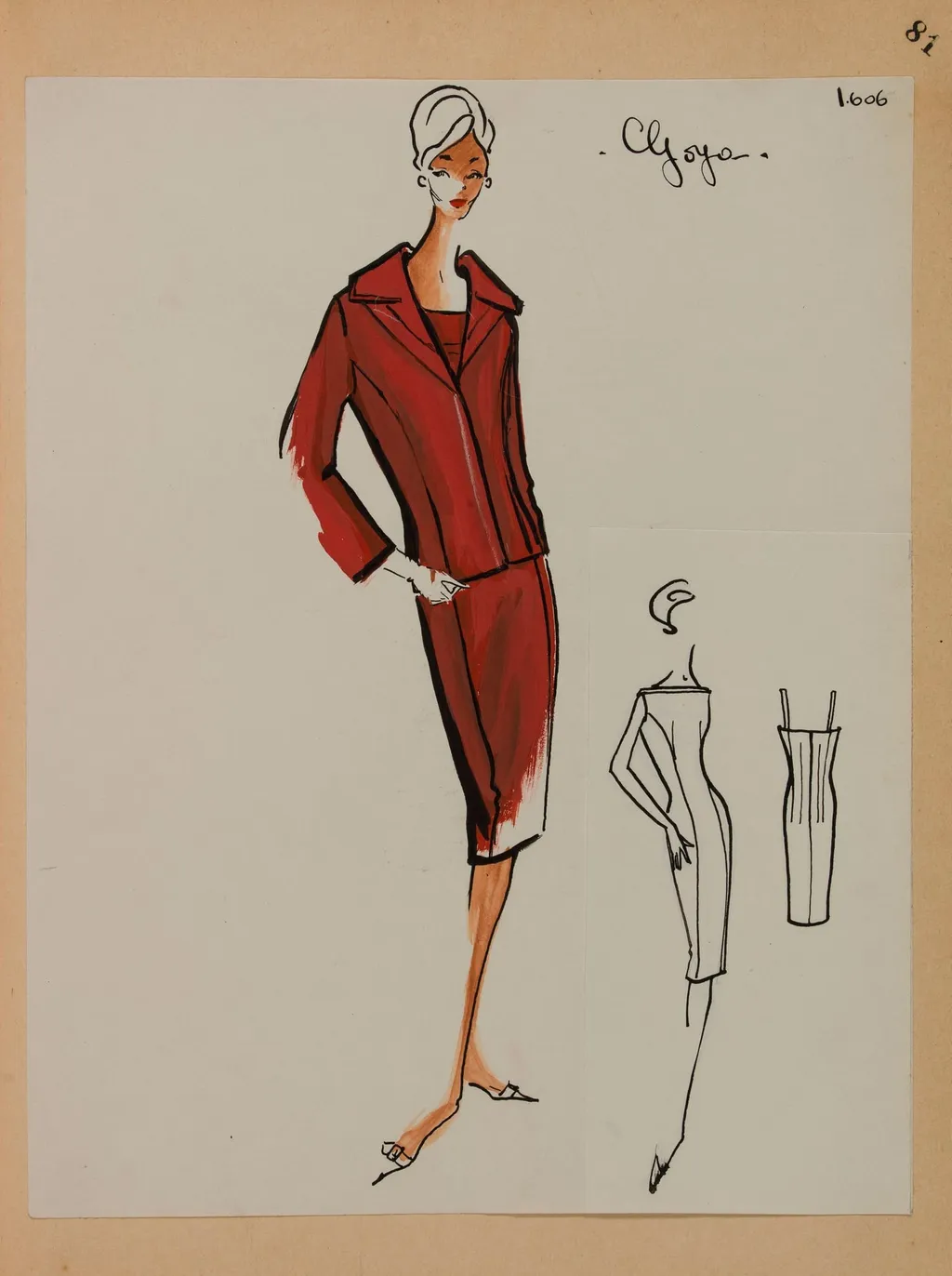
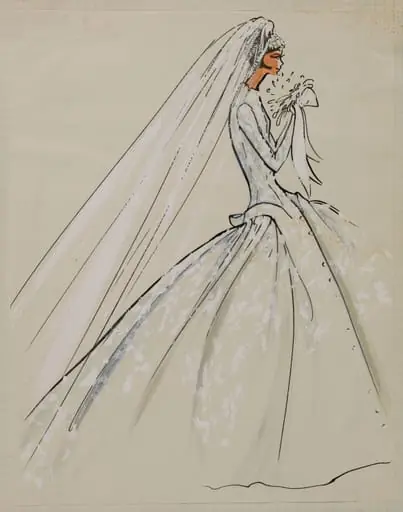
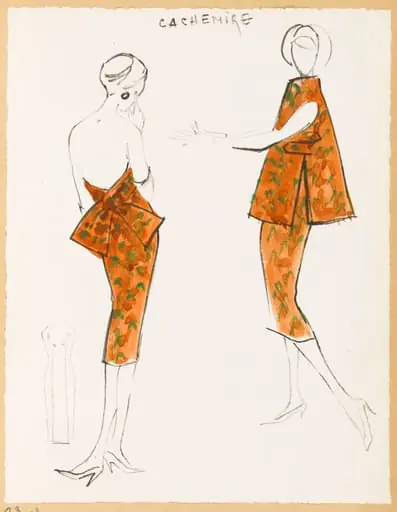
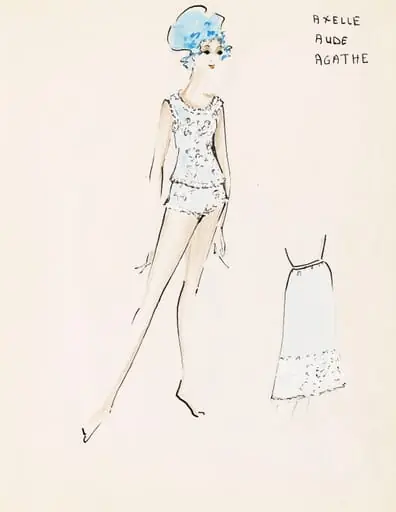
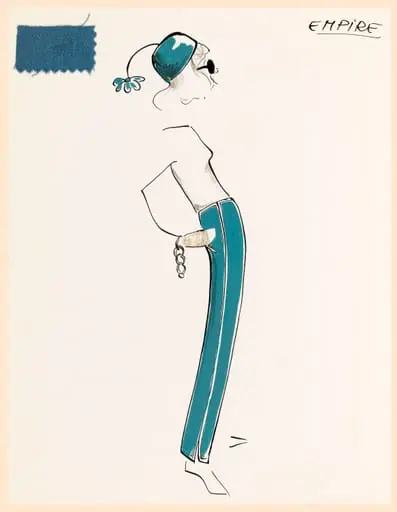
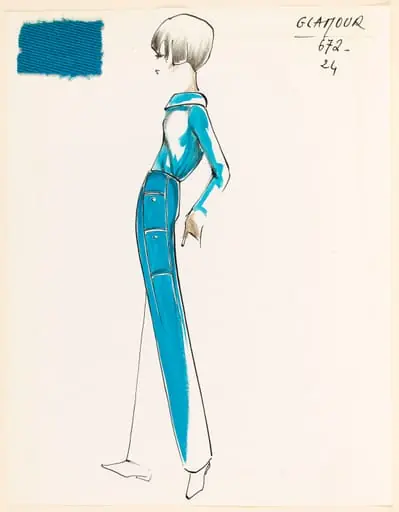
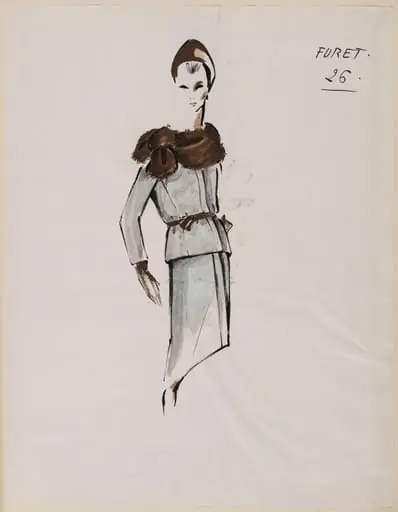
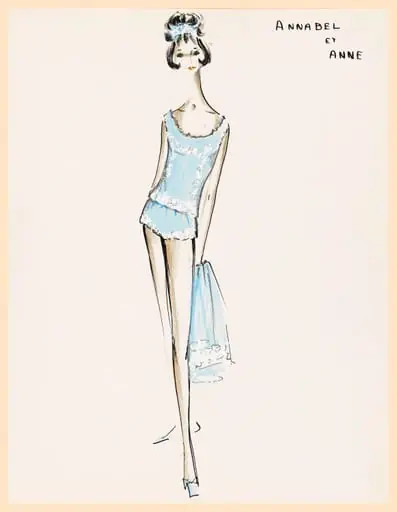
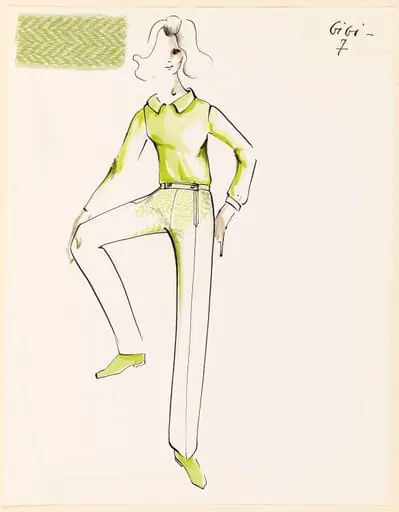
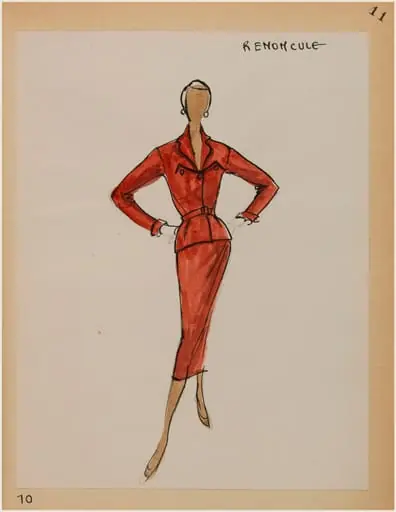
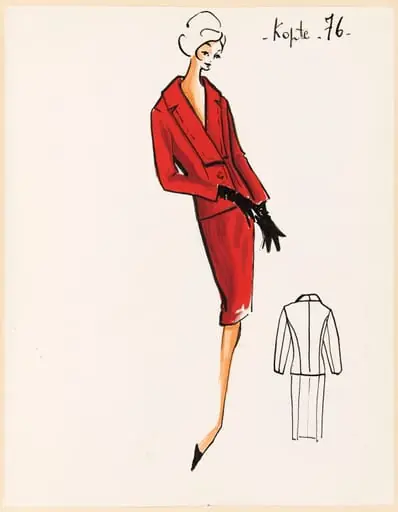
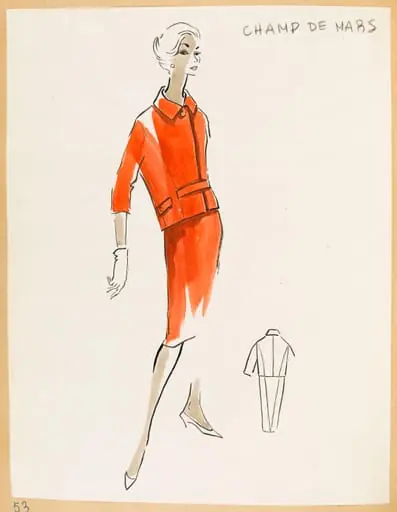
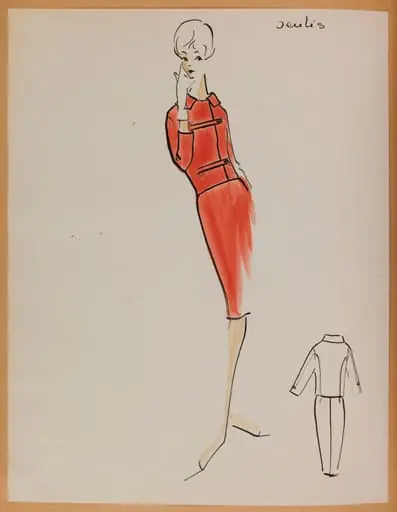
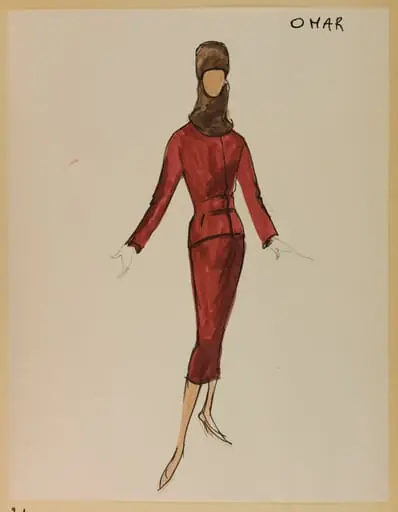
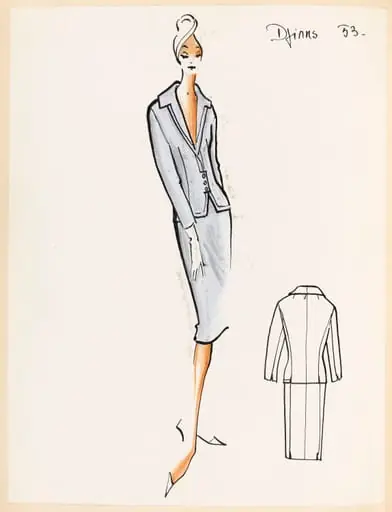
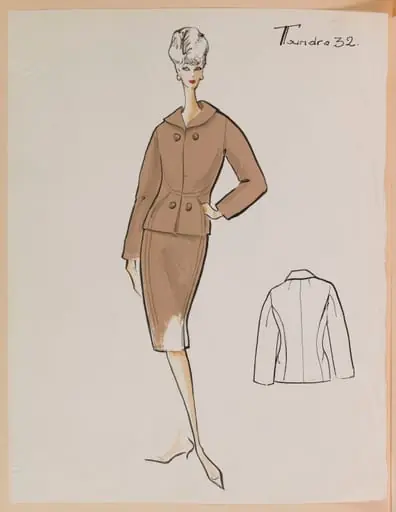
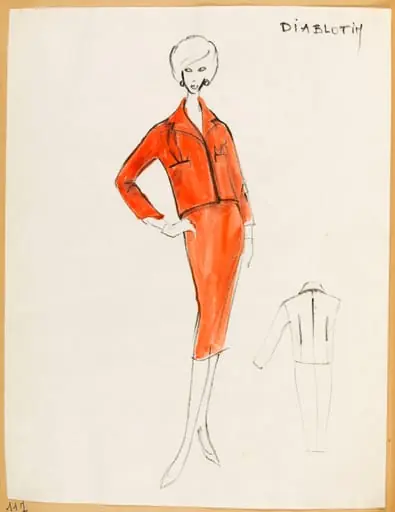
Goya is a drawing by Carven. It dates from 1958 and is held in the collection of the Palais Galliera - Musée de la Mode de la Ville de Paris.
About this work
Overview
This image, attributed to the fashion house Carven and dated circa 1958, is held in the collection of the Museum of Ethnography.
This image, attributed to the fashion house Carven and dated circa 1958, is held in the collection of the Museum of Ethnography. It presents a stylized portrait of a woman in a tailored red ensemble, rendered with contrasting techniques that distinguish the figure from a secondary graphic element. The work blends fashion illustration with painterly expression, suggesting a dialogue between human presence and garment design.
Subject & Meaning
The subject is a woman depicted with poise, her hand on her hip, exuding quiet authority. Her short white hair and immaculate attire suggest a figure of refined individuality, possibly representing an archetype of mid-century feminine elegance. The adjacent sketch of a dress form introduces a conceptual layer, implying the relationship between the wearer and the structure of clothing, without reducing the woman to a mannequin.
Technique & Style
The woman’s form is painted with vigorous, broad brushstrokes that emphasize texture and movement, while the dress form beside her is rendered in fine, restrained lines. This contrast in handling creates a visual tension between vitality and abstraction, between lived experience and idealized form. The palette is limited to red, white, and black, heightening the graphic clarity and emotional restraint of the composition.
History & Provenance
The work originates from the fashion house Carven, known for its mid-century designs and collaborations with visual artists. It entered the Museum of Ethnography’s collection as part of a broader effort to document fashion as cultural expression. Its origins as a standalone image, rather than a garment label or advertisement, suggest it was produced for artistic or editorial purposes during the late 1950s.
Context
Created during a period when fashion and fine art increasingly intersected, the image reflects postwar Europe’s fascination with modernity and personal identity. While haute couture houses often commissioned illustrations, this piece stands apart by treating the wearer as an autonomous subject rather than a display model. It aligns with broader cultural shifts toward celebrating individual style over rigid conformity.
Legacy
Though not widely exhibited, the image contributes to the understudied intersection of fashion design and visual art in the mid-20th century. Its preservation in an ethnographic museum signals an institutional recognition of clothing as a carrier of social meaning. The work remains a quiet example of how fashion imagery can transcend commercial function to become a nuanced cultural artifact.
Artist & collection
Artist
These delicate ink-on-paper drawings capture the quiet poetry of everyday things: pinecones, reeds, apples.
Museum
Palais Galliera - Musée de la Mode de la Ville de Paris
Continue through works from the same source collection.