Artwork
Gros bois
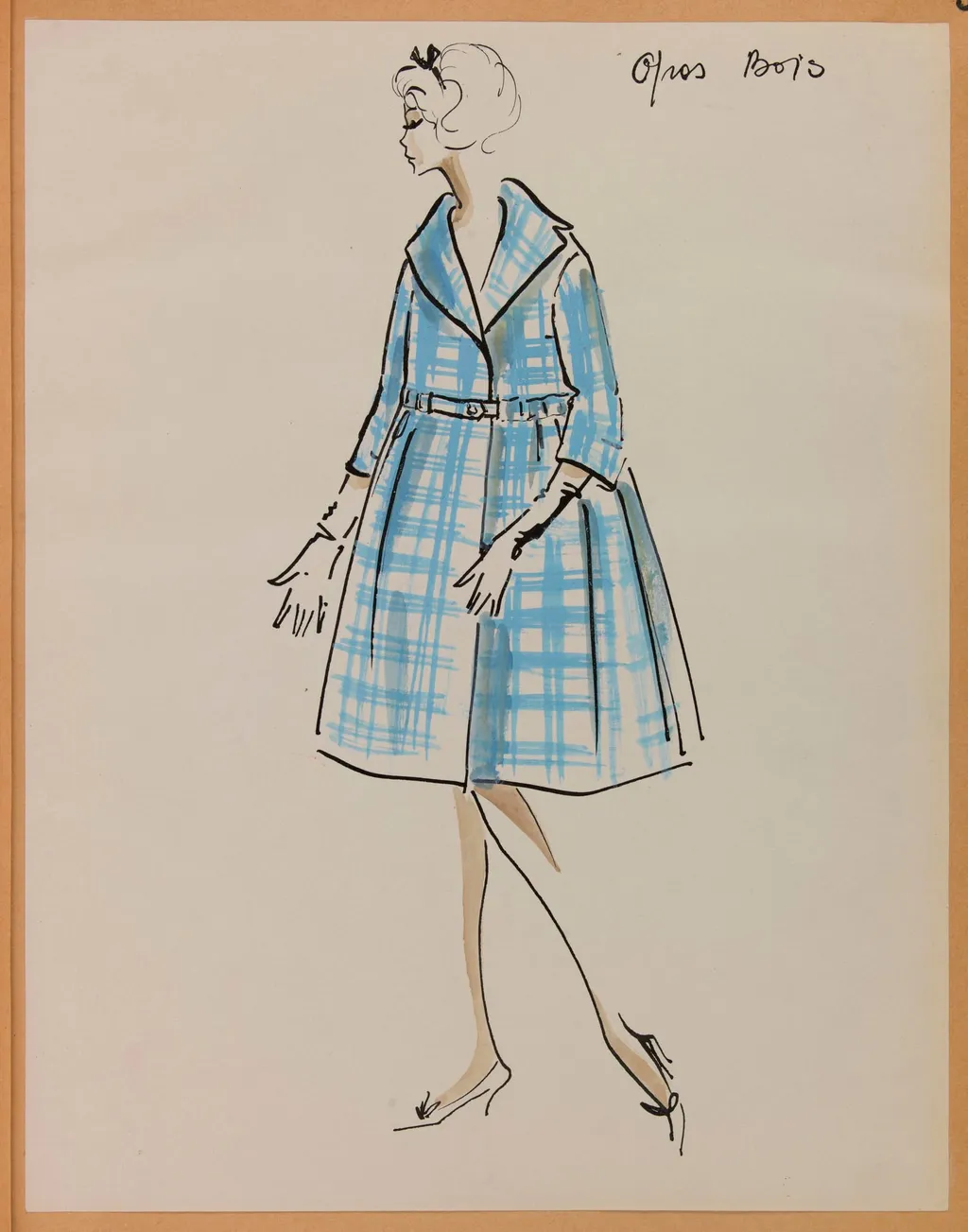
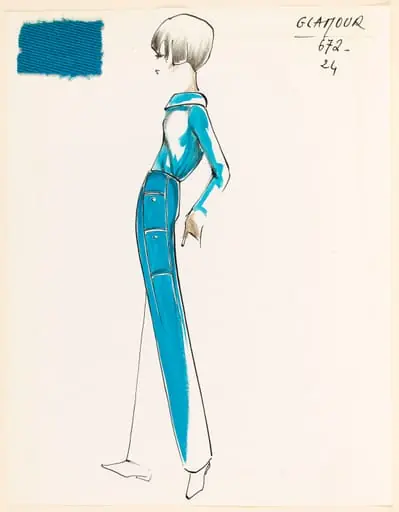
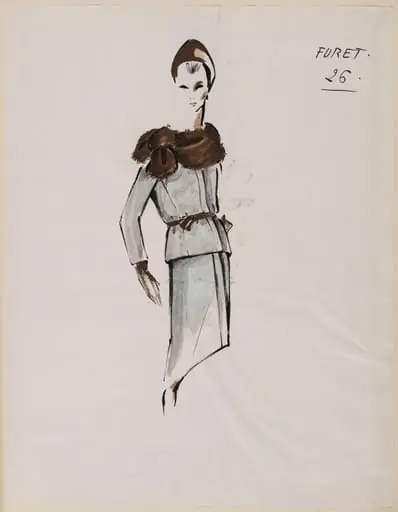
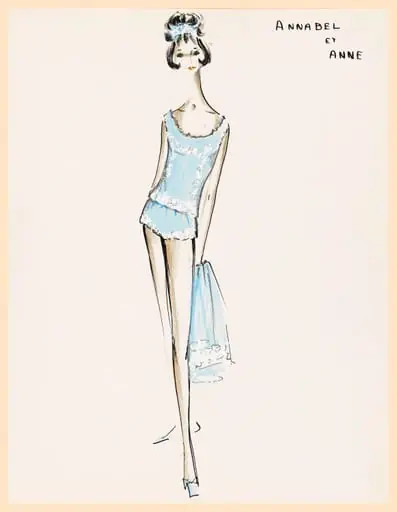
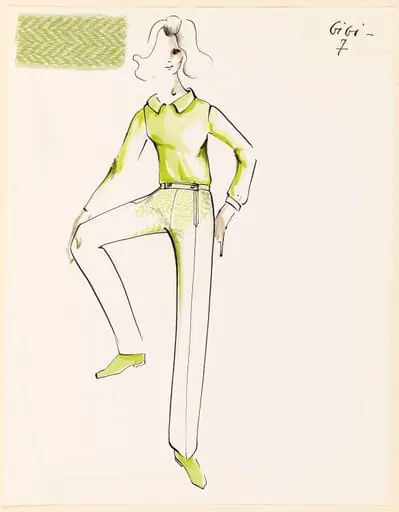
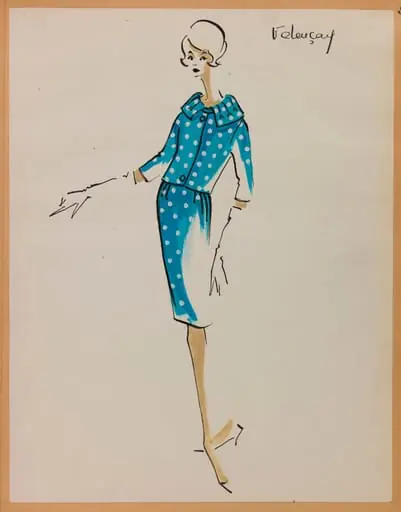
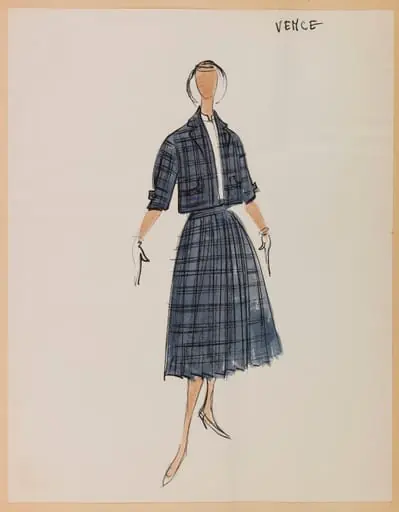
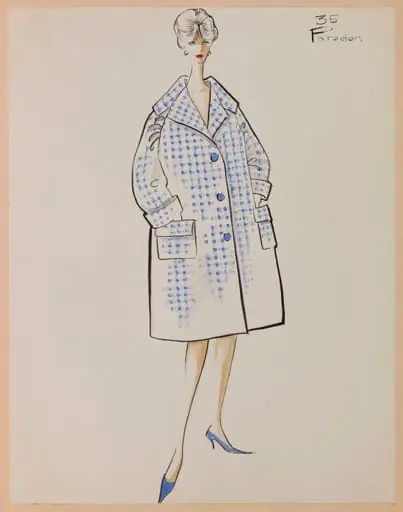
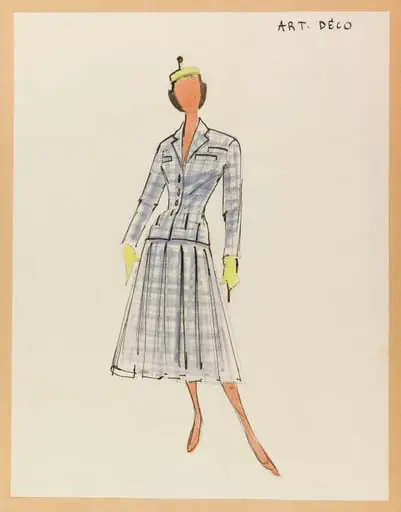
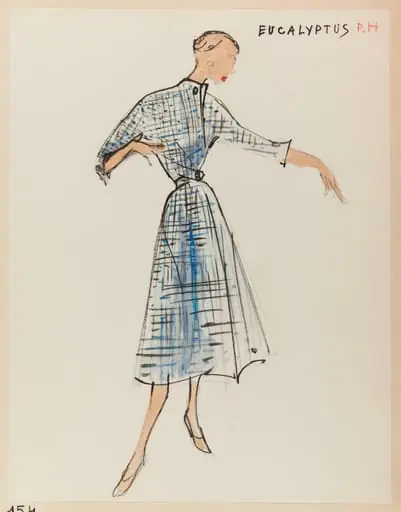
Gros bois is a drawing by Carven. It dates from 1958 and is held in the collection of the Palais Galliera - Musée de la Mode de la Ville de Paris.
About this work
Overview
Gros bois, dated around 1958, is a sketch by the artist Carven, executed in ink or watercolor on paper. It is part of the collection at the Museum of Ethnography. The work captures a single figure in motion, rendered with minimal detail and expressive brushwork. The signature 'Gros bois' appears in one corner, suggesting it may be a personal designation rather than a formal title.
Subject & Meaning
The absence of background or context focuses attention on her physicality and rhythm, evoking quiet dignity in ordinary life.
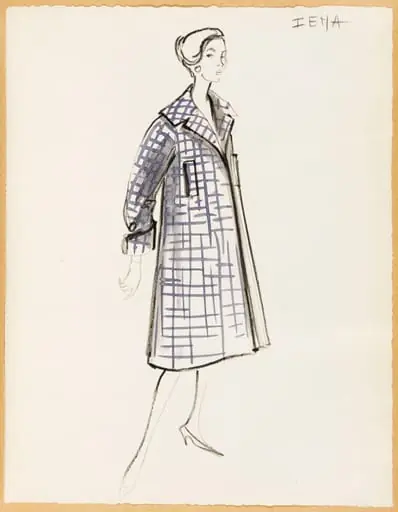
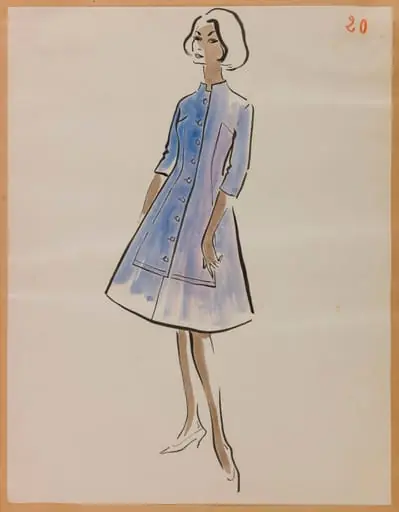
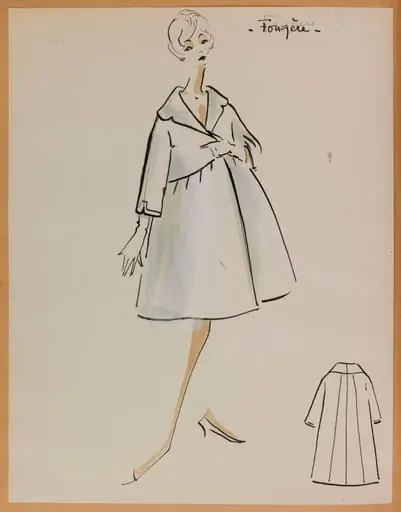
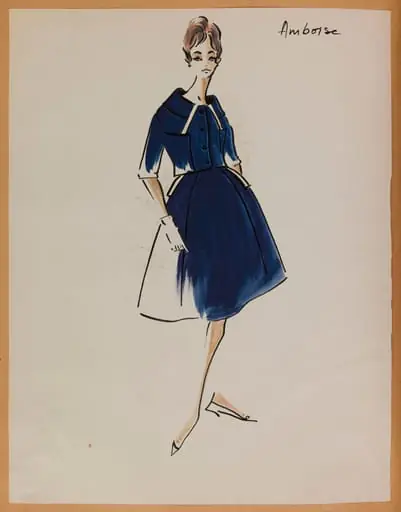
The figure is a woman walking with a relaxed, assured posture, suggesting autonomy and everyday presence. Her attire—a light blue plaid dress with dark trim and matching jacket—hints at modest, mid-century dress codes. The small bag she carries implies purposeful movement, perhaps returning from errands. The absence of background or context focuses attention on her physicality and rhythm, evoking quiet dignity in ordinary life.
Technique & Style
Carven employed loose, rapid brushstrokes to define form and fabric, particularly in the plaid pattern, which appears hand-painted with irregular lines rather than precise replication. The palette is restrained, dominated by muted blues and neutrals. Facial features and fine details are omitted, emphasizing gesture over realism. The sketch-like quality conveys immediacy, as if the figure was observed and recorded in passing.
History & Provenance
The work entered the Museum of Ethnography’s collection without documented prior ownership history. Its date of creation is estimated based on stylistic comparisons with other works from the late 1950s. The artist Carven is not widely recognized in mainstream art histories, and little is known about their life or other works. 'Gros bois' remains one of the few attributed pieces in institutional custody.
Context
Created in postwar Europe, the piece reflects a period when artists increasingly turned to everyday subjects over grand narratives. The informal style aligns with contemporaneous sketches by figures like Balthus or Giacometti, though Carven’s approach is more restrained. The work’s placement in an ethnographic museum suggests an interest in documenting ordinary human behavior rather than artistic innovation.
Legacy
Gros bois contributes to a modest but meaningful archive of unassuming figural studies from the mid-20th century. Its preservation in an ethnographic context underscores a shift toward valuing everyday visual records as cultural artifacts. While not widely exhibited, it offers insight into how private, observational drawing could capture social norms and personal presence without overt commentary.
Artist & collection
Artist
These delicate ink-on-paper drawings capture the quiet poetry of everyday things: pinecones, reeds, apples.

Museum
Palais Galliera - Musée de la Mode de la Ville de Paris
Continue through works from the same source collection.