Artwork
Héloïse
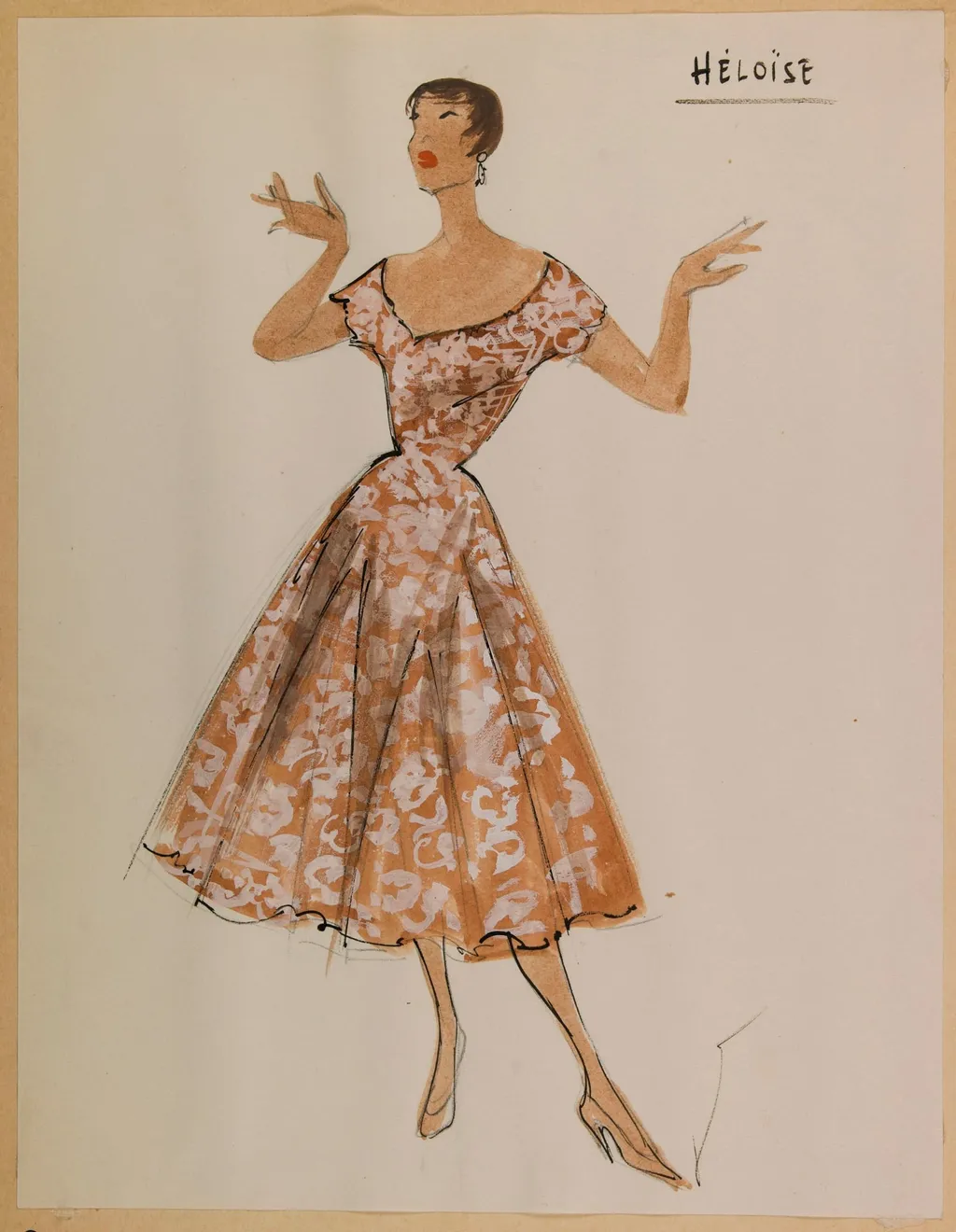
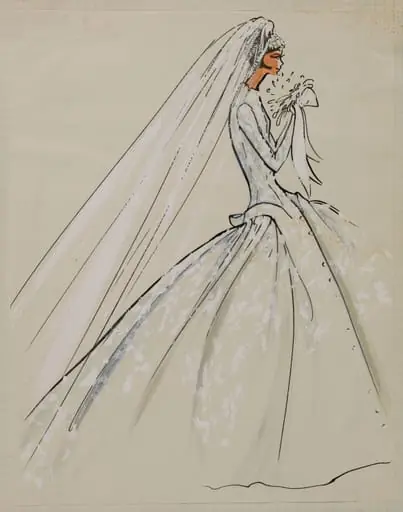
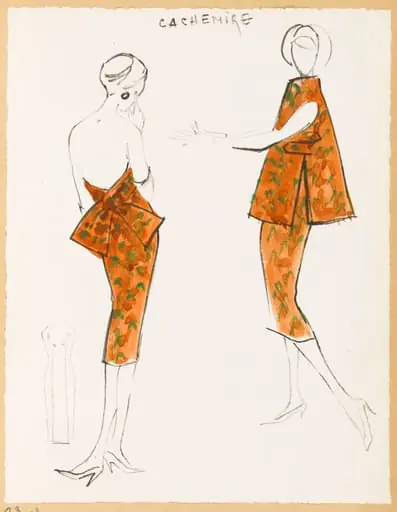
Héloïse is a drawing by Carven. It dates from 1953 and is held in the collection of the Palais Galliera - Musée de la Mode de la Ville de Paris.
About this work
Overview
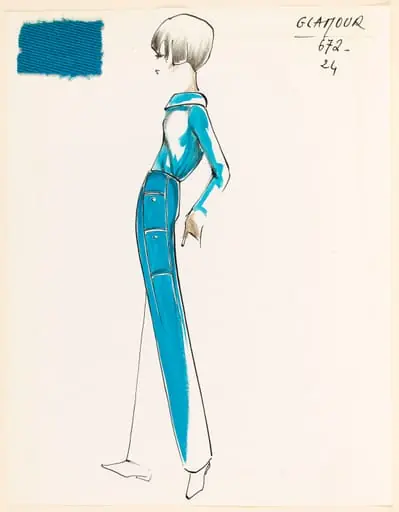
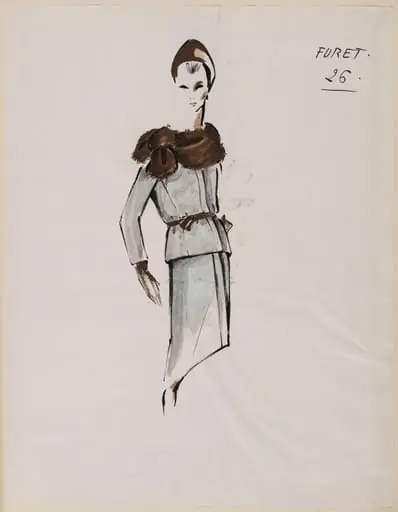
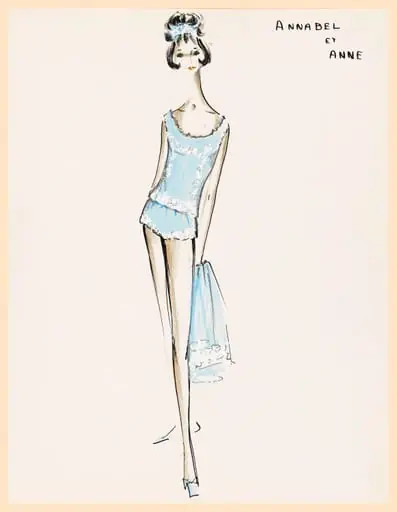
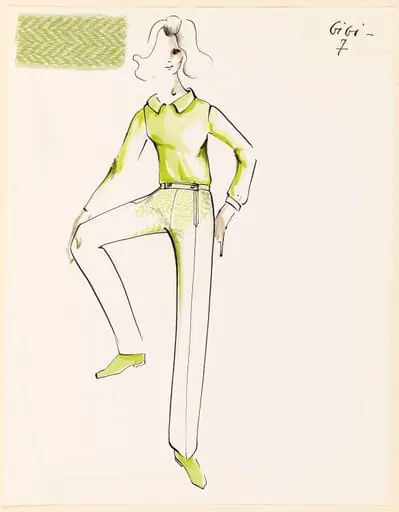
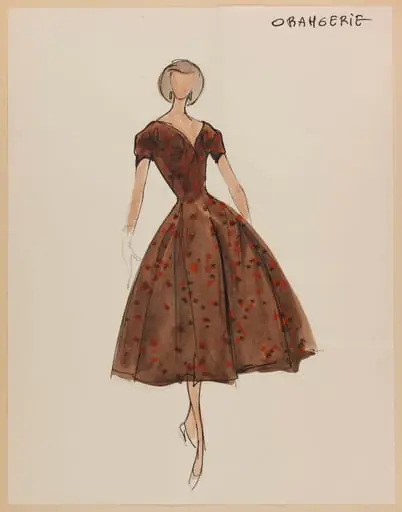
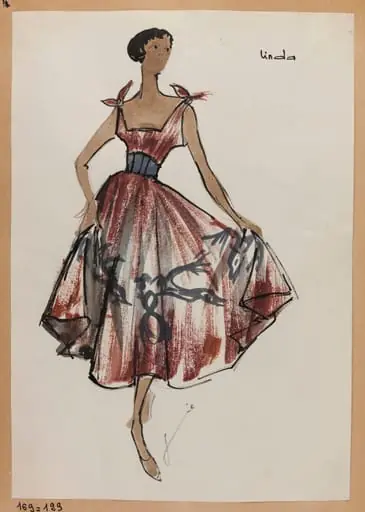
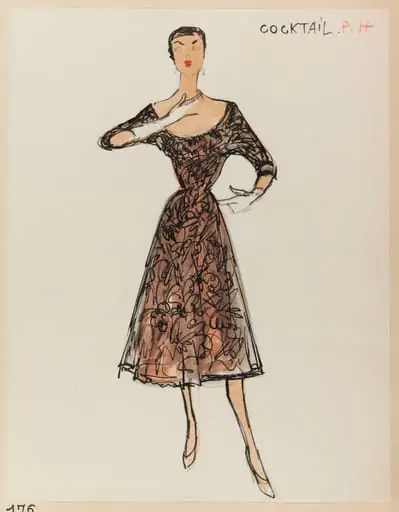
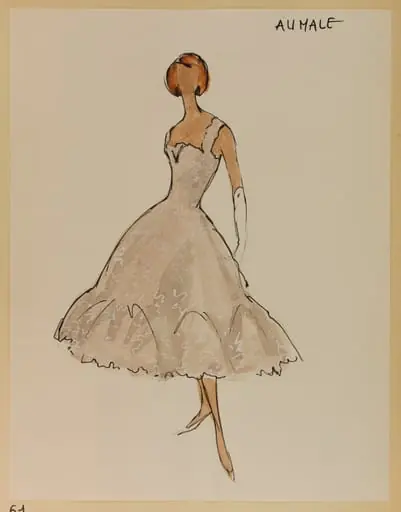
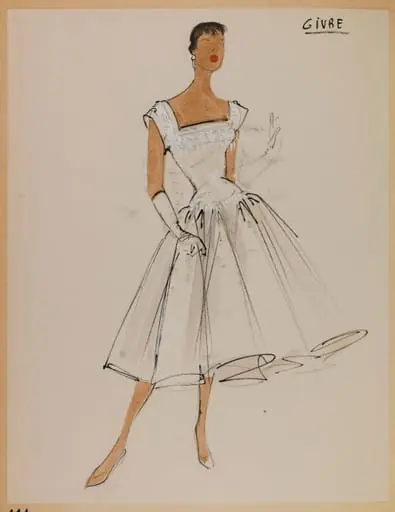
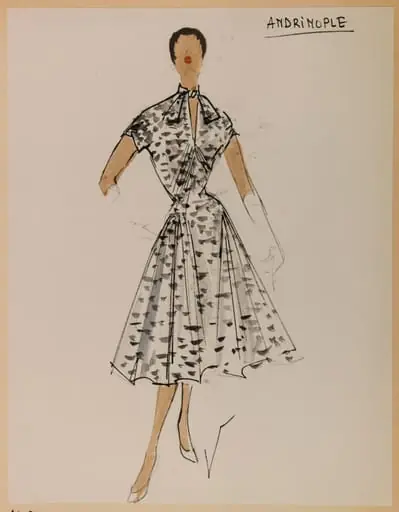
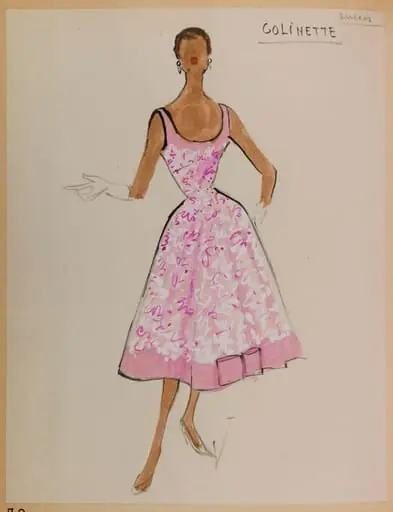
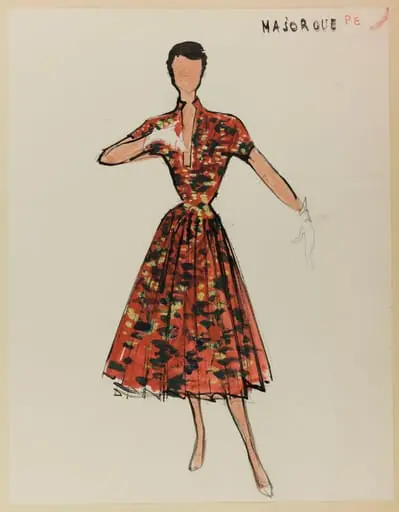
Created around 1953 by the fashion house Carven, this image depicts a woman in a loosely draped, sleeveless dress adorned with a brown‑and‑cream floral pattern. The skirt expands outward in a wide flare, and the figure is captured mid‑gesture, one arm raised while the other holds a small object resembling a cigarette holder. The work is part of the collection of the Museum of Ethnography.
Subject & Meaning
The drawing presents an anonymous female figure, likely a model or client, whose relaxed pose and casual accessory suggest a moment of leisure. The inclusion of the name *Héloïse* in the corner may identify the sitter or serve as a design label, linking the image to Carven’s mid‑century fashion branding.
Technique & Style
Executed with swift, overlapping lines, the sketch employs a loose, gestural approach that conveys volume through cross‑hatching and shadow. The overlapping strokes create a sense of depth without detailed rendering, emphasizing the flow of the fabric and the spontaneity of the drawing process.
History & Provenance
Attributed to Carven circa 1953, the piece entered the Museum of Ethnography’s holdings, where it remains accessible for study. Its placement within an ethnographic context reflects the institution’s interest in fashion as a cultural artifact, documenting mid‑twentieth‑century European dress.
Artist & collection
Artist
These delicate ink-on-paper drawings capture the quiet poetry of everyday things: pinecones, reeds, apples.
Museum
Palais Galliera - Musée de la Mode de la Ville de Paris
Continue through works from the same source collection.