Artwork
'Infante'
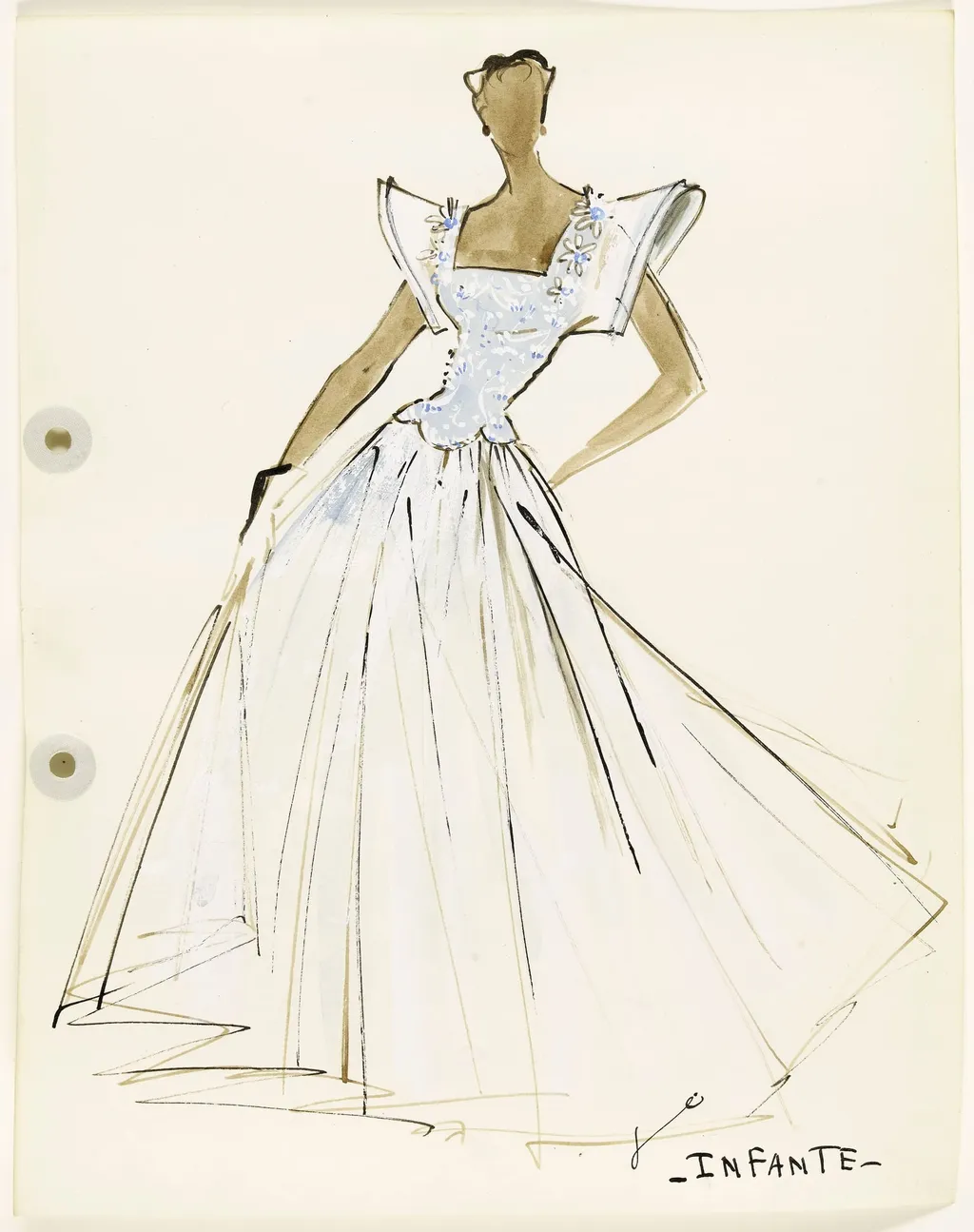
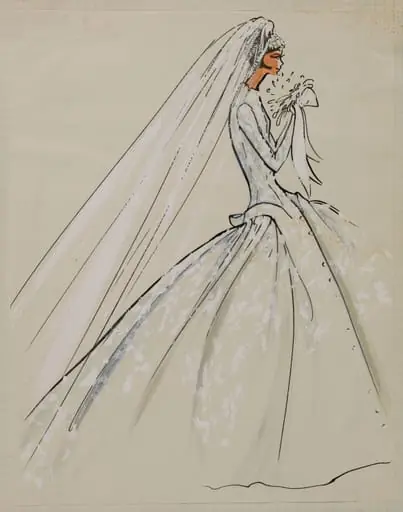
'Infante' is a drawing by Carven. It dates from 1951 and is held in the collection of the Palais Galliera - Musée de la Mode de la Ville de Paris.
About this work
Overview
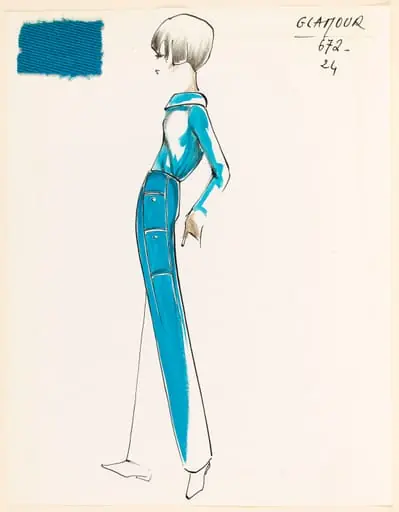
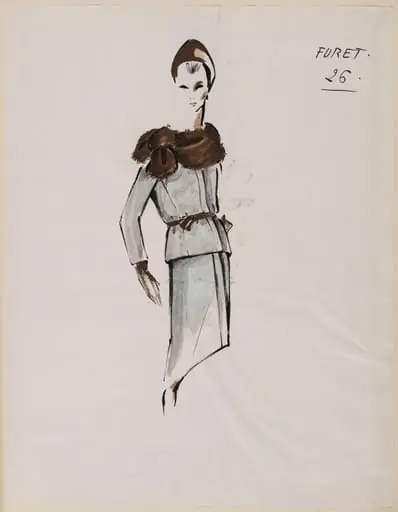
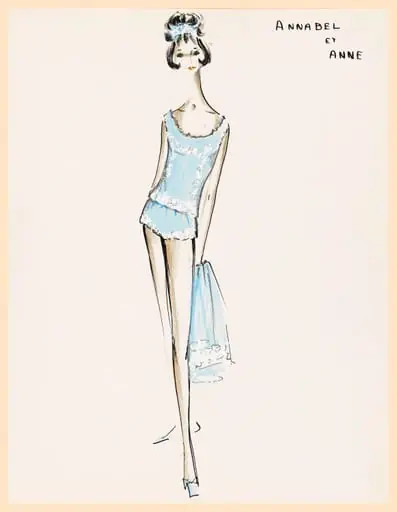
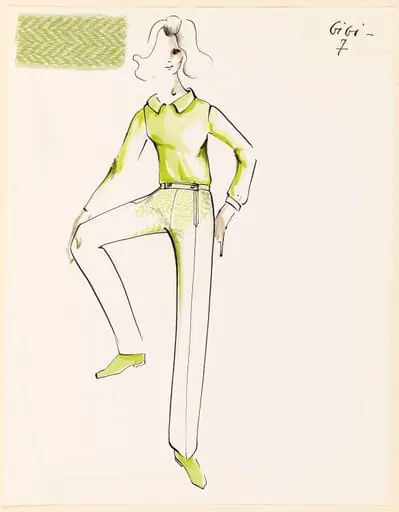
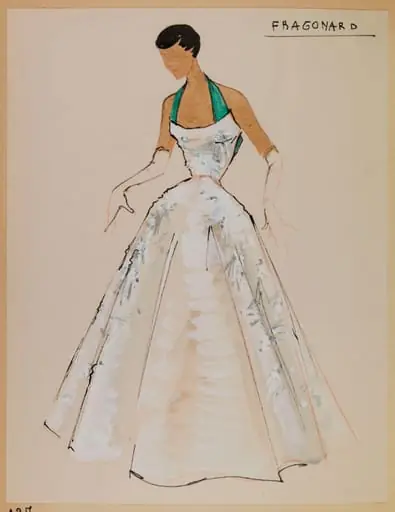
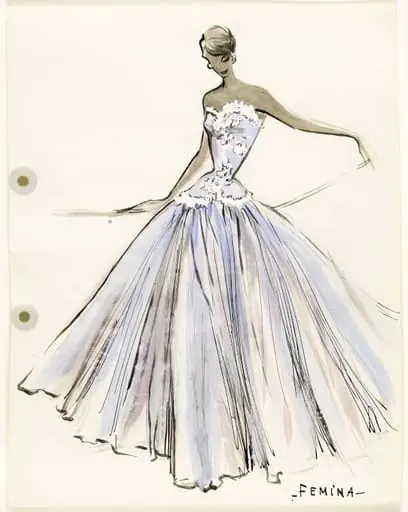
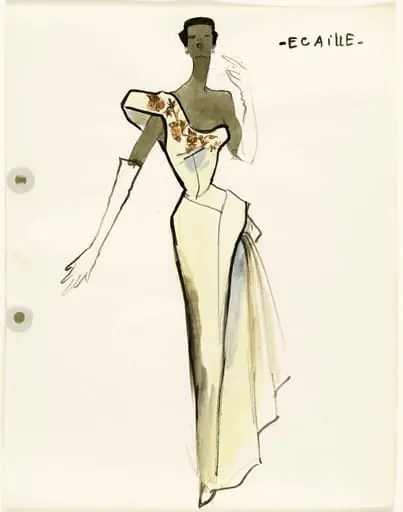
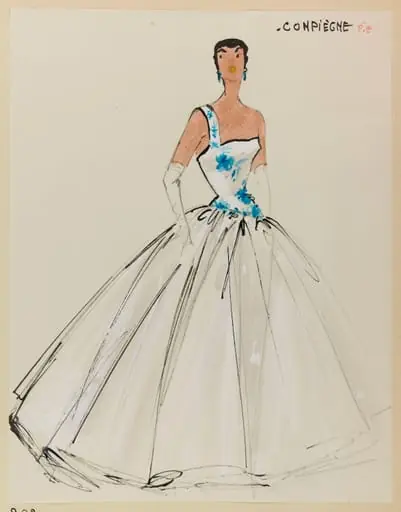
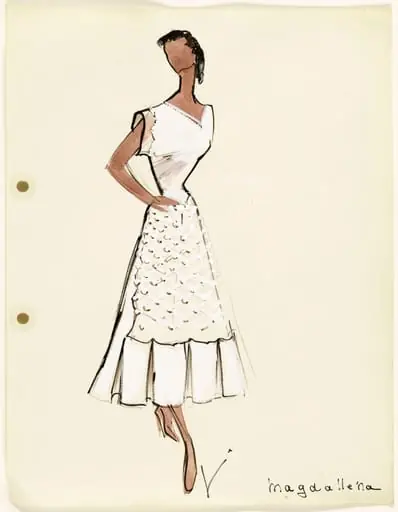
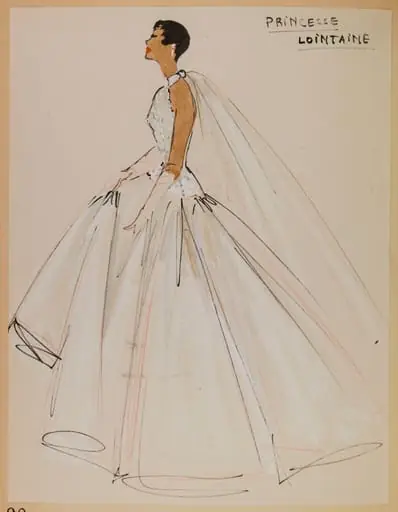
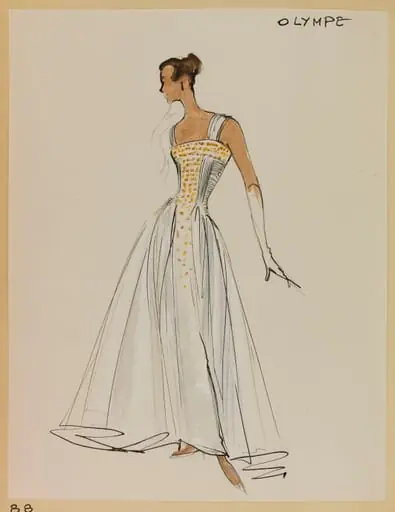
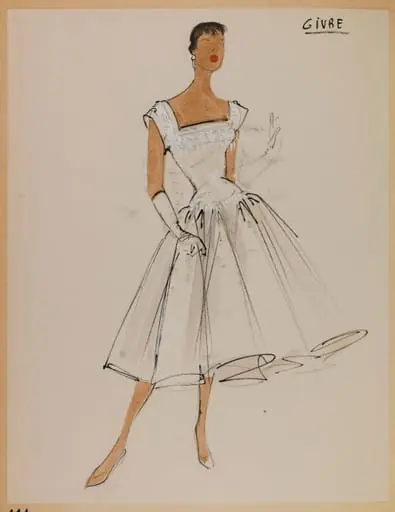
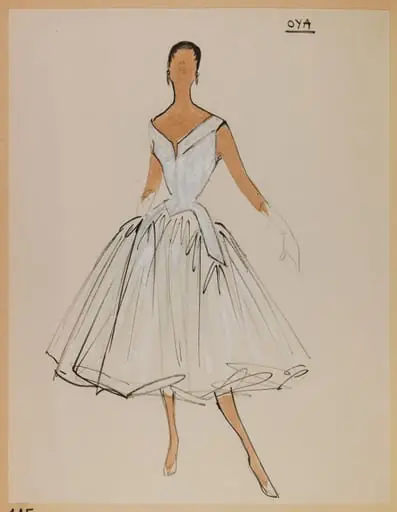
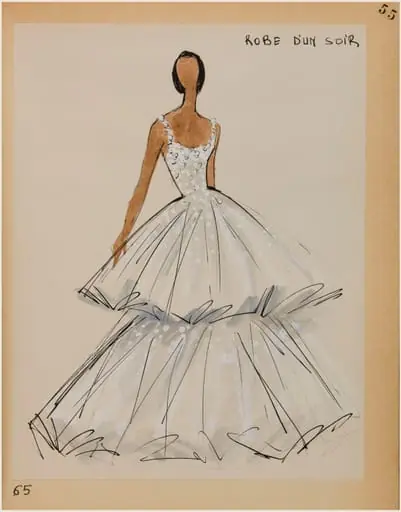
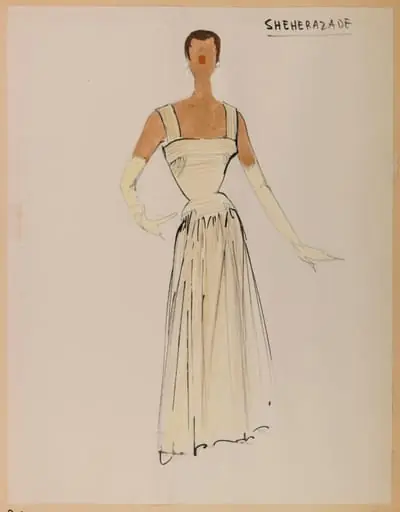
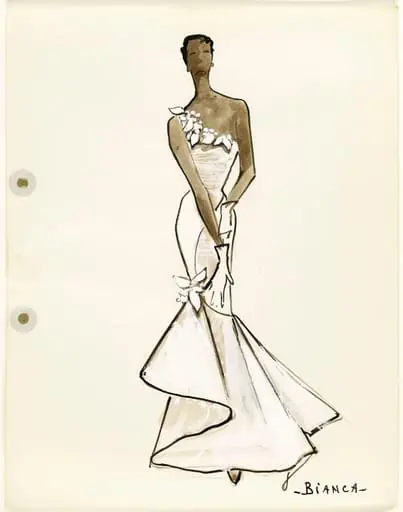
Created in 1951 by Carven, this drawing depicts a figure in a detailed garment, rendered with minimal background to emphasize textile form.
Created in 1951 by Carven, this drawing depicts a figure in a detailed garment, rendered with minimal background to emphasize textile form. Executed in ink or graphite, the work is part of the Museum of Ethnography’s collection, where it is studied for its representation of mid-20th-century fashion aesthetics and draftsmanship. The artist’s focus on clothing over the figure suggests an interest in costume as cultural artifact.
Subject & Meaning
The subject is a woman dressed in an elaborate gown, its design suggesting formal or ceremonial wear. The pose—relaxed yet composed—conveys dignity without narrative. The absence of facial features or context shifts attention entirely to the dress, implying the garment itself carries symbolic weight. This may reflect an ethnographic interest in how attire expresses identity, status, or tradition.
Technique & Style
The drawing employs loose, fluid lines to capture the movement and volume of fabric. Darker strokes outline the dress’s structure, while lighter, quicker marks suggest texture and flow, particularly in the flaring skirt. The bodice is defined with finer detail, highlighting the floral pattern. The near-absence of background isolates the garment, reinforcing a focus on material form rather than spatial context.
History & Provenance
The work was completed in 1951 and entered the Museum of Ethnography’s holdings shortly thereafter. Its origin as a study or design sketch is unconfirmed, but its preservation suggests it was valued for its documentation of fashion details. No record of prior ownership or exhibition history is publicly documented beyond its current institutional custody.
Context
In the postwar period, designers and illustrators increasingly turned to ethnographic sources for inspiration, blending traditional motifs with modern silhouettes. This drawing aligns with that trend, capturing a garment that may reference folk or regional dress, reinterpreted through a stylized, graphic lens. Its creation coincided with a broader interest in preserving textile heritage amid industrialization.
Legacy
The drawing remains a quiet example of how fashion illustration served ethnographic documentation. Its emphasis on fabric over figure influenced later studies of costume in museum contexts. While not widely reproduced, it continues to be referenced in academic discussions on mid-century design practices and the visual recording of clothing as cultural expression.
Artist & collection
Artist
These delicate ink-on-paper drawings capture the quiet poetry of everyday things: pinecones, reeds, apples.
Museum
Palais Galliera - Musée de la Mode de la Ville de Paris
Continue through works from the same source collection.