Artwork
Sheherazade
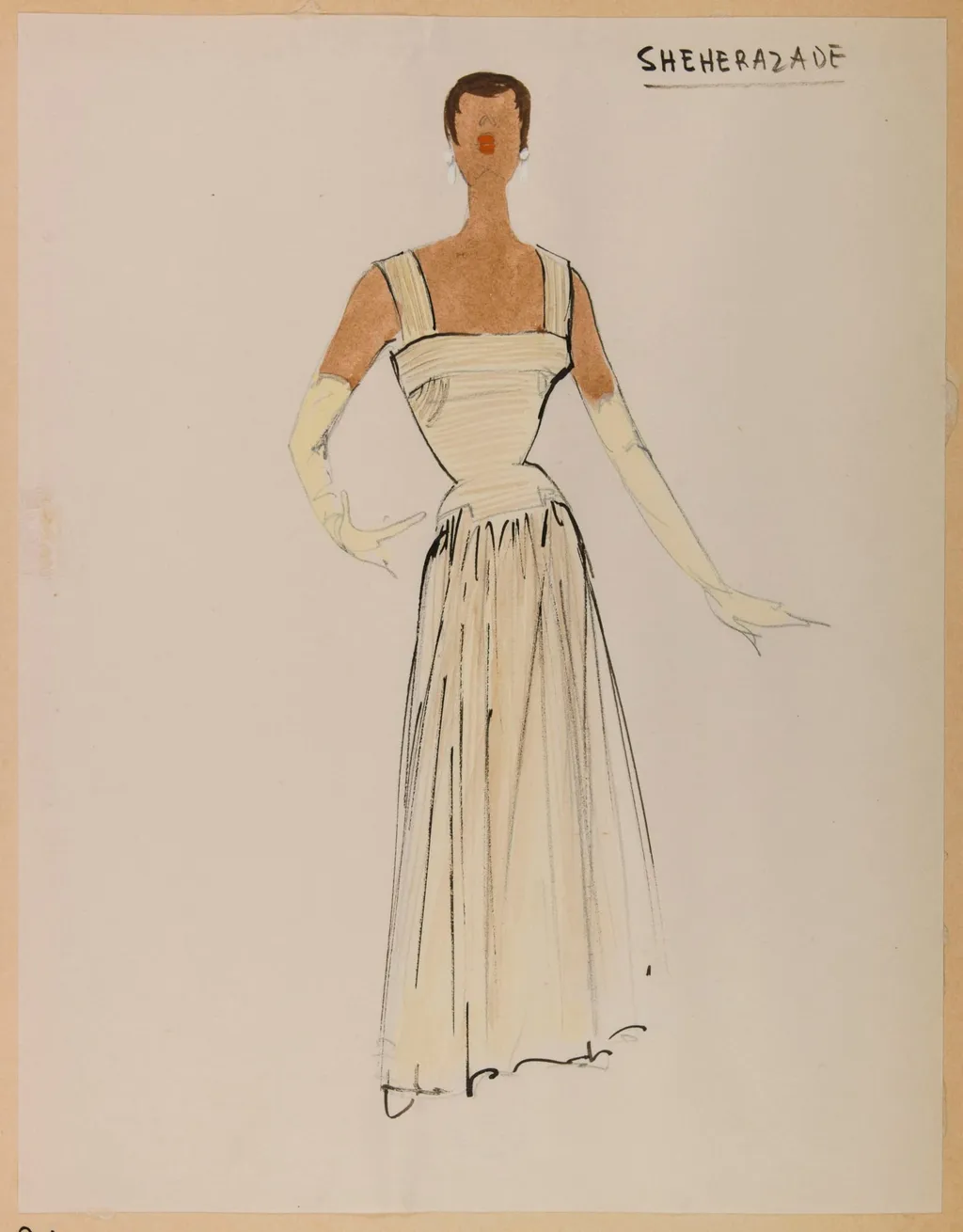
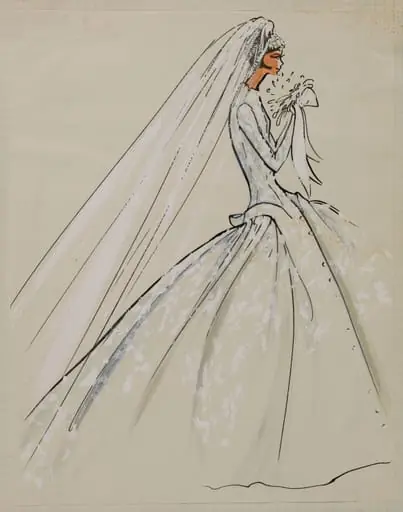
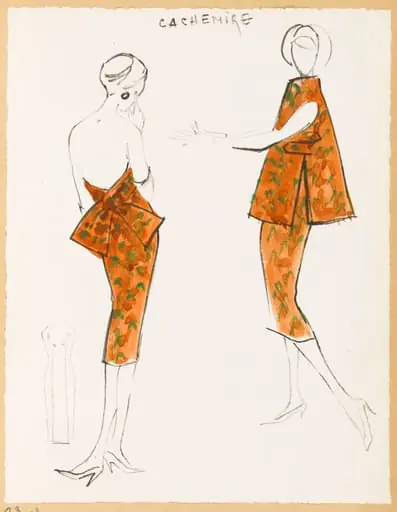
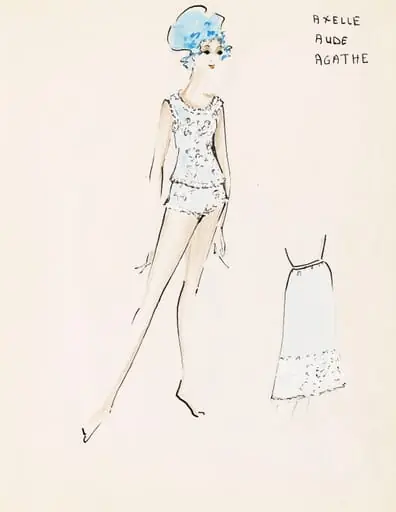
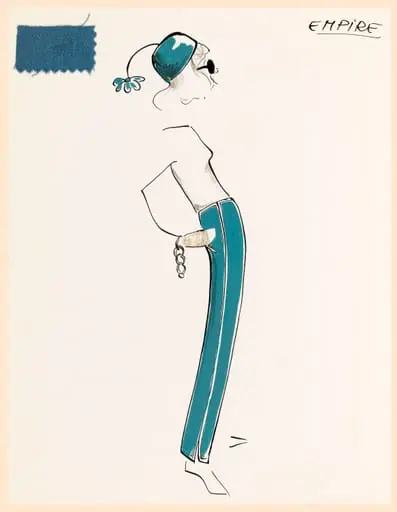
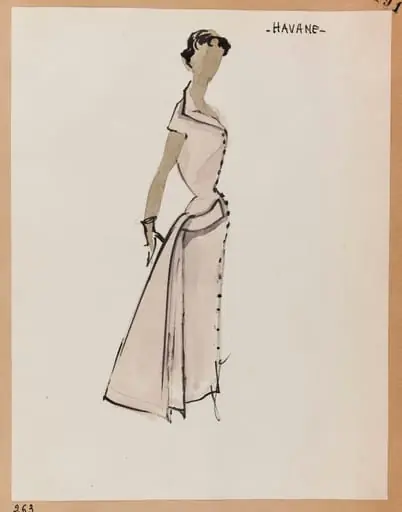
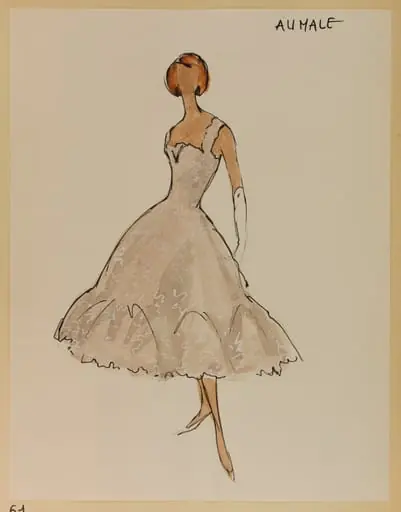
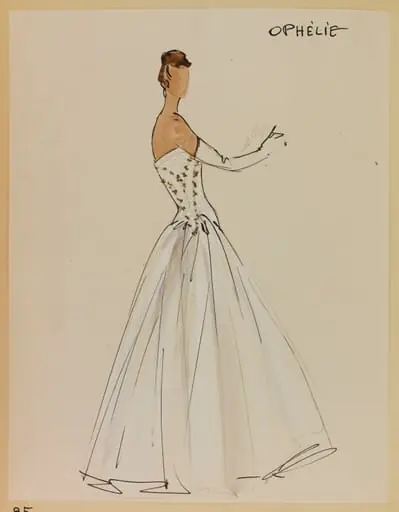
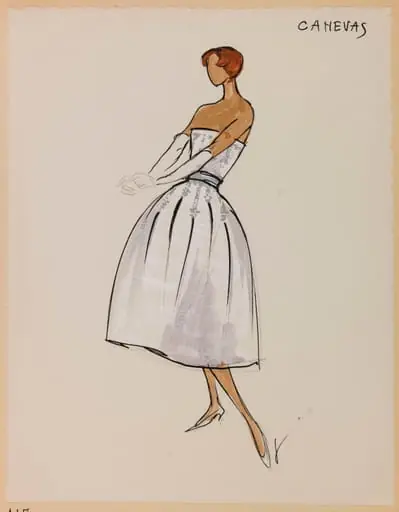
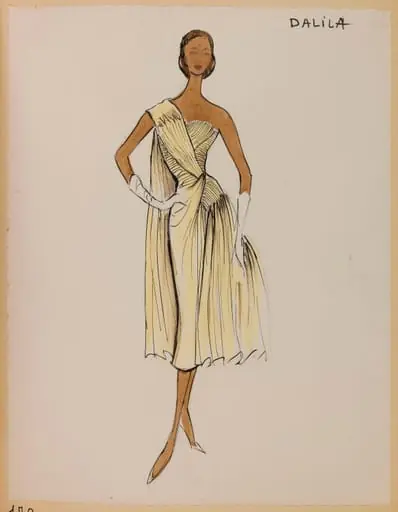
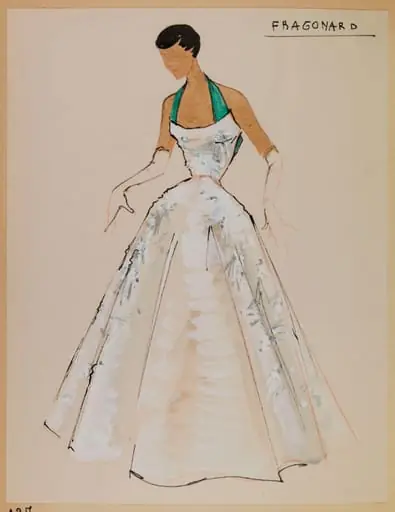
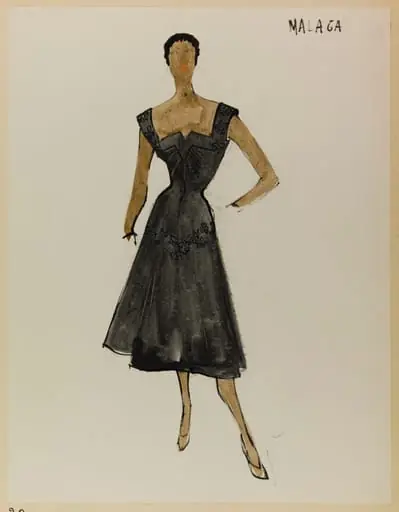
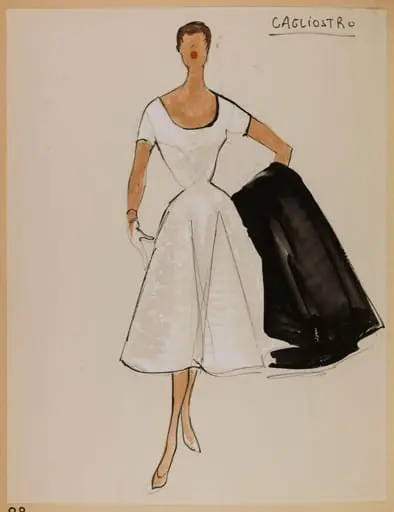
Sheherazade is a drawing by Carven. It dates from 1953 and is held in the collection of the Palais Galliera - Musée de la Mode de la Ville de Paris.
About this work
Overview
The work is held in the collection of the Museum of Ethnography, where it is preserved as part of a broader archive of mid-century fashion studies.
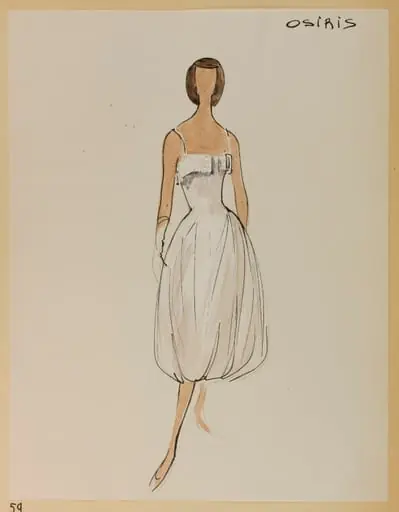
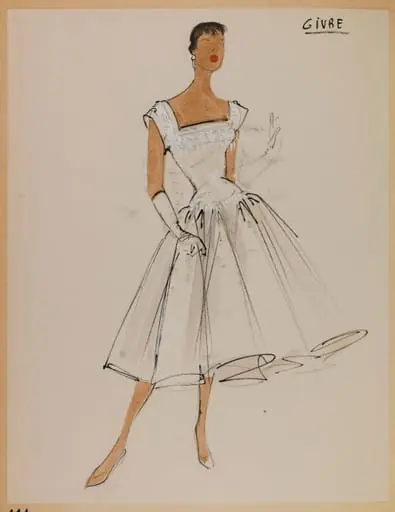
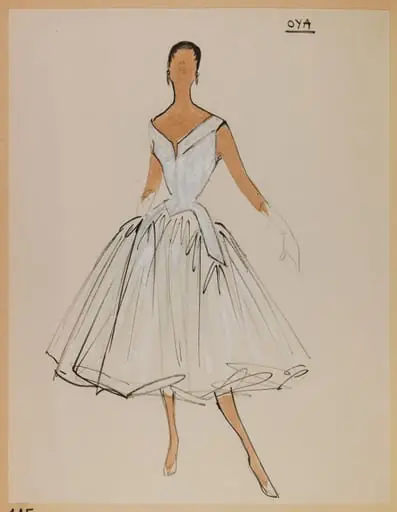
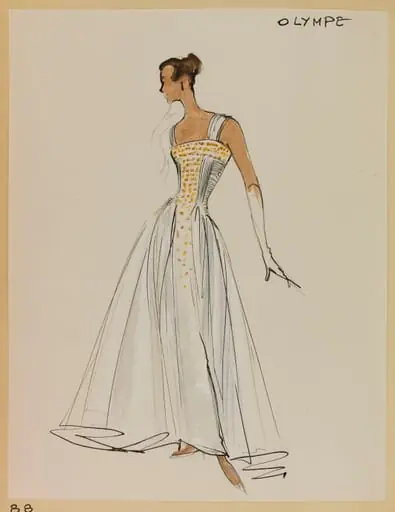
Created around 1953 by the fashion designer Carven, this pencil sketch depicts a figure identified as Sheherazade. Executed with swift, light strokes, it captures a moment rather than a polished composition. The work is held in the collection of the Museum of Ethnography, where it is preserved as part of a broader archive of mid-century fashion studies. Its informal quality suggests it was made as a preparatory or exploratory drawing.
Subject & Meaning
The figure is named after Sheherazade, the legendary storyteller from One Thousand and One Nights, evoking themes of narrative, grace, and endurance. The pose—with arms extended and drapery flowing—suggests movement and speech, aligning with the mythic figure’s role as a narrator. The choice of name implies an intentional link between fashion and storytelling, framing clothing as a vessel for character and myth.
Technique & Style
The sketch is rendered in pencil with minimal shading, emphasizing fluid lines over detail. The bodice is defined with subtle contours, while the skirt flows in loose, unstructured sweeps. Gloves and fabric folds are suggested rather than fully modeled, indicating a rapid, observational approach. The absence of background or context focuses attention on the figure’s silhouette and gesture, typical of fashion studies meant to convey motion and form.
History & Provenance
The drawing entered the Museum of Ethnography’s collection as part of Carven’s archival materials, likely donated or acquired after the designer’s active years. Its preservation reflects institutional interest in fashion as cultural expression rather than purely commercial design. No record of public exhibition prior to its inclusion in the museum’s holdings is documented, suggesting its primary value lies in its role as a working sketch.
Context
In the early 1950s, fashion houses frequently produced quick sketches to explore silhouettes and themes before finalizing designs. Carven, known for elegant, feminine lines, often drew inspiration from literature and history. This piece aligns with a broader trend of designers using mythological or literary references to elevate their work beyond mere utility, embedding cultural narratives into garment studies.
Legacy
As a fragment of Carven’s creative process, the sketch offers insight into how fashion designers engaged with narrative and symbolism. It remains a quiet example of mid-century design thinking, where clothing was not only worn but imagined as part of larger stories. Its presence in an ethnographic museum underscores its value as a cultural artifact, not merely a fashion item.
Artist & collection
Artist
These delicate ink-on-paper drawings capture the quiet poetry of everyday things: pinecones, reeds, apples.
Museum
Palais Galliera - Musée de la Mode de la Ville de Paris
Continue through works from the same source collection.