Artwork
Jean Bart
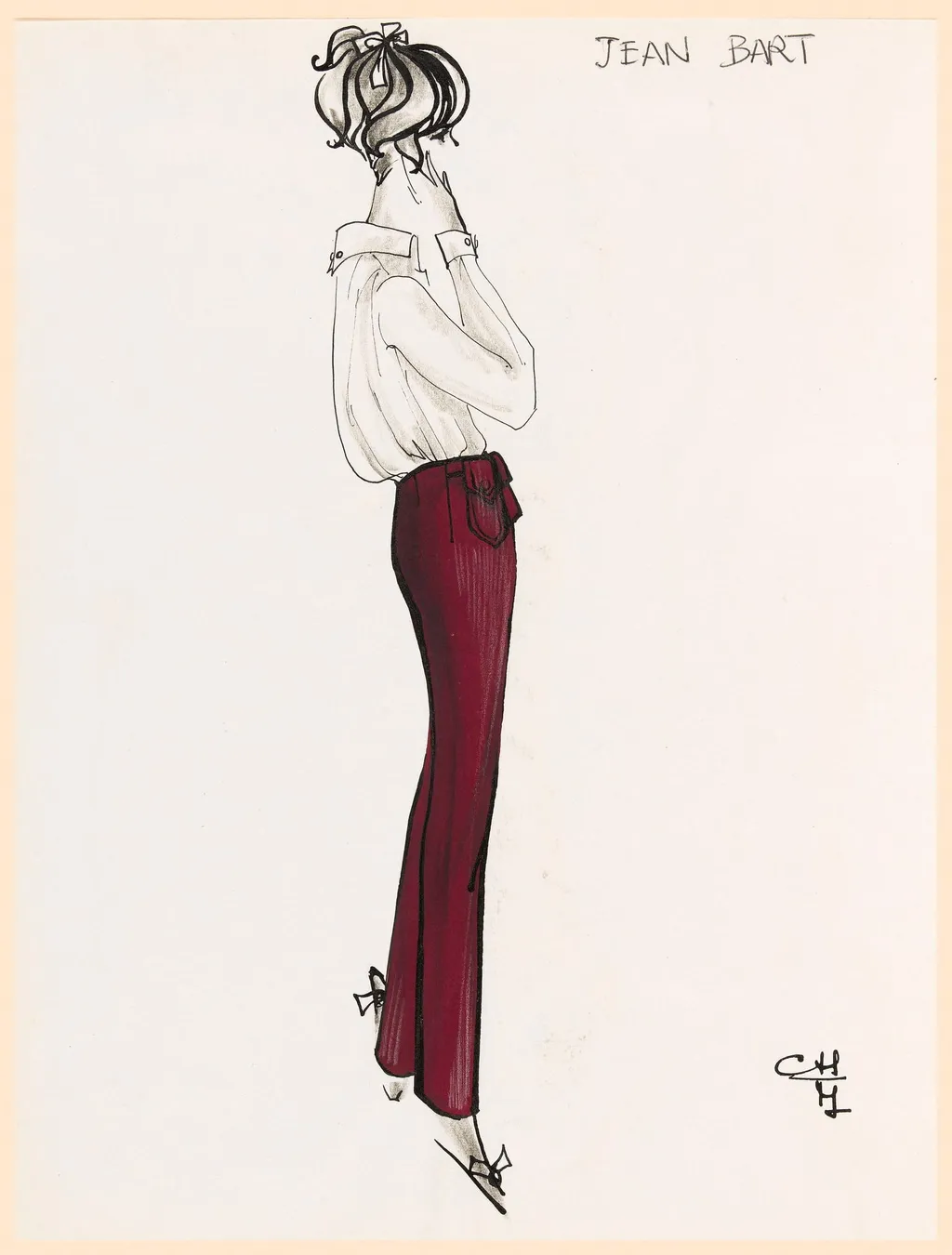
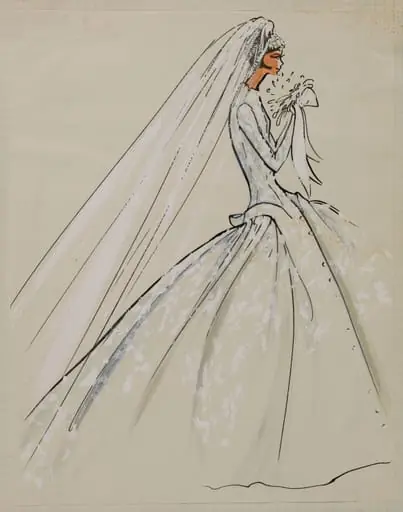
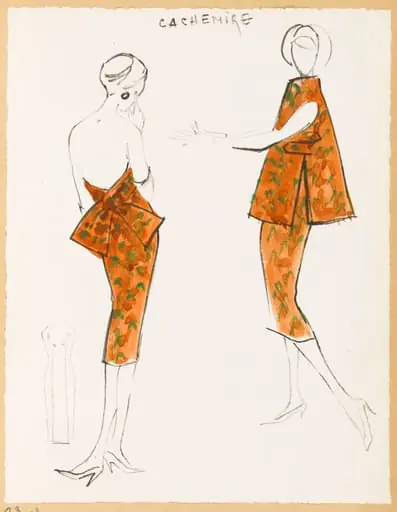
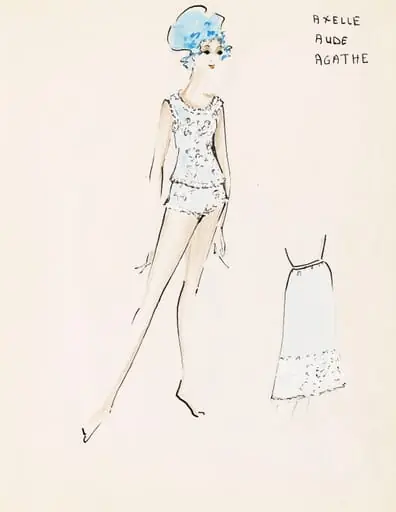
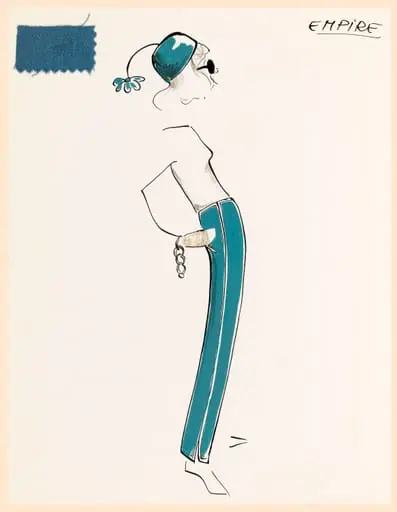
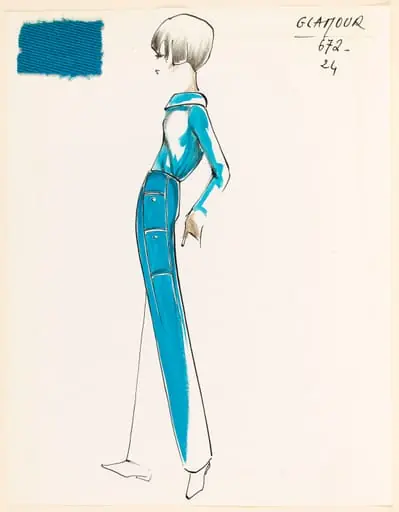
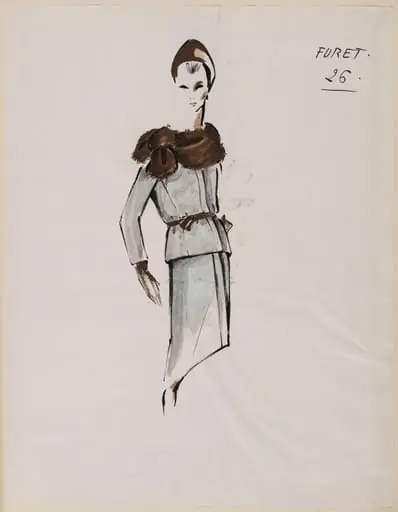
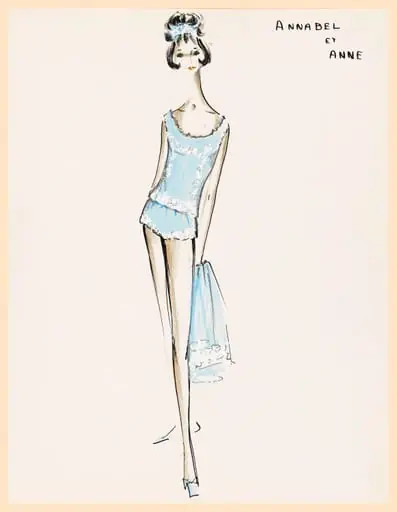
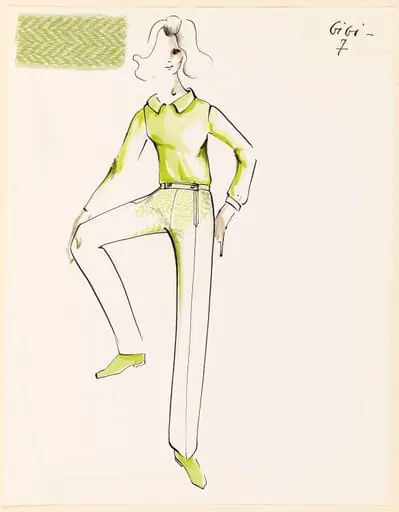
Jean Bart is a drawing by Carven. It dates from 1963 and is held in the collection of the Palais Galliera - Musée de la Mode de la Ville de Paris.
About this work
Overview
It resides in the collection of the Museum of Ethnography, where it is cataloged as part of a broader study of modern visual expression.
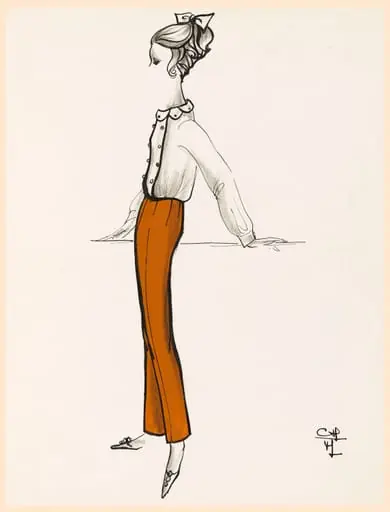
Created around 1963 by the artist Carven, this drawing portrays a solitary figure in quiet repose. It resides in the collection of the Museum of Ethnography, where it is cataloged as part of a broader study of modern visual expression. The work’s restrained composition and deliberate simplicity distinguish it from more ornate contemporaneous works, suggesting an intentional focus on form and presence over narrative detail.
Subject & Meaning
The figure, depicted from behind, stands still with hands clasped, evoking a sense of introspection or quiet dignity. The absence of facial features and contextual details invites interpretation without prescription. The posture and attire—white shirt, red trousers—hint at a formal or ceremonial context, though no specific identity or event is indicated. The anonymity of the subject emphasizes a universal sense of composure.
Technique & Style
Rendered with clean, uncluttered lines and minimal shading, the drawing favors clarity over texture. The red trousers stand as the sole chromatic accent, drawing attention without overwhelming the composition. The artist avoids cross-hatching or tonal modeling, relying instead on contour and selective color to define form. This approach results in a graphic precision that feels both deliberate and unadorned.
History & Provenance
The work entered the Museum of Ethnography’s collection in the mid-1960s, acquired as part of a group of drawings by Carven documenting contemporary dress and posture. Its origin as a standalone study, rather than a preparatory sketch, suggests it was intended as a finished piece. No documentation links it to a specific commission or public exhibition prior to its institutional acquisition.
Context
Created during a period of renewed interest in minimalist drawing, the work aligns with broader postwar trends that valued economy of line and emotional restraint. While Carven is not widely known, this piece reflects a shared aesthetic among artists exploring the expressive potential of simplified forms. Its placement in an ethnographic museum implies an interest in the figure as a cultural artifact rather than a portrait.
Legacy
Though not widely reproduced or studied, the drawing remains a quiet example of mid-century drawing practice that prioritizes subtlety over spectacle. It continues to be referenced in curatorial discussions on the representation of the human form in non-narrative contexts. Its endurance in the museum’s collection speaks to its resonance as a study in stillness and understated presence.
Artist & collection
Artist
These delicate ink-on-paper drawings capture the quiet poetry of everyday things: pinecones, reeds, apples.

Museum
Palais Galliera - Musée de la Mode de la Ville de Paris
Continue through works from the same source collection.