Artwork
'Manuscrit'
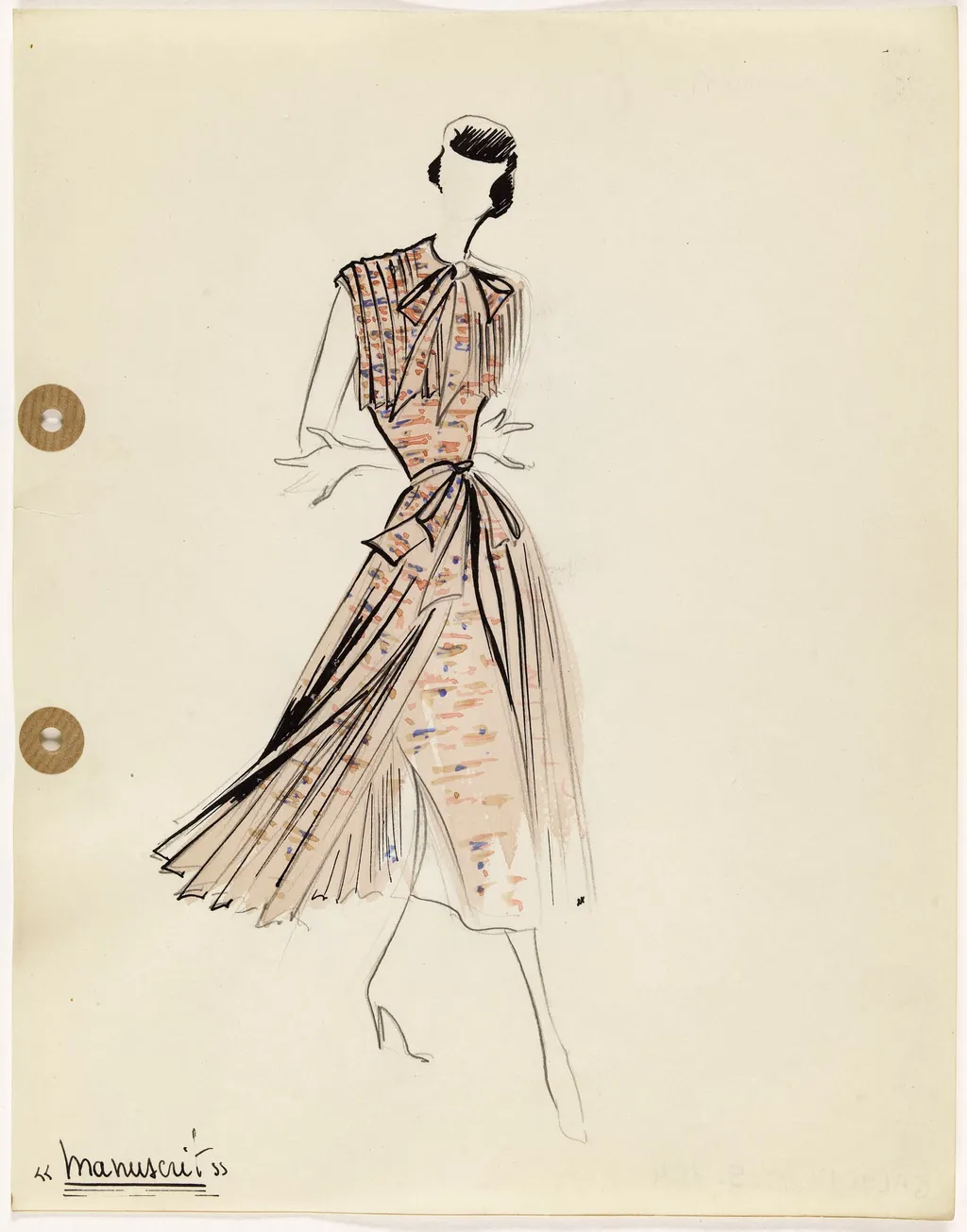
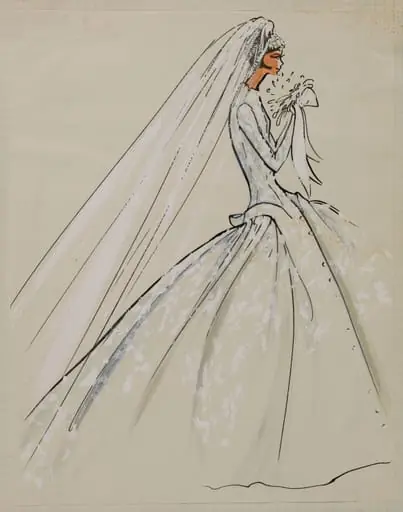
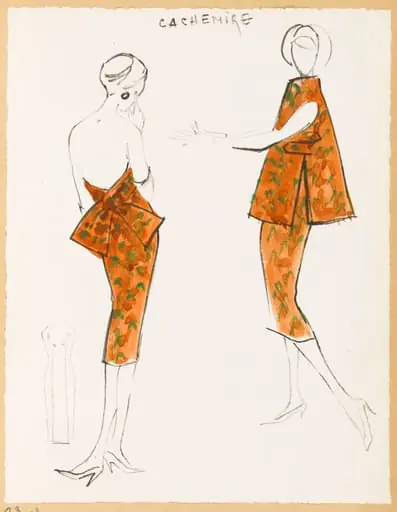
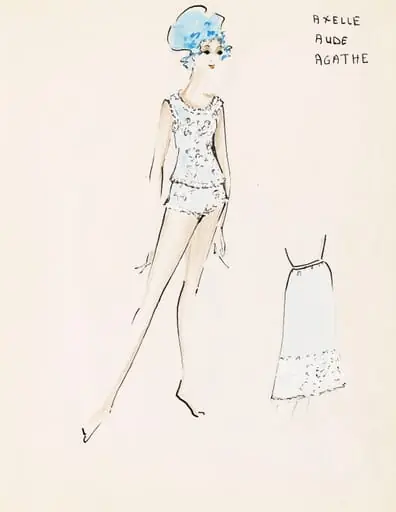
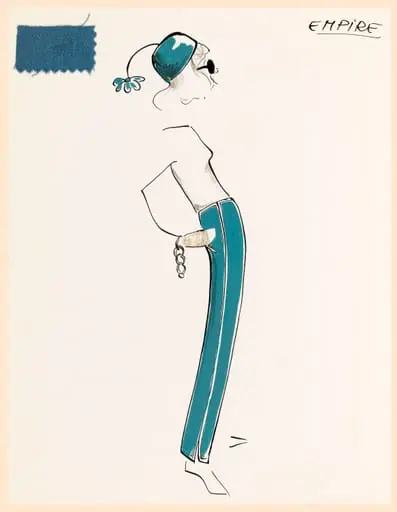
'Manuscrit' is a drawing by Carven. It dates from 1949 and is held in the collection of the Palais Galliera - Musée de la Mode de la Ville de Paris.
About this work
Overview
Created in 1949 by the designer Carven, 'Manuscrit' is a pencil-and-ink sketch on paper, currently held in the collection of the Museum of Ethnography.
Created in 1949 by the designer Carven, 'Manuscrit' is a pencil-and-ink sketch on paper, currently held in the collection of the Museum of Ethnography. Though labeled as an image, it functions as a fashion study—neither a finished garment nor a commercial illustration, but a spontaneous record of form and motion. Its informal quality suggests it was made in the artist’s studio, likely as a preparatory exercise.
Subject & Meaning
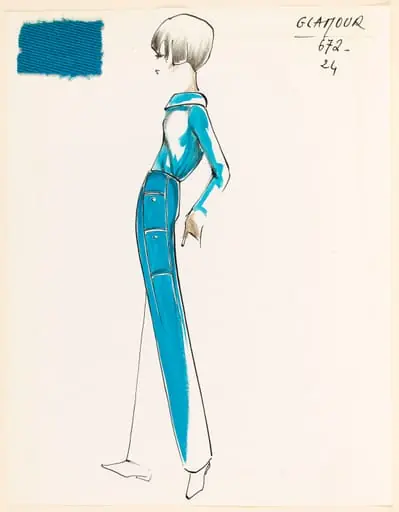
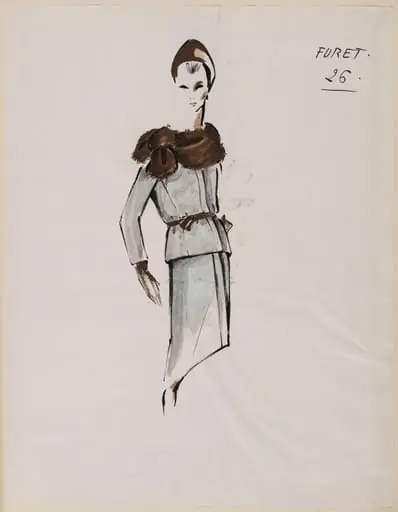
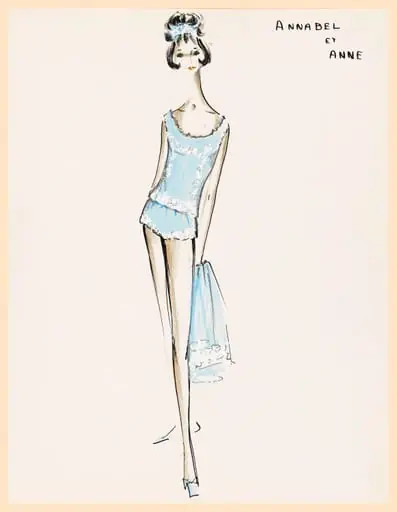
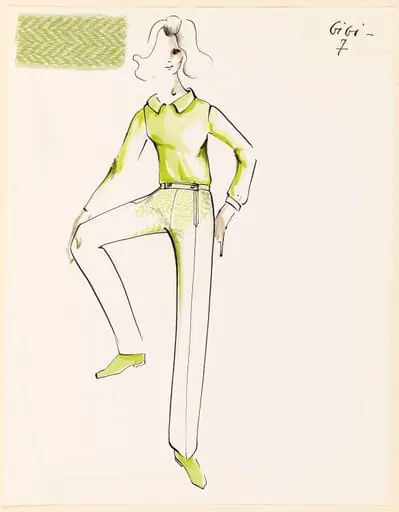
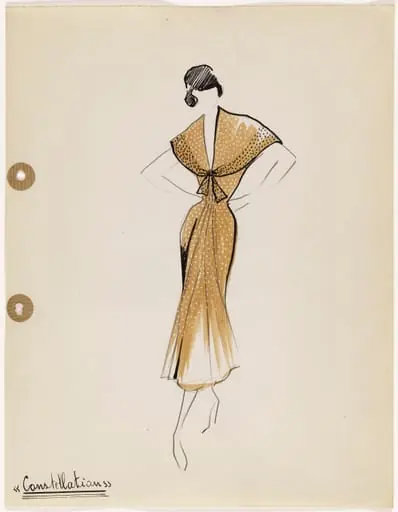
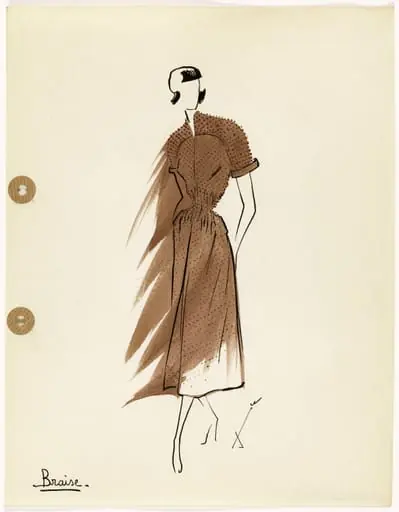
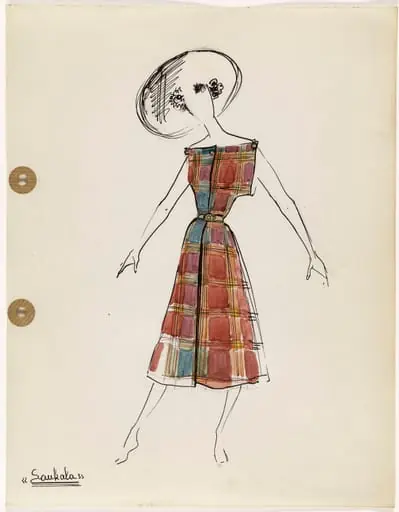
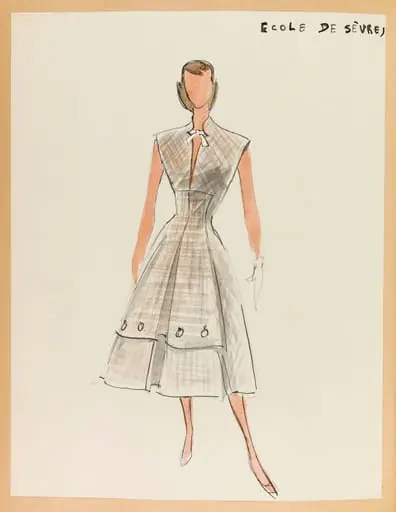
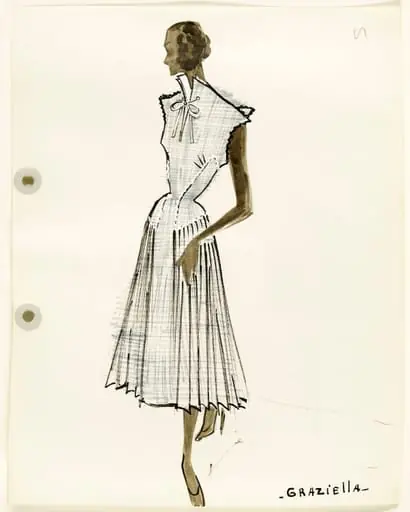
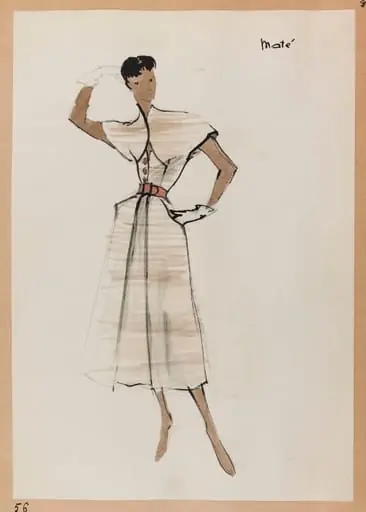
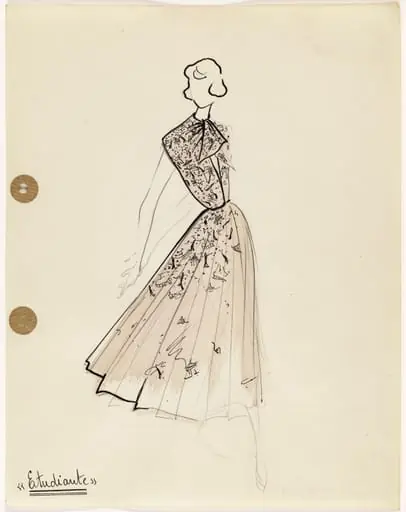
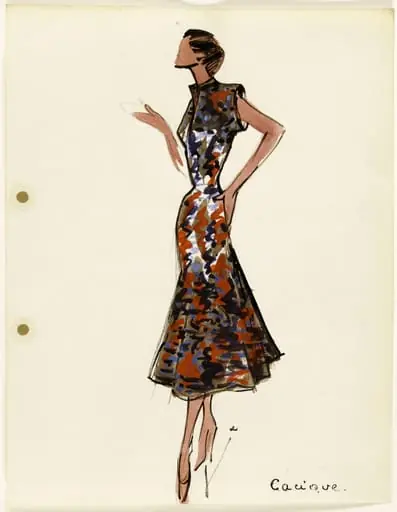
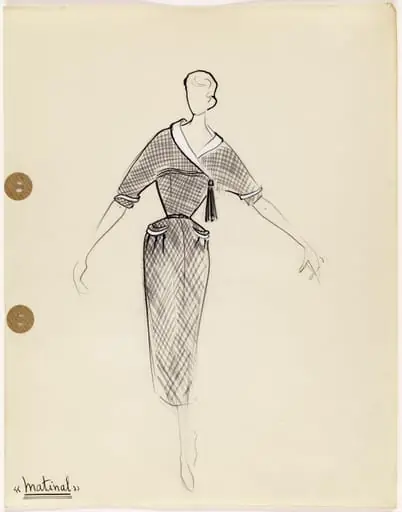
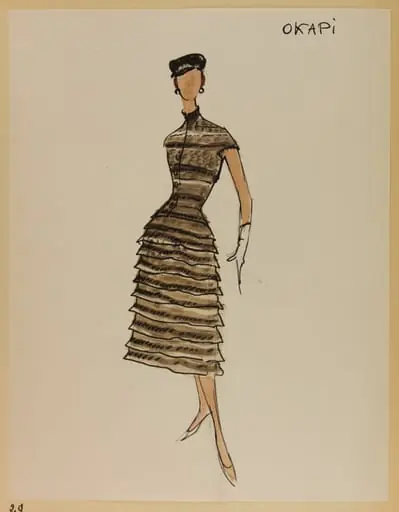
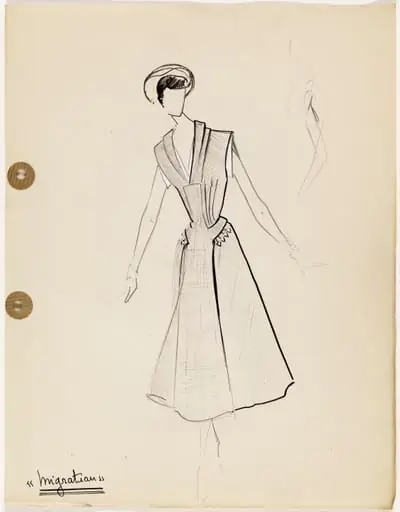
The figure depicts a woman in a flowing dress with a high waist and full skirt, rendered with minimal detail but clear emphasis on silhouette and rhythm. The loose bow at the waist and neatly pinned hair reflect mid-century feminine ideals, while the absence of facial features universalizes the figure. The work captures an idealized movement rather than a specific individual, suggesting an interest in the dynamics of dress in motion.
Technique & Style
Executed with swift, confident lines, the drawing prioritizes gesture over precision. Bold black contours define the dress’s volume, while soft washes of pink, blue, and white suggest pattern without rendering texture. The brushwork is fluid and uncorrected, conveying immediacy. Details like the belt or hair are simplified to essential shapes, reinforcing the focus on overall form and flow rather than ornamentation.
History & Provenance
The sketch entered the Museum of Ethnography’s collection in the late 20th century as part of a broader acquisition of fashion-related ephemera. Its origin as a personal studio piece by Carven is documented in archival notes, though its exact provenance prior to institutional acquisition remains unclear. It has been exhibited intermittently in shows exploring the intersection of fashion and drawing.
Context
In postwar France, fashion designers often used quick sketches to explore new silhouettes before construction. Carven, known for her elegant, wearable designs, frequently employed this method to capture the fluidity of fabric. 'Manuscrit' aligns with contemporaneous practices among Parisian couturiers who treated drawing as both a creative and analytical tool, bridging art and industry.
Legacy
The sketch remains a quiet example of how fashion design was conceptualized outside the public eye. It offers insight into the iterative process behind garments that later appeared in collections. While not widely reproduced, it contributes to scholarly understanding of mid-century design methodology, particularly the role of spontaneity in shaping aesthetic outcomes.
Artist & collection
Artist
These delicate ink-on-paper drawings capture the quiet poetry of everyday things: pinecones, reeds, apples.
Museum
Palais Galliera - Musée de la Mode de la Ville de Paris
Continue through works from the same source collection.