Artwork
Michigan
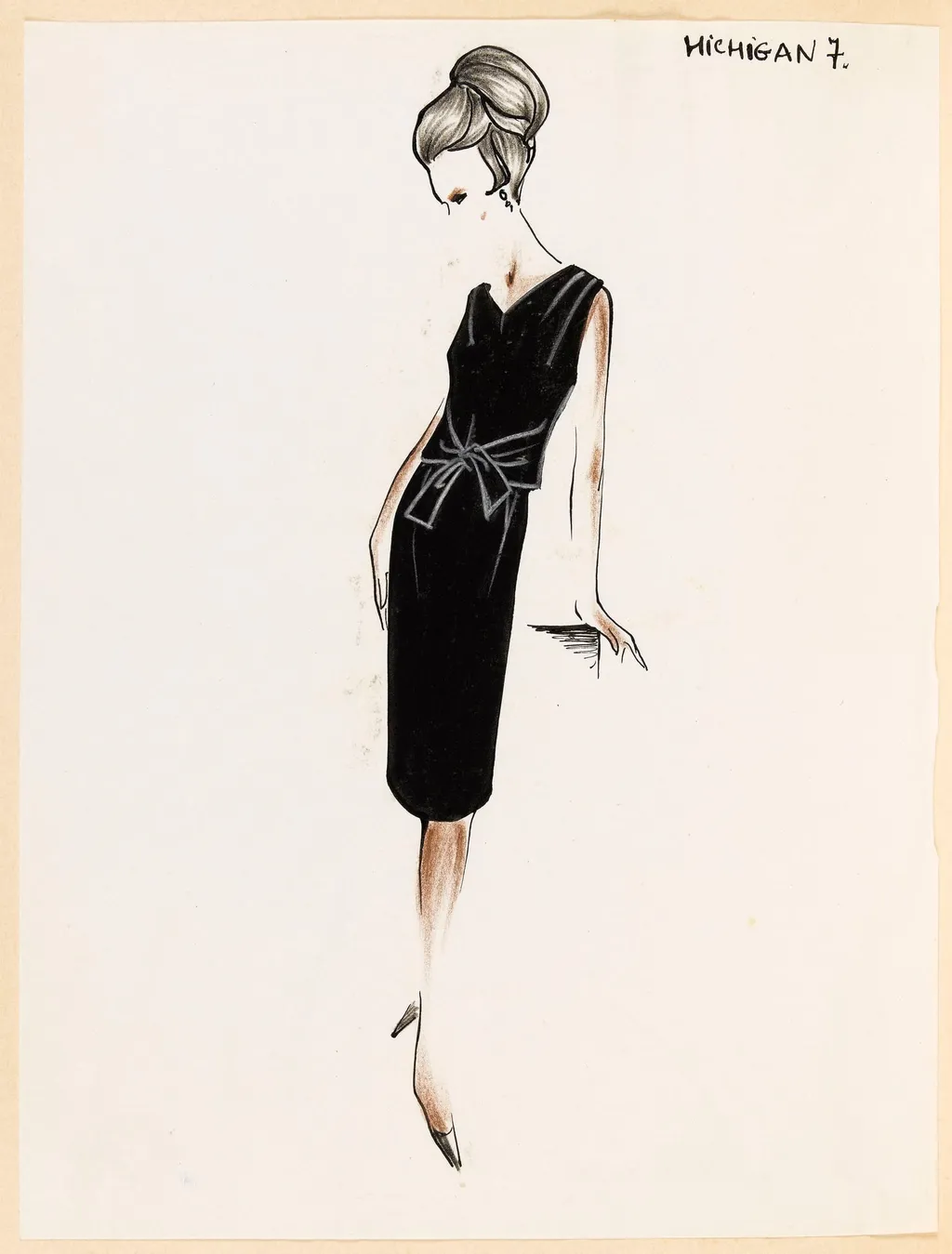
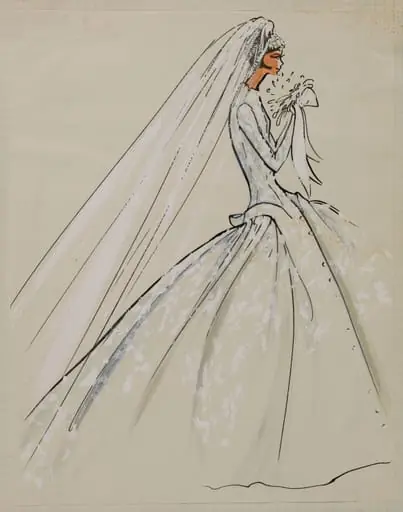
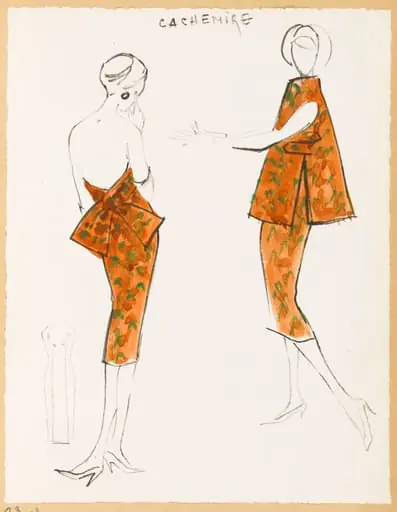
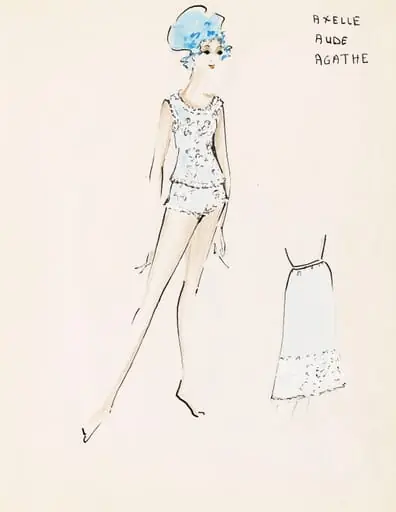
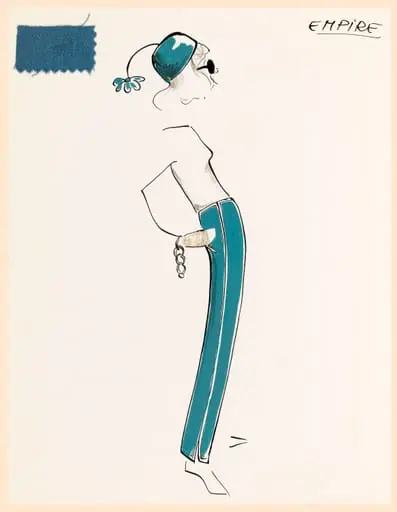
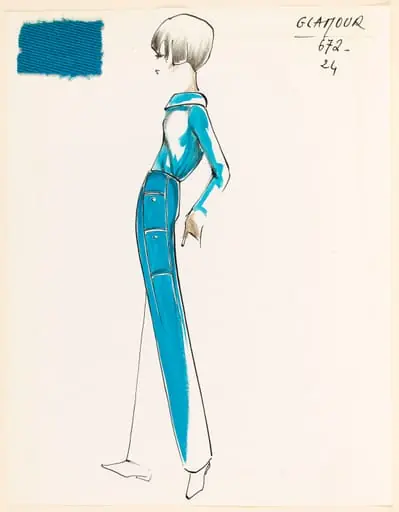
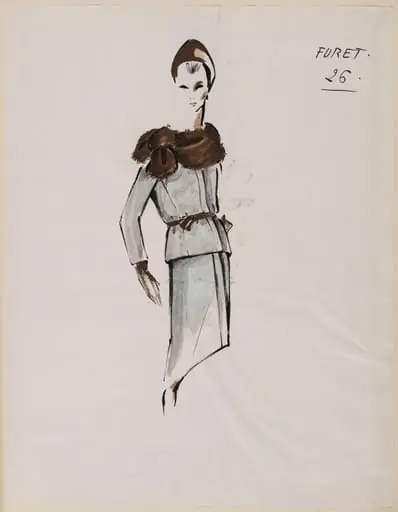
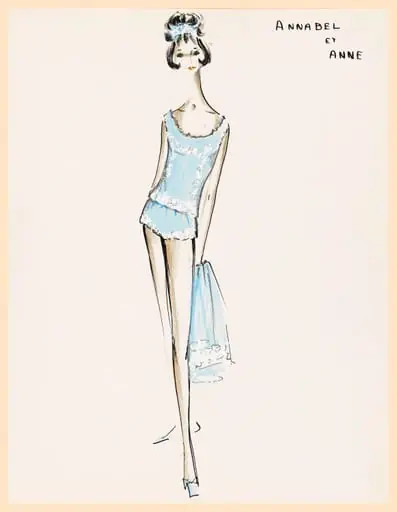
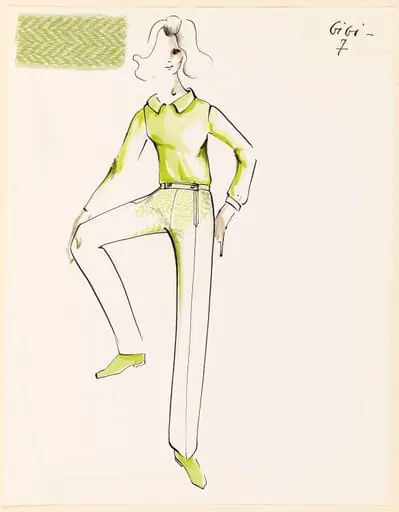
Michigan is a drawing by Carven. It dates from 1962 and is held in the collection of the Palais Galliera - Musée de la Mode de la Ville de Paris.
About this work
Overview
The work’s immediacy suggests a spontaneous study, likely made from life or memory, rather than a formal commission.
Created around 1962, this drawing by Carven is part of the Museum of Ethnography’s collection. Executed in ink or graphite, it captures a single figure with minimal background, emphasizing form and movement. The work’s immediacy suggests a spontaneous study, likely made from life or memory, rather than a formal commission. Its focus on attire and posture aligns with fashion documentation practices of the era.
Subject & Meaning
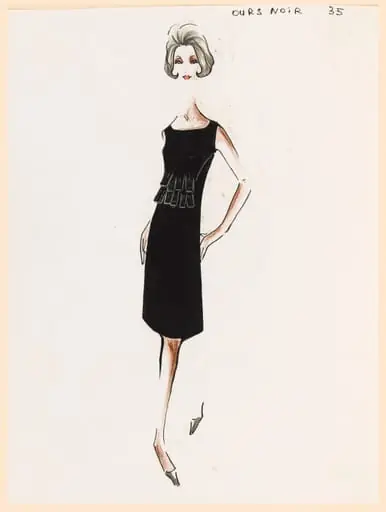
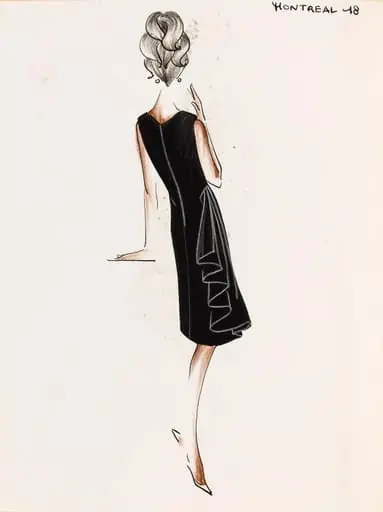
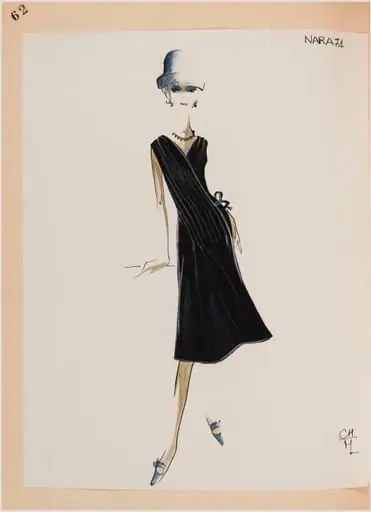
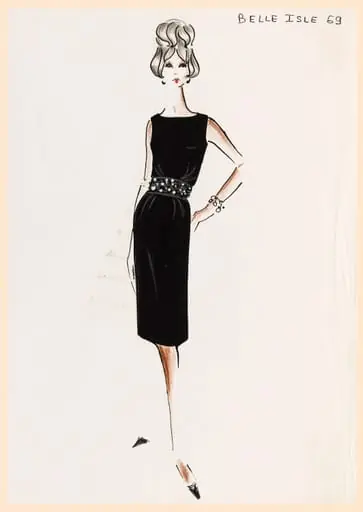
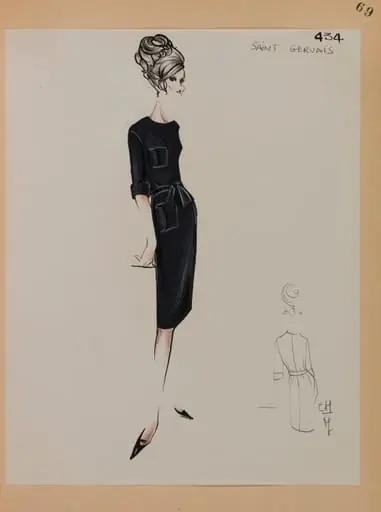
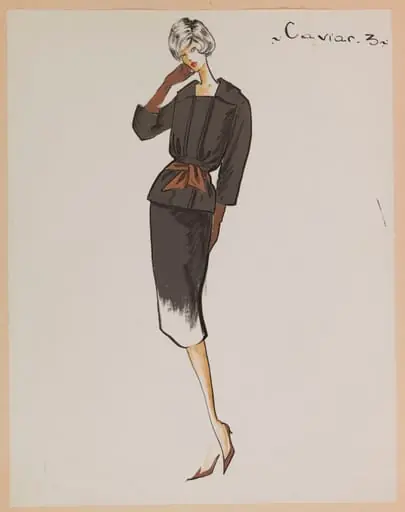
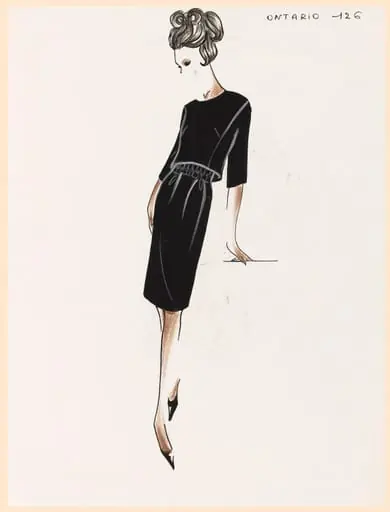
The figure is a woman dressed in a plain black dress with a V-neck and waist tie, her hair neatly secured and footwear pointed. No facial features are rendered, and the absence of context removes narrative specificity. The image functions as an archetype of mid-century feminine attire, reflecting contemporary ideals of modesty and streamlined elegance without personal identification.
Technique & Style
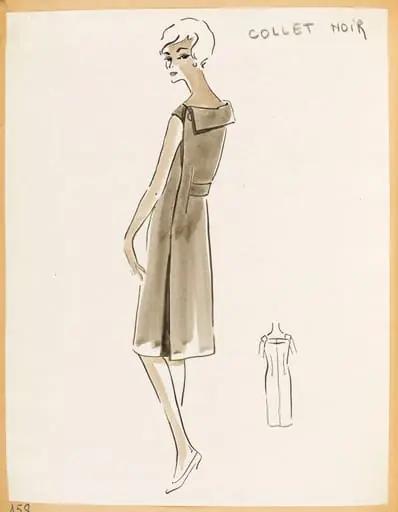
The drawing employs loose, assured lines that define silhouette over detail. Shading is absent; contrast arises solely from the dark dress against an unworked surface. The brush or pen strokes are swift, suggesting rapid execution. This approach prioritizes rhythm and structure, echoing fashion illustration techniques rather than traditional portraiture, where expression and environment are secondary to garment form.
History & Provenance
The work entered the Museum of Ethnography’s holdings after being acquired from the artist’s estate or a private collection in the late 20th century. Its classification within an ethnographic institution suggests interest in clothing as cultural artifact rather than fine art. No exhibition history or documentation of its creation is publicly recorded, leaving its original purpose speculative.
Context
In the early 1960s, fashion sketching was a common practice among designers and illustrators, serving as both creative exercise and commercial tool. Carven’s work aligns with this trend, though its inclusion in an ethnographic museum implies a shift toward viewing everyday dress as culturally significant. The drawing reflects postwar European aesthetics, where simplicity and tailoring dominated women’s fashion.
Legacy
Though not widely published or exhibited, the drawing contributes to a broader archive of mid-century fashion studies held in ethnographic collections. It exemplifies how informal, functional drawings by lesser-known artists can offer insight into daily life and style norms. Its preservation underscores the museum’s interest in vernacular visual culture beyond high art traditions.
Artist & collection
Artist
These delicate ink-on-paper drawings capture the quiet poetry of everyday things: pinecones, reeds, apples.
Museum
Palais Galliera - Musée de la Mode de la Ville de Paris
Continue through works from the same source collection.