Artwork
Belle isle
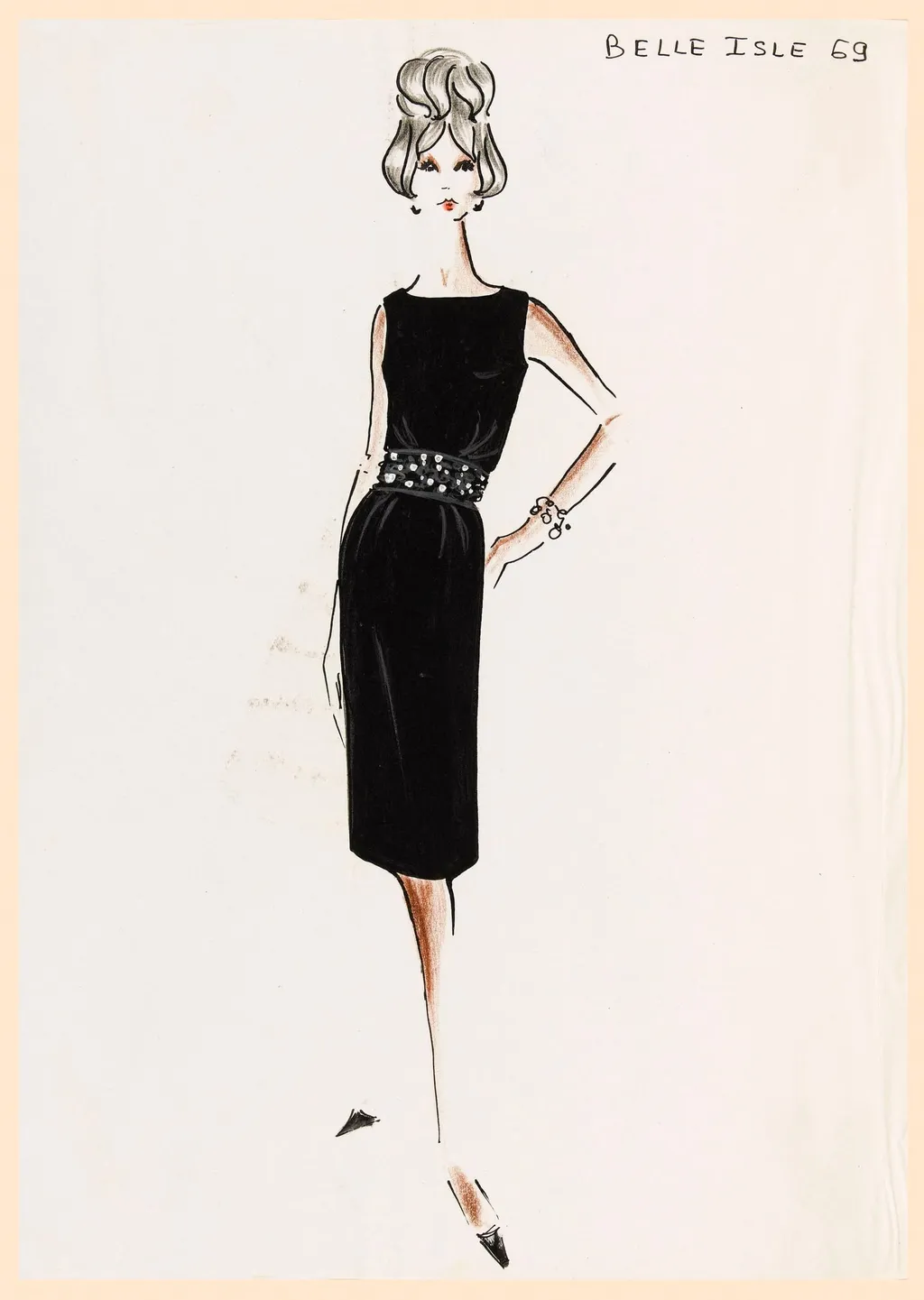
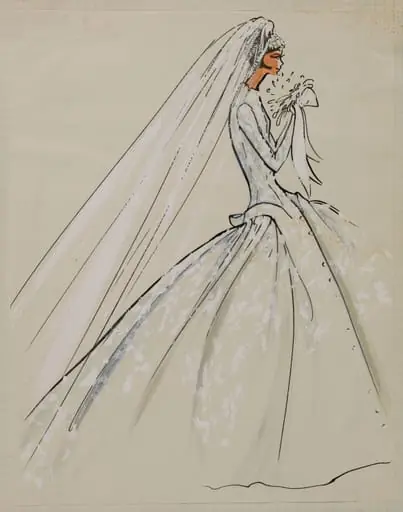
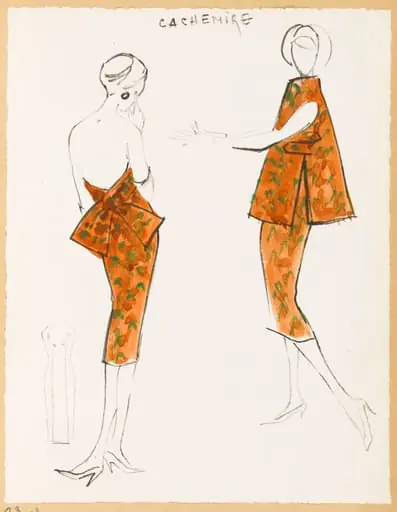
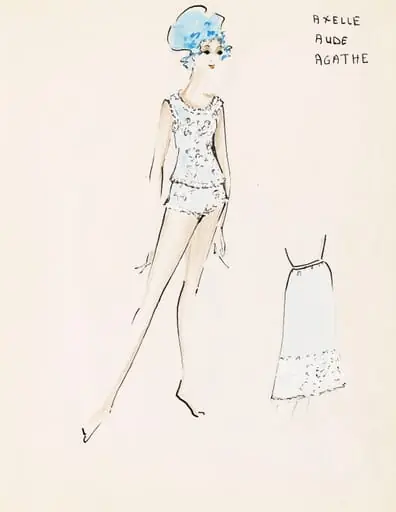
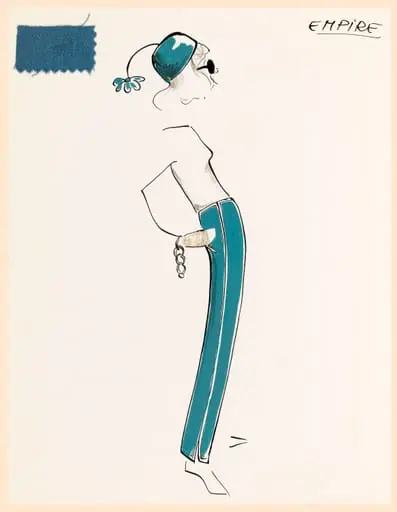
Belle isle is a drawing by Carven. It dates from 1962 and is held in the collection of the Palais Galliera - Musée de la Mode de la Ville de Paris.
About this work
Overview
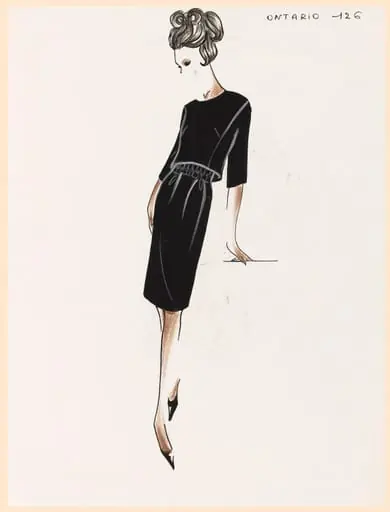
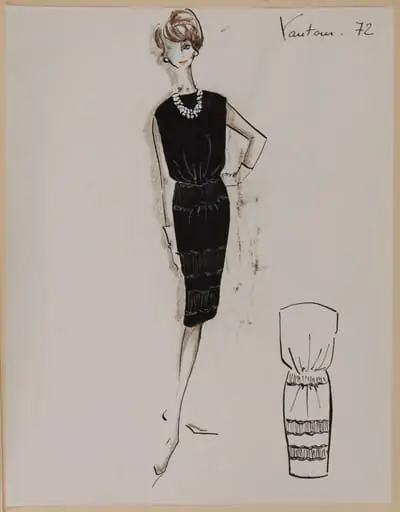
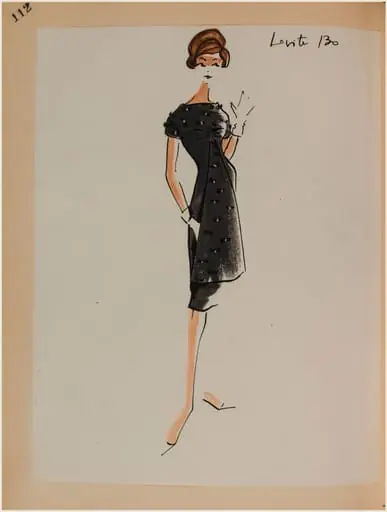
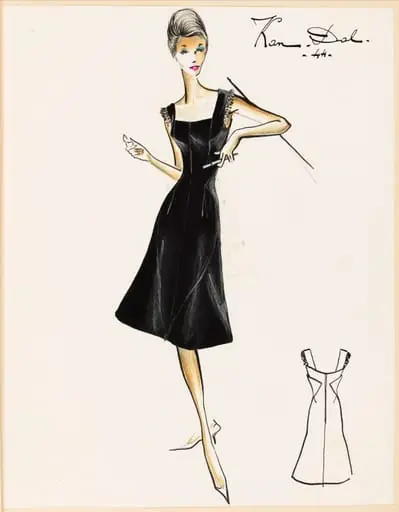
Created around 1962 by the designer Carven, this ink sketch depicts a woman in a refined mid-century ensemble. The work resides in the Museum of Ethnography, where it is cataloged as a study in fashion form rather than a finished illustration. Its minimal line work captures movement and silhouette without detail, suggesting it was made as a quick record of a design idea or personal observation.
Subject & Meaning
The title, *Belle Isle*, remains unexplained, offering no narrative clue—perhaps referencing a place, a mood, or an internal reference known only to the artist.
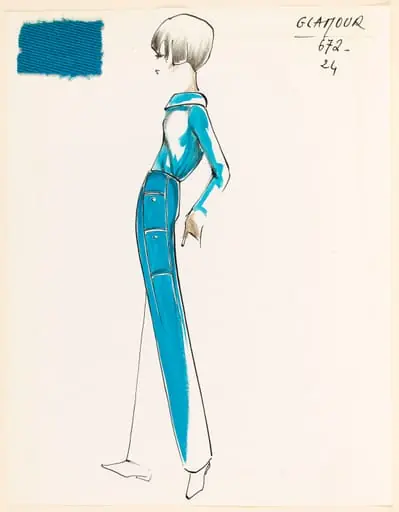
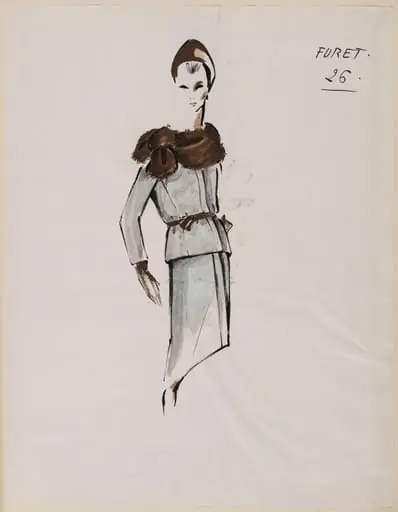
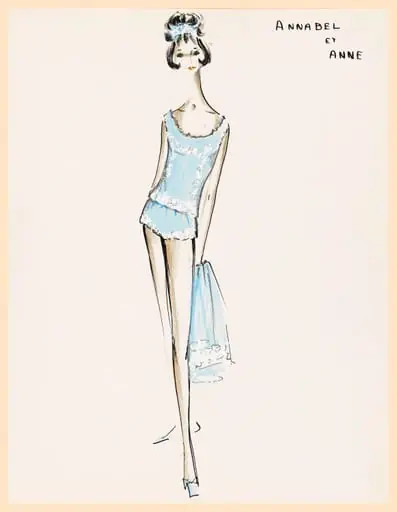
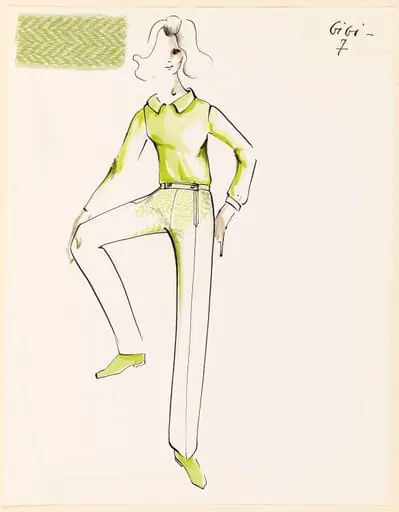
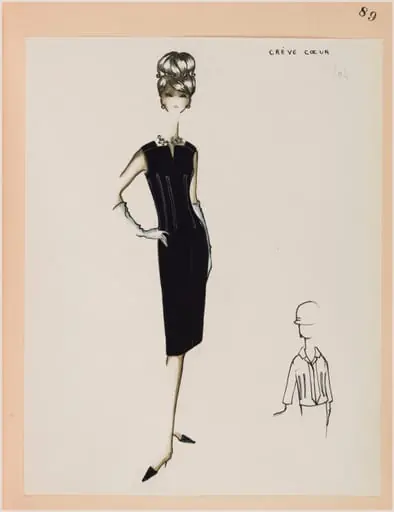
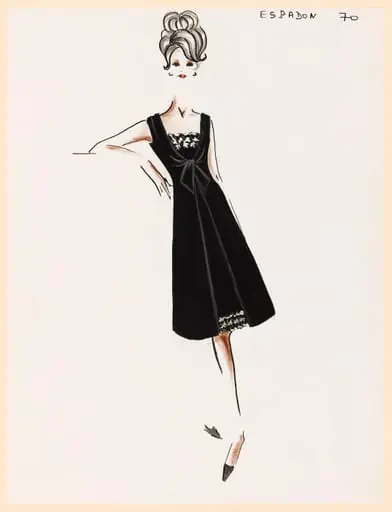
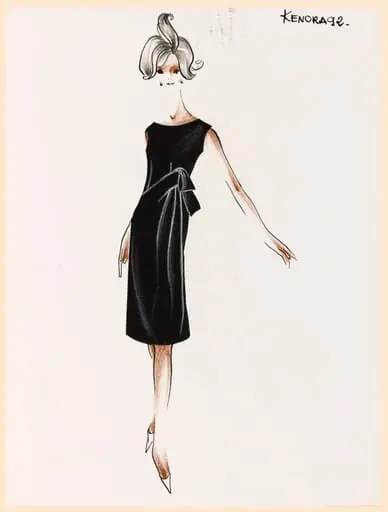
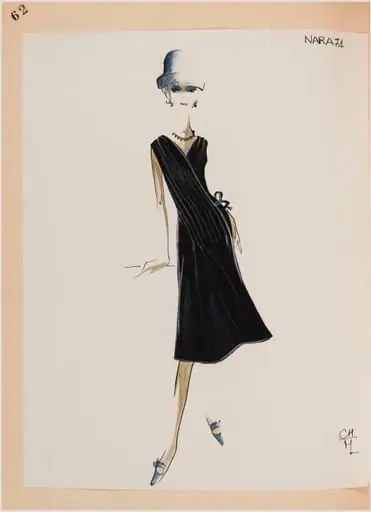
The figure is rendered as an archetype of urban elegance: a woman in a tailored black dress, wide belt, and pointed heels, holding a cigarette holder with casual poise. The absence of facial features or setting shifts focus to clothing as expression. The title, *Belle Isle*, remains unexplained, offering no narrative clue—perhaps referencing a place, a mood, or an internal reference known only to the artist.
Technique & Style
Executed with swift, fluid ink lines, the drawing emphasizes contour and rhythm over precision. The bodice and flared skirt are suggested with minimal strokes, while the beaded buckle and updo are hinted at with subtle accents. The looseness of the hand conveys confidence and immediacy, aligning with fashion sketch traditions that prioritize impression over finish.
History & Provenance
The work entered the Museum of Ethnography’s collection as part of a broader archive of mid-century fashion studies. Its origin as a personal sketch by Carven is documented, but no record exists of its initial purpose or exhibition history. It was likely retained by the designer or studio before being acquired by the institution for its cultural insight into postwar style.
Context
In the early 1960s, Parisian fashion houses increasingly documented designs through rapid sketches, blending artistry with commercial practice. Carven, known for wearable elegance, produced such studies to refine silhouettes before production. This piece reflects a moment when fashion illustration straddled the line between private thought and public design.
Legacy
Though not widely published or reproduced, the sketch contributes to understanding how fashion designers translated aesthetic ideals into visual language. Its presence in an ethnographic museum underscores its value as a cultural artifact—not as high art, but as a tangible trace of everyday design thinking in mid-century Europe.
Artist & collection
Artist
These delicate ink-on-paper drawings capture the quiet poetry of everyday things: pinecones, reeds, apples.
Museum
Palais Galliera - Musée de la Mode de la Ville de Paris
Continue through works from the same source collection.