Artwork
Ming
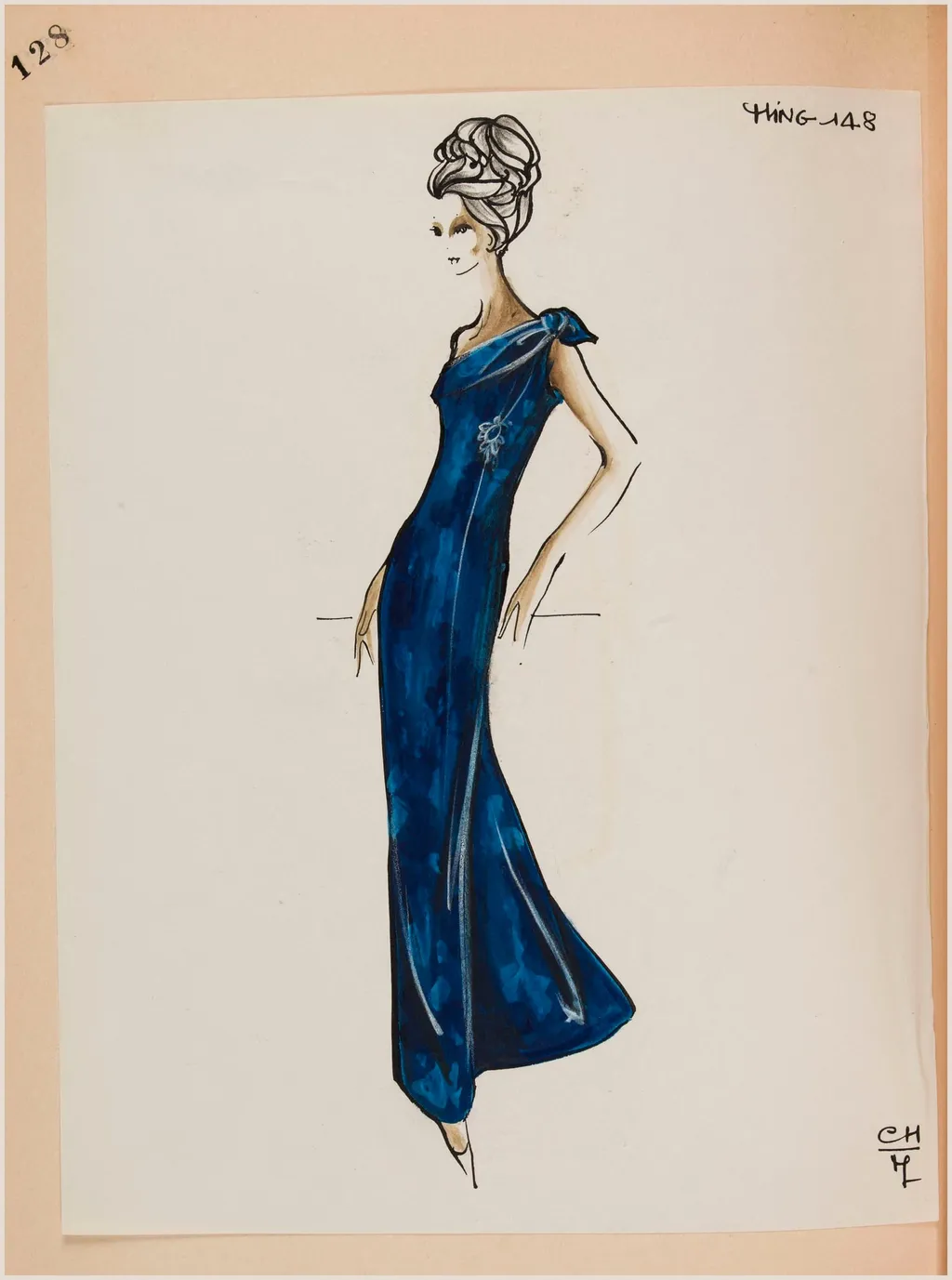
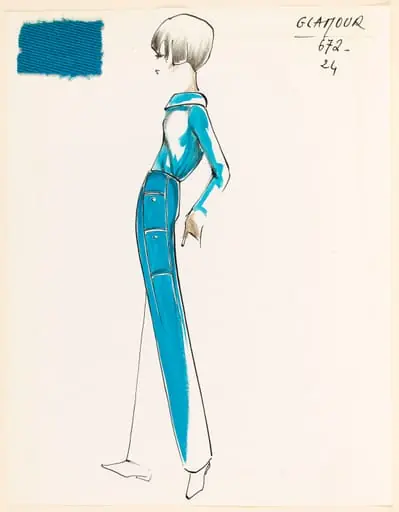
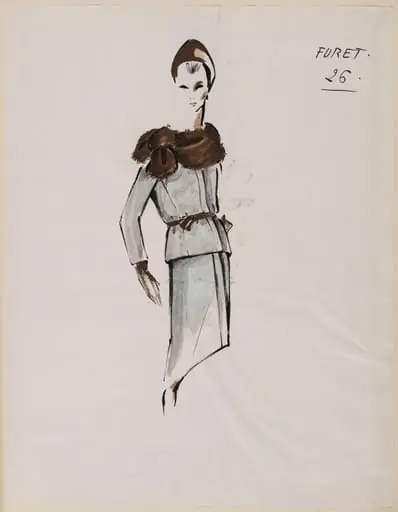
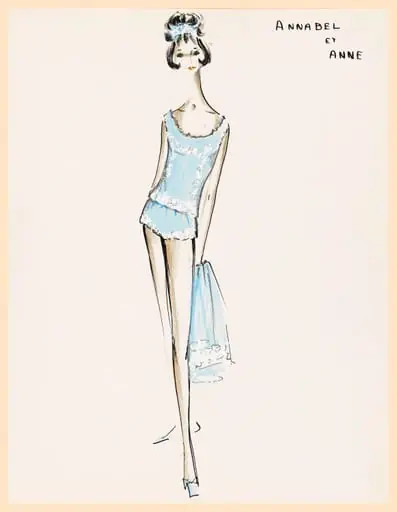
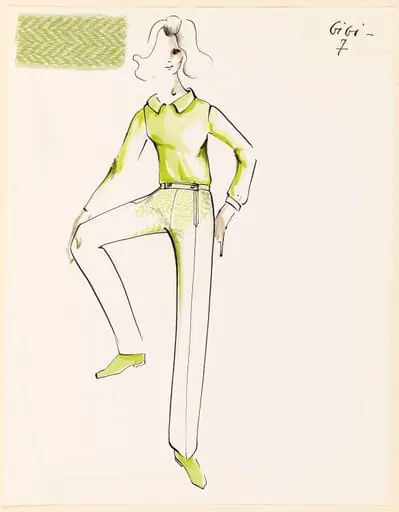
Ming is a drawing by Carven. It dates from 1963 and is held in the collection of the Palais Galliera - Musée de la Mode de la Ville de Paris.
About this work
Overview
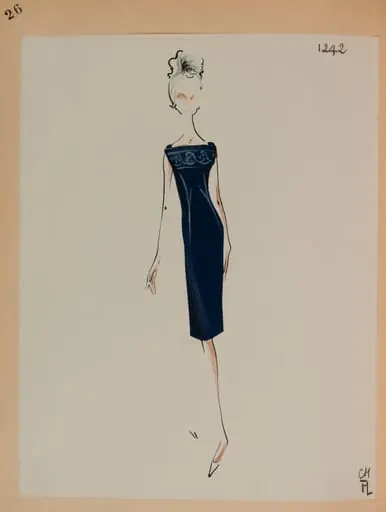
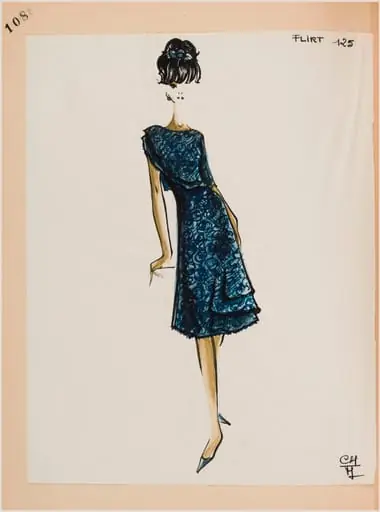
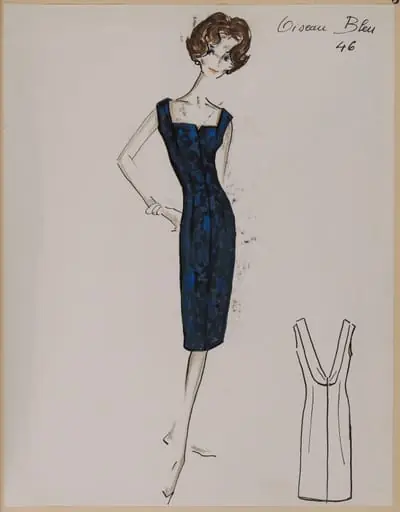
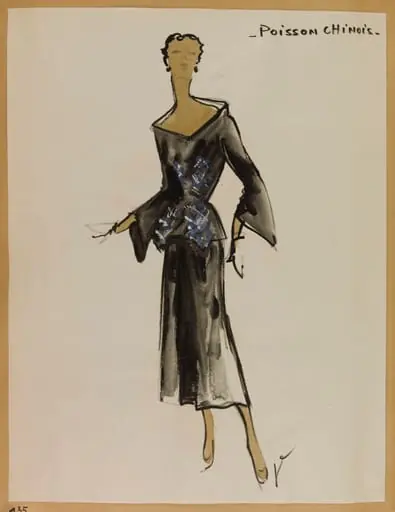
The composition suggests a preparatory study for fashion design, capturing posture and garment detail rather than full realism.
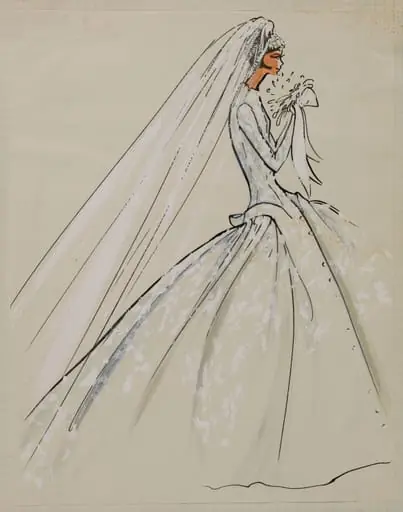
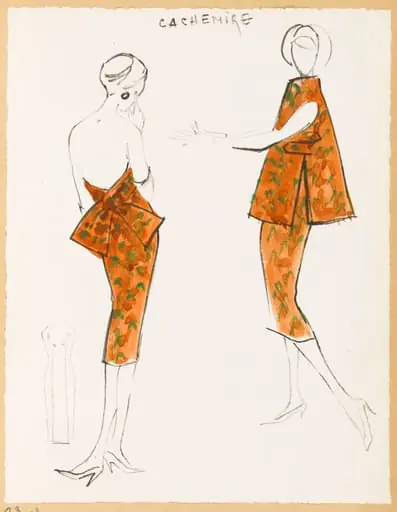
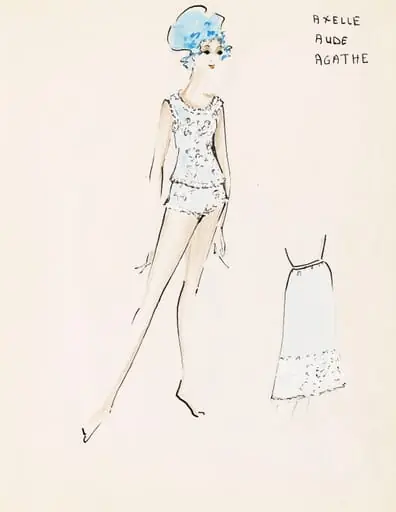
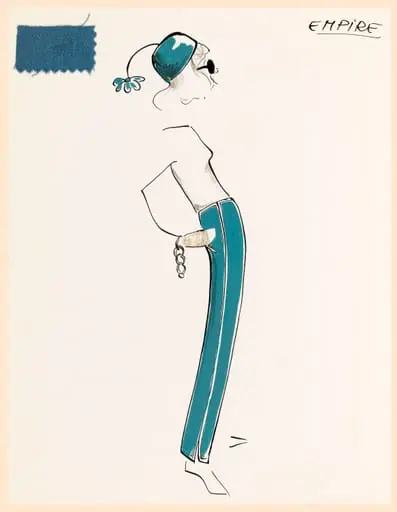
Created in 1963 by the designer Carven, this drawing is part of the Museum of Ethnography's collection. It presents a stylized portrait of a woman in a tailored dress, rendered with delicate linework and muted tones. The composition suggests a preparatory study for fashion design, capturing posture and garment detail rather than full realism. Inscriptions in the upper corners may indicate cataloging or production notes.
Subject & Meaning
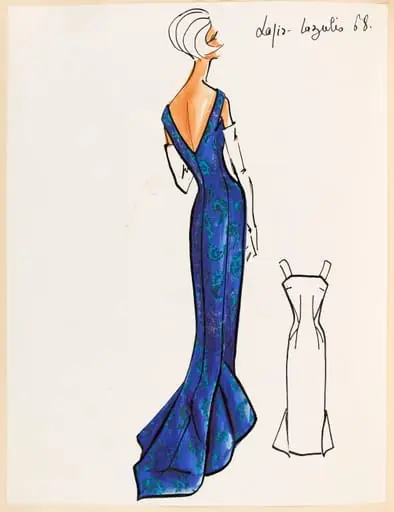
The figure is depicted in a poised, quiet stance, facing left with one hand on the hip, suggesting self-assurance. The floral embroidery on the chest and the V-neckline reflect mid-century French fashion sensibilities, emphasizing elegance without ornamentation. The absence of facial detail shifts focus to the garment and posture, reinforcing the drawing’s function as a design reference rather than a portrait.
Technique & Style
Executed in pencil or ink on paper, the drawing employs fine, controlled lines to define the dress’s contours and floral pattern. The background is left plain, enhancing the figure’s clarity. The shading is minimal, relying on outline and subtle tonal variation. This restrained approach aligns with fashion illustration traditions of the era, prioritizing clarity and reproducibility over expressive brushwork.
History & Provenance
The work entered the Museum of Ethnography’s holdings following its creation in 1963, likely as part of a broader collection of fashion-related materials. Its inclusion suggests institutional interest in documenting design practices beyond fine art. No public record of prior ownership or exhibition history is documented, indicating it may have been donated directly by the artist or a related design house.
Context
In the early 1960s, French fashion houses like Carven were refining ready-to-wear lines for a growing middle-class market. This drawing reflects a moment when haute couture techniques were being adapted for mass production. The emphasis on clean lines and modest decoration aligns with postwar aesthetics favoring practicality and understated refinement over theatricality.
Legacy
As a preserved design study, the drawing contributes to the historical record of mid-century fashion development. It offers insight into how designers translated ideas into wearable form, bridging artistic intent and industrial production. Its presence in an ethnographic museum underscores its value as a cultural artifact, documenting everyday aesthetics rather than elite artifice.
Artist & collection
Artist
These delicate ink-on-paper drawings capture the quiet poetry of everyday things: pinecones, reeds, apples.
Museum
Palais Galliera - Musée de la Mode de la Ville de Paris
Continue through works from the same source collection.