Artwork
Mousse
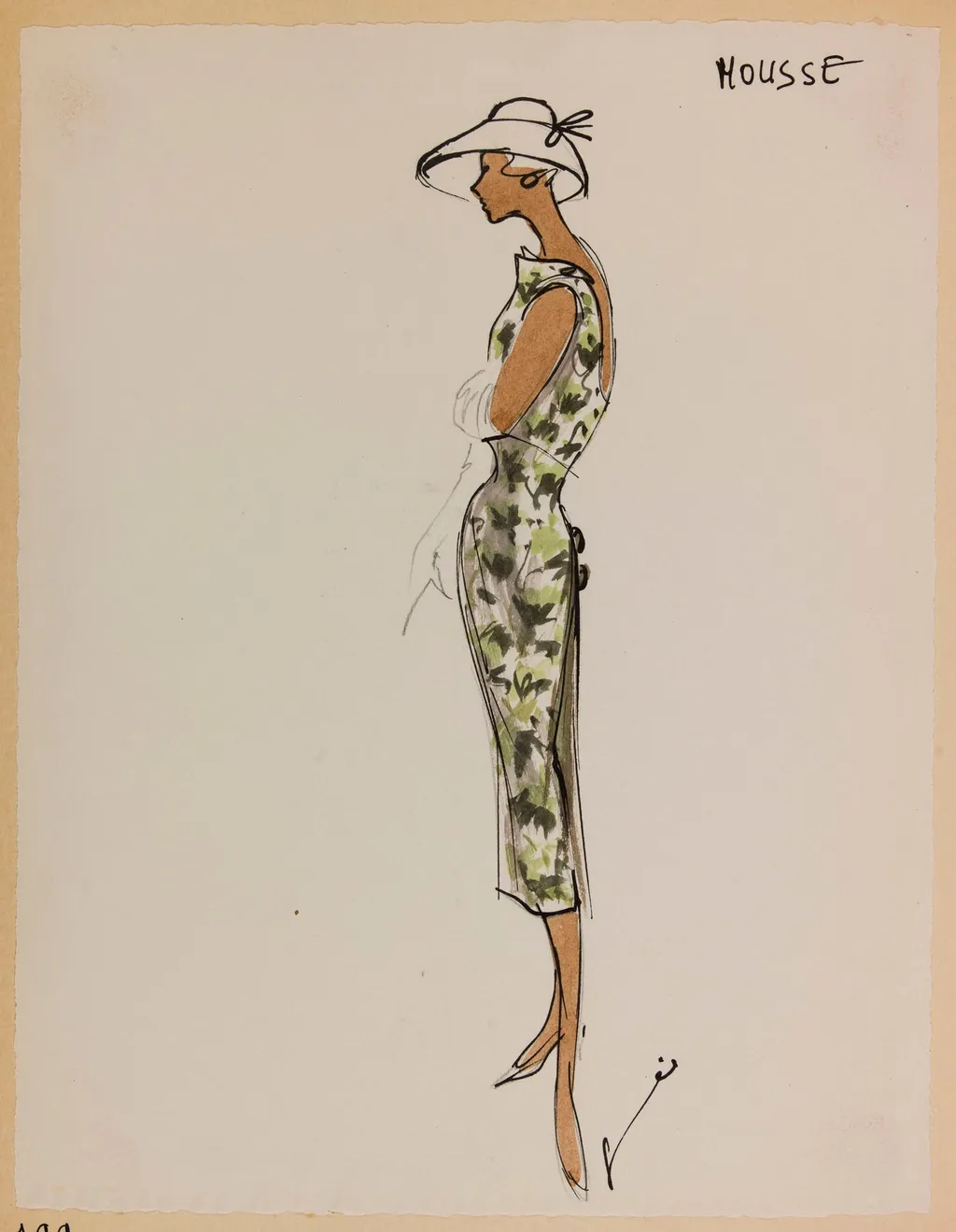
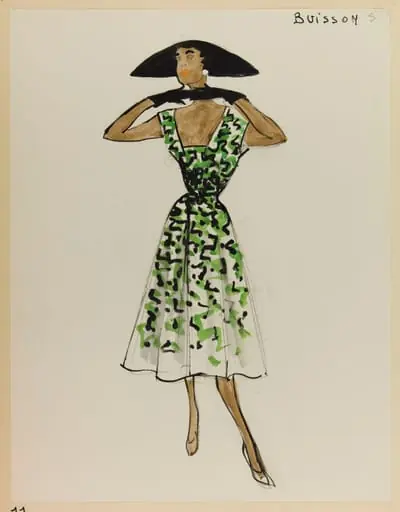
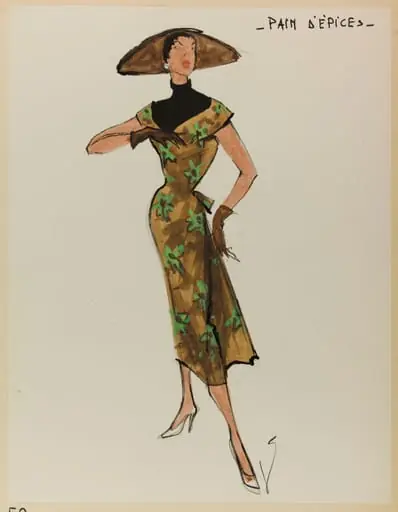
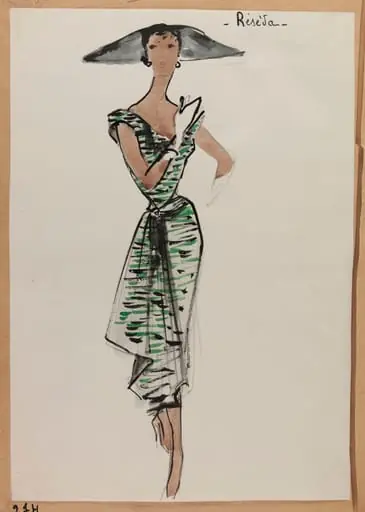
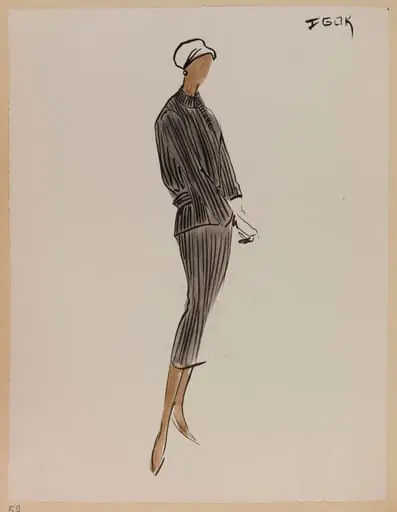
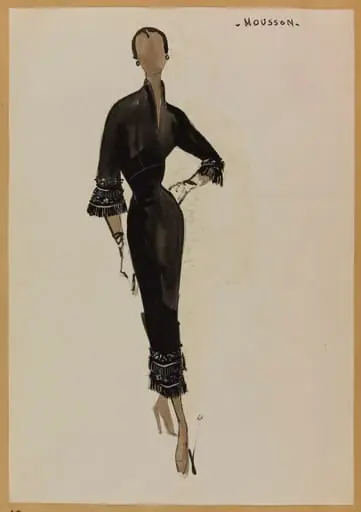
Mousse is a drawing by Carven. It dates from 1956 and is held in the collection of the Palais Galliera - Musée de la Mode de la Ville de Paris.
About this work
Overview
Its intimate scale and spontaneous execution distinguish it from formal portraiture, aligning it more closely with fashion sketches or preparatory studies.
Mousse is a graphite drawing attributed to the designer Carven, dated around 1956. It is part of the collection at the Museum of Ethnography. The work captures a single figure in profile, rendered with fluid, energetic lines that suggest motion rather than rigid form. Its intimate scale and spontaneous execution distinguish it from formal portraiture, aligning it more closely with fashion sketches or preparatory studies.
Subject & Meaning
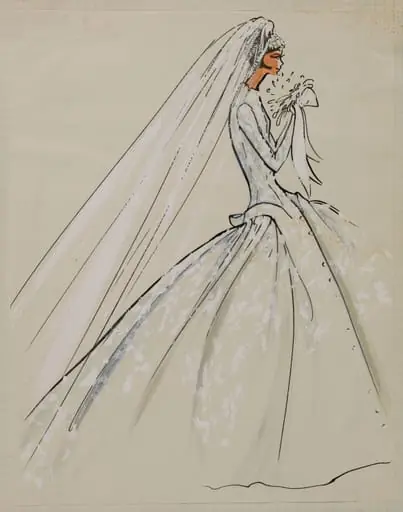
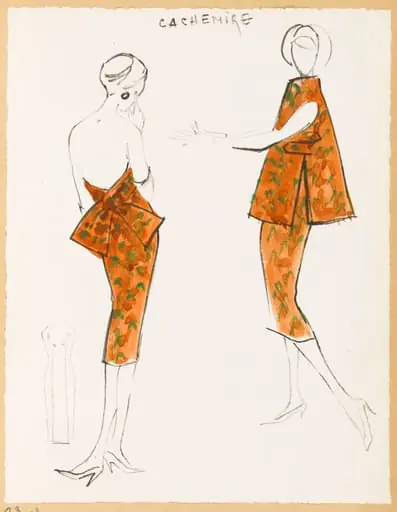
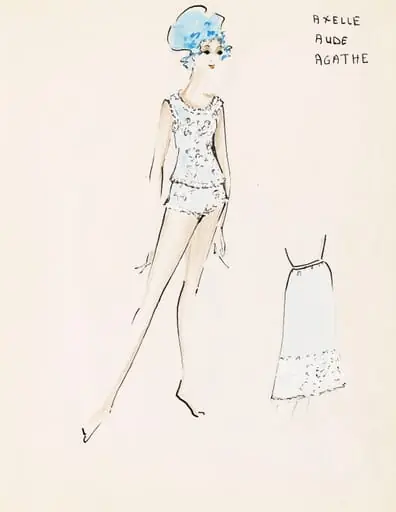
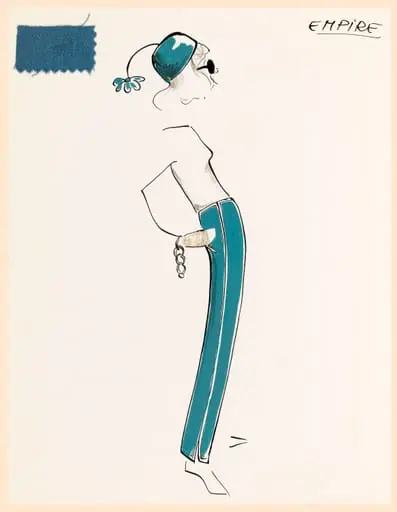
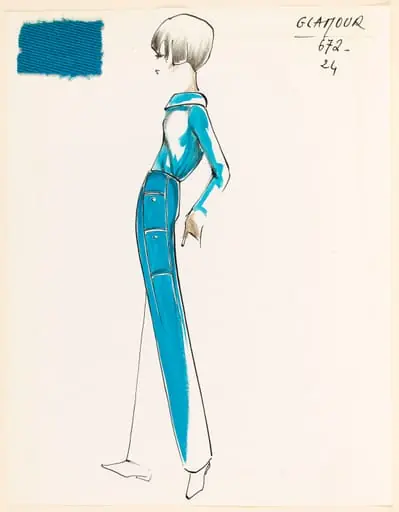
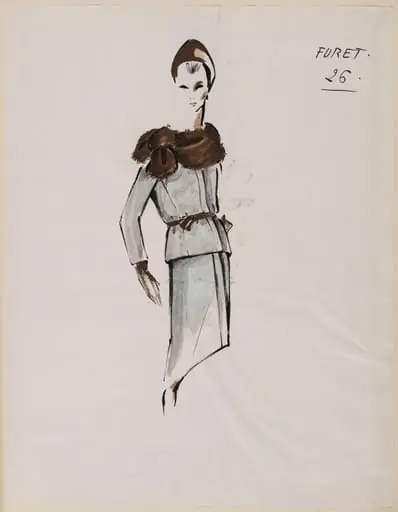
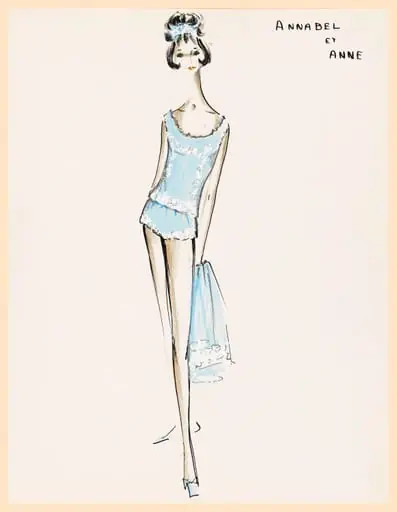
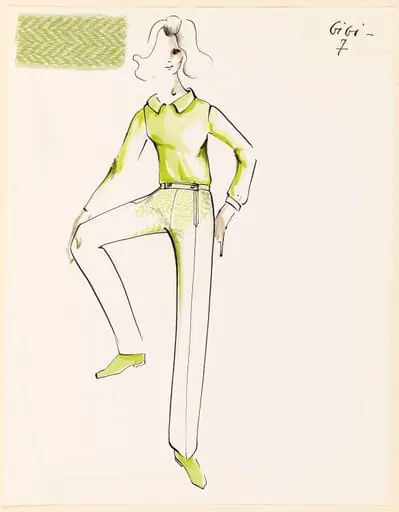
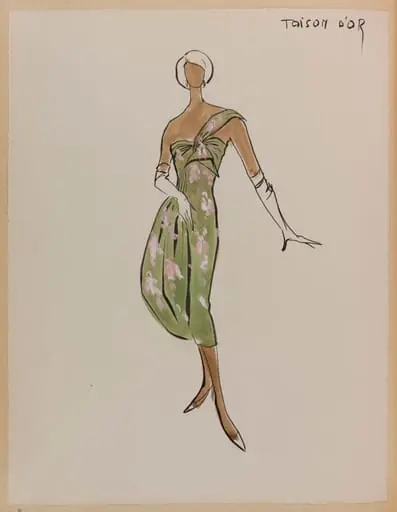
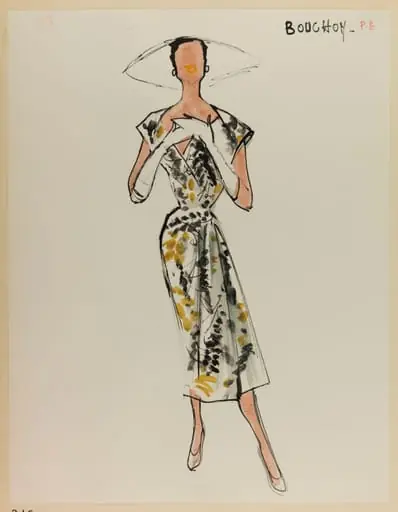
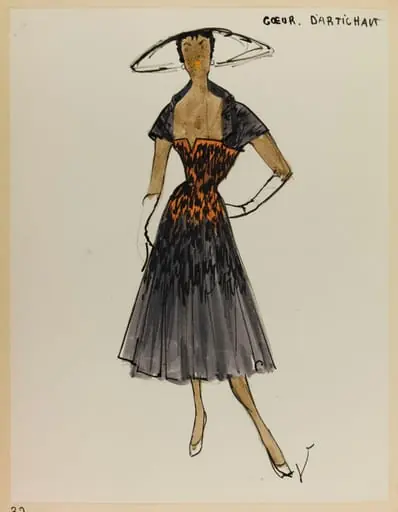
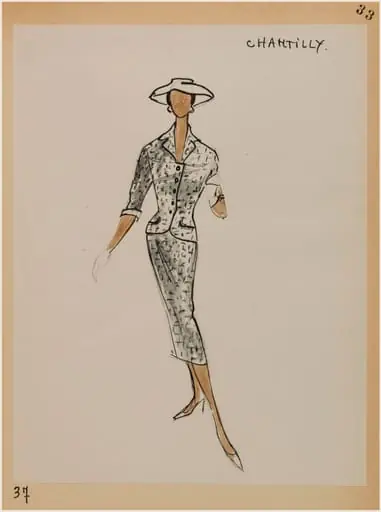
The subject is a woman dressed in a sleeveless floral-patterned dress, a wide-brimmed hat, and high heels, viewed from the side with her gaze slightly turned toward the viewer. The pose suggests a moment of pause or reflection, possibly during a stroll. The attire reflects mid-century Parisian fashion, but the drawing avoids overt narrative, focusing instead on posture and silhouette as expressions of personal style and quiet autonomy.
Technique & Style
Executed in loose, confident strokes, the drawing employs bold contours and minimal shading to define form. Texture is implied through varied line weight and hatching, particularly in the dress’s floral motif and the hat’s brim. The absence of detailed background emphasizes the figure, while the dynamic rhythm of the lines conveys a sense of immediacy, as if captured in real time during a sketching session.
History & Provenance
The drawing entered the Museum of Ethnography’s collection in the late 20th century, likely through acquisition from the Carven fashion house archives. Its origin as a personal or studio sketch is inferred from its informal quality. No documentation confirms its original purpose, but its presence in an ethnographic context suggests interest in fashion as cultural expression rather than high art.
Context
Created in the mid-1950s, Mousse reflects the postwar European fashion scene, where designers like Carven emphasized feminine elegance through tailored yet fluid silhouettes. The drawing aligns with contemporaneous fashion illustrations that prioritized movement and mood over technical precision. Its ethnographic placement hints at broader scholarly efforts to document everyday aesthetics as cultural artifacts.
Legacy
Mousse remains a modest but evocative example of fashion drawing as a bridge between design and personal identity. Though not widely exhibited, it contributes to understanding how designers recorded and internalized the rhythms of daily life. Its preservation in an ethnographic museum underscores a shift toward recognizing fashion as a material culture worthy of scholarly attention.
Artist & collection
Artist
These delicate ink-on-paper drawings capture the quiet poetry of everyday things: pinecones, reeds, apples.
Museum
Palais Galliera - Musée de la Mode de la Ville de Paris
Continue through works from the same source collection.