Artwork
Pôle nord
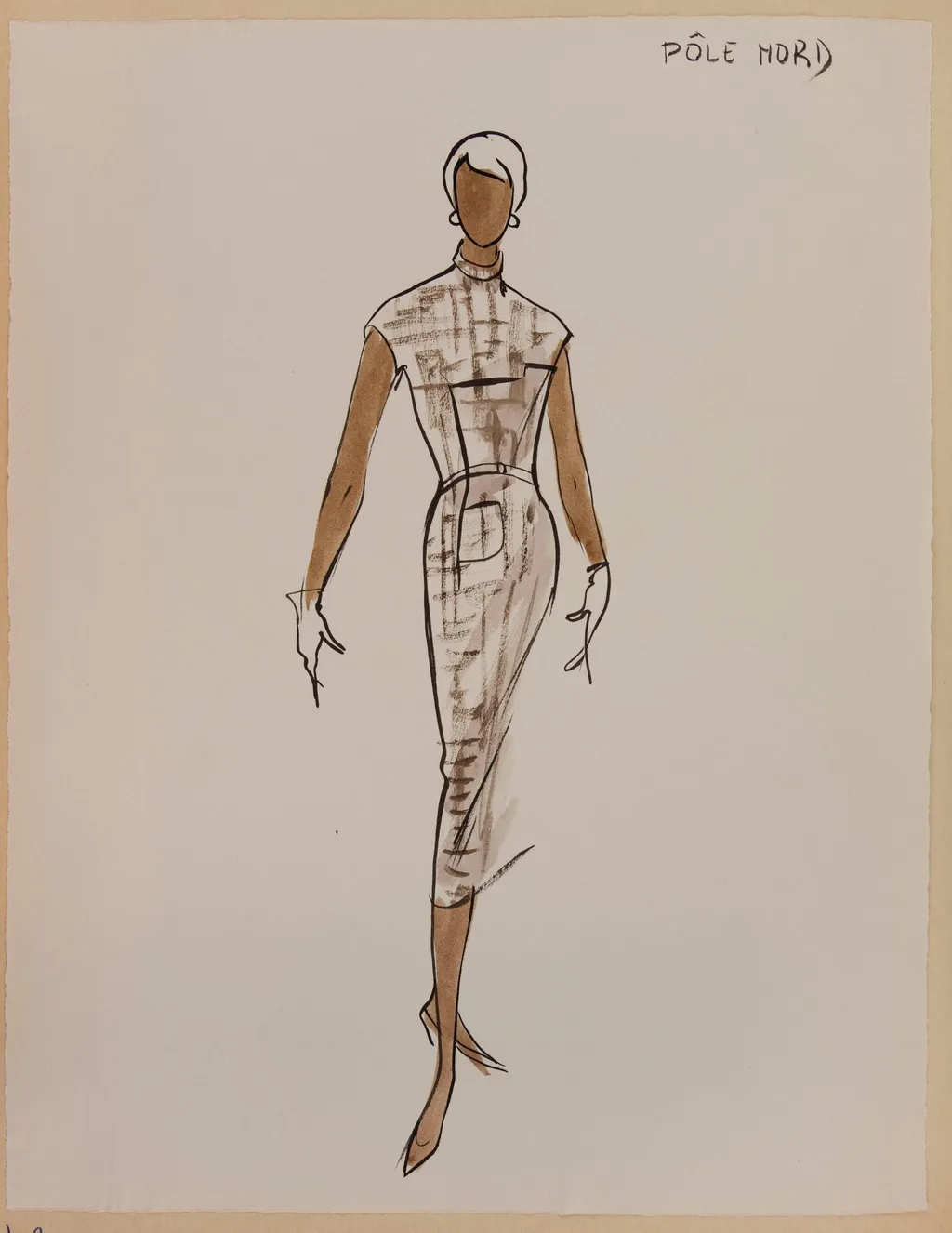
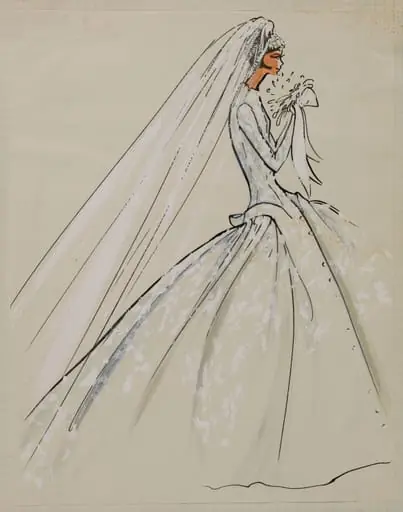
Pôle nord is a drawing by Carven. It dates from 1956 and is held in the collection of the Palais Galliera - Musée de la Mode de la Ville de Paris.
About this work
Overview
It is part of the collection at the Museum of Ethnography, where it is preserved as an artifact of mid-century fashion design rather than fine art.
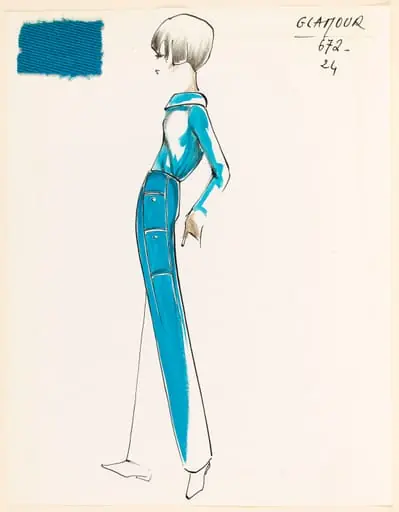
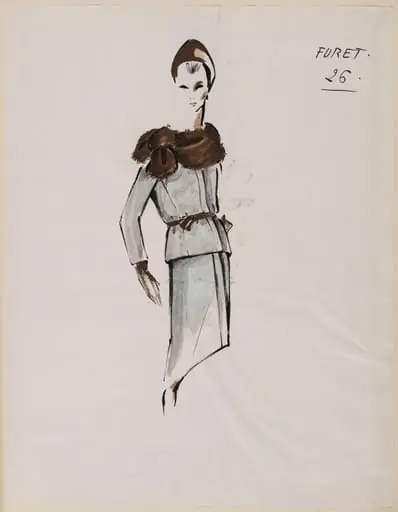
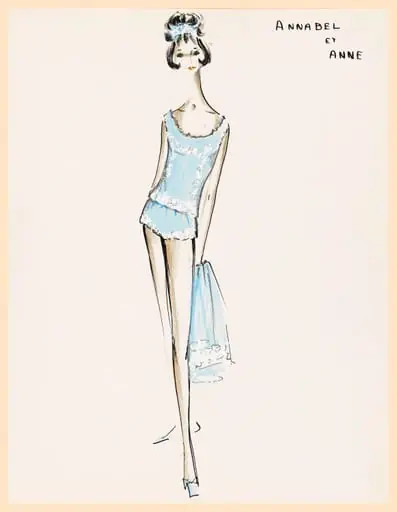
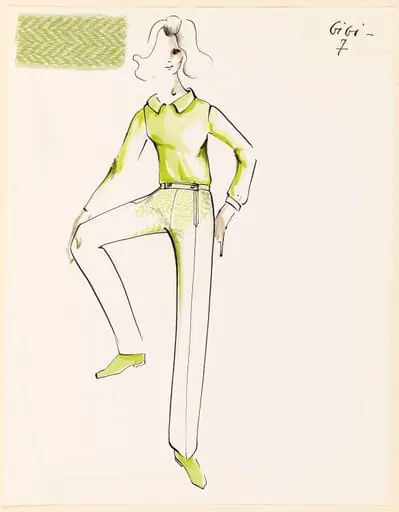
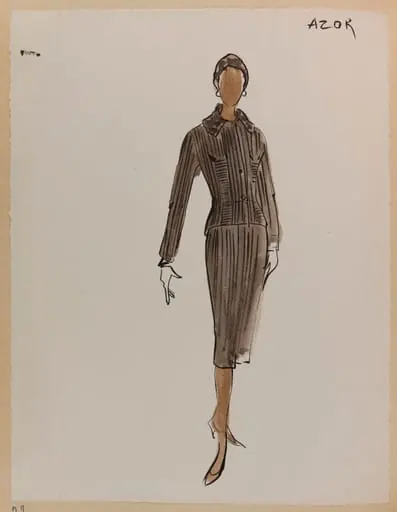
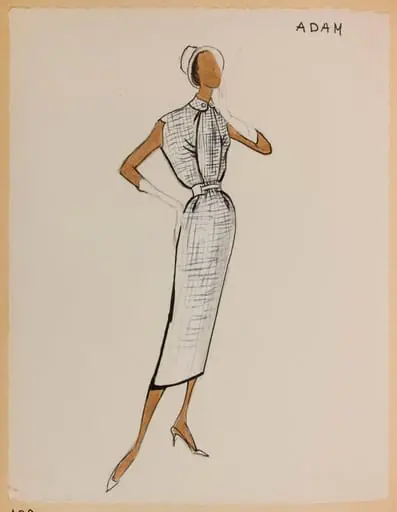
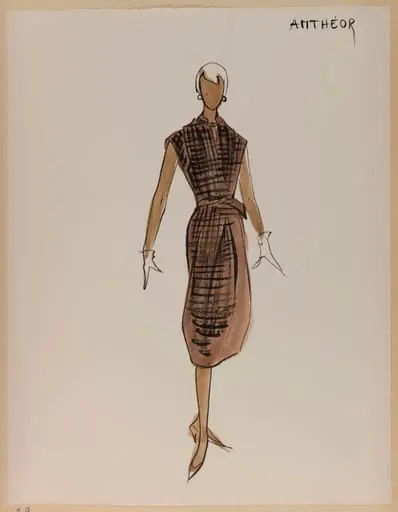
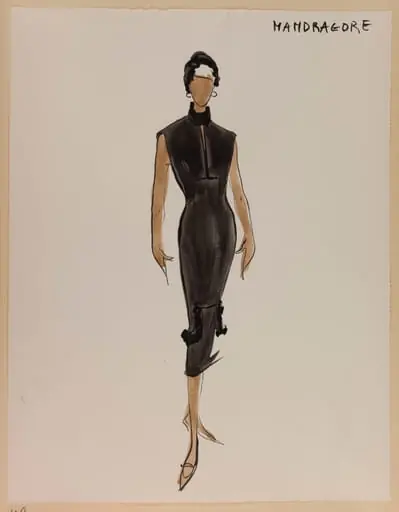
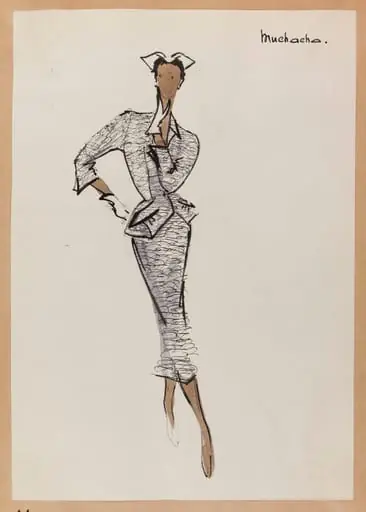
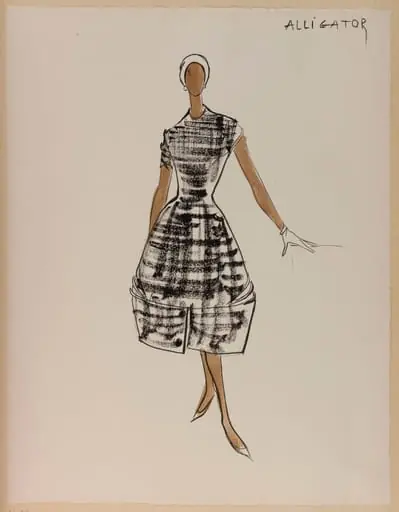
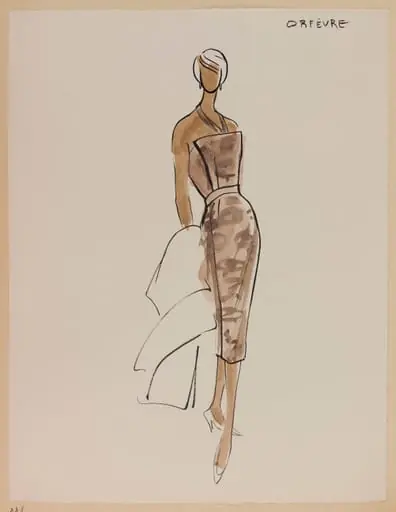
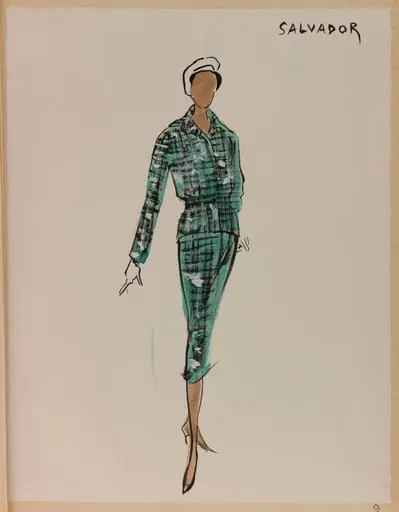
Pôle nord is a fashion illustration created around 1956 by the French designer Carven. Executed in ink or pencil, the work presents a stylized female figure in a minimalist composition. It is part of the collection at the Museum of Ethnography, where it is preserved as an artifact of mid-century fashion design rather than fine art. The piece reflects the era’s emphasis on elegance through restraint.
Subject & Meaning
The figure depicts a woman in a sleeveless dress with a high neckline and a defined waistband, accessorized with white gloves and high heels. Her face is omitted, shifting focus to the silhouette and garment structure. The title 'Pôle nord'—French for 'North Pole'—suggests a conceptual link to purity, distance, or cold refinement, though no explicit narrative is provided. The anonymity of the figure invites interpretation centered on attire rather than identity.
Technique & Style
The illustration employs clean, unbroken lines and sparse detailing, characteristic of mid-century fashion drawing. Shading is minimal, and the background is left entirely blank, emphasizing the form of the dress and posture. The precision of the contours and the deliberate absence of facial features reflect a design aesthetic prioritizing garment clarity over individual expression, aligning with commercial fashion illustration practices of the time.
History & Provenance
Created circa 1956, the work originated within Carven’s design studio, likely as a presentation sketch for a collection. It entered the Museum of Ethnography’s holdings at an unspecified date, possibly through donation or acquisition focused on textile and fashion artifacts. Its preservation in an ethnographic context signals recognition of fashion as cultural expression, rather than merely commercial output.
Context
In the 1950s, fashion houses like Carven relied on illustrators to communicate designs before photography became dominant. This drawing reflects a period when haute couture was marketed through elegant, hand-drawn imagery. The absence of a face and the stark background align with contemporary editorial styles that prioritized the garment’s form and structure, positioning clothing as the central subject of visual communication.
Legacy
Pôle nord endures as a representative example of how fashion designers used illustration to convey aesthetic ideals. Its inclusion in an ethnographic museum underscores the evolving scholarly view of fashion as a cultural artifact. While not widely reproduced, it remains a quiet testament to the precision and restraint valued in mid-century French design practice.
Artist & collection
Artist
These delicate ink-on-paper drawings capture the quiet poetry of everyday things: pinecones, reeds, apples.
Museum
Palais Galliera - Musée de la Mode de la Ville de Paris
Continue through works from the same source collection.