Artwork
Robe d'un soir
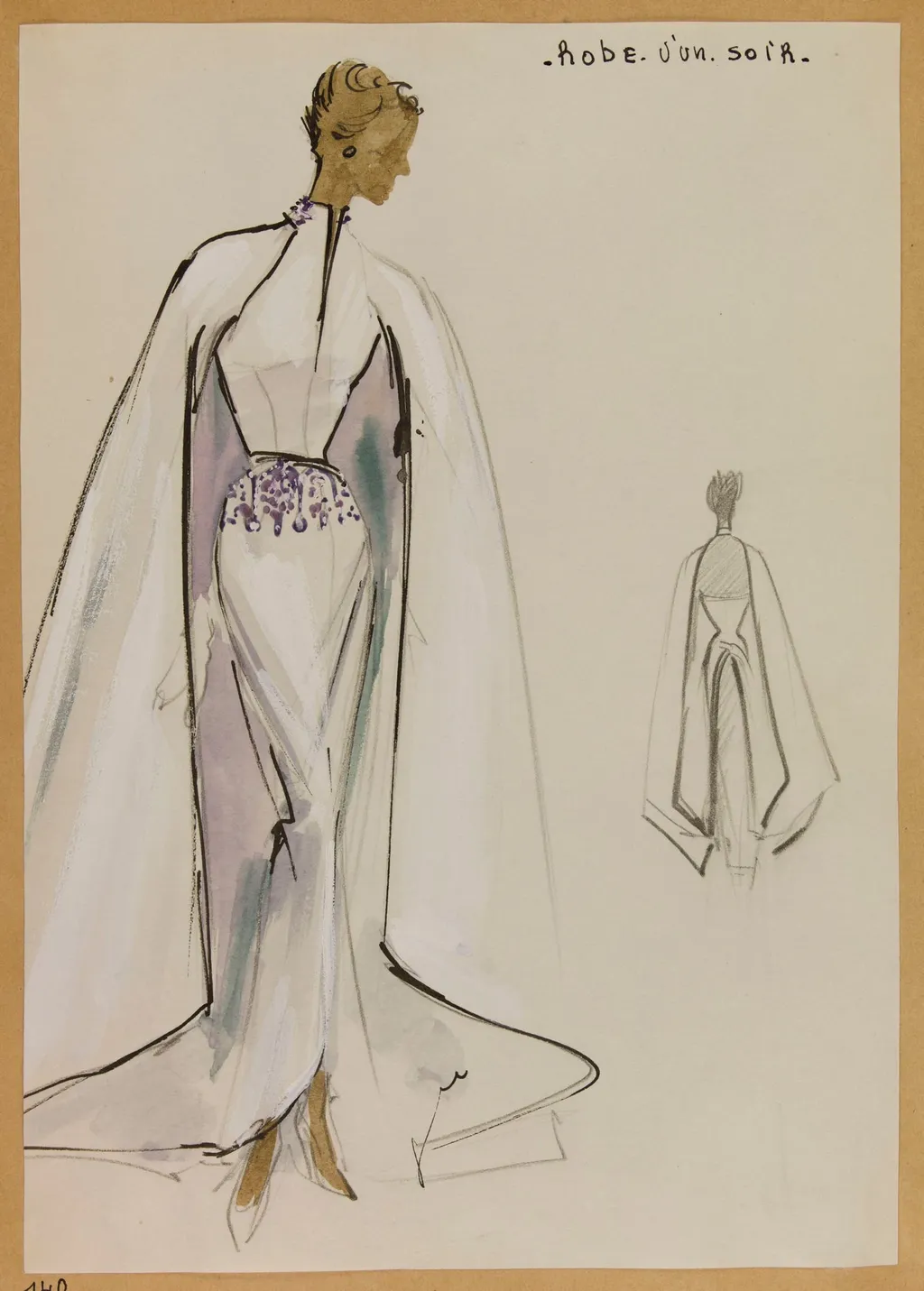
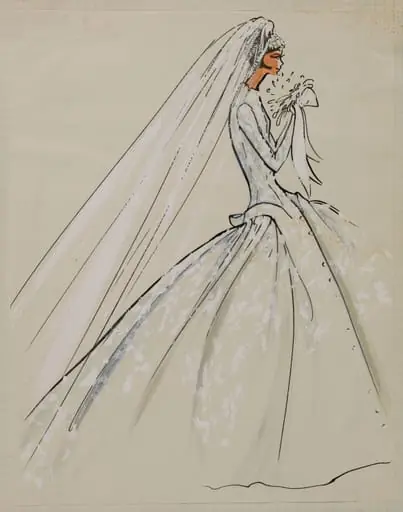
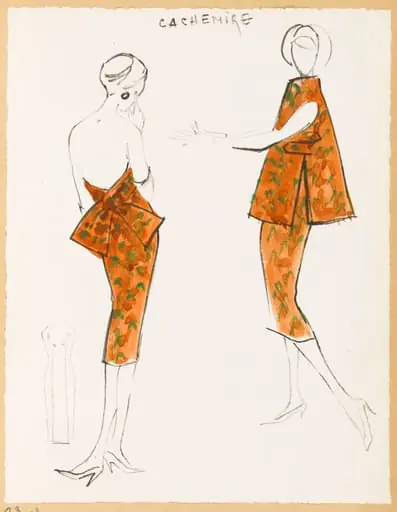
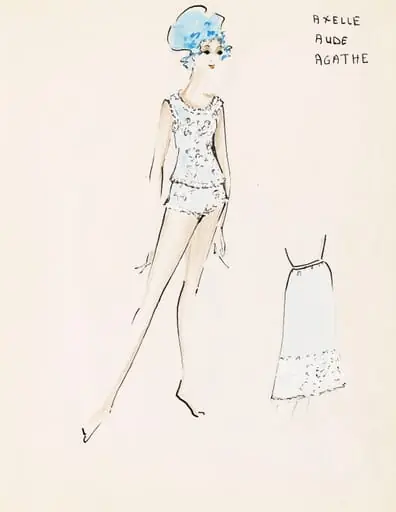
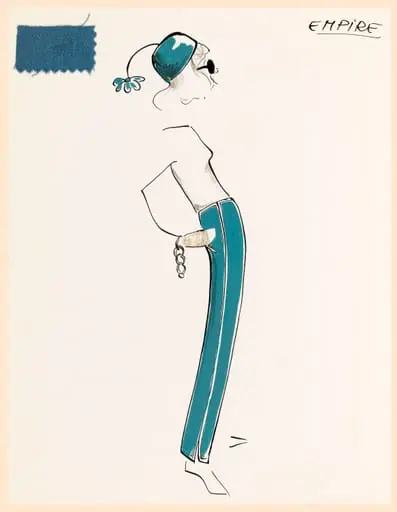
Robe d'un soir is a drawing by Carven. It dates from 1952 and is held in the collection of the Palais Galliera - Musée de la Mode de la Ville de Paris.
About this work
Overview
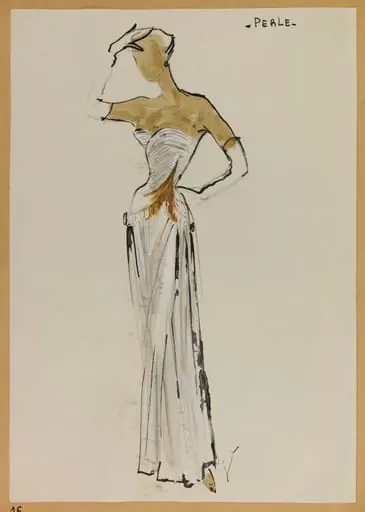
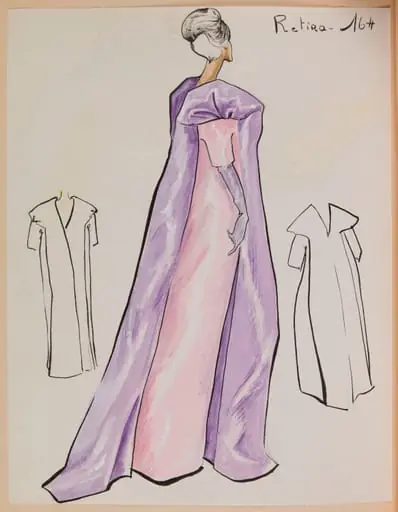
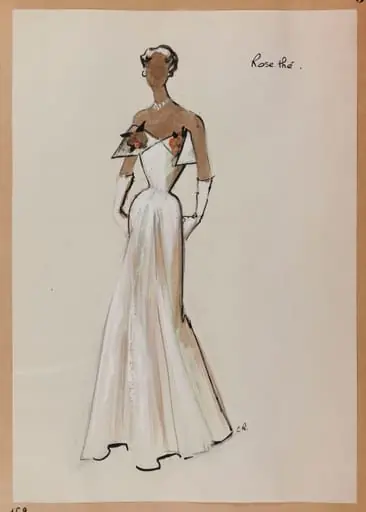
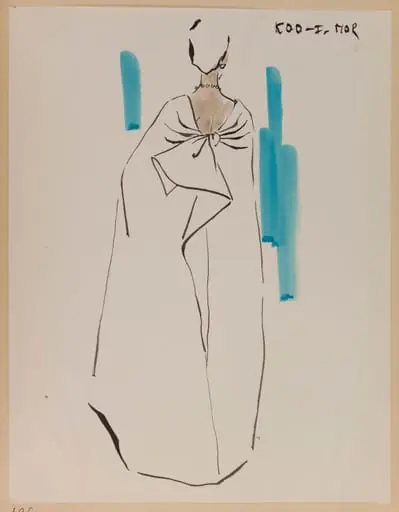
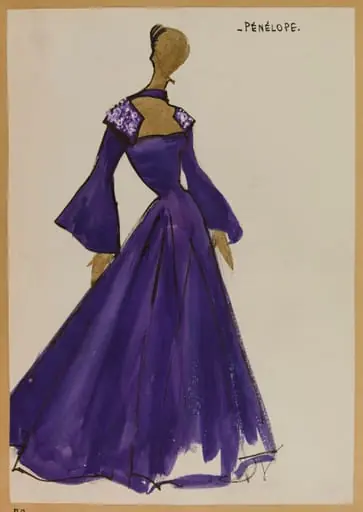
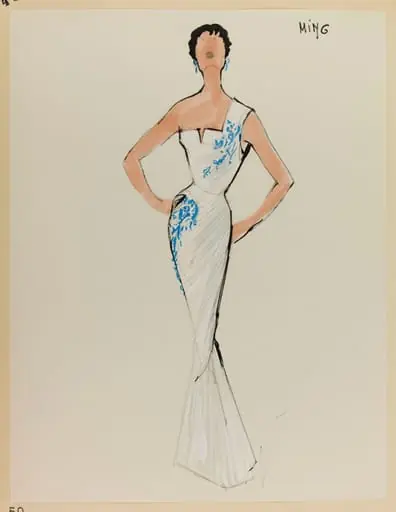
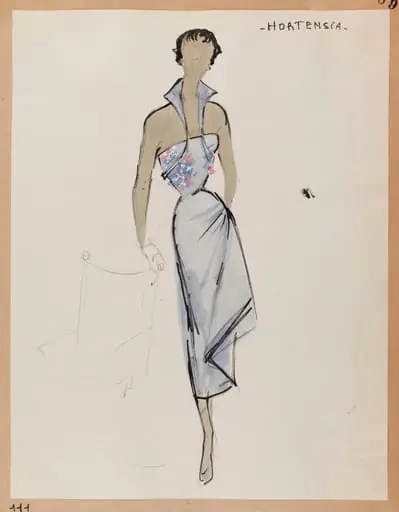
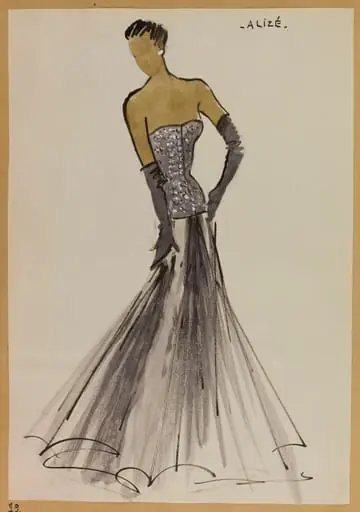
Robe d’un soir is a 1952 drawing by the French fashion house Carven, presently conserved in the Museum of Ethnography. The work presents a single figure clad in an elegant evening gown, rendered in a modest monochrome palette with a handwritten French title that translates to “evening dress.”
Subject & Meaning
The composition depicts a woman wearing a long, flowing gown characterized by a deep V‑neck, a fitted bodice, and a cape‑like drape across the shoulders. The skirt falls loosely, suggesting movement, while subtle purple dots near the waist add a decorative touch. A smaller reverse‑view sketch in the corner offers a complete profile of the garment.
Technique & Style
Carven employs simple, fluid lines and light shading to convey the softness and semi‑transparent quality of the fabric. The drawing relies on minimal cross‑hatching, allowing the silhouette of the dress to emerge through tonal variation rather than detailed texture. This restrained approach emphasizes the garment’s shape and fluidity.
History & Provenance
Created in the post‑war period, the drawing reflects Carven’s focus on accessible elegance. It entered the Museum of Ethnography’s collection as part of a broader acquisition of fashion‑related artworks, underscoring the institution’s interest in the intersection of clothing design and cultural expression.
Context
The piece belongs to a series of fashion‑inspired studies produced by Carven during the early 1950s, a time when the house was celebrated for its refined yet approachable designs. By presenting the dress in both front and back views, the drawing serves both as a visual study and as a documentation of contemporary sartorial trends.
Artist & collection
Artist
These delicate ink-on-paper drawings capture the quiet poetry of everyday things: pinecones, reeds, apples.
Museum
Palais Galliera - Musée de la Mode de la Ville de Paris
Continue through works from the same source collection.