Artwork
Solitude
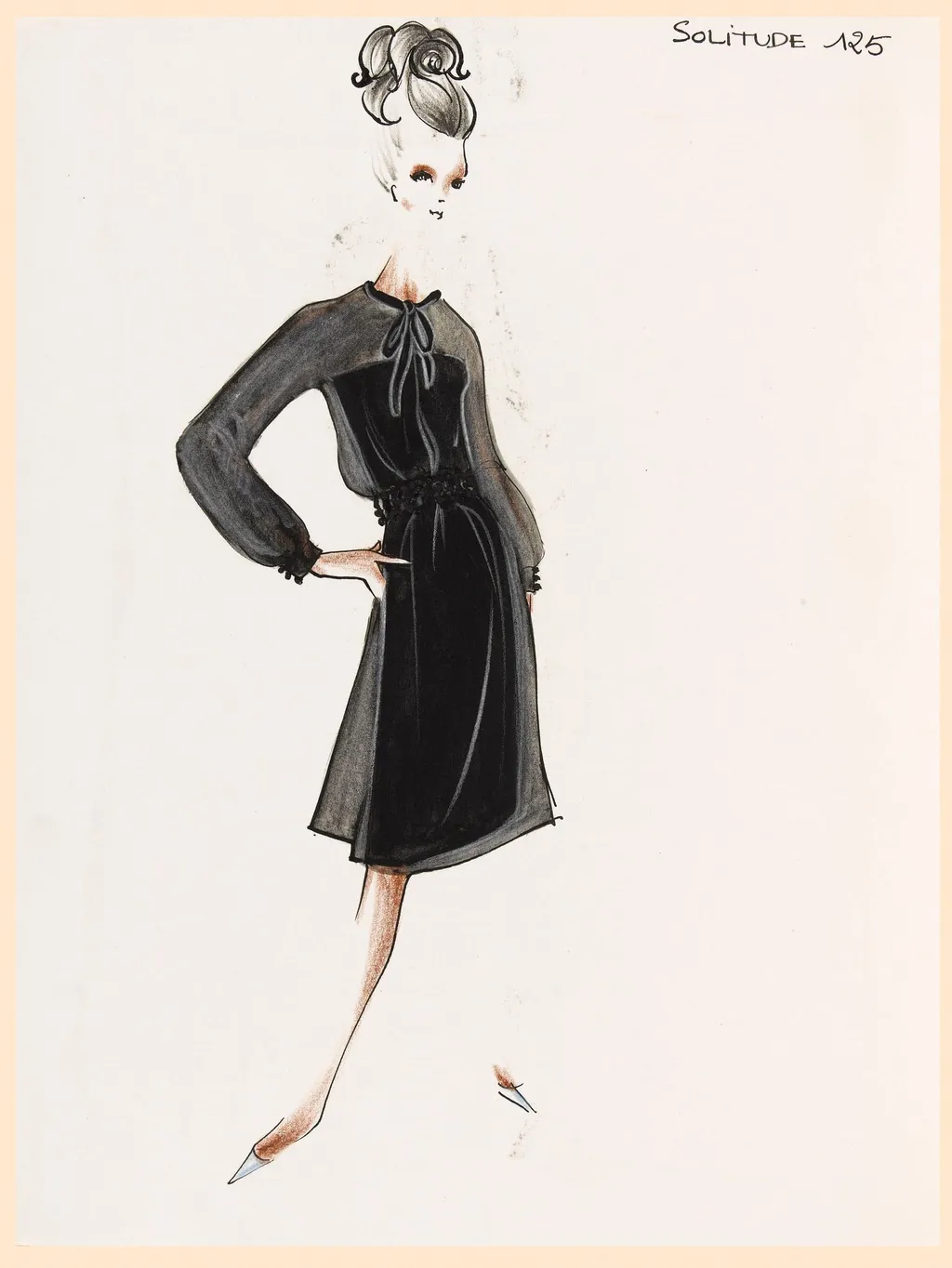
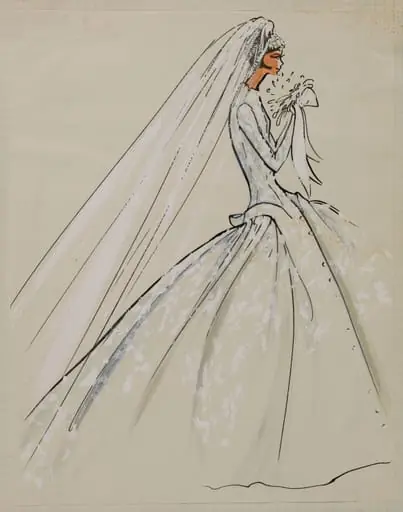
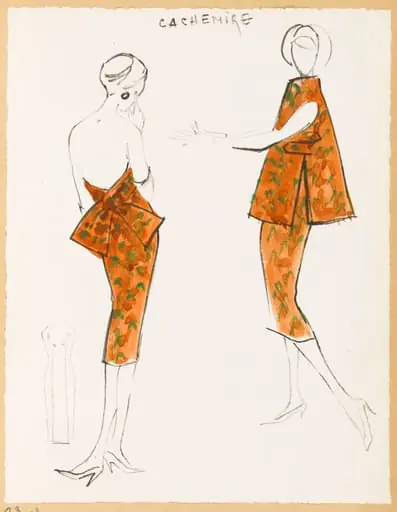
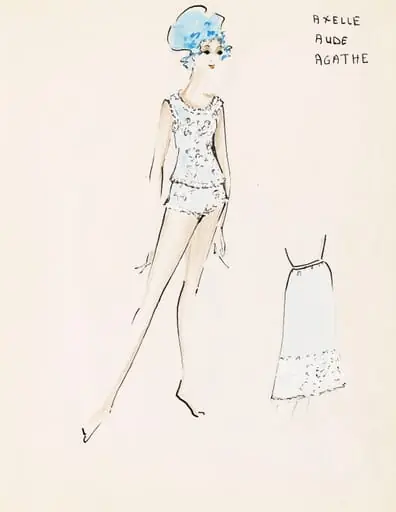
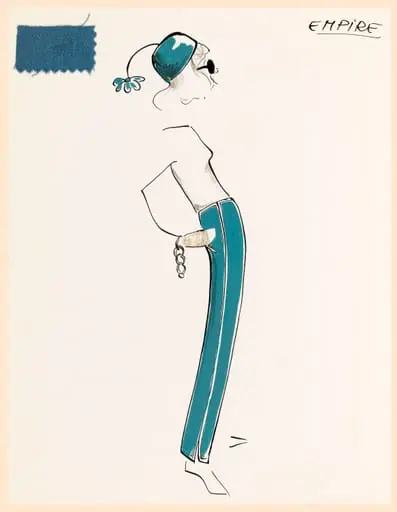
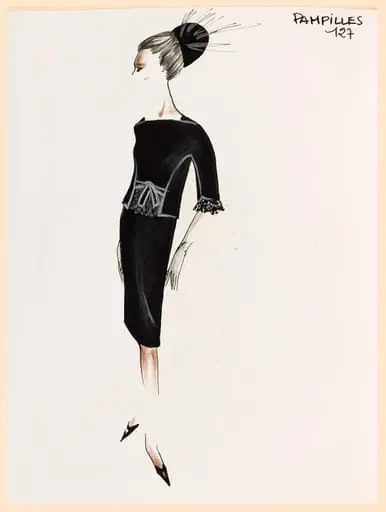
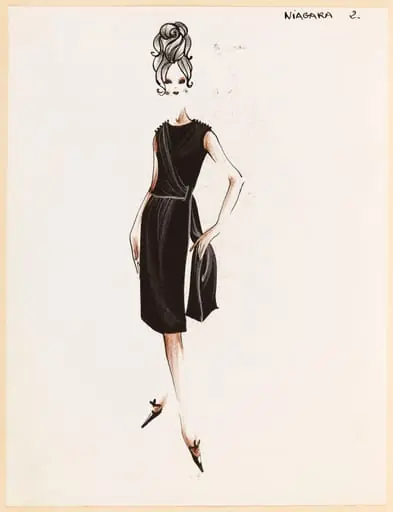
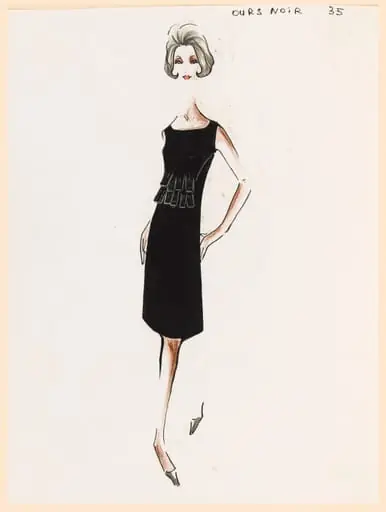
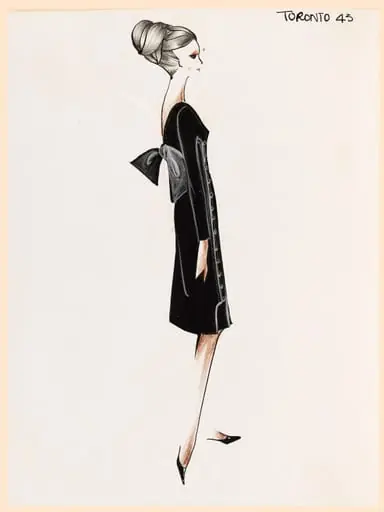
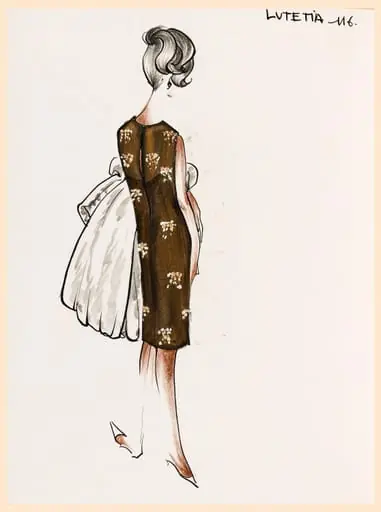
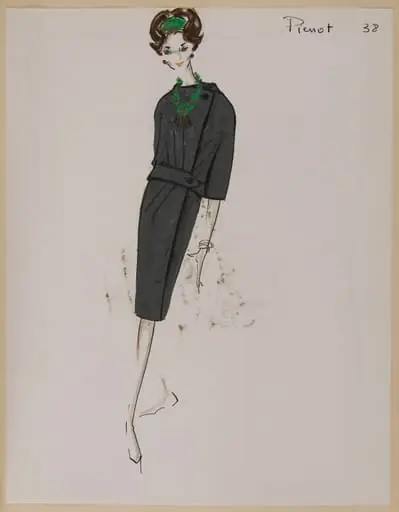
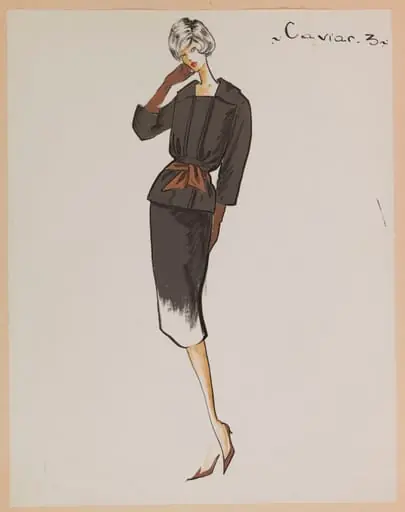
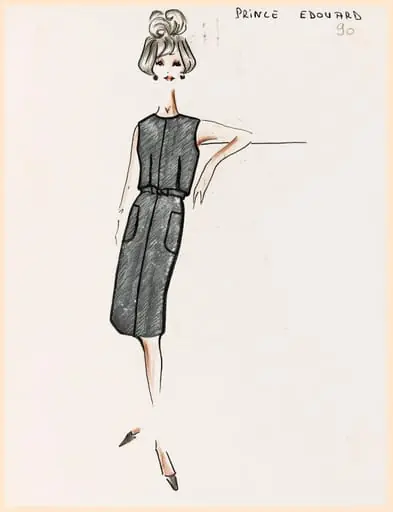
Solitude is a drawing by Carven. It dates from 1962 and is held in the collection of the Palais Galliera - Musée de la Mode de la Ville de Paris.
About this work
Overview
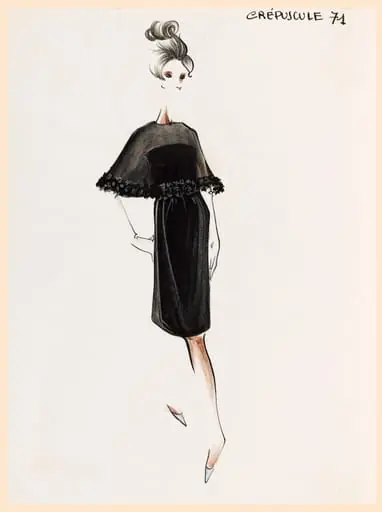
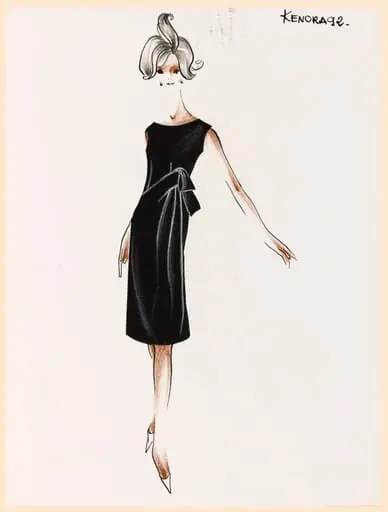
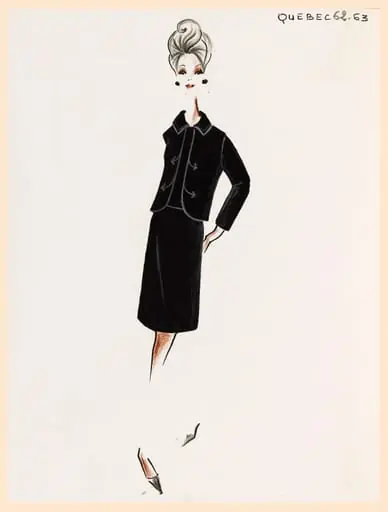
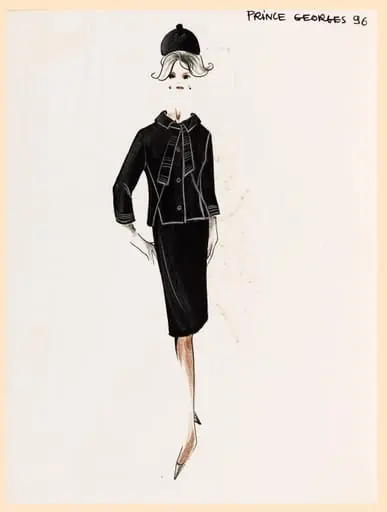
The work captures a solitary female figure in a minimalist pose, rendered with delicate, unfinished strokes that suggest spontaneity rather than polish.
Created around 1962, Solitude is a pencil drawing by the fashion designer Carven. It resides in the collection of the Museum of Ethnography. The work captures a solitary female figure in a minimalist pose, rendered with delicate, unfinished strokes that suggest spontaneity rather than polish. Its modest scale and informal technique distinguish it from formal portraiture, aligning it more closely with personal sketches or design studies.
Subject & Meaning
The figure is a woman dressed in a plain black dress with long sleeves and a small bow at the neck, her skirt cut short and straight. One hand rests on her hip, suggesting a moment of stillness rather than action. The subdued makeup and single earring imply understated elegance. The title, Solitude, invites interpretation of inner quiet or isolation, though the image offers no narrative context beyond the figure’s presence.
Technique & Style
Executed in light pencil, the drawing favors suggestion over detail. Edges blur, contours are tentative, and shading is sparse, creating a sense of immediacy. The absence of background or environmental cues focuses attention entirely on the figure. This loose, gestural approach reflects the artist’s familiarity with fashion sketching, where speed and essence often take precedence over finish.
History & Provenance
The drawing entered the Museum of Ethnography’s collection without documented provenance prior to its acquisition. No exhibition history or personal correspondence linking it to Carven’s fashion work has been publicly recorded. Its presence in an ethnographic context, rather than a fashion archive, suggests an interest in cultural representations of everyday demeanor rather than design innovation.
Context
In early 1960s Paris, fashion designers often sketched personal muses or models as informal studies. Carven, known for refined yet accessible womenswear, may have used such drawings to explore posture and silhouette. Solitude reflects a broader trend of blurring lines between commercial design and intimate observation, where clothing becomes a vessel for emotional tone rather than just function.
Legacy
Solitude remains an understated artifact within Carven’s broader oeuvre, rarely cited in scholarly literature. Its value lies in its quiet humanity—offering a glimpse into the artist’s private visual language beyond garments. It contributes to discussions on how fashion creators documented not just clothing, but the individuals who wore it, and the moods they embodied.
Artist & collection
Artist
These delicate ink-on-paper drawings capture the quiet poetry of everyday things: pinecones, reeds, apples.
Museum
Palais Galliera - Musée de la Mode de la Ville de Paris
Continue through works from the same source collection.